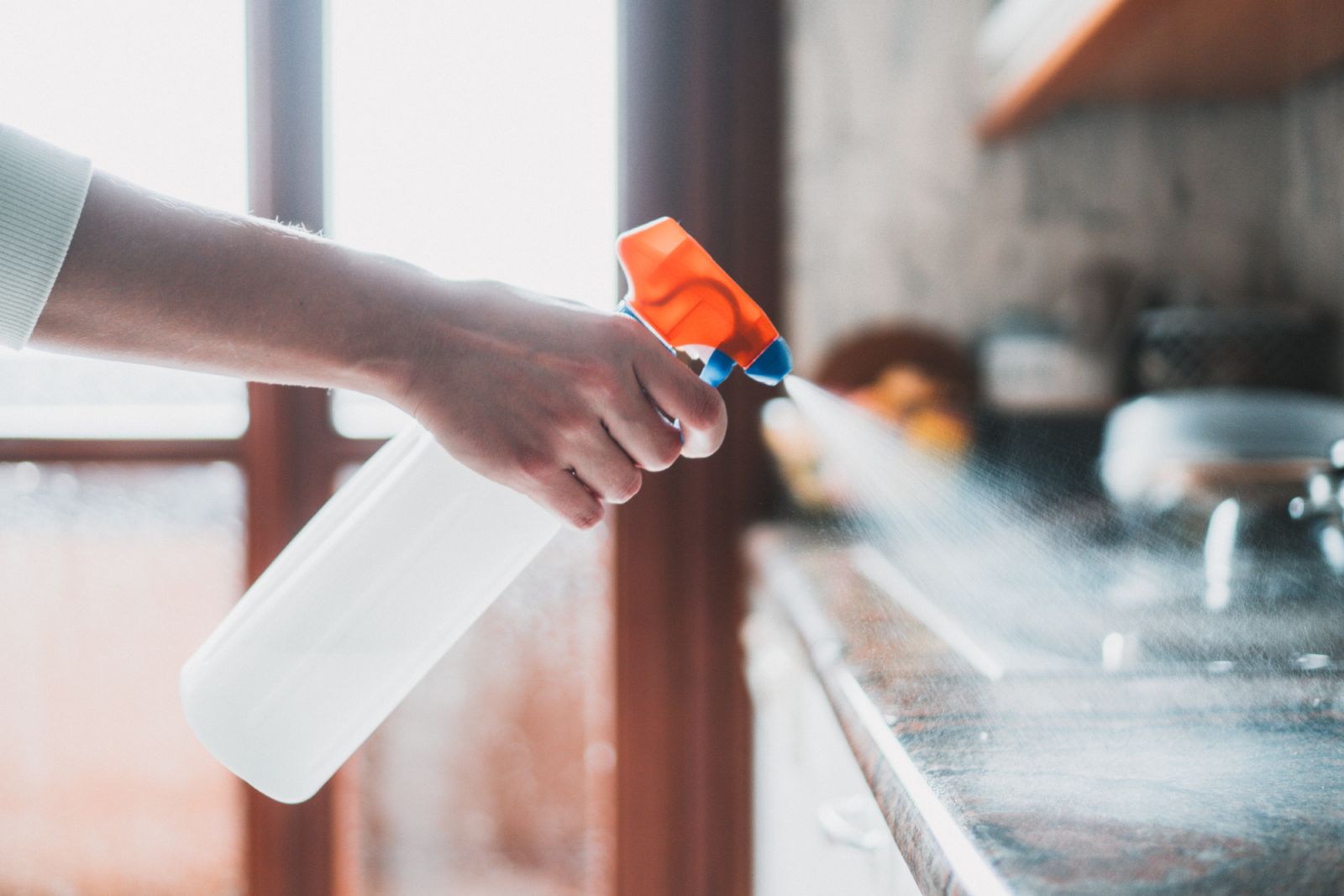
Most people who use a cleaning service fall into one of two patterns. Some keep a standing appointment on a fixed schedule, weekly or biweekly, regardless of how the place looks. Others book when the moment feels right, whether that’s a seasonal refresh, a pre-company spit shine, or whenever the apartment starts to feel overdue. I’ve watched both approaches play out across a ton of homes, and the difference between them isn’t just how often someone cleans. It’s how they relate to their space and to themselves in it.
The “order when needed” approach sounds reasonable on paper. You stay flexible. You only pay when you actually need it. You’re not locked into anything. I understand why people default to it, especially when they first start thinking about hiring help. But I think that framing misses something about how disorder accumulates and what it costs to let it build.
The pattern I see most with on-demand booking is that people tend to let more time pass between appointments than they probably intend to. The apartment isn’t necessarily in bad shape when they call, but the cleaning ends up functioning as a reset rather than maintenance. You return to baseline, and then the slow drift starts again from scratch.
A recurring schedule works differently because it doesn’t let the decline get started. A cleaner coming every week or every two weeks is maintaining something, not rescuing it. The apartment never drifts far enough to require recovery mode. This means each appointment is faster, more thorough on the details, and actually leaves the space in better condition than a one-time clean of the same length would. The math is counterintuitive at first. Cleaning more often makes each cleaning more effective, not less.
There’s also a psychological dimension to this that doesn’t get talked about enough. When your home is on a recurring schedule, you start to notice that your relationship with disorder changes. Most people who clean on demand carry a low-level awareness of the mess at all times. It’s in the background, rarely urgent enough to act on, but present. It’s the thing you think about when someone says they’re coming over. It’s the reason you hesitate before sitting down on a Sunday instead of tidying up. It becomes a kind of ambient weight that you barely register because you’ve had it so long.
A standing appointment removes that. You know Tuesday is coming, or every other Thursday, or whatever the rhythm is. The mess doesn’t accumulate indefinitely anymore. You stop making dozens of small decisions each week about whether it’s time to deal with it. That decision is already made. I think this is one of the more underrated benefits of a recurring service, and it’s one that’s hard to quantify but very easy to feel after a few months.
There’s a version of this effect that happens with house cleaning in NYC that I think is specific to apartment living. When you’re in a smaller space and sharing walls with neighbors, clutter and grime feel more intrusive. There’s nowhere to put the mess that puts it out of mind. A recurring service effectively makes the apartment feel larger over time, not because anything physical changed, but because you stop working around the areas you’ve been avoiding.
The counterpoint I hear most often is cost. People feel like booking on-demand only when necessary is the cheaper approach, and on a pure per-appointment basis they’re probably right. But I think that framing undersells what a recurring client is actually getting. Beyond the cleaning itself, they’re building a relationship with someone who knows their space.
The familiarity factor is real. A cleaner who comes every two weeks to the same apartment builds up a working knowledge of that space. They know about the grout in the kitchen that needs extra attention, or the bathroom tiles that respond well to a specific product. A one-time clean, even a good one, starts from scratch every time. There’s value that compounds with consistency.
I’d also say there’s something to be said for how a recurring schedule changes the way you use your home in between cleanings. When you know a cleaner is coming on a schedule, you tend to maintain things at a higher baseline without thinking much about it. Dishes don’t pile up as long. Surfaces get wiped down more reflexively. It’s not that the cleaning service is making you a tidier person exactly, it’s that a known rhythm gives the effort somewhere to land. Tidying up before a cleaner comes on Tuesday feels purposeful. Tidying up indefinitely with no endpoint in sight feels like a treadmill.
If you’re currently in the on-demand mode and thinking about whether a recurring maid service makes sense for your situation, ask yourself how often your place realistically needs cleaning before it bothers you, and how much mental energy you spend on the in-between state. If the answer to the second question is “more than I’d like,” that’s probably the answer to the first one too. Most people find that biweekly is the right cadence for a standard apartment, weekly for households with kids, pets, or high foot traffic. You can book a recurring appointment and adjust from there once you have a better sense of the rhythm.
The core idea is simple. A recurring schedule changes what a cleaning is. It turns it from a correction into a standard. And once your home has a standard, maintaining it stops feeling like work.