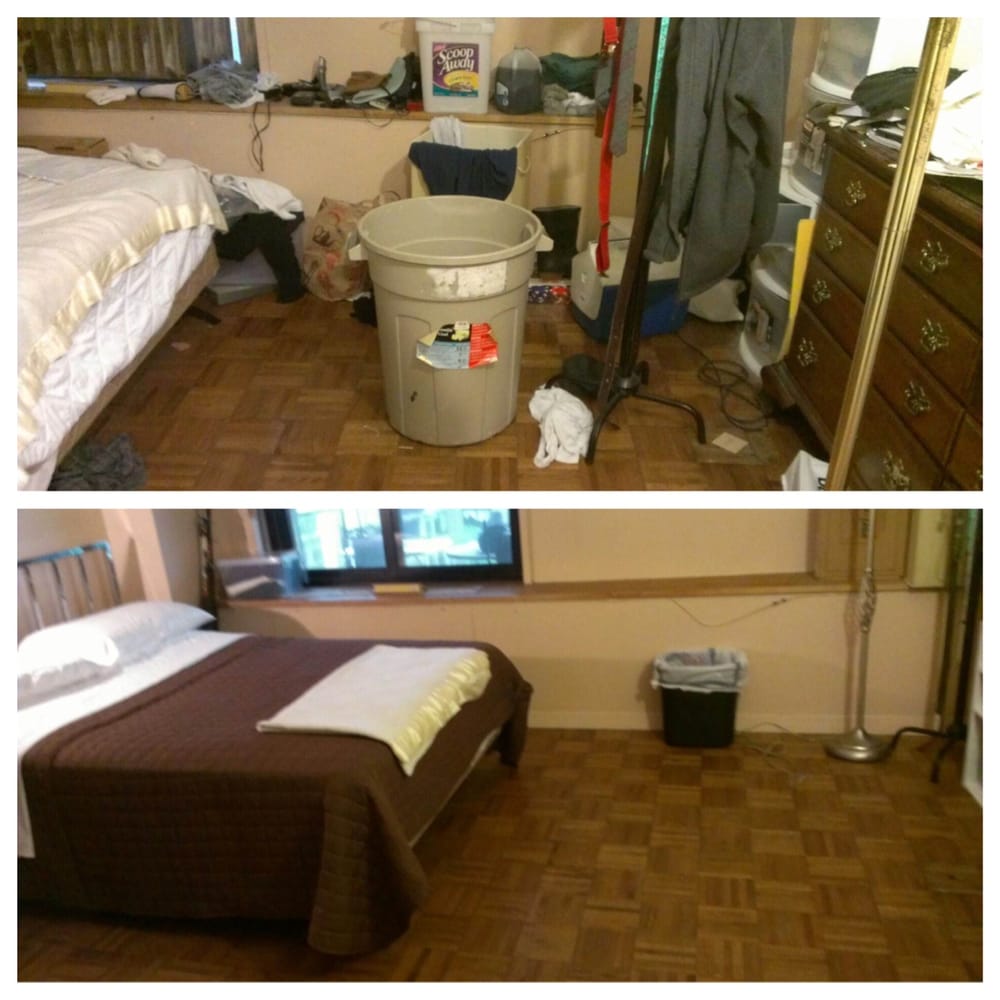
If you live in an older NYC home, you’re probably sharing the space with more than just your roommates or your furniture. I’m not trying to be dramatic about it. It’s just the reality of older buildings, and once I started paying attention to it, I couldn’t stop thinking about how much of what floats around in the air of an older home never gets addressed. This applies whether you’re in a prewar apartment, a brownstone, or a house. My house was built in the 1920s. Same category of problems.
I went down a pretty deep rabbit hole on air quality a while back. It started when I was trying to figure out why I felt noticeably better on certain days versus others indoors. I probably ended up more obsessed than necessary. But I did come out of it with a cleaner, better-smelling home and a much clearer sense of what’s actually happening in older NYC buildings.
The first thing worth understanding is that older homes in New York, whether you’re talking about a prewar apartment, a brownstone, or a house that’s been standing since the early 1900s, have a different set of allergen problems than newer construction. Dust mites are probably the biggest one. They live in fabric, basically. Old carpets, drapes, upholstered furniture, old mattresses. Older homes often have beautiful original hardwood floors, which genuinely helps, but plenty of them still have radiator covers, heavy curtains, and furniture that’s been around for decades. Dust mites feed on shed skin cells and they thrive in that kind of environment. Their waste and shed fragments become part of the ambient dust you breathe, especially when you disturb a surface or move through the space.
Cockroach allergens are real and specific to cities like New York. I think a lot of people assume this is only relevant if you have an active infestation, but that’s not quite right. Buildings that have had any cockroach activity accumulate shed skin, droppings, and saliva in the dust over time. These particles become part of the general dust load in the building, circulate through shared walls and ventilation, and they’re a documented trigger for people with respiratory sensitivities. Older buildings with more gaps, older plumbing chases, and shared spaces are just more likely to have some level of exposure even if you personally keep a very clean apartment.
Mold is the other major one. Older buildings have aging pipes, slower ventilation, and bathrooms that were never designed for high moisture. If you have a bathroom without a real window or a kitchen that doesn’t exhaust well, you’re going to get some mold somewhere. Spores are lightweight and they stay airborne for a long time, especially in a space with low air circulation.
There’s also mouse allergens. Older homes, especially ground floor and basement-adjacent spaces, deal with mice. Dander, urine particles, and droppings all become airborne. It’s one of those things that can quietly contribute to a sense that the air just feels heavy or off, even when the home otherwise looks clean.
Pet allergens are worth mentioning too, and not just if you have animals yourself. If you’re mildly sensitive to cats or dogs and your neighbors have them, dander travels. Through shared ventilation in apartment buildings, through hallways, through the gaps that older construction tends to have. In houses, it can come through shared walls or just from proximity if you’re in a dense neighborhood. A lot of people notice symptoms without any obvious source and never connect it to the fact that the house next door or the unit above them has three cats.
Then spring hits. Oak, birch, and maple tree pollen peak in April and May in the city. Grass pollen follows in late spring and into early summer. Older homes with original windows, worn seals, or windows that just don’t close cleanly let in a meaningful amount of outdoor pollen. It layers on top of everything already present indoors. People who don’t have obvious seasonal allergies sometimes notice they feel worse indoors during this period than they expect to, and I think that compound effect is why.
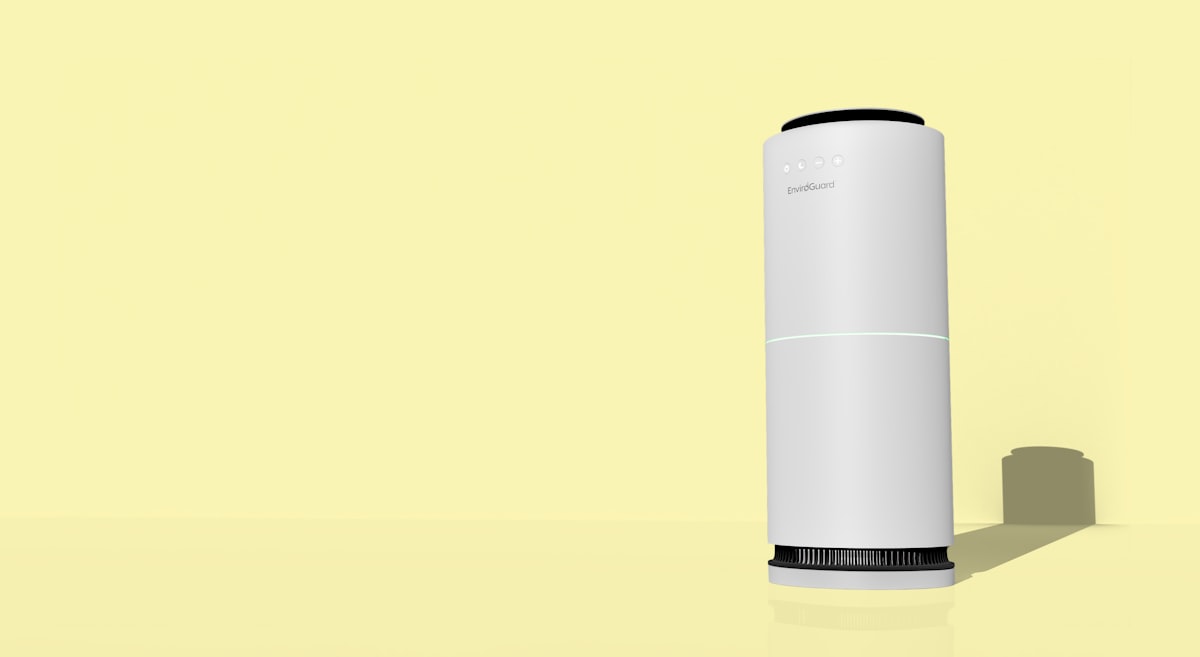
The air purifier rabbit hole started here for me. I went in a little skeptical. I expected to find that air purifiers were mostly a marketing product. What I actually found is that an air purifier with a true HEPA rating (H13 or better) captures particles down to 0.3 microns. Pollen grains are much larger than that. Dust mite allergen particles, mold spores, and pet dander all fall in that size range, so the purifier is doing real work on the things that actually matter.
The activated carbon layer that most good units include handles odors separately, including cooking smells, old building smells, and general dampness. The air in a home running a quality purifier genuinely smells different. It’s not a subtle thing once you’ve run a quality unit for a few weeks. When I went back to a space without one, I noticed it immediately.
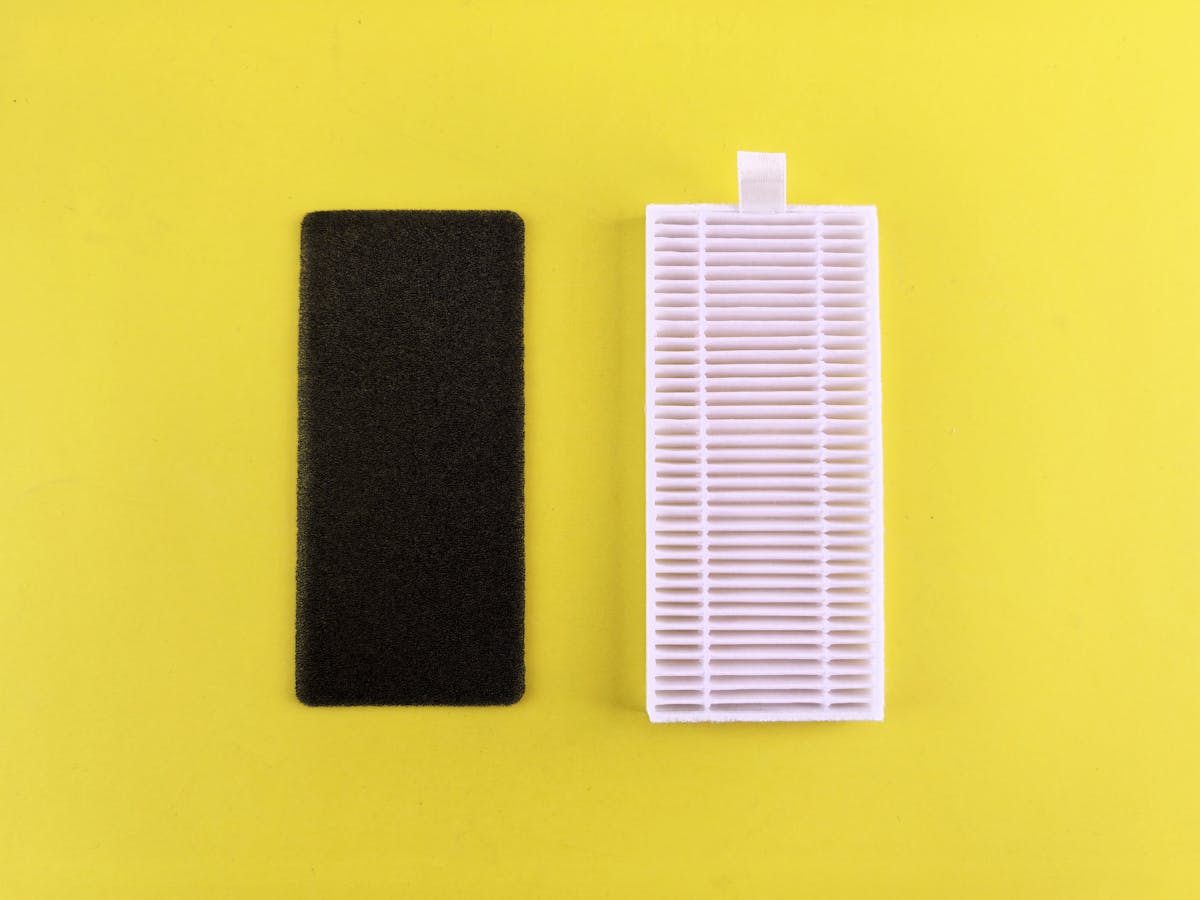
One thing I didn’t fully appreciate at first is that the filter change schedule matters as much as the filter quality. A clogged filter doesn’t just stop working, it can start pushing captured material back into the room. Most units tell you when to change, and I’d take that seriously rather than trying to stretch it.
On household illness, I’ll say something measured because I think the overclaiming in this space is part of why people are skeptical. HEPA air purifiers do capture some airborne particles that carry bacteria and viruses. But most household illness spreads through surfaces and close contact, not purely airborne routes. What the purifier does is reduce one transmission vector. It’s not a substitute for cleaning surfaces, and it won’t prevent everyone from getting sick. But in a densely occupied older building where recirculated air is a real thing, reducing the airborne load is probably worth something, especially during the months when windows are closed.
That said, I can tell you what I actually observed at home. My kids used to get sick a lot, and when one of them caught something at school it would reliably work its way through the rest of the house. Since I invested in air purifiers, specifically Intellipure units (not a promo, genuinely just what I ended up with after going too far down the research rabbit hole), that pattern has mostly stopped.
My best explanation for why, and it’s just a theory: two things probably changed. One is that their bodies are no longer also quietly fighting off a constant allergen load at home. When your immune system is occupied with dust mites and mold spores and whatever else floats through a house that’s been standing for a hundred years, you have less in reserve when something real comes along. Reduce that background allergen problem and you may have more capacity to actually fight off what they brought home from school. The second thing is simpler: if one of them does bring something home, the purifier has a real chance of catching airborne particles before everyone else in the house breathes them in. Neither explanation is airtight. But the pattern changed, and I don’t have a better one.
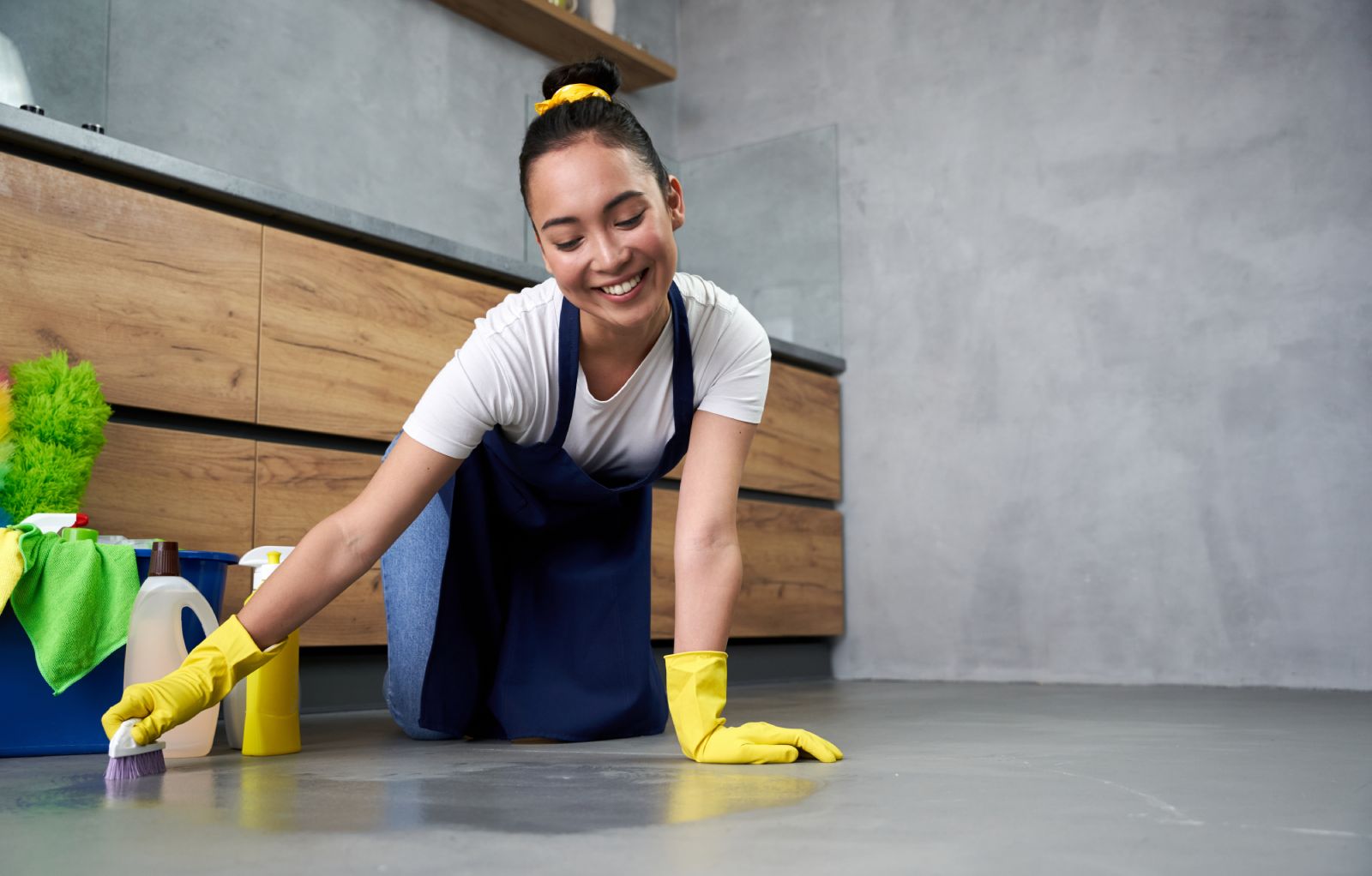
If you want to actually address the source load, a solid deep cleaning of the home, especially things like drapes, fabric furniture, and hard-to-reach corners, makes a significant difference in what the purifier is dealing with. The purifier helps maintain air quality on an ongoing basis, but it’s doing less work if the base dust load is high. A thorough house cleaning or apartment cleaning that focuses on surfaces and soft furnishings as a starting point gives the air purifier a running start.
I think the practical case for this in NYC is stronger than in most places. Older building stock, denser living, less natural ventilation, neighbor pets you didn’t sign up for, and a real spring pollen season on top of everything else. It doesn’t require going overboard with it, though I probably did. One good unit in the main living space, a reasonable filter replacement schedule, and a thorough cleaning of the home’s dustier surfaces as a baseline gets you most of the benefit. The air quality difference is something you feel pretty quickly, and once you do, it’s hard to justify going back.
If you want to get serious about the surface side of this, you can book a cleaning and we’ll handle the deep work so the purifier has less to fight against from day one.