A friend who just moved to DC asked me how to hire a house cleaner. We don’t work there, so she couldn’t just book with us, and what she actually needed was how the whole thing works so she doesn’t end up with one bad visit and a story about how she tried it once. Most of what decides how it goes gets decided before you contact anybody. The company has cleaned over 100,000 homes at this point, and what I’ve noticed is that nearly every first visit that went badly went badly for a reason already visible in the booking. This is the list I gave her. It works the same in New York.
Photo by SHVETS production on Pexels
Decide what kind of clean you need before you hire a house cleaner
There are three things you can buy and people mix them up constantly. A standard clean is a flat rate for a written house cleaning checklist, the same rooms and tasks every visit. Ours runs 85 points, and the value of a written list is you can read it before you book. A deep clean is the same idea with a longer list and more time, which is what you want if the place hasn’t been cleaned properly in a while. Hourly is different in kind, a custom scope where you hand over a task list and direct the work, like a basement, an attic, or just these two rooms.
The common mistake is using hourly to buy a cheaper standard clean. Two hours buys two hours, not a two-bedroom. When someone books hourly with us we ask what the hours are for, and sometimes call back to say it needs more time.
If you’re unsure, compare a deep cleaning against a standard house cleaning and choose by the list, not the price. Inside the fridge and oven are add-ons on a standard clean and included in a deep clean.
When you hire a cleaning lady through a friend, three questions decide how it goes
Most people’s first instinct is an individual. That usually means a neighbor’s cleaning lady, a name from a group chat, or a gig app. That often works well. But an individual and a company are different deals, and three questions show you where.
The first question is who shows up the week the person is sick. With an individual, nobody does, so you skip a week and then another. With a company there’s a bench, so the visit still happens.
The second is who pays when something breaks. Insurance covers the broken thing and a bond covers theft. Ask for a certificate of insurance and notice whether they can produce one at all. Doorman buildings and co-ops request them constantly, so any real operation has the process down, though it can take a couple of days.
The last question is who checked the person before they reached your door. A company that hires cleaners as W-2 employees ran the background checks and trained them, so it has a direct answer. A marketplace can only describe its signup flow. I wrote the long version of the paperwork checks separately.
I’d ask six questions before I hire a cleaner in NYC
None of these are gotchas, they’re just what turns out to matter, and any decent company answers all six without pausing:
- What’s on the list and what isn’t. Ask for the actual checklist and what’s excluded. Then ask where the ladder line is. Ours is a stepladder, so high ceilings and out-of-reach fixtures are out of scope.
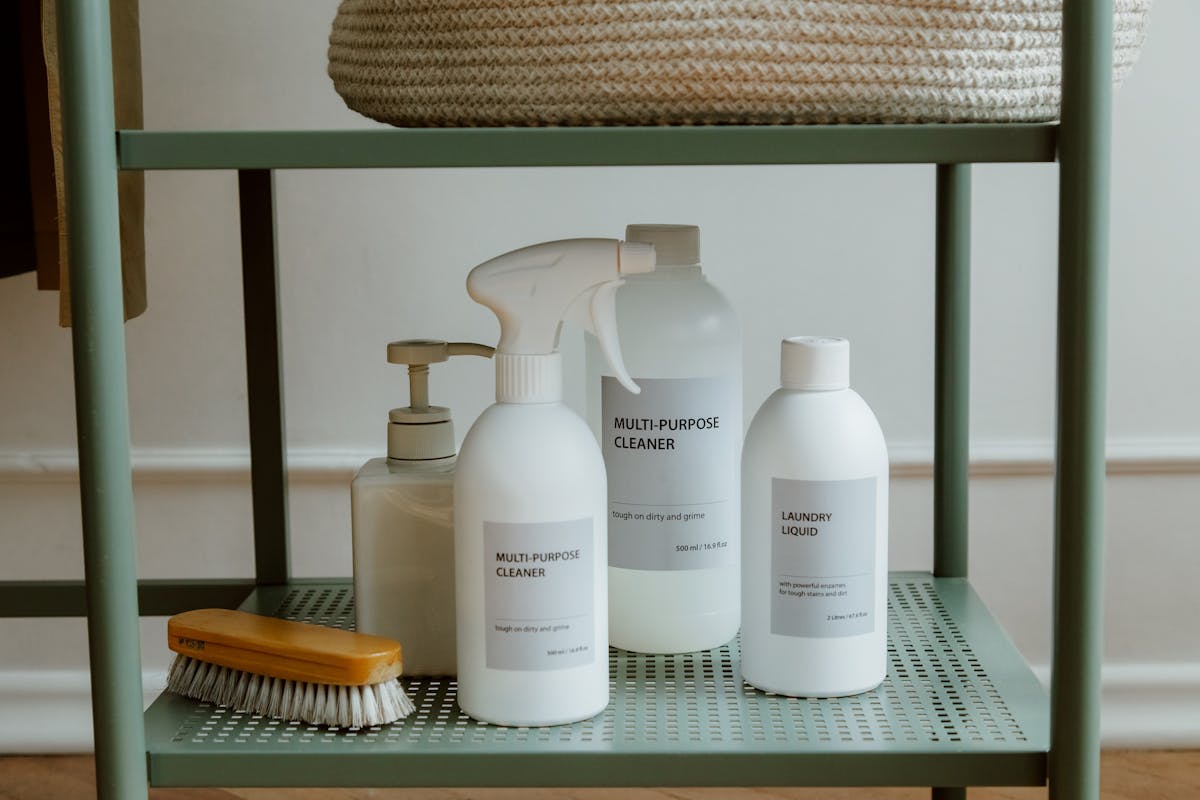
- What they bring and what you supply. Our cleaners bring supplies and equipment including a professional vacuum, and use your own toilet brush and garbage bags. If you want a specific product used somewhere, leave it out and say where it is in the notes.
- How and when you pay. We take cards only and nothing is charged until after the clean. Paying after the clean means the company is betting on its own work, and paying before means you are.
- What happens if you’re unhappy, in writing. Ours is The Marine Clean Guarantee, a free re-clean, with issues reported within 48 hours of the service date.
- How entry works. You give entry instructions at booking and there’s a fee if the cleaner can’t get in, so don’t leave it vague.
- Whether the same person comes back. After a first clean with us that cleaner becomes your preferred cleaner and scheduling tries to send them again, with someone else covering when they’re out. Nobody honest promises the same person every time.
Ours is on the booking page, a flat rate by size, no card or email needed to see it. If you can’t get a number out of a company without handing over a card, the price isn’t really published.

Photo by Valeriia Miller on Unsplash
Most of what makes a first cleaning go well happens before anyone arrives
Plenty of people aren’t home during the clean, and the entry method matters more than it looks. From our own bookings, leaving a key with the doorman is the method that fails least. “I’ll be home” is next. “I’m not sure yet” fails several times more often than either, because it isn’t a plan, it’s an intention.
Then put the rest in the notes. Mention pets, since cleaners work around them all the time and the only real issue is a vacuum startling one. Name the two or three things you most want done well, because a cleaner who knows the bathroom is the priority spends the time there. If a request takes twenty minutes or more, add an hour to the booking.
Last, clear the surfaces, because cleaning around your stuff eats time that could have gone into cleaning. The evening before a first clean we text to ask whether there’s anything we should know, and people often remember something right then.
Photo by Anete Lusina on Pexels
Walk the apartment the same day, then decide about recurring cleaning
Judge the first clean while you can still do something about it. Guarantees have reporting windows, ours is 48 hours from the service date, so walking the place that evening rather than next weekend is the difference between a fix and a grudge. Be specific. “The hallway baseboards were missed” is actionable, “it just wasn’t that great” is not.
If it went well, lock it in. Put the same person on a rhythm, which for most apartments is every two weeks. Recurring cleaning compounds, because the place never gets all the way dirty again, so the same visit covers more ground. Most of what people picture when they imagine a maid service is just that, one person and a rhythm.
Once you hire a maid service, the ongoing etiquette is short
There are three things worth knowing and then you’re done. Cancellations have a window, ours is 24 hours, and inside it there’s an $80 fee. Change or cancel before then and it costs nothing. Tips are optional, in cash or online after the clean. And changes go through a real channel, phone, email or your account, not a note on the counter, because the cleaner isn’t the one who controls the schedule.
The through line is that hiring a cleaner is a scope decision and an accountability decision, and both get made before anyone rings your bell. Get those two right and the cleaning part mostly takes care of itself.
Common Questions
- Should I hire an individual cleaner or a cleaning company?
- Three questions settle it. Who shows up the week the person is sick, who pays when something breaks, and who checked the person before they reached your door. An individual can be great and often is, but a company has a bench when your cleaner is out, insurance and a bond behind the damage, and background checks that already happened. Pick based on which of those three you can live without.
- What should I ask a house cleaner before hiring them?
- There are six worth asking. What's on the checklist and what isn't, what they bring and what you supply, how and when you pay, what happens if you're unhappy and whether that's in writing, how entry works, and whether the same person comes back. None of them are gotchas, and any company that runs properly answers all six without pausing.
- Do I need to be home when the cleaner comes?
- No, and about half of our clients aren't. You give entry instructions when you book, so the one thing to avoid is leaving it vague, because there's a lockout fee if the cleaner can't get in. From our own bookings, leaving a key with the doorman is the entry method that fails least.
- How do I know if the first cleaning was good?
- Walk the apartment the same day, while you can still do something about it. Issues need to be reported within 48 hours of the service date, so an evening walkthrough is worth more than a weekend one. Be specific, because a missed baseboard in the hallway is fixable and a general bad feeling isn't. If it went well, put that cleaner on a rhythm and you're done deciding.
- Can I hire a cleaner for just one room or the kitchen?
- Yes, and that's what the hourly service is for. You give a task list, the cleaners work through it in the order you set, and the minimum is two hours. It's the right call for a single room, a basement, or any scope that doesn't match a flat-rate clean. I wrote more about hiring a cleaner for just the kitchen if that's the room you have in mind.