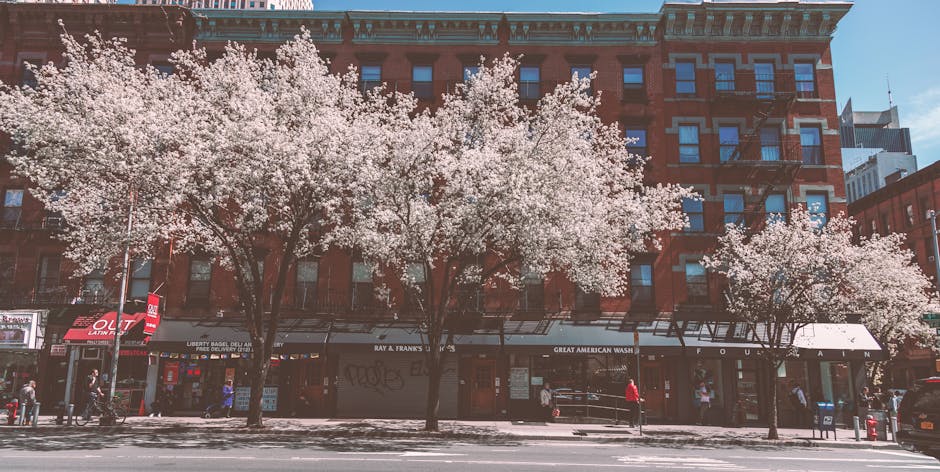
I think most people who live in New York have had this thought at some point. You clean the apartment on a Saturday, it looks great, and by Tuesday you’re looking at a layer of dust on the bookshelf wondering if you actually did anything at all. It’s frustrating in a specific way because it makes you feel like you’re doing something wrong. Like if you were better at cleaning, or more consistent, or used the right products, it would stay clean longer.
I’d argue that’s not really what’s happening. After enough years of walking into apartments across this city, the pattern is pretty much universal. NYC apartments get dirty faster than apartments in most other places, and the reasons are mostly environmental. It’s not a personal failure, it’s just the city working against you.
NYC apartment dust comes from more directions than most people realize
The first thing worth understanding is that dust in a New York apartment isn’t just dead skin and fabric lint. That’s the story in most homes. In NYC, the dust load includes a lot of stuff that comes from outside the apartment entirely.
Construction dust is probably the biggest one that people underestimate. There’s always a building going up, coming down, or getting renovated within a few blocks of you. Concrete dust, drywall particles, and demolition debris travel further than you’d think, especially when your windows are open. Even with windows closed, older buildings have gaps around frames, under doors, and through aged caulking that let fine particles in. If there’s active construction on your block, that gritty film on surfaces near the windows is not your fault.
Soot is the other major outdoor contributor. Diesel exhaust from trucks and buses, building boilers, and vehicle traffic create a fine particulate that settles on every horizontal surface. Lower floors and apartments facing busy streets get hit harder. If you’ve ever wiped a windowsill in a Manhattan apartment and seen a dark gray line on the cloth, that’s soot. It accumulates faster than most people expect, and it has nothing to do with how often you clean.
Older NYC apartments have a dust problem that newer buildings mostly avoid
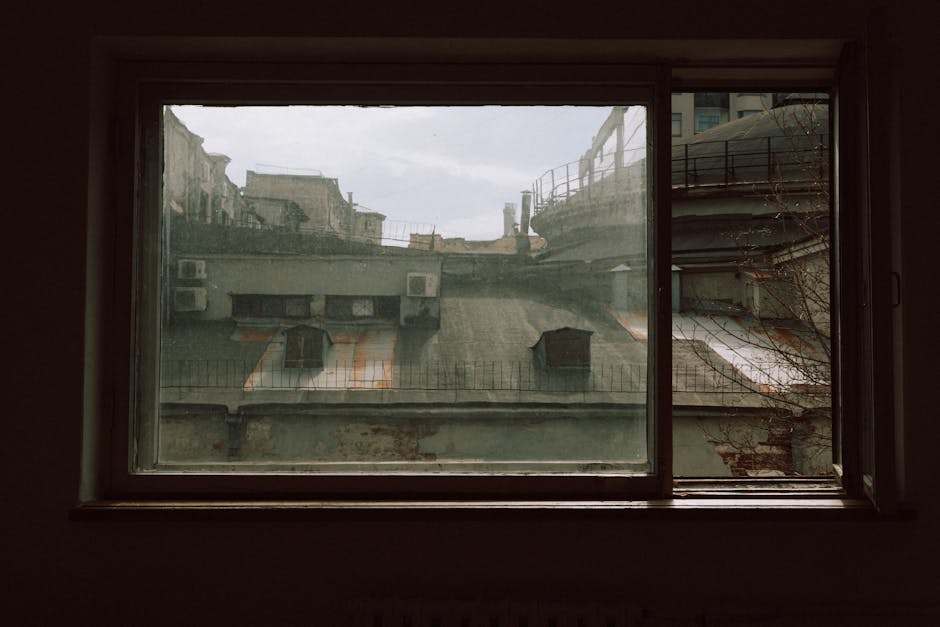
Building age matters a lot here. Most NYC apartments are in buildings that are 50 to 100 years old, sometimes older. Prewar buildings have plaster walls that slowly shed fine particles over time, especially if there are micro-cracks from settling. Old radiators are basically dust factories. The convection cycle that heats the apartment also circulates dust through the fins, bakes it on, and pushes it back into the room. If you’ve ever noticed that the wall behind a radiator gets darker over the heating season, that’s carbon residue from the dust being heated and redistributed. Every time the heat kicks on, you’re getting a fresh dose.
Between the gapped hardwood floors, the drafty window frames, and the old pipes running through walls, a prewar building is basically a porous structure. Dust moves through it freely, from outside, from other units, from common areas. That’s a big part of why regular house cleaning in NYC tends to be more about frequency than intensity.
This doesn’t mean newer apartments are immune. New construction generates its own dust for the first year or two as materials off-gas and settle. But the ongoing dust load in a prewar building is meaningfully higher, and that’s a big part of why some apartments seem to accumulate dust overnight.
NYC apartments get dirty faster because the space is so small
Here’s the other part that I think gets overlooked. Most NYC apartments are small. The average one-bedroom is around 750 square feet, often less. In a normal-sized house, the dirt from your shoes, the crumbs from the kitchen, and the dust from the bedroom are distributed across a larger area. In a 600-square-foot apartment, all of that concentrates in a tight space you’re constantly moving through.
You walk from the front door through the living area to the kitchen multiple times a day. The path between the bedroom and bathroom gets traffic morning and night. There’s no room that goes untouched for long, and every surface accumulates something. The cleaning cycle is compressed because the space is compressed. In a house, you can clean the guest bedroom and have it stay clean for weeks. In a New York apartment, every room is the main room.
Foot traffic specifically brings in a lot. Even if you take your shoes off at the door, you’re still tracking in particles from the hallway, the elevator, and the building lobby. If you don’t take your shoes off, you’re bringing in whatever was on the sidewalk, which in this city is a meaningful amount of grit and debris.
Opening your windows helps your apartment but makes the dust worse
This one is interesting because it’s a genuine dilemma. Keep your windows closed and you avoid the construction dust, pollen, soot, and street noise, but you get stale air, concentrated indoor dust, and a stuffy apartment in the warmer months. Open them and you get fresh air, which genuinely feels better, but you’re inviting in every airborne particle the city has to offer. Pollen season runs from roughly March through June and again in late summer, and if your windows are open you’re going to notice a layer of fine yellowish dust on surfaces near them.
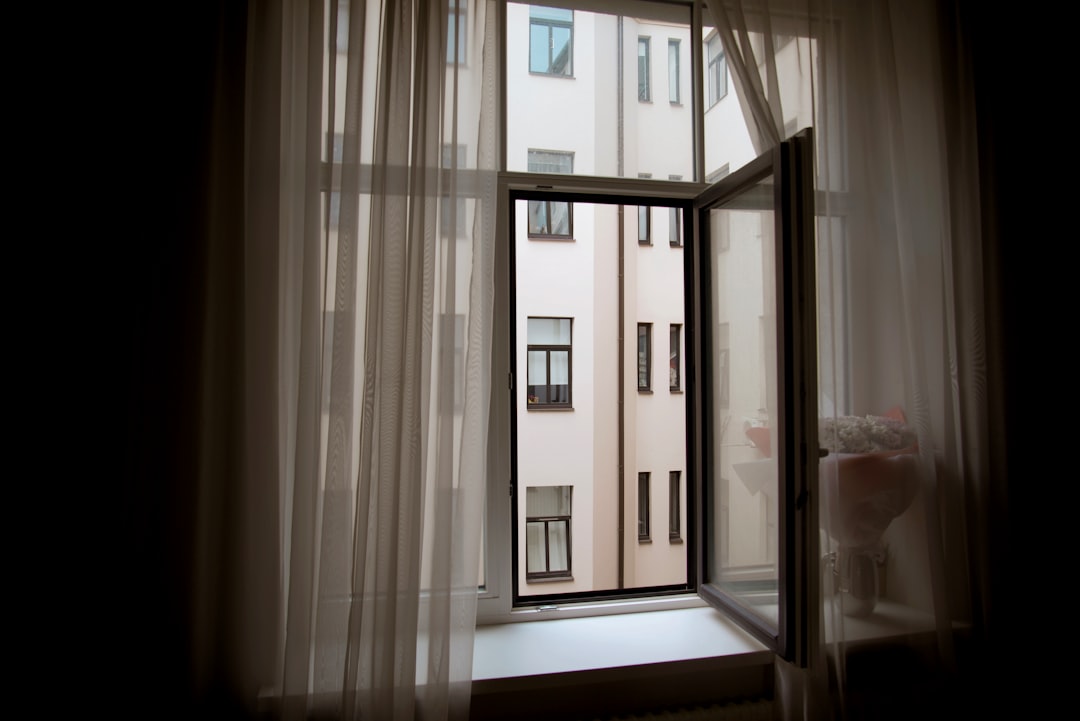
There’s no clean answer here. You kind of have to pick your problem. Most people go with open windows because the fresh air trade-off is worth it, and then deal with the dust. But it does mean the apartment gets dirty faster, and that’s a real factor that has nothing to do with how often you’re wiping things down.
Apartment cleaning frequency in NYC probably needs to be higher than you think
I think a lot of people are measuring themselves against a cleaning schedule that was designed for a different kind of living situation. The once-a-week clean that keeps a suburban house looking good might not hold up in a NYC apartment dealing with construction dust, soot, pollen, radiator circulation, and compressed foot traffic. It’s not that you need to clean harder. You might just need to clean more often, or accept that a certain level of ambient dust is the baseline in this city and not a reflection of your habits.
The things that make the biggest difference, from what I’ve seen, are pretty simple. A good doormat and a shoes-off policy reduce the foot traffic contribution. Wiping window-adjacent surfaces more often catches outdoor dust before it spreads. A quality air purifier helps with the ambient particulate. And if you want a thorough reset, a deep cleaning that gets behind radiators, into grout lines, and under furniture brings the baseline way down so your regular maintenance goes further.
But honestly, the most useful shift is just the reframe. Your apartment gets dirty fast because it’s a NYC apartment. The city is loud, dense, under constant construction, full of vehicle exhaust, and surrounded by trees that produce pollen for half the year. Your apartment is porous to all of it, and having to clean more often is just a sign that you live somewhere that generates more dust per square foot than almost anywhere else in the country.
If you want help staying ahead of it, a regular apartment cleaning on a schedule that matches the pace of NYC makes more of a difference than people expect, and you can book here if that’s useful. But whether you hire someone or handle it yourself, the most useful shift is just knowing that the city is the variable, not you.
Common Questions
- How often should I clean my NYC apartment to keep up with the dust?
- Most NYC apartments need a solid cleaning every one to two weeks to stay ahead of the baseline dust load. If you're in a prewar building, near active construction, or on a lower floor facing a busy street, you'll probably lean toward weekly. A biweekly apartment cleaning works well for newer buildings or higher floors with less street-level exposure.
- Does an air purifier actually help with NYC apartment dust?
- Yes, noticeably. A HEPA air purifier catches the fine particulate (soot, construction dust, pollen) that settles on surfaces between cleanings. It won't eliminate dust entirely because a lot of what accumulates comes from foot traffic and fabric, but it reduces the airborne stuff that makes NYC apartments feel like they get dirty overnight. Put it in the room where you notice the most buildup, usually near windows.
- Why is there always black dust on my NYC windowsill?
- That dark residue is mostly soot from diesel exhaust, building boiler emissions, and general vehicle traffic. It's worse on lower floors and on windows facing busy streets. Wiping windowsills with a damp cloth once or twice a week helps, but it's going to come back. That's the nature of living in a city with this much combustion happening outside your window. A scheduled deep cleaning that covers windowsills, radiators, and baseboards resets the buildup so your regular maintenance goes further.
- Is it worth getting a deep cleaning if my apartment just gets dirty again?
- It is, and the reason is that a deep clean lowers the baseline. Your apartment accumulates dust from a lot of sources at once, and over time those layers compound in places you don't regularly reach — behind radiators, inside window tracks, under furniture. A deep cleaning clears all of that out, which means your weekly or biweekly maintenance is actually effective instead of just pushing around months of buildup.