
The entire neighborhood of Williamsbridge exists because one farmer built a bridge. That is the kind of origin story most places would kill for. John Williams owned land on the east bank of the Bronx River near what is now Gun Hill Road in the 18th century, and he put up a crossing that became the only reliable way to travel north through this part of Westchester County. The community that gathered around that bridge took his name, and 250 years later the name remains even though no trace of the bridge survives, no portrait of Williams exists, and his biography is essentially a blank page. The neighborhood outlasted its founder in every way that matters.
What Williams could not have known is that the flat terrain east of his bridge would eventually hold 120 million gallons of New York City drinking water, then lose it, then become one of the most beloved parks in the Bronx. That is the story of Williamsbridge in miniature. Infrastructure arrives, gets used up, and gets repurposed into something the community needs more. The houses followed the same pattern. Italian and Jewish families built them in the 1920s and 1930s. Caribbean families bought them in the 1970s and 1980s and turned them into multigenerational wealth. The brick stayed. The life inside it changed completely.
A reservoir that became a neighborhood park and never stopped holding the community together
The Williamsbridge Reservoir opened in 1889 after the City of New York acquired the land northeast of Bainbridge Avenue and East 207th Street in May 1887. The numbers tell you this was not a decorative pond. The basin measured 925 feet long by 525 feet wide with a 46-foot embankment, and it held 120 million gallons of water piped in from the Kensico Reservoir in Westchester through a 48-inch cast-iron pipeline stretching over 15 miles. The western Bronx drew its drinking water from this site for three decades.
By 1919 the city no longer needed it. Residents turned the empty basin into an improvised swimming hole through the 1920s, which is the kind of thing New Yorkers have always done with abandoned infrastructure. In 1934 the land transferred to the Parks Department and the federal Works Progress Administration funded a $1.5 million conversion that would produce one of the great WPA-era parks in the city.
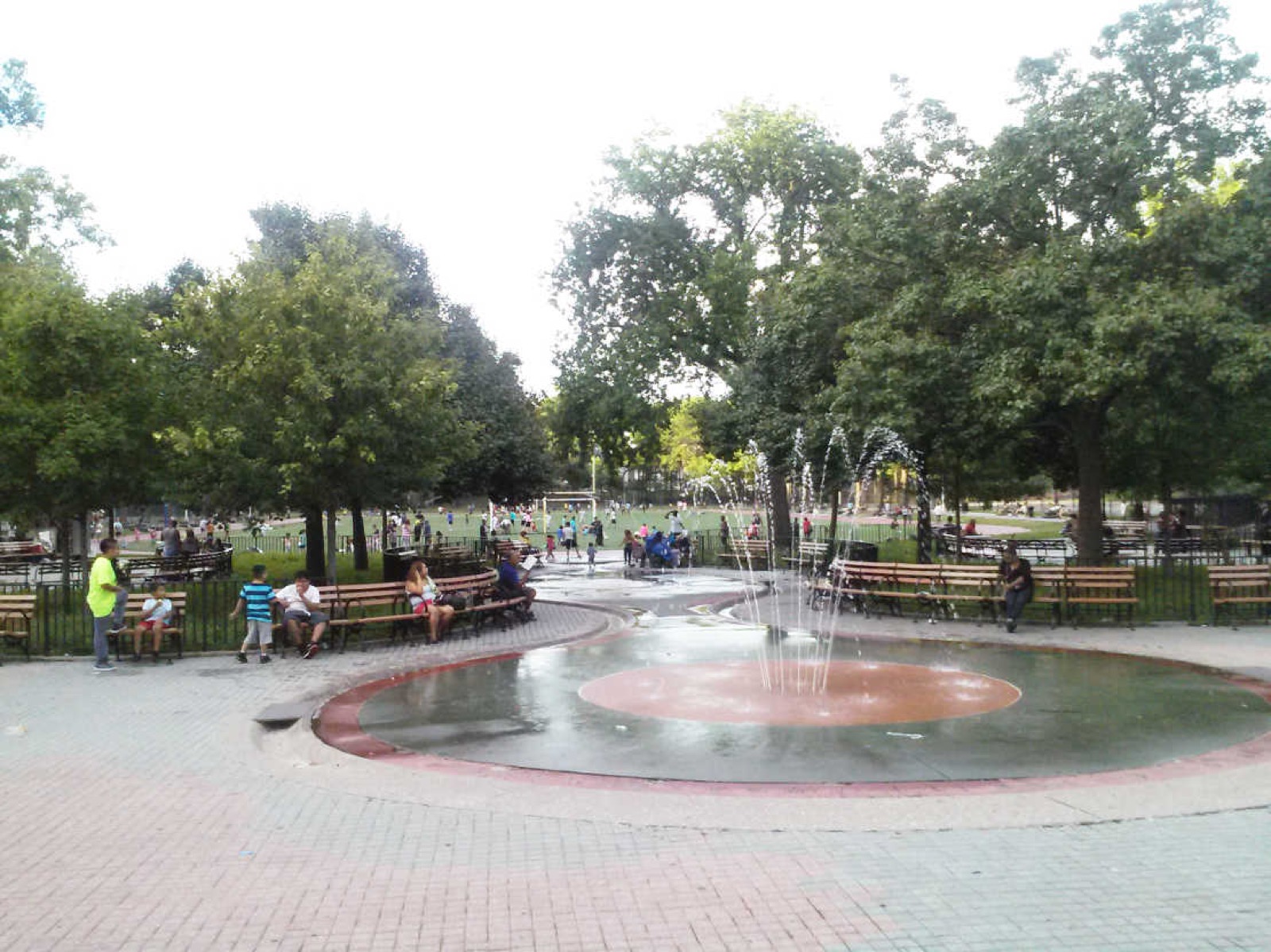
The workers who built Williamsbridge Oval between 1934 and 1937 did something remarkable with materials. They quarried granite from the reservoir’s own embankment walls and used it to construct the fieldhouse and recreation center that still anchors the park today. The building is literally made from the infrastructure it replaced. Architect Aymar Embury II, who served as the Parks Department’s consulting architect under Robert Moses, designed the recreation center in WPA Classic Moderne style. The same architect gave the city the Central Park Zoo and the Prospect Park Zoo. Parks Commissioner Robert Moses opened the Oval on September 11, 1937, a date that carried only celebration for nearly 64 years.
The park is listed on the National Register of Historic Places as of May 24, 2015. It still has the running track that follows the exact outline of the old reservoir basin, football and soccer fields inside the oval, 16 tennis courts, basketball courts, bocce courts, playgrounds, a wading pool, and the original stone fieldhouse. People run laps today on ground that was, within the memory of the park’s first visitors, under 40 feet of water.
Gun Hill Road earned its name from a cannon shot that changed a war
Every Williamsbridge resident who gives their address as somewhere off Gun Hill Road is citing a Revolutionary War story whether they know it or not. In January 1777, American colonists dragged a cannon to the top of a hill in what is now Woodlawn Cemetery and opened fire on British troops passing below. The improvised artillery position worked. The hill became known as Gun Hill, and in 1875 the road that ran past it was renamed from Kingsbridge Road to Gun Hill Road in honor of what those colonists pulled off with one cannon and the element of surprise.
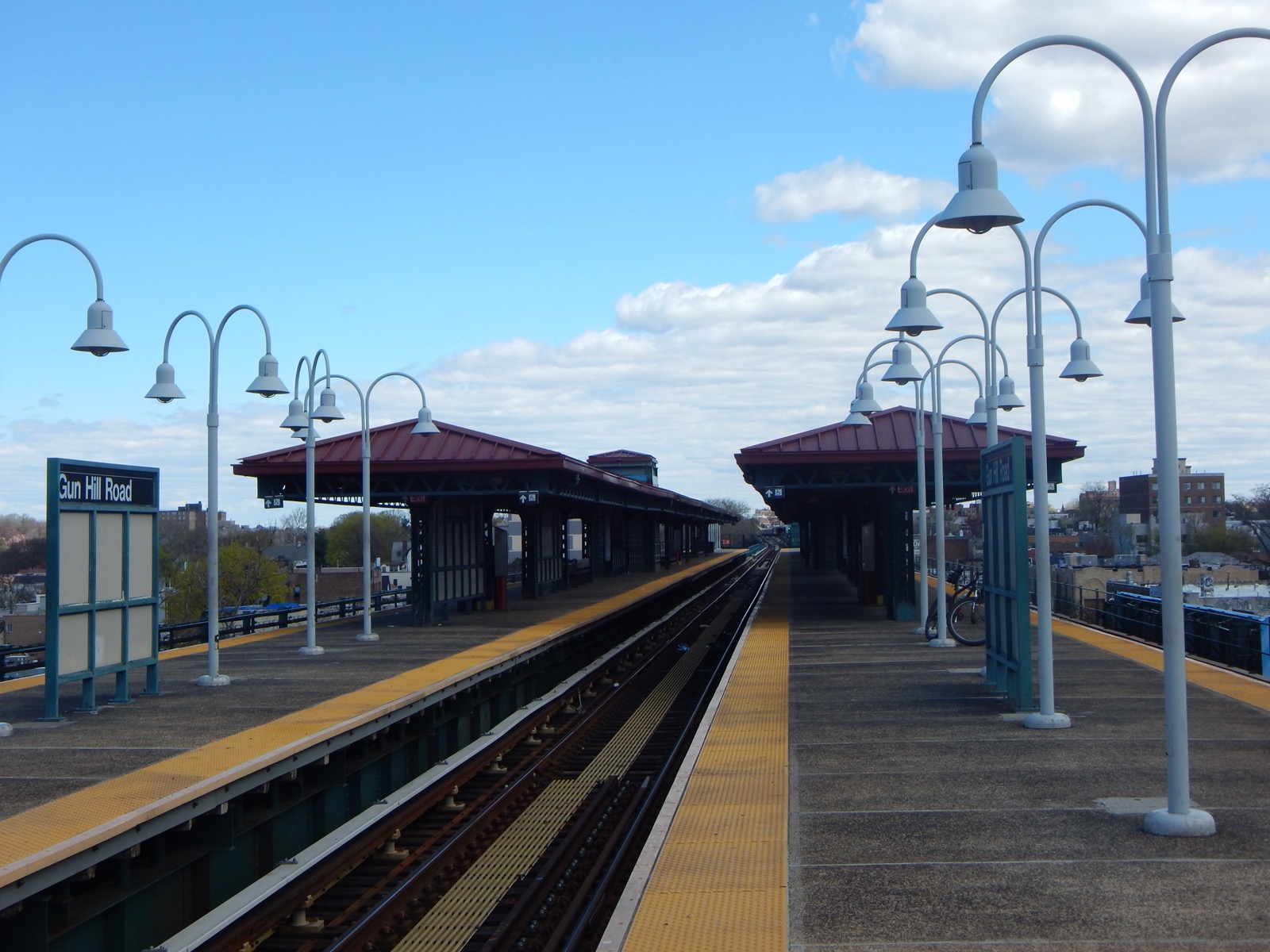
Today Gun Hill Road is the neighborhood’s southern boundary and one of the major east-west arteries of the northeast Bronx. It is densely commercial, connecting the 2 and 5 subway lines at White Plains Road to the 4 train at Jerome Avenue to the west. The intersection of Gun Hill Road and White Plains Road functions as the closest thing Williamsbridge has to a town center, the place where the subway, the bus routes, and the commercial energy all converge. The entrance to the Williamsbridge Oval park area sits just north of here.
The elevated train that built a neighborhood and still defines its streetscape
The IRT White Plains Road Line opened on March 3, 1917, running elevated tracks along White Plains Road through the heart of what was then a modest commuter settlement. That subway line transformed Williamsbridge from a quiet area of cottages and farms into a dense urban neighborhood within a single generation. Between 1905 and 1930, Italian, Jewish, and Irish families poured in and built the stock of brick apartment buildings, rowhouses, and two-family homes that still define the streetscape a century later.
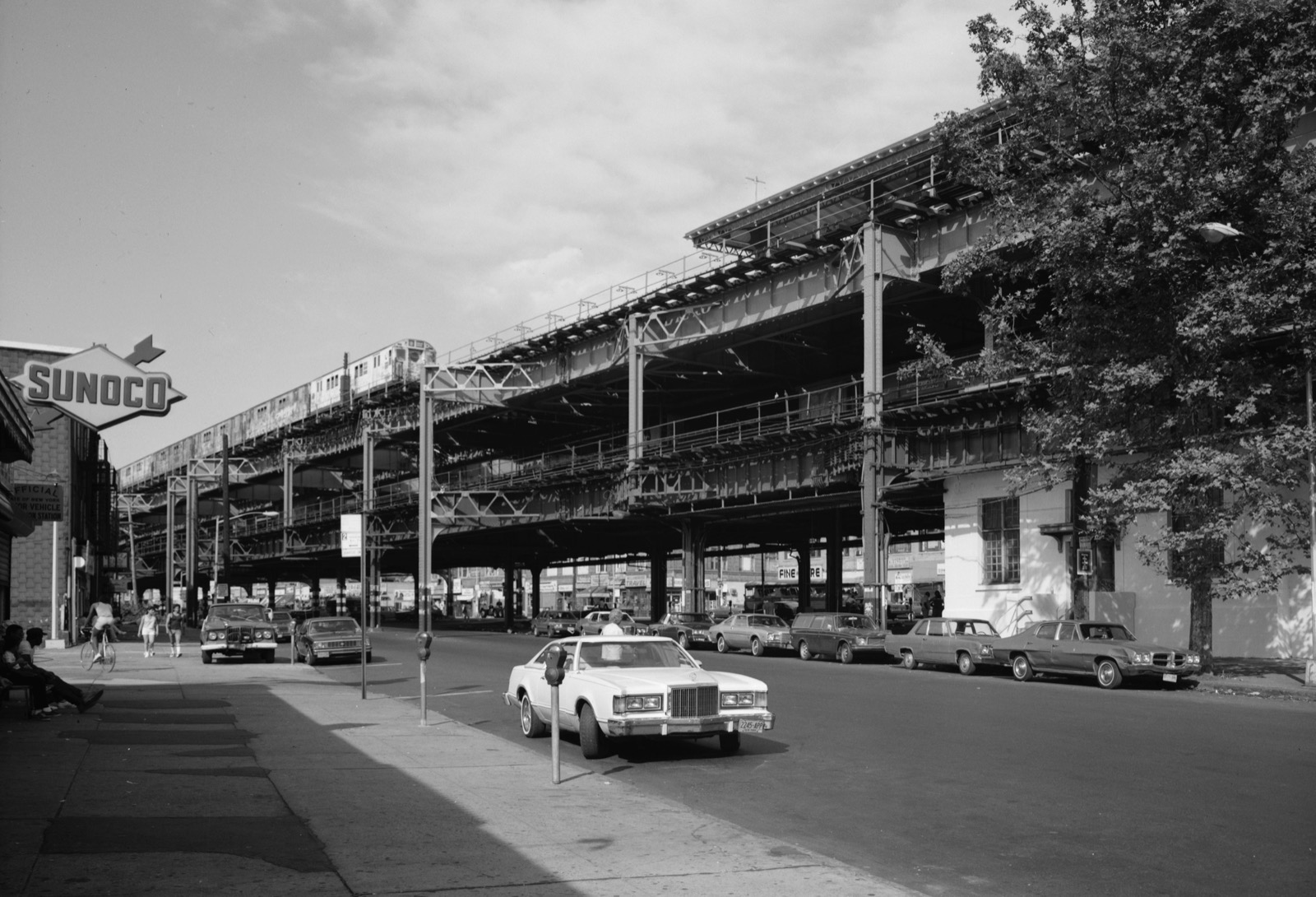
The elevated structure does more than move people. It creates a distinctive covered space at street level that functions as shade in summer, shelter from rain, and an informal urban arcade. The quality of light below the el is unlike anything at ground level elsewhere. Steel columns rise from the sidewalk. Intermittent shadows stripe the street every time a train passes overhead. The whole corridor vibrates gently with the rhythm of the 2 and 5 trains running their schedule.
Walk White Plains Road on a Saturday morning and you are in a distinctly Caribbean urban world. The el thunders overhead every few minutes. Caribbean bakeries sell beef patties and coco bread through service windows. A Nigerian grocery store has yams stacked in the doorway. Two women at a bus stop are speaking a mix of Jamaican patois and Bronx English that sounds like nowhere else on earth.
How Caribbean families turned brick rowhouses into multigenerational wealth
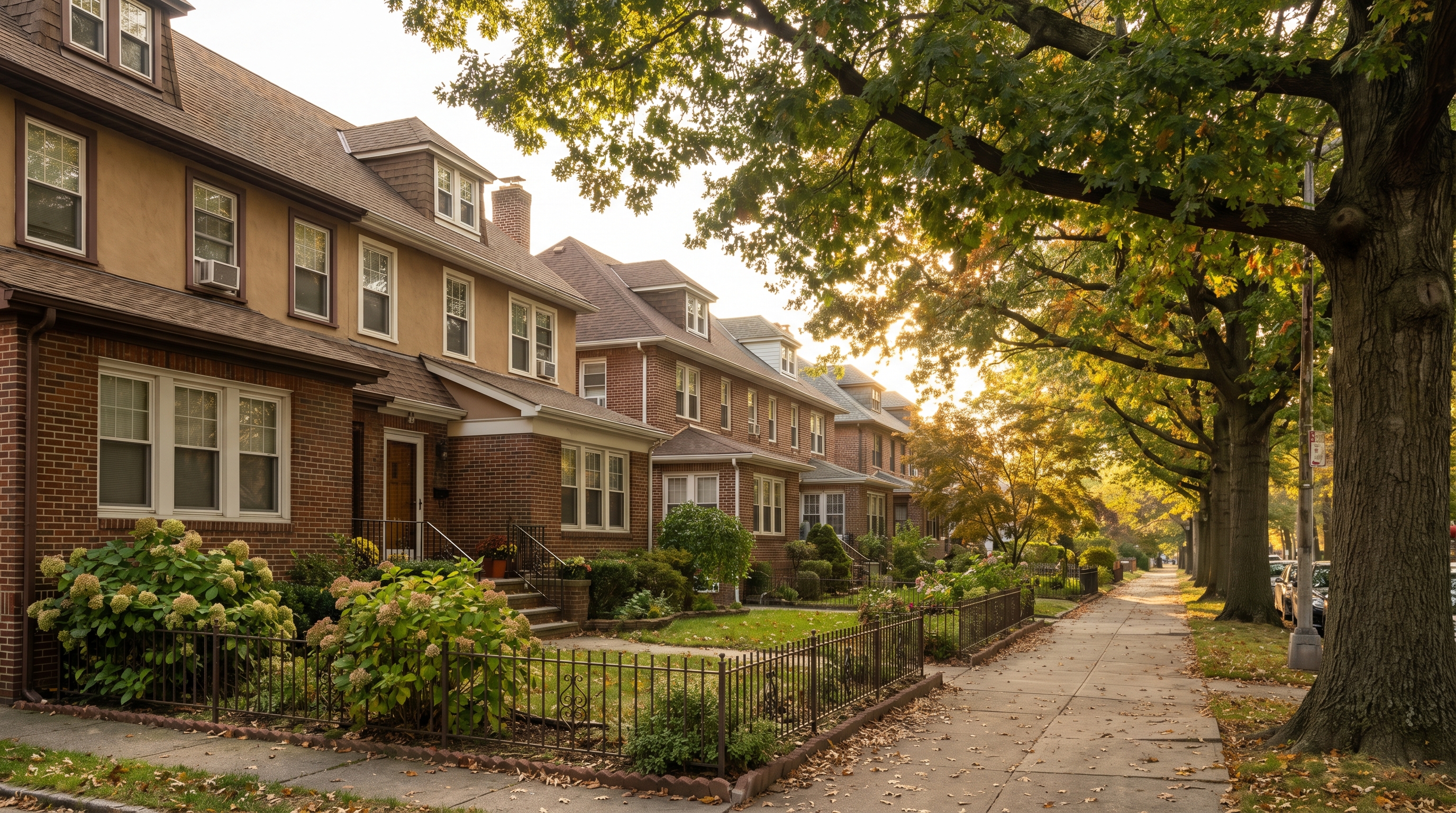
The dominant building type in Williamsbridge is the semi-detached two-family brick rowhouse, built primarily between 1910 and 1945. These two- and three-story homes are typically owner-occupied, with the upper or lower unit rented to a family member or tenant. They line most of the interior residential streets east and west of White Plains Road, and their solid prewar brick construction has held up remarkably well over a century of use.
Unlike the South Bronx, Williamsbridge did not experience the catastrophic arson and abandonment of the 1970s. Its distance from the worst-hit areas preserved much of its housing stock intact. When Caribbean immigrants arrived in significant numbers starting in the 1980s, drawn by relatively affordable prices, transit access, and the existing Caribbean network in nearby Wakefield, they found solid brick homes that could be purchased as combined residences and investment properties. A family buys the two-family house, lives on one floor, rents the other, and builds equity while generating income. Forty years later, some of those original purchases are still occupied by the same extended family, now on their second or third generation in the same building.
That kind of stability is rare anywhere in New York City. It means that the homes have accumulated decades of family life in ways that regular weekly cleaning does not fully address. The parlor floor might have original hardwood from the 1920s. The kitchen might have ceramic tile installed in the 1990s. The basement might have vinyl sheet flooring or poured concrete. Each level tells the story of a different decade of renovation, and each surface requires a different cleaning approach.
Our teams work the northeast Bronx regularly and understand what a 1930s brick semi-detached on a side street off White Plains Road actually needs. A cleaning service that brings one mop and one bottle of all-purpose cleaner is going to leave streaks on the hardwood, skip the grout, and build up residue on the vinyl. We carry products for each surface type and switch as we go between floors. These houses were built solidly, and the materials in them deserve the right treatment. If you are preparing a unit for a new tenant, resetting a home that has not had a full cleaning in years, or just maintaining what your family has built over decades, a deep cleaning addresses all of it floor by floor.
The walk-ups along White Plains Road sit in the shadow of the el and collect what the trains leave behind
The prewar walk-up apartment buildings concentrated near White Plains Road and Gun Hill Road sit directly under the elevated subway tracks. The el creates that distinctive visual corridor overhead, but it also deposits a fine layer of metallic dust and brake particulate on window sills, ledges, and any surface near a window facing the street. Residents who live in these buildings know the film. It reappears within days of cleaning. Standard dusting pushes it around without actually removing it.
Our teams use damp microfiber on the sills and ledges closest to the el, which picks up the particulate instead of redistributing it. If you are in a walk-up apartment near the commercial corridor, this is the difference between a cleaning that lasts three days and one that lasts a week. The same approach works for the cast-iron radiators common in these prewar buildings. The dust builds up between the fins all summer, and when the steam heat kicks on in October it burns off and fills the apartment with the smell of scorched lint. We pull that dust out with narrow brushes and vacuum attachments rather than just wiping the top.
Marcus Garvey Square and the neighborhood that named a plaza for a revolutionary
In 2024, the park at East 219th Street and Bronx Boulevard was officially renamed Marcus Garvey Square by local law. The renaming honored the Jamaican-born Pan-African leader who founded the Universal Negro Improvement Association in Harlem in 1918 and whose philosophy of Black economic self-determination resonates directly with the homeowning, community-building ethos of the Caribbean families who shaped Williamsbridge over the past four decades.
The site also holds the Seventh Draft District World War I Monument, honoring the men of the neighborhood who served in the Great War. Annual Memorial Day services have been held at the monument continuously since 2009. In a borough often discussed in terms of what it has lost, that unbroken streak of civic memorial is a quiet demonstration of the kind of community continuity that defines Williamsbridge.
The 2024 renaming is part of a broader pattern. This is not a neighborhood in transition away from its identity but one actively deepening it, claiming public space in ways that announce exactly who lives here and what they value. Vanessa L. Gibson, the current Bronx Borough President, grew up in Williamsbridge. The neighborhood produces civic leaders the same way it produces homeowners: steadily, across generations.
The church infrastructure that holds everything together
The density and diversity of churches in Williamsbridge is extraordinary. Every block seems to have at least one house of worship, ranging from large Baptist churches and AME congregations to Seventh-day Adventist facilities, Pentecostal storefront churches, and Catholic parishes. The Bronx has one of the highest Adventist populations in New York City, and a disproportionate share of them live in Williamsbridge and Wakefield.
These congregations are not only religious institutions. They operate food pantries, after-school programs, senior services, and community health initiatives. They are the primary civic infrastructure. The church-and-community potluck culture means that some of the best food in the neighborhood exists inside fellowship halls rather than on commercial strips. The neighborhood’s food culture peaks around Labor Day and around Emancipation Day in early August, when family barbecues and outdoor gatherings bring everyone outside. Those are also among our busiest booking weeks in the northeast Bronx, because people want their homes clean before the guests arrive and reset after everyone leaves.
What the food scene tells you about a neighborhood that knows exactly what it is
Williamsbridge is not a neighborhood of destination restaurants or curated tasting menus. It is a neighborhood where the everyday food is exceptionally good if you know what you are looking for. Jamaican cuisine dominates the commercial strip: oxtail, curry goat, jerk chicken, brown stew chicken, escovitch fish, and rice and peas cooked in coconut milk. Trinidadian roti and doubles, Barbadian cou-cou and flying fish, and Guyanese curry all sit alongside the Jamaican standards. On White Plains Road the question is not whether Caribbean food is available but which of the dozen establishments on a given block does it best on a given day.
Gold Star Jamaican Restaurant has been one of the neighborhood’s anchor spots for years, known for oxtail cooked low and slow until it falls apart. West Indian bakeries sell coco bread, hard dough bread, and beef patties where the pastry is flaky and warm in a way that packaged versions sold elsewhere never achieve. Indian restaurants reflect the South Asian heritage within the Trinidadian and Guyanese communities. Nigerian and Ghanaian grocery stores on White Plains Road and Boston Road add depth that keeps expanding.
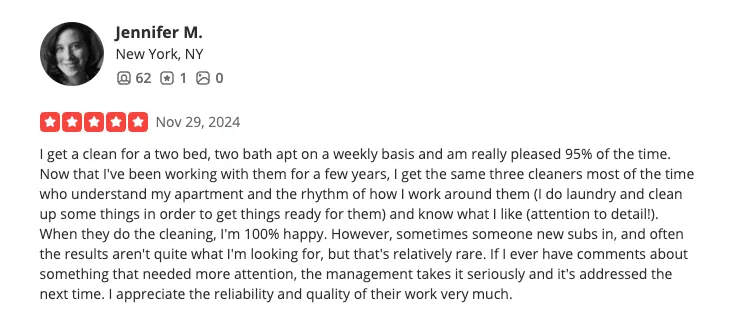
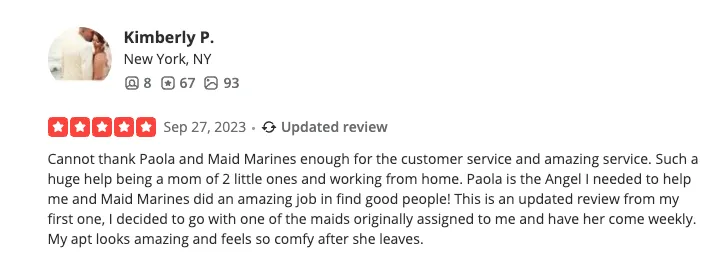
Your Saturday belongs at one of these places, not scrubbing grout in your bathroom. That is the entire point of a recurring house cleaning schedule. The same team comes each visit, learns your home, and you get your weekend back for the things that actually make living in Williamsbridge worth it.
Booking a cleaning here works the same way everything else in Williamsbridge works: straightforward and no nonsense
You pick your date and time on our booking page. You see a flat-rate price before you commit. If you have a two-family layout and want both units done, tell us when you book and we will price it correctly for the total bedrooms and bathrooms across all floors. Our cleaners are W-2 employees, vetted and insured, and they arrive with everything they need.
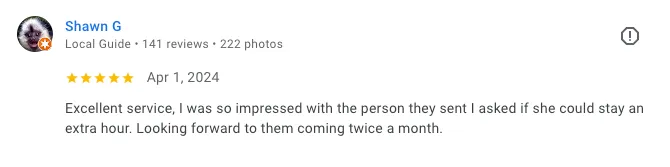
If you need a move-in or move-out cleaning for a tenant transition, we handle those regularly in Williamsbridge and the surrounding northeast Bronx. If you want recurring cleaning on a weekly or biweekly schedule, the same team comes each time so they learn which floors have hardwood and which have tile, where the radiators collect the most dust, and how your particular 1930s layout works. We also serve nearby Wakefield, Baychester, and the rest of the Bronx.