
Lincoln Square is a neighborhood that exists because Robert Moses bulldozed another one. Between 1955 and 1966, roughly 17,000 residents of San Juan Hill, a thriving African American and Puerto Rican community in the West 60s, were displaced to build Lincoln Center for the Performing Arts. What replaced their homes is now the highest concentration of classical performing arts in any single complex on earth. The Metropolitan Opera, the New York Philharmonic, the New York City Ballet, the Juilliard School, Alice Tully Hall, and the Film Society of Lincoln Center all sit within five blocks of each other on a 16-acre travertine campus that draws 5 million visitors a year. The residential neighborhood that grew up around this campus inherited its cultural gravity, and that gravity shapes everything about life here, including what the apartments look like, who lives in them, and what it takes to clean them properly.
The neighborhood runs roughly from Columbus Circle at West 59th Street north to West 72nd Street, between Central Park and the Hudson. It shares borders and zip codes with the broader Upper West Side, but the two neighborhoods are not the same thing. The UWS stretches 50 blocks and contains brownstone rows, the Museum of Natural History, and Zabar’s. Lincoln Square is tighter, wealthier, and organized almost entirely around the performing arts campus at its center. The housing here skews toward luxury condominiums and prewar co-ops on Central Park West, not the brownstone blocks that define the UWS further north. The cleaning challenges are different too.
Lincoln Center replaced a neighborhood that produced Thelonious Monk and West Side Story
The history matters because it explains the neighborhood’s character. San Juan Hill was not a slum that needed saving. It was a dense, complicated, culturally productive community. Thelonious Monk grew up there. The neighborhood produced jazz musicians, intellectuals, and activists. When Robert Moses identified the area for urban renewal in the early 1950s, he assembled a consortium led by John D. Rockefeller III to plan the performing arts complex. Eighteen city blocks were demolished. The 1961 film West Side Story was partially shot on San Juan Hill streets that were being torn down during production. The movie immortalized a community that was being erased in real time.
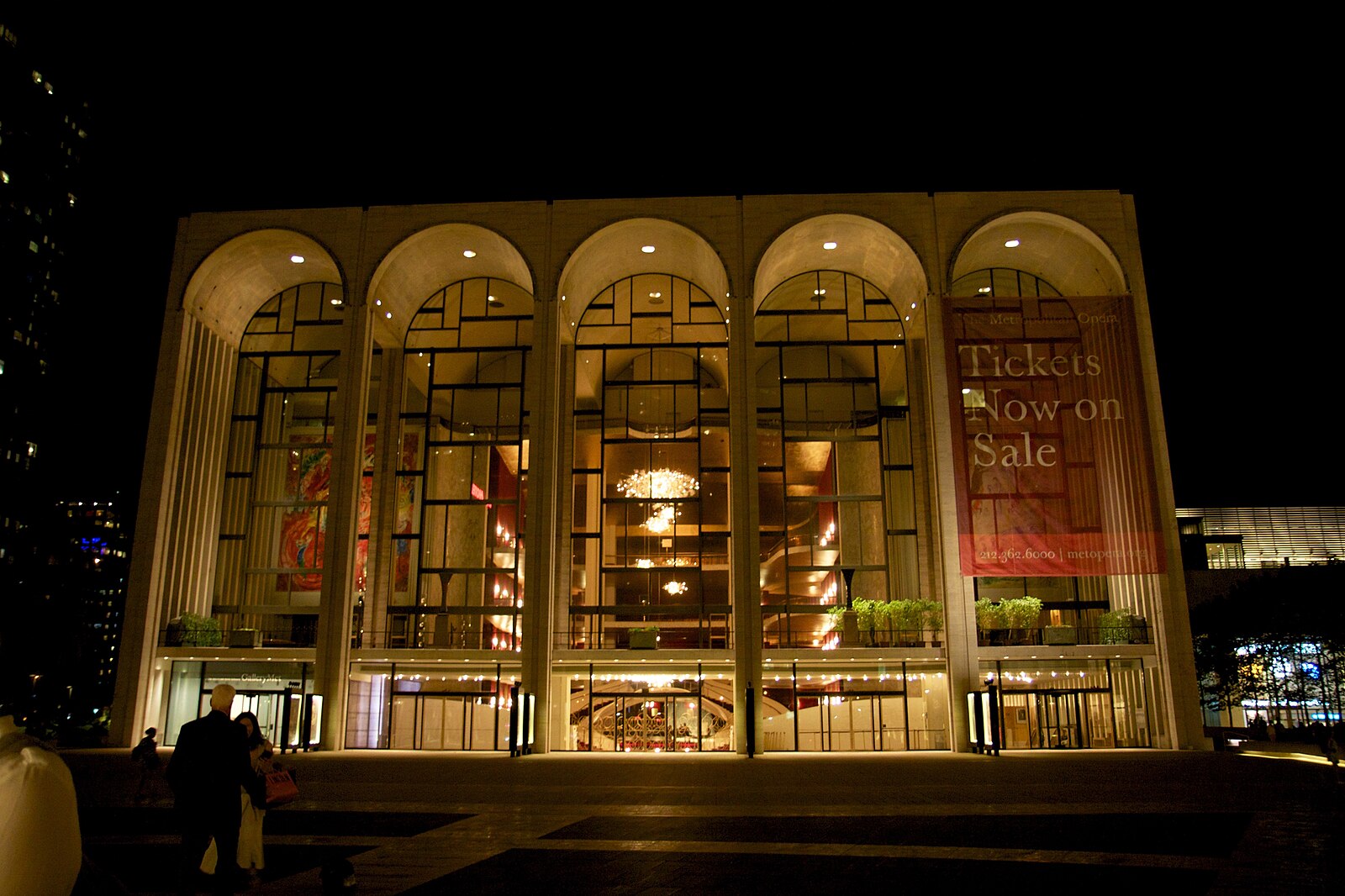
By 1969, the demolition had been replaced by a campus designed by some of the most celebrated architects of the 20th century. Wallace K. Harrison designed the Metropolitan Opera House with its arched lobby windows that reveal Marc Chagall’s two luminous murals at night. Philip Johnson designed the Koch Theater, home of the New York City Ballet. Eero Saarinen designed the Vivian Beaumont Theater. Max Abramovitz designed what is now David Geffen Hall, home of the Philharmonic, which was fully renovated and reopened in 2022. Pietro Belluschi designed both Alice Tully Hall and the Juilliard School building on West 65th Street.
Lincoln Center now acknowledges what it displaced. In 2021, the complex launched a “Legacies of San Juan Hill” initiative, commissioning oral histories and artistic responses to the destruction. Whether that represents meaningful reckoning or institutional guilt management depends on who you ask. What is not debatable is that the campus is now one of the most important cultural destinations in the world, and the neighborhood around it has been shaped by that presence for six decades.
The residential architecture of Lincoln Square ranges from 1930s twin-towered co-ops to 2020s supertall condominiums
Lincoln Square’s housing stock is what makes it a specific cleaning challenge. The eastern edge along Central Park West holds some of the most prestigious prewar co-op buildings in New York. The San Remo at 145-146 Central Park West, designed by Emery Roth and completed in 1930, has twin towers that form the most recognizable residential silhouette on the Manhattan skyline. The Eldorado at 300 Central Park West, another twin-towered Art Deco building from 1931, defines the northern boundary. These are Renaissance Revival and Art Deco cooperatives with large, high-ceilinged apartments sold through stringent board approval processes. Inside, you find herringbone parquet or wide-plank oak floors, original plaster crown molding, kitchens renovated anywhere from zero to four times across a century, and cast-iron radiators connected to steam heat systems.
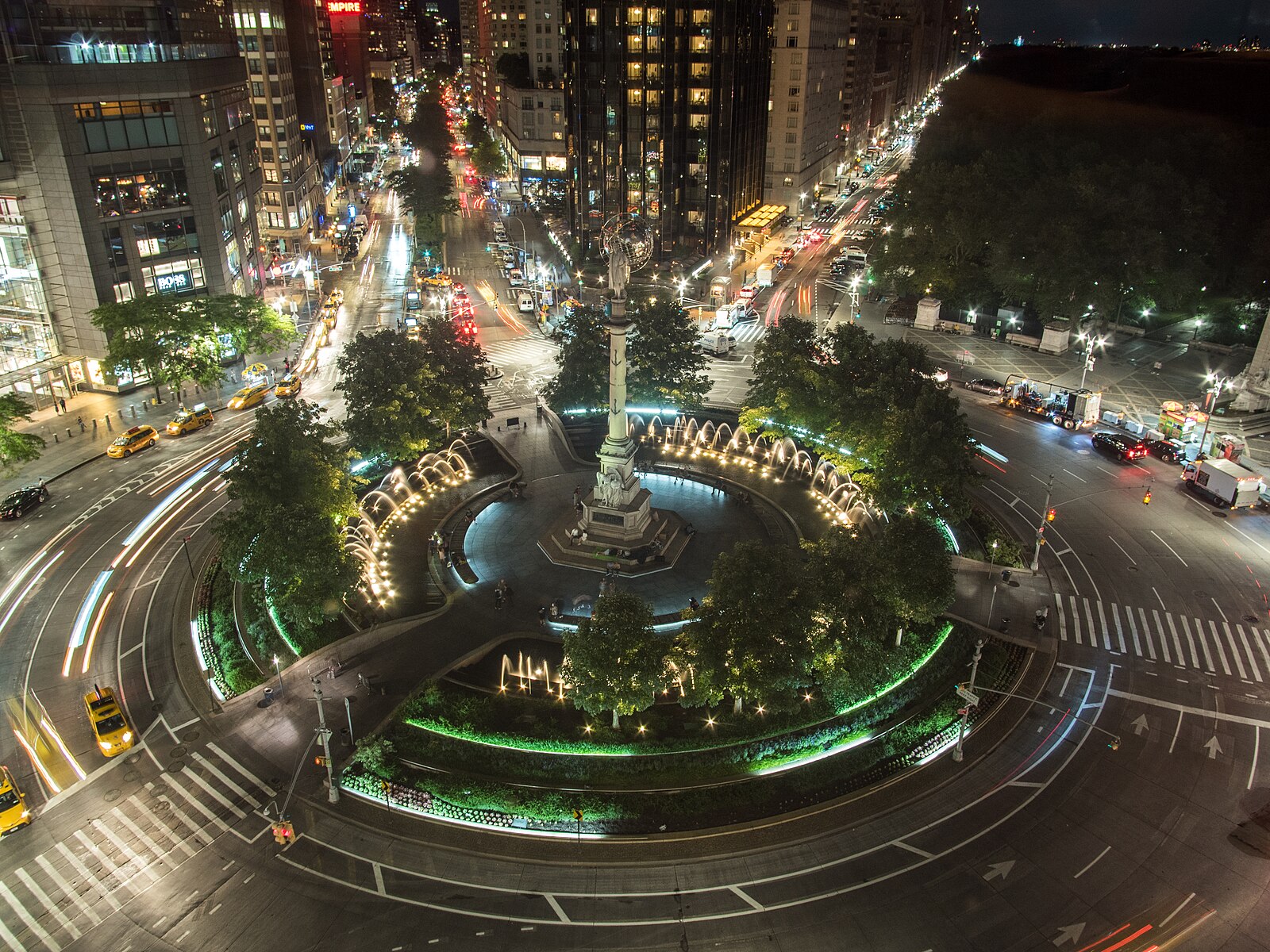
On the modern end, Lincoln Square has absorbed several generations of luxury tower development. The Deutsche Bank Center (formerly Time Warner Center) at Columbus Circle was completed in 2003 by Skidmore, Owings and Merrill. It contains the Mandarin Oriental Hotel, Per Se restaurant, Jazz at Lincoln Center, and luxury condominiums. 15 Central Park West, Robert A.M. Stern’s limestone-clad tower completed in 2008, is frequently described as one of the most expensive residential buildings in world history, with individual units selling for up to $88 million and aggregate sales exceeding $2 billion. 200 Amsterdam, a 52-story tower by Elkus Manfredi completed in 2020, added another wave of ultra-luxury units to the neighborhood.
Between these extremes sit the prewar rental buildings along Amsterdam Avenue and the side streets, the mid-century elevator buildings, and the West End Avenue co-ops. And then there is West 67th Street.
West 67th Street’s double-height artist studios are some of the most unusual apartments in Manhattan
West 67th Street between Central Park West and Columbus Avenue was developed around 1917 and 1918 as an artists’ colony. A row of studio buildings went up with north-facing skylights designed to give painters consistent natural light and double-height ceilings that accommodated large canvases. The most famous is the Hotel des Artistes at 1 West 67th Street, a 17-story building designed by George Mort Pollard. Despite its name, it has never been a hotel. The name was a marketing device to attract the artistic community. Rudolph Valentino, Isadora Duncan, Noel Coward, and Norman Rockwell all lived there. The ground-floor restaurant, now The Leopard at Des Artistes, still has Howard Chandler Christy’s murals on the walls.
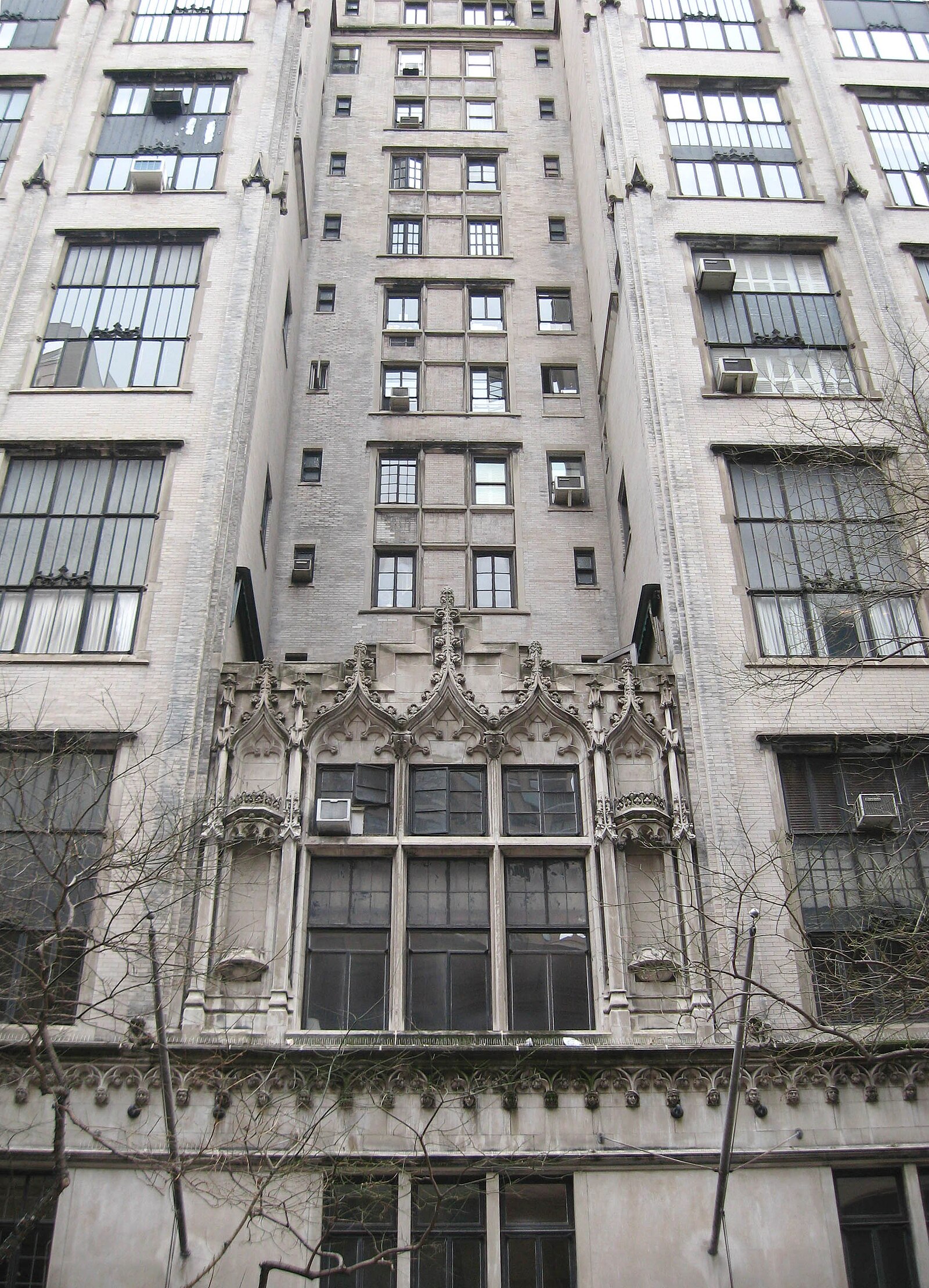
These are not normal apartments. The double-height living spaces run 14 to 16 feet. The skylights admit dust, pollen, and cobwebs at heights that standard cleaning equipment cannot reach. The original studio windows are large single-pane glass that shows every streak. The apartments were designed for people who worked in them, which means they accumulated paint, turpentine, and decades of creative residue before the current generation of wealthy professionals and public figures replaced the artists. Cleaning a West 67th Street studio means extension tools, careful glass work, and an understanding that these interiors are historically significant even when the current resident is a hedge fund manager and not a painter.
Prewar co-ops on Central Park West need cleaners who understand what is irreplaceable
The cleaning challenge in Lincoln Square’s prewar buildings is the same one that exists across the Central Park West corridor, but concentrated. These buildings were constructed in the 1920s and 1930s with materials and craftsmanship that modern construction does not replicate. The herringbone parquet floors have original shellac finishes that will cloud permanently if you use water-based cleaners. The plaster crown molding at ten-foot ceilings is hand-carved and will chip if you scrub it. The cast-iron radiators trap dust between their fins all summer and burn it off in October when the steam heat kicks on, filling the apartment with that scorched-lint smell that every Central Park West resident knows.
We use pH-neutral solutions on the floors, dry microfiber on the plaster work, and extension dusters on the crown molding, the radiator covers, and the vent grilles. Every product is selected for the specific surface. That sounds like basic competence, and it is. But the number of cleaning services that show up with a single all-purpose spray and a mop and use the same approach on a 1930 parquet floor as they would on a 2020 vinyl plank is surprisingly high. The difference between a cleaner who knows the building stock and one who does not shows up most visibly in what they do not damage.
The co-op boards in these buildings take vendor access seriously. Most Central Park West buildings require 48 hours advance notice, a Certificate of Insurance naming the building as additional insured, and service elevator scheduling. Some require signed vendor agreements and a management-office walk-through on the first visit. When you book your cleaning, tell us your building name. We coordinate with the management office directly and handle the paperwork before your first appointment.
Luxury condominiums in Lincoln Square have hotel-level finishes and concierge-level expectations
The luxury condo market in Lincoln Square represents a different kind of cleaning entirely. The finishes in buildings like 15 Central Park West and 200 Amsterdam are engineered for precision. Calacatta marble countertops that etch if exposed to acid. Wide-plank European oak floors with matte finishes that show footprints. Custom millwork that fingerprints easily. Floor-to-ceiling glass with views of Central Park that make every smudge and streak visible in afternoon light.
These apartments were designed with the assumption that the people who live in them have staff or use professional services for maintenance. The expectation is not just clean. It is immaculate. Every glass surface streak-free. Every stone surface treated with the right product. Every piece of custom hardware wiped without leaving residue. That level of care is standard for us, but it requires the right products and the right attention. We do not use abrasive pads on engineered stone. We use microfiber and pH-neutral cleaners on matte-finish hardwood. The interior glass is a separately priced add-on, and when it is on the booking we squeegee it rather than spray-and-wipe with paper towels.
The building logistics are also particular. Service elevator scheduling, advance registration, sometimes package room coordination for supply delivery. Our dispatch team handles all of it. You book once, we manage the building relationship going forward.
The performing arts calendar shapes how Lincoln Square residents schedule their cleaning
Lincoln Square is one of the few neighborhoods in New York where the cleaning schedule revolves around something other than work hours. The Met Opera runs performances most evenings from late September through May. The New York City Ballet runs its Nutcracker season from late November through early January, with performances nearly every night. The Philharmonic plays regular evening concerts at Geffen Hall. The chamber music series, the film screenings, the Juilliard student recitals. On any given weeknight during the season, 10,000 people flow in and out of Lincoln Center’s venues.
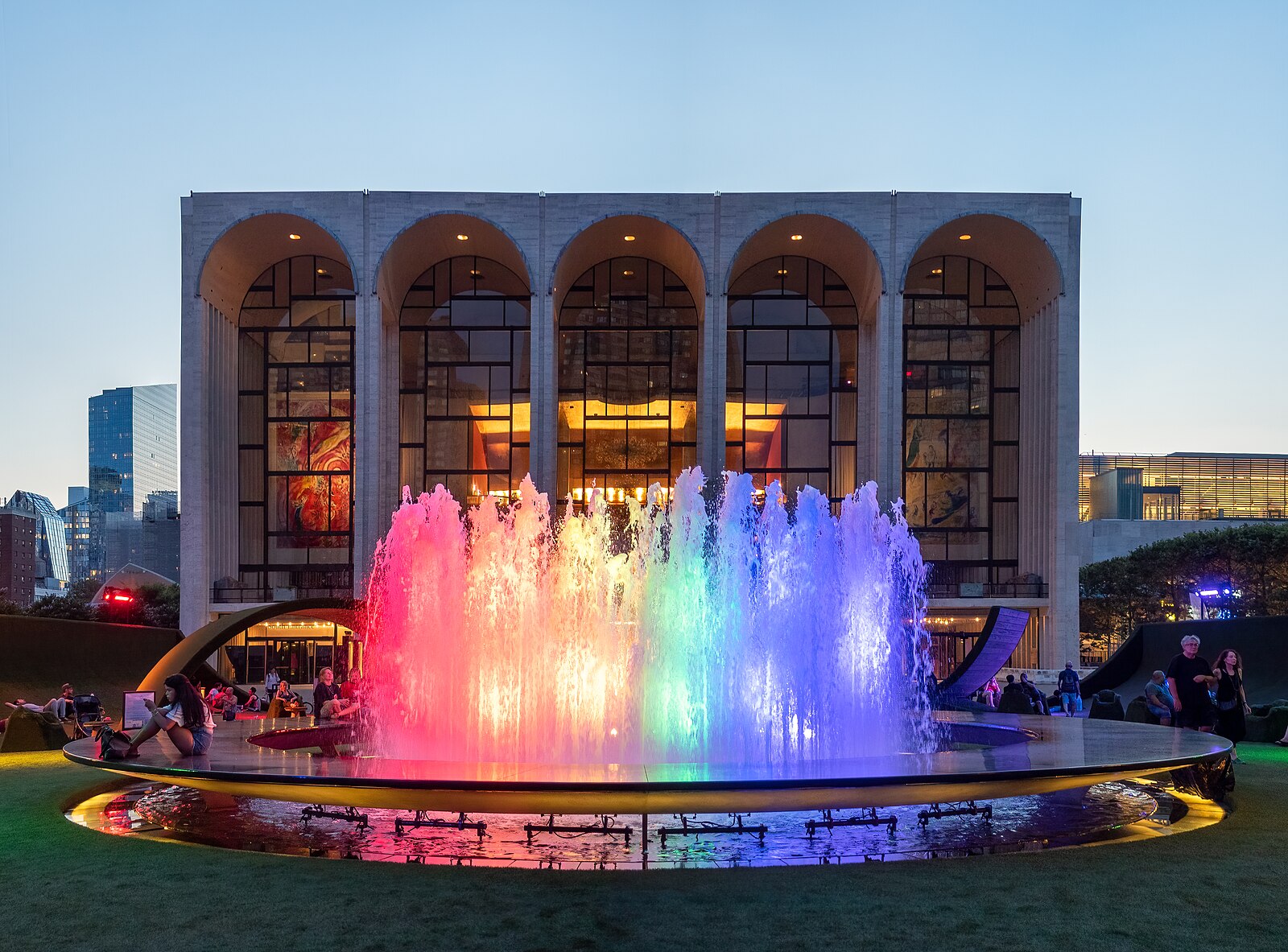
For residents, this means evenings are spoken for. The most common scheduling pattern we see from Lincoln Square clients is a daytime recurring appointment. The apartment gets cleaned while the resident is at work, and it is done by the time they get home, change, and walk across the plaza to the Met or the Koch Theater. Some clients time their deep clean to the week before they start hosting pre-performance dinners in the fall. Others book around the Nutcracker season when out-of-town guests arrive and the guest bedroom needs to be ready.
We offer flexible scheduling with consistent weekly or biweekly time slots. You choose when on our booking page. The same team comes at the same time, knows your apartment, and works around whatever cultural calendar you are following.
What booking looks like for Lincoln Square residents
You pick your date and time on our booking page. You see your flat-rate price before you commit. If your building has specific access requirements, a COI process, or service elevator rules, you tell us once and we handle it permanently. If your prewar apartment has surfaces that need careful handling, we note it on your account after the first visit and follow the same protocol every time.
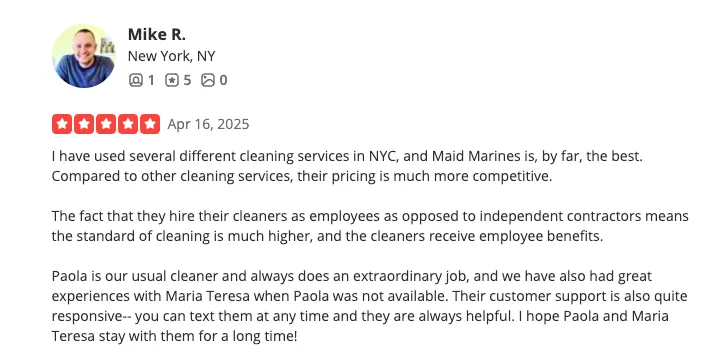
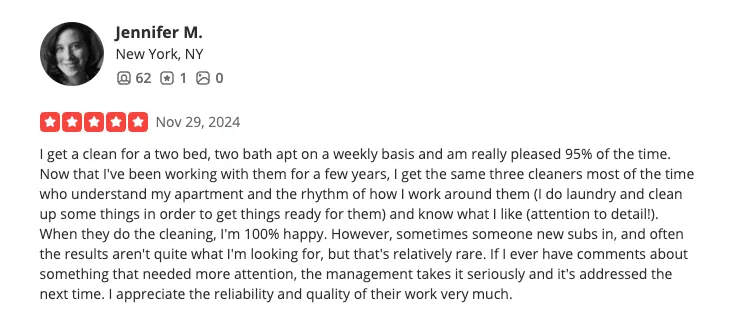
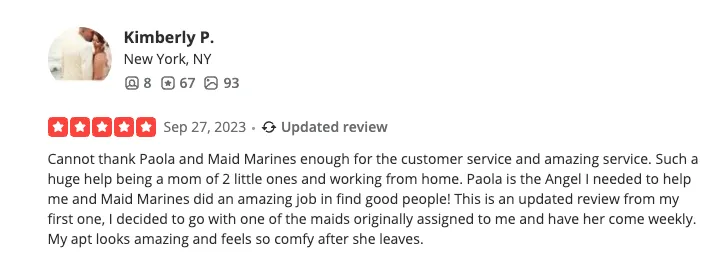
Our cleaners are W-2 employees, not gig workers. They are vetted, insured, and they bring the right products for your specific home. The 1 train to 66th Street-Lincoln Center puts our teams on the doorstep of the neighborhood, and the A, B, C, and D trains at Columbus Circle connect to the rest of the network.
We serve Lincoln Square and the surrounding neighborhoods, including the broader Upper West Side, Hell’s Kitchen, and Chelsea. Whether your apartment is a 1930s co-op on Central Park West or a glass-and-steel condo at 200 Amsterdam, we clean it with the care the building deserves.
For recurring apartment cleaning, one-time deep cleaning, or move-in and move-out cleaning during co-op turnover season, Maid Marines handles Lincoln Square.