
In 1961, Ben E. King recorded a song called “Spanish Harlem.” There is a rose in Spanish Harlem, a rare rose up in Spanish Harlem. Two Jewish songwriters from outside the neighborhood wrote it. They had never lived there. The song turned a neighborhood name into a permanent piece of American music, and for the next 65 years, people who have never been above 96th Street on the East Side have known the name without knowing what it means.
What it means is this. Spanish Harlem is the cultural name for the same geography that planning maps call East Harlem. But calling it East Harlem is like calling Chinatown “Lower East Side South.” Technically true and completely wrong at the same time. When the Puerto Rican community says El Barrio, they mean a specific thing. They mean 70 years of community life built on these blocks. The murals on the building walls. The bodegas on every corner brewing cafe con leche. The botanicas with their displays of San Lazaro candles and saints’ statues. The Pentecostal churches giving full-volume Sunday services that compete with the cumbia from the clothing store next door. El Barrio is not a geographic label. It is an assertion of cultural ownership over a neighborhood that outside forces have been trying to reshape for decades.
The cleaning challenges here are layered in the same way the neighborhood’s identity is layered. The housing stock includes 1890s tenements built for Italian immigrants, massive NYCHA tower complexes from the 1950s urban renewal, and brand-new condos creeping north from the Upper East Side border at 96th Street. Cleaning a fifth-floor walk-up tenement on 110th Street with a kitchen that sees daily Puerto Rican cooking is a fundamentally different job than cleaning a new two-bedroom near 97th and Second Avenue with polished floors and a doorman desk. We do both. The difference matters and we treat it that way.
The Puerto Rican migration turned Italian Harlem into El Barrio in a single generation
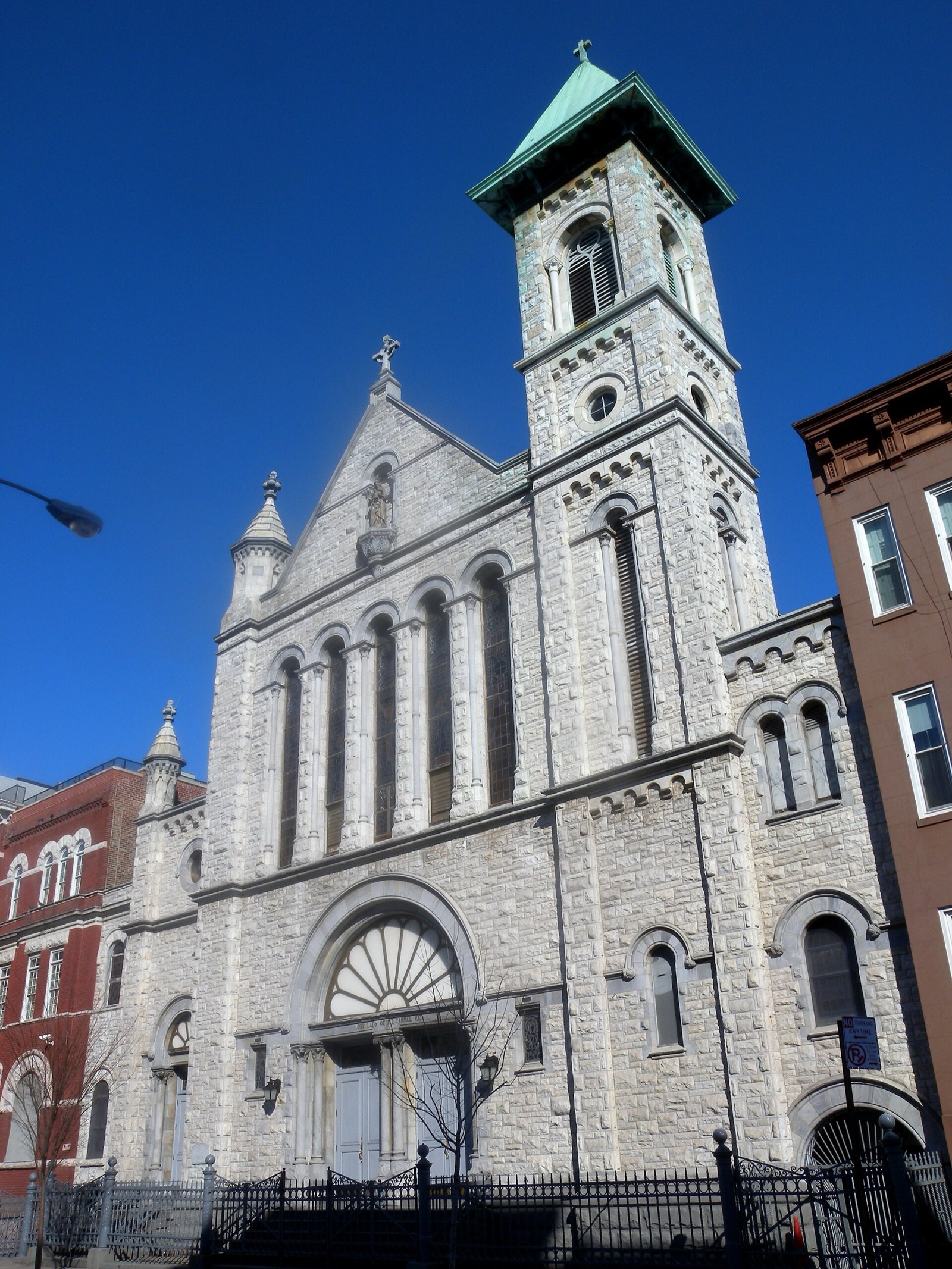
The neighborhood that became Spanish Harlem was Italian Harlem first. By 1910, approximately 90,000 Italian immigrants and their descendants lived between 96th and 125th Streets east of Fifth Avenue. It was one of the largest Italian enclaves in the world. Our Lady of Mount Carmel Church at 448 East 115th Street, established in 1884, was the spiritual center. The annual feast drew hundreds of thousands. Rao’s at 455 East 114th Street on Pleasant Avenue has been open since 1896 and is still the most impossible reservation in New York City, with regulars holding tables for decades.
After World War II, everything changed. U.S. policy encouraging migration from Puerto Rico and cheap airfares on Eastern Airlines brought Puerto Rican families to New York by the hundreds of thousands. East Harlem, with its affordable tenement housing, small existing Latino presence, and proximity to dock and garment factory jobs, became the primary settlement zone. The Italian families relocated to the Bronx and suburbs. Bodegas replaced the Italian groceries. Spanish replaced Italian on the storefronts. Pentecostal churches appeared alongside the old Catholic parishes. By 1965, Spanish Harlem was genuinely Spanish Harlem.
The cultural infrastructure that followed was not an accident. El Museo del Barrio was founded in 1969 in a classroom at PS 125 before expanding to its current home at 1230 Fifth Avenue on Museum Mile. La Marqueta, the indoor Caribbean market beneath the Park Avenue MetroNorth viaduct between 111th and 116th Streets, once housed over 500 vendors selling tropical produce, spices, herbs, and prepared food. It was the largest Caribbean food market in the United States. The Young Lords, a Puerto Rican civil rights organization modeled on the Black Panther Party, occupied a church and barricaded East 111th Street with garbage in 1969 to force the city to provide sanitation services to El Barrio. The Nuyorican Poets Cafe, founded in 1973, created an entire literary tradition from the bilingual, dual-identity experience of Puerto Ricans raised in New York.
Tito Puente was born in 1923 at 110th Street and Fifth Avenue. Eddie Palmieri was born in 1936 on 112th Street. Marc Anthony grew up on these blocks. Hector Lavoe, the greatest voice in salsa history, arrived from Puerto Rico as a teenager and lived in El Barrio through his rise and tragic fall. The neighborhood that produced three generations of globally significant musicians did it from the same housing stock, on the same grid of streets, in apartments that have not changed much since.
The murals on El Barrio’s building walls are not decorations
Walking through Spanish Harlem between Lexington and Pleasant Avenues from 100th to 120th Street, you pass more outdoor public art than in most entire cities. Dozens of large-scale murals cover building walls, fire walls, and retaining walls throughout the neighborhood. Tito Puente, Julia de Burgos, Pedro Albizu Campos, Hector Lavoe, Pedro Pietri. Political slogans. Neighborhood scenes. Memorial portraits. They are painted by local artists, community organizations, and visiting muralists, and they are renewed and replaced over time.
These are acts of cultural occupation. When a developer buys a building and paints over a mural, the neighborhood notices. When a new mural goes up on a fire wall, it is a public statement that El Barrio is still El Barrio. The per-block concentration of community public art here is among the highest in Manhattan. It is one of the best free public art experiences in New York and most people below 96th Street have no idea it exists.
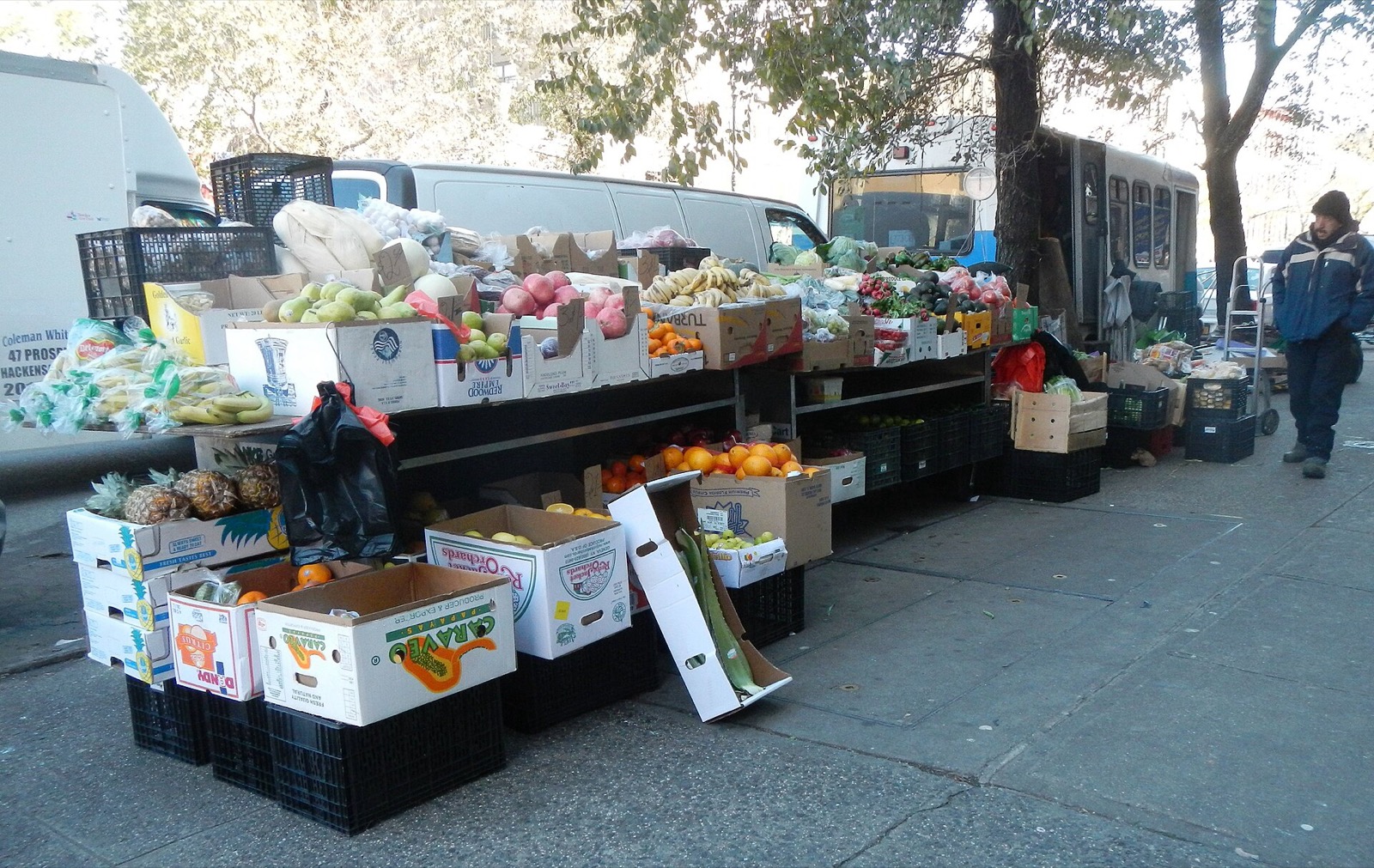
116th Street, officially Luis Munoz Marin Boulevard since 1970, is the central artery. Named for the first democratically elected Governor of Puerto Rico, the street functions as the main commercial and cultural spine of the Puerto Rican community in New York City. The intersection with Lexington Avenue is the symbolic heart. Bodegas, botanicas, Pentecostal churches, beauty salons, and community organizations line both sides. Stand on that corner and Spanish is the dominant language. The bodega on one side is brewing cafe con leche. The botanica next door has saints’ candles in the window. The Pentecostal church down the block is giving service at full volume. That is El Barrio.
Pre-war tenements in Spanish Harlem carry a century of living and the kitchens prove it
The surviving tenement buildings date from the 1880s through the 1940s. Five- and six-story brick walk-ups with fire escapes on the front facade, narrow interior staircases, and apartments laid out on a railroad-car floor plan where rooms run front to back in a line. The best surviving concentrations are on the blocks between Second and Third Avenues in the 110s and along Pleasant Avenue. In 2019, the area from 111th through 120th Streets between Park and Pleasant Avenues was listed on the National Register of Historic Places as the East Harlem Historic District.
The apartments are compact. Studios and one-bedrooms run 400 to 650 square feet. Two-bedrooms stretch to 800. The kitchens are galley-style, often with the stove and sink within arm’s reach of each other. The bathrooms are small with original tile or replacement tile over old plaster.
Cleaning these apartments means working in tight spaces with surfaces that have absorbed decades of use. The hardwood floors, where they survive under old vinyl or laminate, need careful product selection. Original plaster walls are fragile. The cast-iron radiators that line the walls under every window collect dust in their fins through the summer and burn it off every October when the building super fires up the steam boiler. That scorched-dust smell is one of the most recognizable sensory experiences of living in a pre-war New York apartment. What a cleaner can do about it is keep the covers, the grilles and the floor around each unit clear before heating season starts. The inside of the cast iron belongs to the building’s heating contractor.
The kitchens in El Barrio are where the cleaning job gets serious. This neighborhood has one of the most active home-cooking cultures in Manhattan. Puerto Rican and Dominican families who have lived here for decades cook daily. Sofrito, recaito, pernil, mofongo, tostones, chicharrones, arroz con gandules. These are not meals from a delivery app. They involve high heat, oil, and spice blends that leave residue on every surface near the stove. In a galley kitchen where the stove is two feet from the cabinet faces and the ceiling is eight feet above the burners, the grease film builds up fast. A standard cleaning wipe-down does not address it. We degrease every surface within reach of the stove, pull the drip trays, and wipe the range hood down on the outside. If you cook like this daily, a biweekly deep clean of the kitchen is the only way to stay ahead of it.
NYCHA towers house tens of thousands of El Barrio residents and the access logistics matter
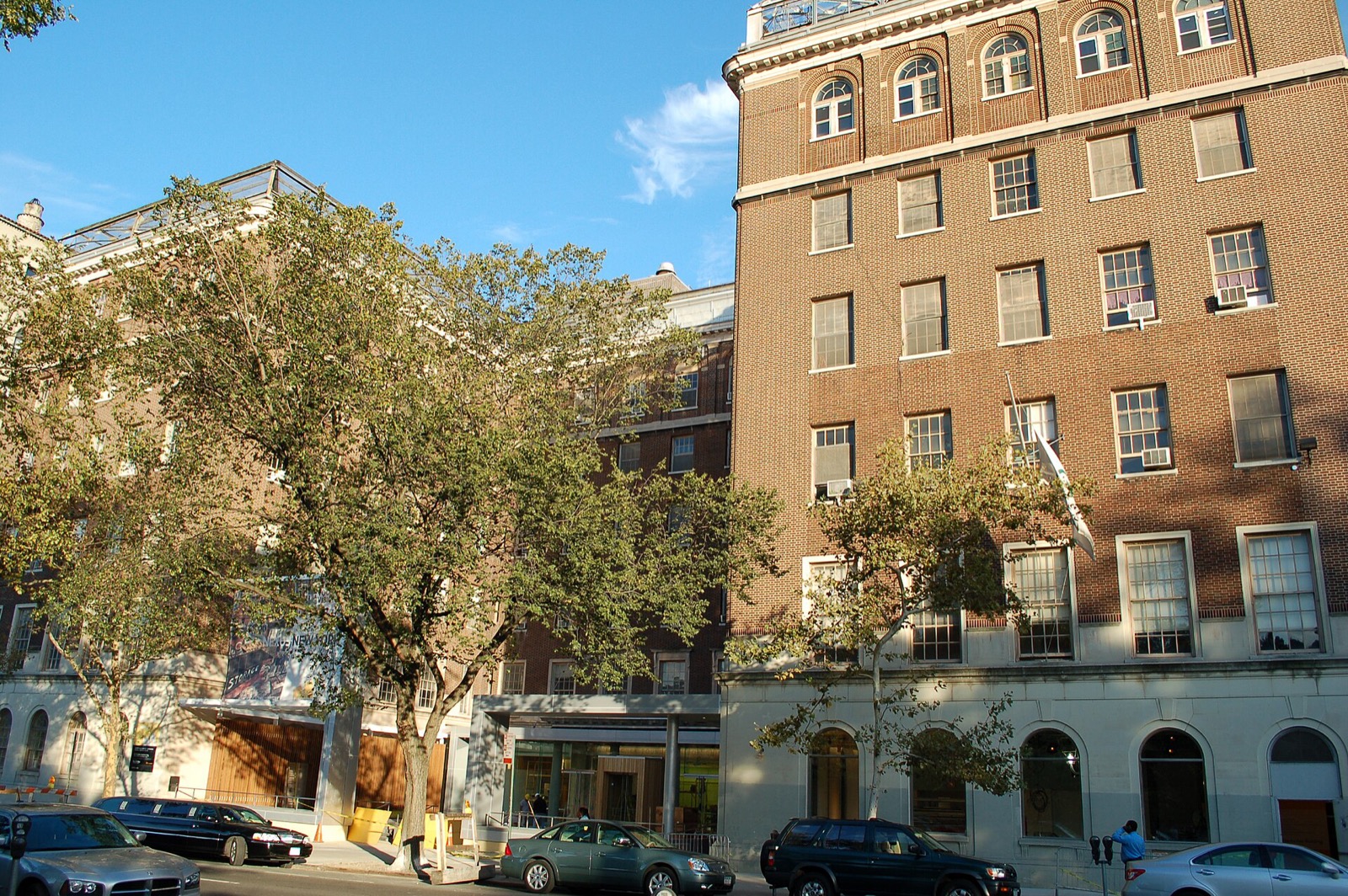
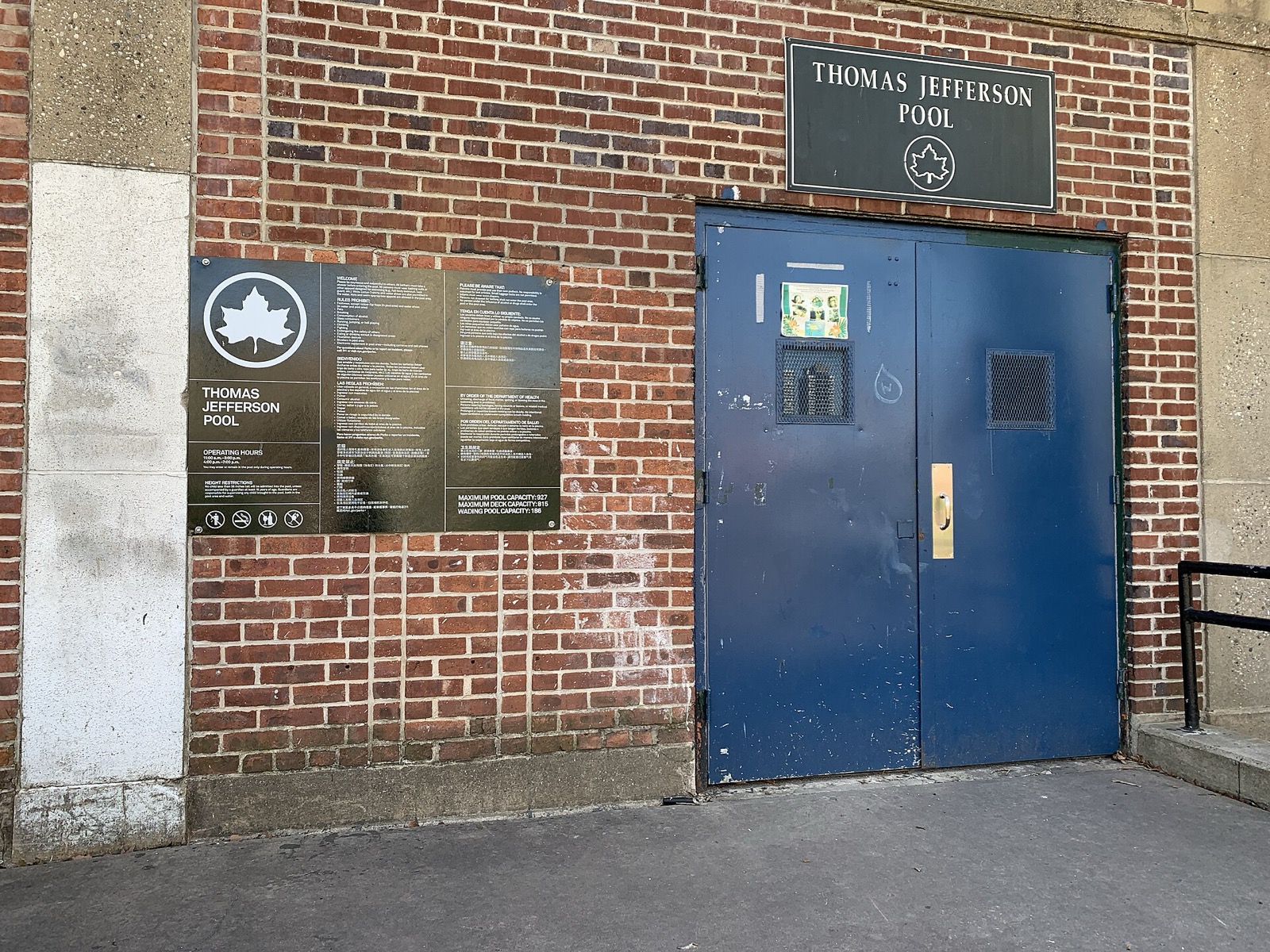
The same decade that brought the Puerto Rican migration also brought urban renewal. Robert Moses targeted East Harlem for slum clearance. Between 1950 and 1970, entire blocks of tenements were demolished and replaced with massive NYCHA public housing towers. The Thomas Jefferson Houses, Robert F. Wagner Houses, Taft Houses, and Carver Houses together displaced tens of thousands of families from their established blocks and replaced the organic street life of the tenement neighborhood with the isolated superblocks of the towers. The construction of the FDR Drive along the East River cut the community off from the waterfront.
Today those towers house approximately 25,000 to 30,000 residents at subsidized rents. They define the neighborhood’s skyline and they are home to a large share of El Barrio’s community.
Cleaning in NYCHA buildings requires knowing the access protocols, and the protocols vary by development. Some require a government-issued photo ID at the front desk. Some require the resident to come down and escort the visitor. Some have intercom-only entry. When you book with us, we note which building you are in and what the entry process requires so our team arrives prepared. We do not waste your time with a cleaner standing in a lobby unable to get buzzed in.
The apartments themselves are functional, typically 600 to 900 square feet for a two- or three-bedroom. Radiator heat that runs hot in winter means windows stay open and street dust enters constantly. Our teams adapt to the specific conditions of each unit. A NYCHA apartment on the 14th floor of the Wagner Houses gets the same quality of cleaning as a new condo on 97th Street. The products might differ. The care does not.
The botanicas are the most culturally specific retail in Manhattan and the apartments above them have their own cleaning needs
The botanica is something you will not find in any other Manhattan neighborhood at this density. A spiritual supply store selling religious candles, herbs, oils, saints’ statues, and santeria supplies. Spanish Harlem has more botanicas per block than anywhere else in the borough. Their storefronts, with brightly colored window displays of candles and religious figures, are among the most visually distinctive elements of El Barrio’s streetscape.
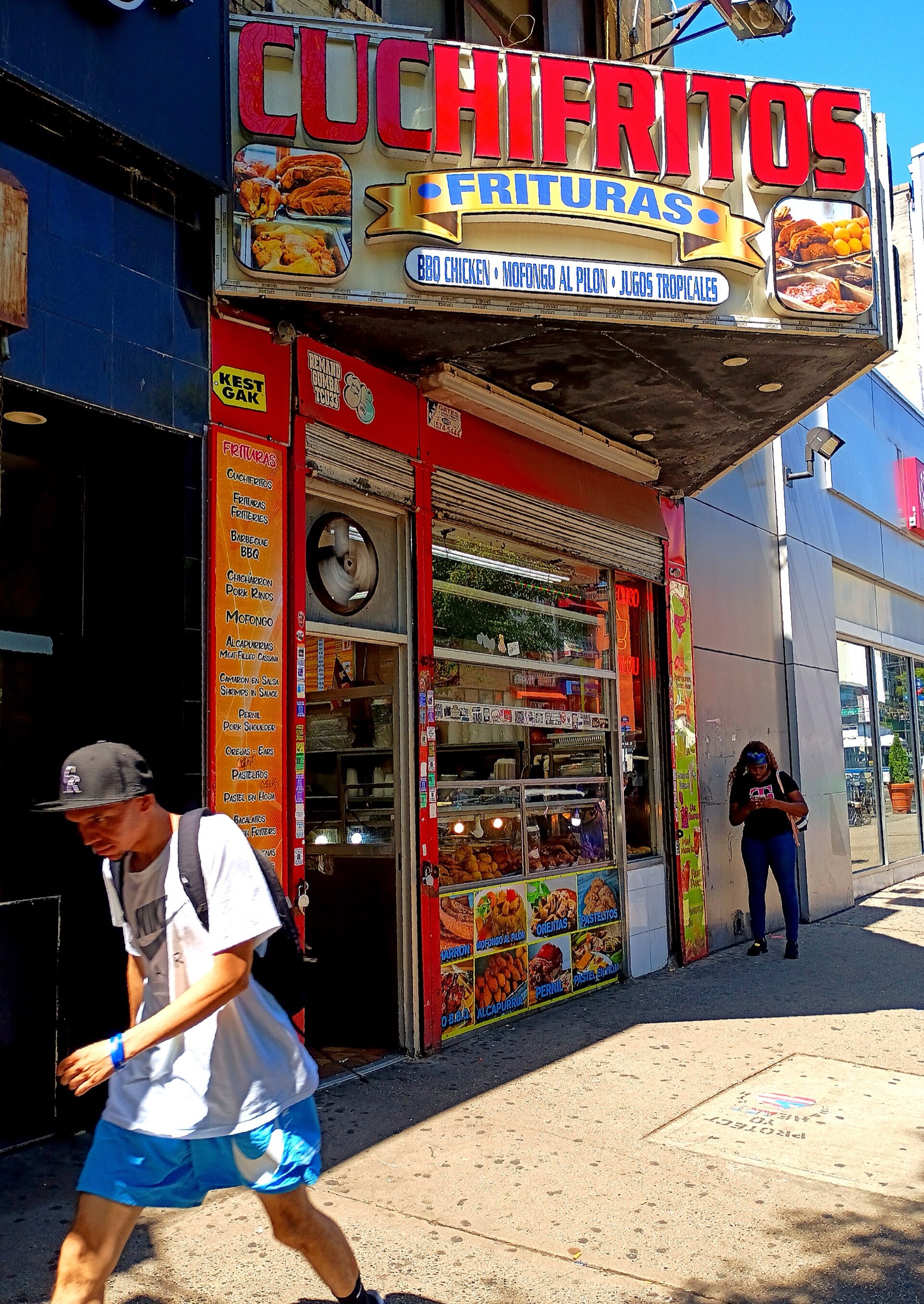
The apartments above and next to these storefronts are the tenement units where many families keep their own botanica candles, altars, and religious items at home. These are not display pieces. They are active parts of daily and weekly spiritual practice rooted in Santeria, Espiritismo, and folk Catholicism. When we clean an apartment in El Barrio that has an altar with candles and saints’ statues, we dust around the items respectfully without moving them. If a homeowner wants specific items left completely untouched, we note it on the account. This is not unusual in this neighborhood. Our cleaners know it.
The candles themselves leave wax residue on surfaces over time. Incense leaves a film on walls and ceilings in the room where it is burned. These are specific cleaning considerations that a team unfamiliar with El Barrio would not anticipate. We do, because we clean here regularly.
The 96th Street border keeps moving north and the new buildings clean differently
Spanish Harlem is changing. The 2017 East Harlem Rezoning and the coming Second Avenue Subway Phase 2, with new stations planned at 106th, 116th, and 125th Streets, are reshaping the real estate landscape. New mid-rise condos and mixed-income buildings have appeared along Second Avenue and near the 96th Street border. One-bedroom market-rate apartments rent for $2,500 to $3,000 a month in a neighborhood where the median household income is roughly $40,000.
The new construction has different surfaces and different building logistics. Polished concrete or engineered hardwood instead of century-old pine. Modern HVAC instead of steam radiators. Doorman lobbies instead of walk-up entry. Some buildings require a Certificate of Insurance from any vendor entering the premises. We provide COIs quickly. We coordinate with concierge desks for key-hold and elevator reservations. The cleaning approach adjusts building by building.
The community organizing tradition that started with the Young Lords in 1969 is still active. Tenant unions, rent strike campaigns, and community land trust efforts draw on that history. El Barrio is not surrendering its identity to glass-and-steel construction near the border. The murals are still being painted. The bodegas are still brewing cafe con leche. The botanicas still have their candles in the window.
What booking looks like for Spanish Harlem residents
You pick your date and time on our booking page. You see your flat-rate price before you commit. If your walk-up tenement has surfaces that need specific care, or if your NYCHA building has a visitor process we need to follow, or if your apartment has religious items that should not be moved, you tell us once and we note it permanently on your account. Our cleaners are W-2 employees, not gig workers. They are vetted, insured, and they show up with products matched to your specific apartment.
We serve Spanish Harlem and all of upper Manhattan. Our teams use the 6 train on the Lexington Avenue line with stops at 96th, 103rd, 110th, 116th, and 125th Streets. We also serve nearby neighborhoods including the Upper East Side, East Harlem, and Harlem. For recurring maintenance, weekly or biweekly apartment cleaning keeps the place maintained between deep cleans. For tenants moving in or out, our move-in and move-out cleaning handles the full reset of every surface the next occupant will touch. And for the kitchens that see daily use cooking the food El Barrio is known for, periodic deep cleaning of the cooking surfaces is the single best investment you can make in your home.
Our full range of cleaning services covers everything from one-time deep cleans to recurring weekly visits. Whether you are in a pre-war walk-up on 113th, a NYCHA tower on First Avenue, or a new condo near 97th and Second, we match the cleaning to the building and the building to the neighborhood. El Barrio’s housing stock is as layered as its history. We clean all of it.