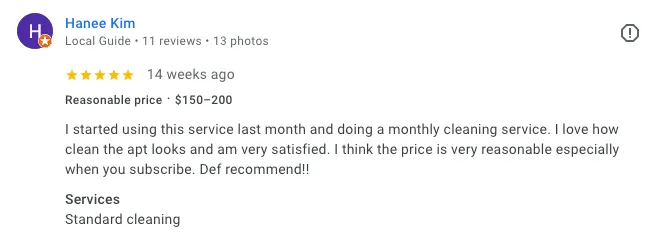

Yorkville is the Upper East Side with its collar loosened. The neighborhood runs from 79th to 96th Street between Third Avenue and the East River, and everything about it is a half-step less formal than the avenues to the west. The prewar co-ops are slightly smaller. The restaurants are slightly louder. The streets east of First Avenue are surprisingly quiet for Manhattan, with the sound of the river occasionally reaching the sidewalk. And on the corner of Second Avenue and 86th Street, a German-Austrian butcher shop that has been selling sausages since 1937 sits next door to a German restaurant that has been serving schnitzel since 1936, the last two commercial survivors of a Central European culture that once filled these blocks completely and has now almost entirely disappeared.
The cleaning challenge in Yorkville is variety. Within a ten-block radius you have 1920s prewar elevator buildings with herringbone parquet and cast-iron radiators, postwar high-rises from the 1960s with terrazzo lobbies and linoleum kitchens, glass-and-steel luxury condos that arrived with the Second Avenue Subway in 2017, and a row of 24 Queen Anne townhouses from 1882 that are on the National Register of Historic Places. Each building type needs a different approach, different products, and a team that knows which is which.
The General Slocum disaster of 1904 moved an entire community to Yorkville overnight
Yorkville’s German-American identity, the one visible in Schaller and Weber’s window display and on the Heidelberg Restaurant menu, did not develop gradually. It arrived in a single catastrophic transfer. On June 15, 1904, the passenger steamship General Slocum caught fire on the East River while carrying members of St. Mark’s Evangelical Lutheran Church on a summer excursion. The passengers were predominantly German-American women and children from Kleindeutschland, the dense German quarter on the Lower East Side. Over 1,021 people died. It was the deadliest disaster in New York City history until September 11, 2001.
The survivors could not stay. The grief was too concentrated, the reminders too dense on every block. They moved north, most of them to Yorkville, where a smaller German-American community already existed around the 86th Street station of the New York and Harlem Railroad. Within a few years, Yorkville had absorbed the surviving population of Kleindeutschland and become the center of German-American life in New York City. East 86th Street earned the names “German Broadway” and “Sauerkraut Boulevard.” Dance halls, beer gardens, social clubs, German-language theaters, and the great Yorkville breweries, Ruppert and Ehret among them, lined the street and the avenues around it.
The culture was vivid and complete. Turner gymnastic societies and Schutzen shooting clubs operated from halls on the side streets. German-language newspapers circulated through the neighborhood. The breweries employed hundreds and supplied dozens of beer gardens within walking distance. Jacob Ruppert’s brewery at Second Avenue and 92nd Street was one of the largest in New York. Ruppert, who also owned the New York Yankees during the Babe Ruth and Lou Gehrig era, ran the operation until Prohibition, and the brewery complex remained until the 1960s. The residential towers called Ruppert Towers now stand on the site, named for the man and the business that defined that particular stretch of the neighborhood for a century.
Most of this is gone. Anti-German sentiment during both World Wars pushed families to anglicize their names or leave. Assimilation did what pressure could not. The dance halls became bars. The German-language businesses closed one by one. By the 1980s, the community that had once filled these blocks was a memory, and the neighborhood was beginning the gentrification cycle that the Second Avenue Subway would eventually accelerate into something transformative.
Gracie Mansion has been watching the East River from the same spot since 1799
At the eastern edge of Yorkville, inside Carl Schurz Park, a Federal-style wooden house built by shipping merchant Archibald Gracie in 1799 still stands on the East River shore. It is the last surviving example of the country estates that once lined the East River in Manhattan, and it has been the official residence of the Mayor of New York City since 1942 when Fiorello LaGuardia established the tradition.
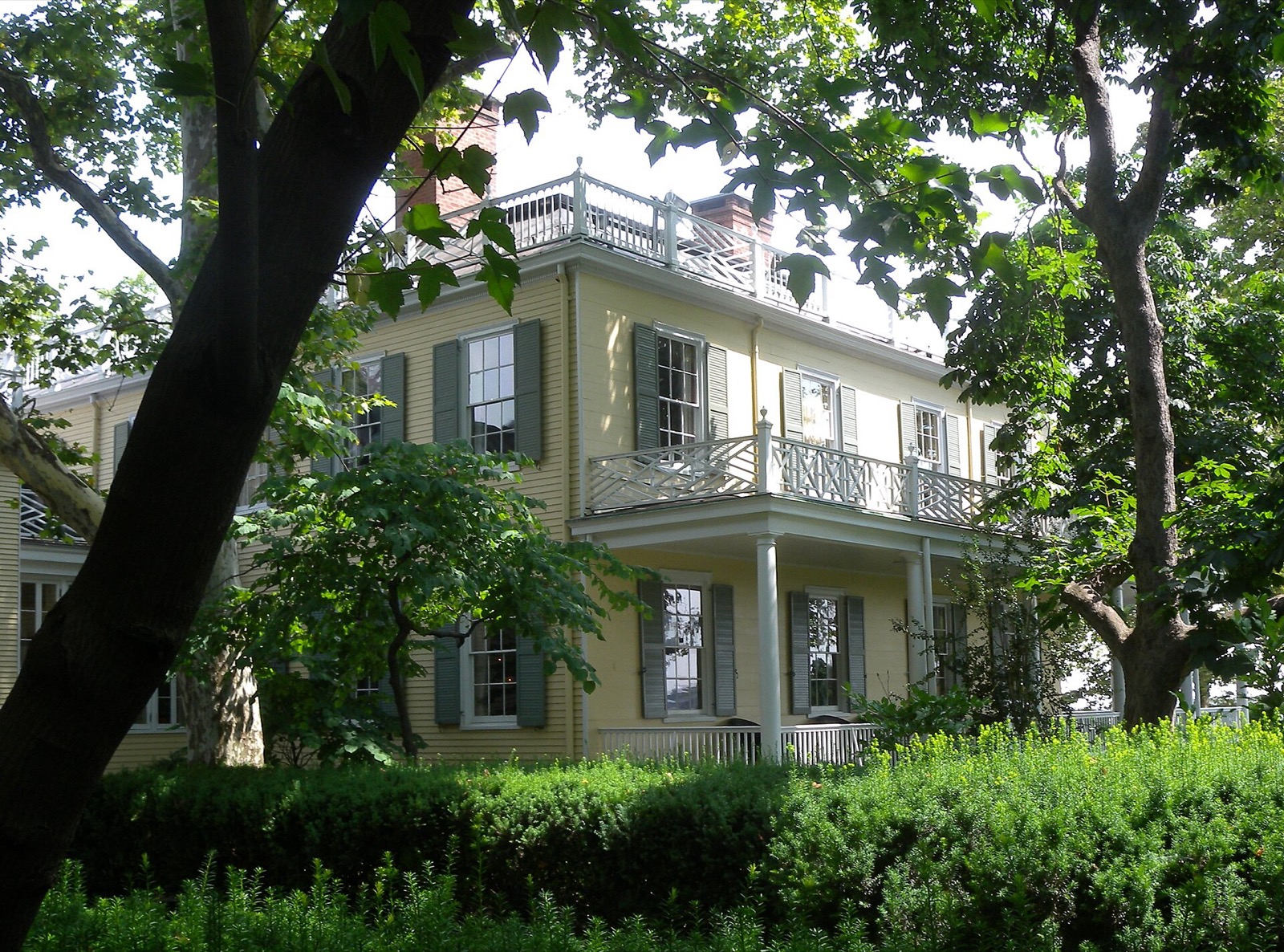
The house itself is remarkable for its survival. In a city that has demolished almost everything from the 18th century, Gracie Mansion persists because it was too beautiful to tear down and too useful to abandon. Archibald Gracie entertained John Quincy Adams and the future King Louis Philippe of France on the same porch that now overlooks Hell Gate, the treacherous tidal strait where the East River meets Long Island Sound. The city purchased the property in 1896 for a park, and the mansion served as a museum before being converted to the mayoral residence. Every mayor since LaGuardia has used it except Michael Bloomberg, who preferred his own townhouse.
Carl Schurz Park surrounds the mansion across 14.9 acres of green space along the East River between 84th and 90th Streets. The park’s elevated promenade, built above the FDR Drive, offers views of Queens, the Triborough Bridge, and the Hell Gate waters that made this stretch of river feared by sailors for centuries. The park was named in 1910 for Carl Schurz, the German-born Civil War general, Senator, and Secretary of the Interior who embodied the aspirations of the German-American community at the height of its political influence. That the park bearing his name sits in the heart of Yorkville’s former German quarter is not coincidence.
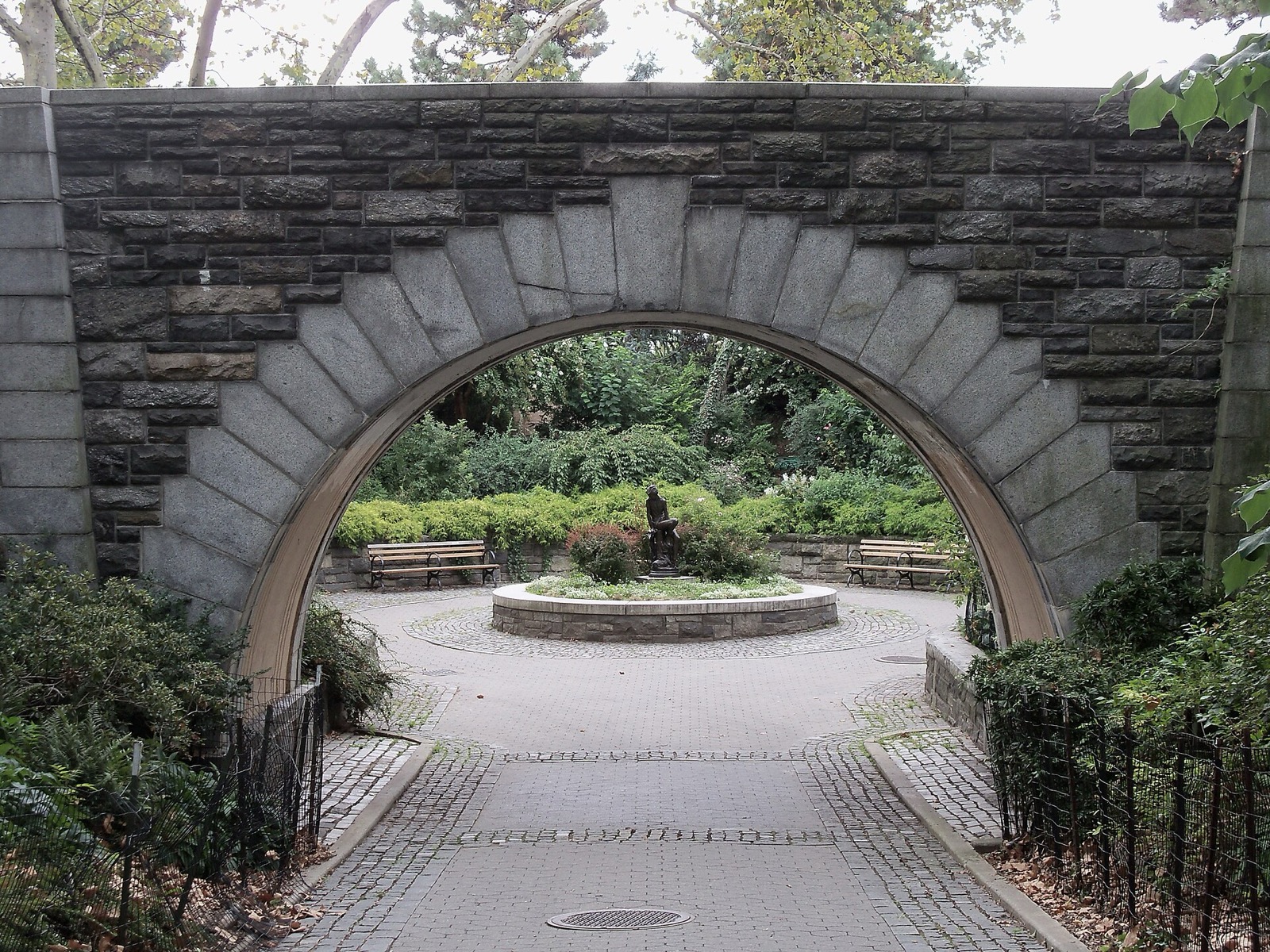
For Yorkville residents, Carl Schurz Park is not a destination. It is a daily-use park, the kind you walk through on the way to the grocery store and sit in for twenty minutes after dinner. The runners on the promenade, the families with strollers on the lawn, the older residents who have used the same bench for fifteen years. This is the quietest public space in the neighborhood and probably the least known park of its quality in Manhattan.
Henderson Place survived 140 years of change because nobody could improve on it
Between East 86th and 87th Streets, just west of East End Avenue, there is a row of 24 Queen Anne townhouses that look like they belong in a different city. They were built in 1882 by developer John C. Henderson and designed by the firm Lamb and Rich, and they were intended as modest worker housing. Two and a half stories. Red brick facades with turrets, decorative gables, and ornamental dormer windows. The scale is small and the craftsmanship is consistent across all 24 buildings, a Victorian streetscape of extraordinary completeness in the middle of a neighborhood that has otherwise been replaced by larger buildings on all sides.
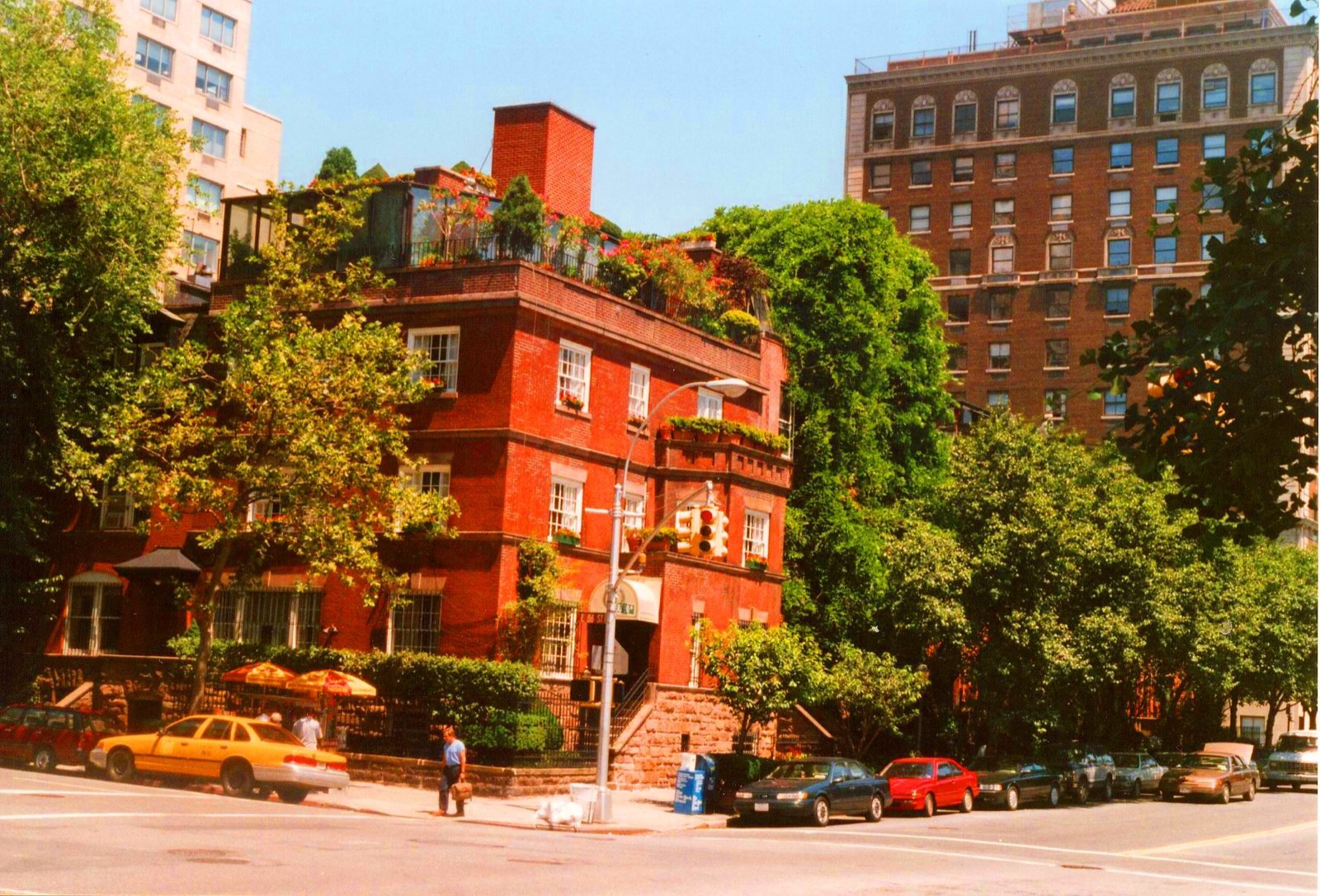
The buildings were designated a New York City Landmark in 1969 and listed on the National Register of Historic Places. The inversion of their original purpose is a parable of New York real estate. Modest worker housing from the Gilded Age is now among the most desirable and valuable small residential properties in Manhattan. The townhouses survived not because anyone made a grand preservation argument in the 1950s or 1960s, but because they were too charming to demolish and too well-built to fall apart. By the time the landmark designation arrived, they had already outlived dozens of larger buildings around them.
Cleaning a Henderson Place townhouse means understanding what is irreplaceable. The decorative gables and ornamental millwork are 140 years old. You do not spray near original plaster. You do not use silicone-based polishes on Victorian woodwork. You dust with microfiber and you keep water away from surfaces that were never designed to be wet-cleaned. Our teams treat Henderson Place interiors the way they treat any landmarked residence, which is to say they treat the materials as part of the building’s reason for protection.
The Second Avenue Subway changed Yorkville’s real estate market faster than anything since the General Slocum
On New Year’s Day 2017, the first phase of the Second Avenue Subway opened three new stations on the Q train at 72nd, 86th, and 96th Streets. The project cost approximately $4.4 billion for 1.8 miles of tunnel, making it the most expensive per-mile transit project in American history at roughly $2.4 billion per mile. After decades of planning, false starts, broken promises, and construction disruption, the eastern avenues of the Upper East Side finally had direct subway access.
The effect on Yorkville was immediate and measurable. Property values near the new stations appreciated faster than those further away. Restaurants opened along Second Avenue at a rate that changed the character of the corridor within two years. Glass and steel residential towers followed, adding hundreds of luxury condo units to a neighborhood that had been primarily prewar co-ops and postwar rentals. The demographic shifted as younger professionals in finance, tech, and media discovered that Second Avenue offered Manhattan addresses at prices below the western avenues.
The new construction along the Second Avenue corridor presents its own cleaning profile. These are apartments with floor-to-ceiling windows that show every streak, open-plan kitchens with stone countertops and stainless appliances that fingerprint easily, and engineered hardwood floors that need different care than the solid parquet in prewar buildings. The finishes are contemporary rather than historic, but they are no less particular about product choice. An abrasive cleaner on a quartz countertop dulls the surface. A vinegar solution on engineered hardwood damages the wear layer. We adjust our approach to match the building, and in Yorkville that means switching between prewar and post-2017 protocols sometimes within the same block.
Yorkville’s prewar co-ops and postwar rentals each carry their own cleaning challenges
The prewar elevator buildings along Second and Third Avenues are Yorkville’s most common residential type. These are generally less grand than the Park Avenue classics a few blocks west. The ceilings run 9 feet instead of 10 or 12. The lobbies are more modest. The parquet patterns are simpler. But they are genuine prewar buildings, solid and well-maintained, with the same materials that require the same care. Herringbone or strip parquet needs a pH-neutral hardwood solution and a flat microfiber mop. Cast-iron radiators need their fins cleaned before heating season. Plaster crown molding collects dust that standard cleaning ignores because the team cannot reach it.
The postwar high-rises from the 1960s through 1980s represent a different era of construction. These buildings dominate the avenues from 79th through 96th, with mid-rise and high-rise towers that replaced the smaller-scale prewar fabric. The finishes are different. Parquet gives way to vinyl or tile in many kitchens and bathrooms. The windows are aluminum rather than wood. The radiators may be baseboard rather than cast-iron. But these buildings accumulate grime in their own specific ways. Kitchen exhaust vents that have not been properly cleaned in years. Bathroom tile grout that has darkened with decades of mineral deposits and soap residue. Baseboards behind furniture that last moved during the previous tenant’s occupancy.
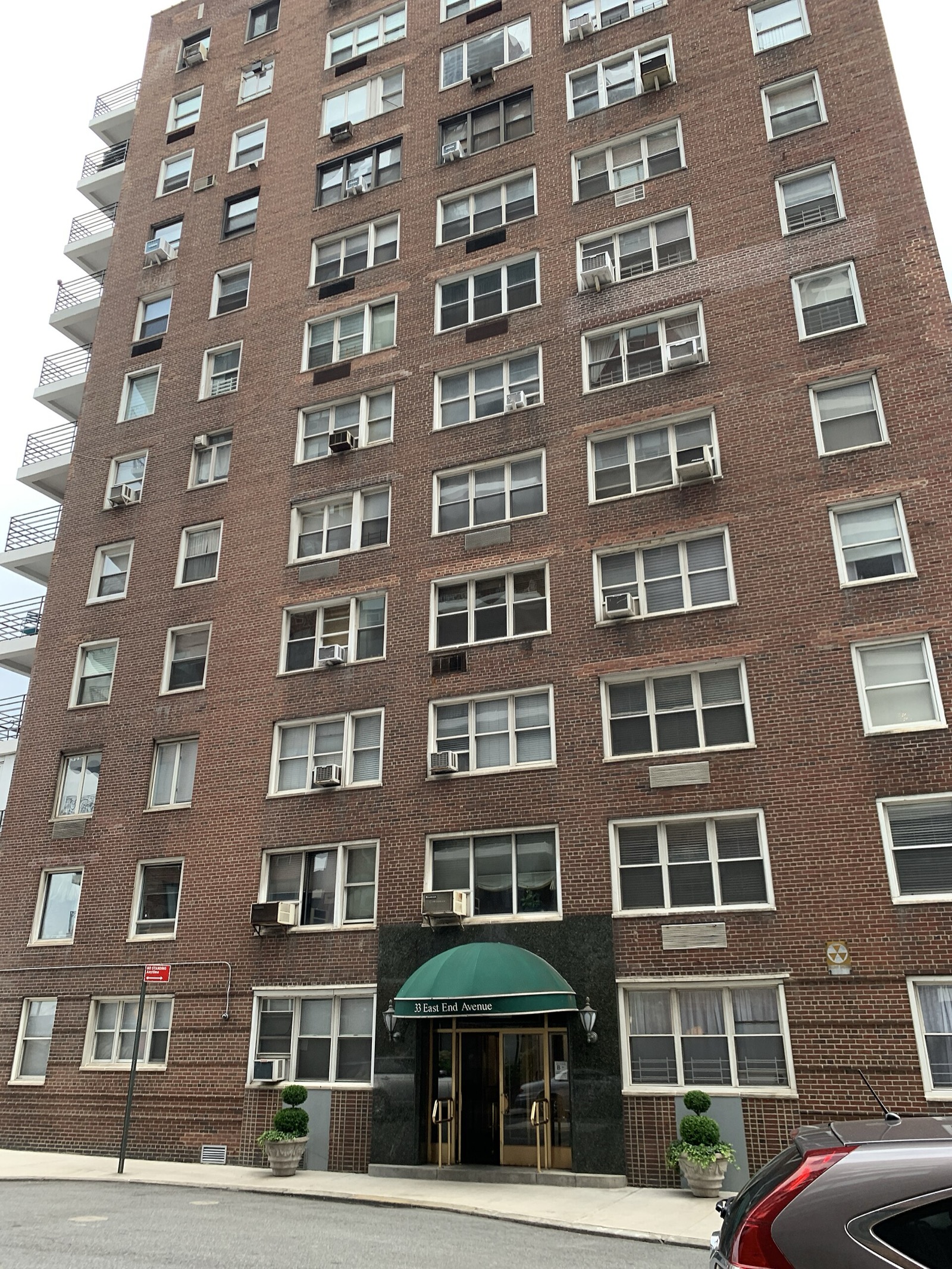
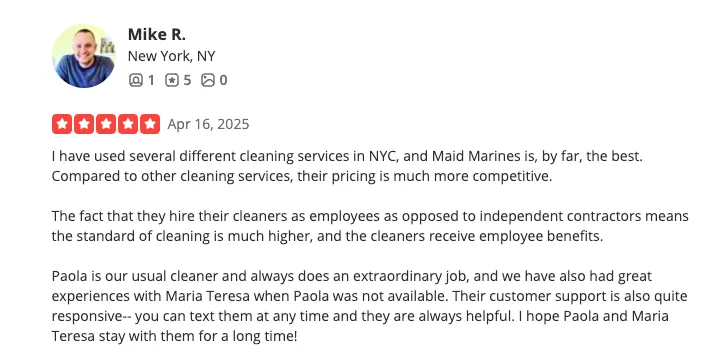
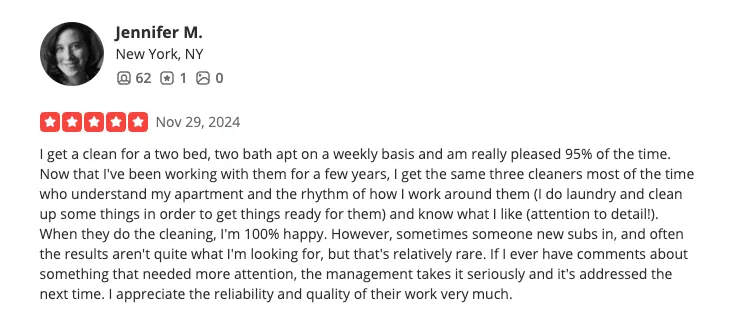
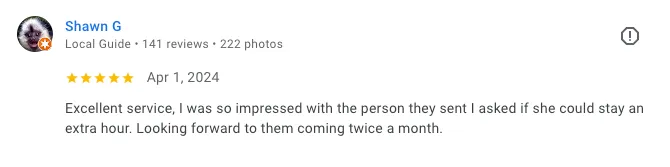
And then there are the blocks east of First Avenue, approaching East End Avenue. Yorkville becomes surprisingly quiet here. The buildings are lower. The traffic thins. Families with strollers and older residents who have lived in the same apartment for 30 years share the sidewalks. This is the part of Yorkville that feels most like a neighborhood and least like a Manhattan avenue, and the residents here value reliability and consistency in every service they use. Many of our recurring clients in eastern Yorkville have been on the same biweekly schedule for years. The same team arrives on the same day, knows the apartment, knows the surfaces, and handles everything without needing instruction.
The hospital corridor along York Avenue means thousands of time-constrained professionals who need cleaning done while they work
NewYork-Presbyterian Weill Cornell Medical Center, the Rockefeller University campus, and the surrounding research facilities make Yorkville’s York Avenue corridor one of the most medically significant addresses in the world. A significant portion of the neighborhood’s residents are physicians, researchers, nurses, and hospital staff who relocated from elsewhere and often do not know the local service provider landscape. Their schedules are demanding, their hours are unpredictable, and their apartments need to be cleaned while they are at work because they are rarely home during business hours.
This is a customer segment we serve frequently in Yorkville. Medical professionals who need lockbox or doorman-coordinated access. Recurring weekly or biweekly apartment cleaning scheduled around hospital shifts. Apartments that may go a full week between occupant visits because the resident is covering night shifts or out of town at a conference. The cleaning does not wait for them to be home. We arrive, we clean, we lock up, and they come home to a clean apartment.
Rockefeller University alone has been affiliated with twenty-eight Nobel laureates since its founding by John D. Rockefeller in 1901. The campus occupies a large site along the East River between 63rd and 68th Streets, and its researchers and staff are part of the residential fabric of Yorkville’s eastern blocks. The people working on York Avenue do not have spare hours to spend scrubbing a kitchen. They need a cleaning service that operates around their schedule, not one that requires them to be present.
Yorkville apartment cleaning starts with knowing which building you are in
If you are in a prewar co-op on Second Avenue, we bring parquet-specific products, soft brushes for the radiator covers, and extension tools for crown molding. If you are in a postwar rental on Third Avenue, we bring degreasing solution for the kitchen and grout-specific treatment for the bathroom. If you are in a new luxury condo near the 86th Street Q station, we bring stone-safe countertop cleaners, plus streak-free glass products for the floor-to-ceiling windows if you have added the interior glass to your booking — it is an extra here, not part of the clean. If you are in a Henderson Place townhouse, we bring microfiber and pH-neutral solutions and leave anything abrasive in the van.
We serve Yorkville as part of our coverage of the entire Upper East Side and the neighboring Lenox Hill area. Our teams use the Q train to 86th Street or 96th Street, or the 6 train to 86th Street at Lexington Avenue. We offer recurring maid service on weekly or biweekly schedules, deep cleaning for quarterly resets and pre-heating-season radiator work, and move-in and move-out cleaning for the active rental and condo market along the Second Avenue corridor. We also serve nearby East Harlem and the Upper West Side.
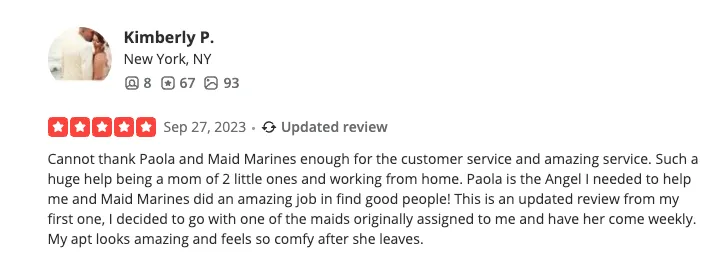
You pick your date and time on our booking page. You see your flat-rate price before you commit. Our cleaners are W-2 employees, vetted and insured, and they arrive with the right products for your specific building. Tell us your address once and we handle the rest.