
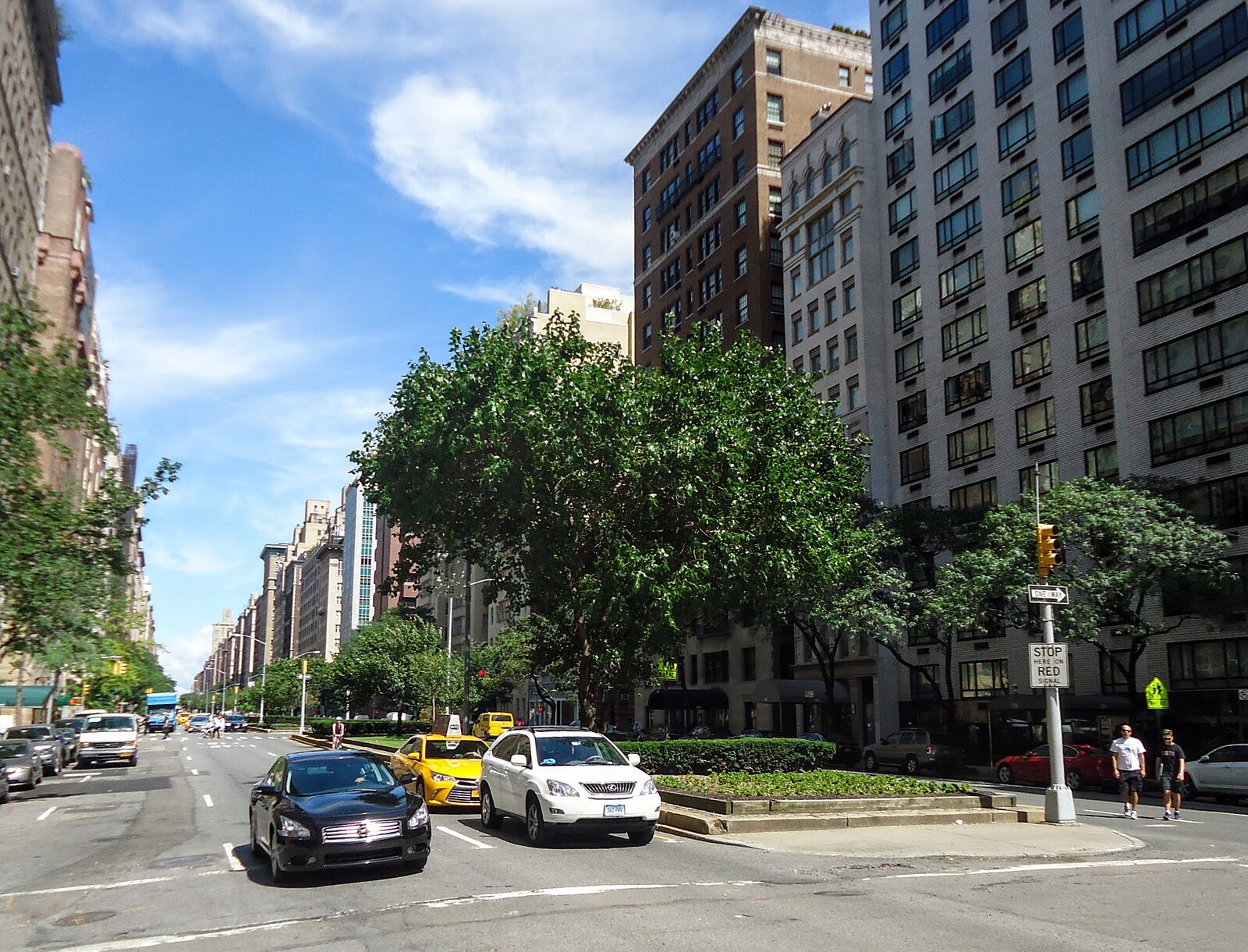
Lenox Hill sits inside the Upper East Side but operates on its own terms. The neighborhood runs from 59th to 77th Street between Fifth Avenue and Lexington Avenue, and within that rectangle is one of the most concentrated collections of prewar cooperative apartment buildings in the world. Park Avenue cuts through the center with its planted median and limestone facades. Fifth Avenue runs along Central Park with views that have commanded the highest residential prices in the country for a century. The side streets between them hold brownstone and limestone townhouses protected by the Upper East Side Historic District since 1981. And on 70th Street, inside a Beaux-Arts mansion that was once the home of Henry Clay Frick, three Vermeers hang in rooms scaled for a private residence rather than a museum. This is a neighborhood where surfaces matter, because everything here was chosen with care and maintained with intention.
The cleaning challenge in Lenox Hill is not complexity. It is precision. The apartments are large, the materials are original, and the residents have standards that match the buildings they live in. A wrong product on a 1930s herringbone parquet floor is not something you fix with a second pass. An acidic cleaner on a marble bathroom floor will etch permanently. There is no margin for generic cleaning in a neighborhood where a single apartment might contain eight different surface types, each requiring a different approach.
Park Avenue pre-war co-ops define Lenox Hill apartment cleaning more than any other building type in Manhattan
The prewar cooperatives along Park Avenue and Fifth Avenue are the heart of Lenox Hill. Buildings designed by Rosario Candela, Emery Roth, J.E.R. Carpenter, and others in the 1920s and 1930s, built for families that had previously occupied private mansions along the same stretch of avenue. 740 Park Avenue, completed in 1930 by Candela and Arthur Loomis Harmon, is often cited as the most exclusive residential address in the United States. Rockefellers lived here. Jacqueline Bouvier spent part of her childhood here. A single apartment sold for over $70 million.
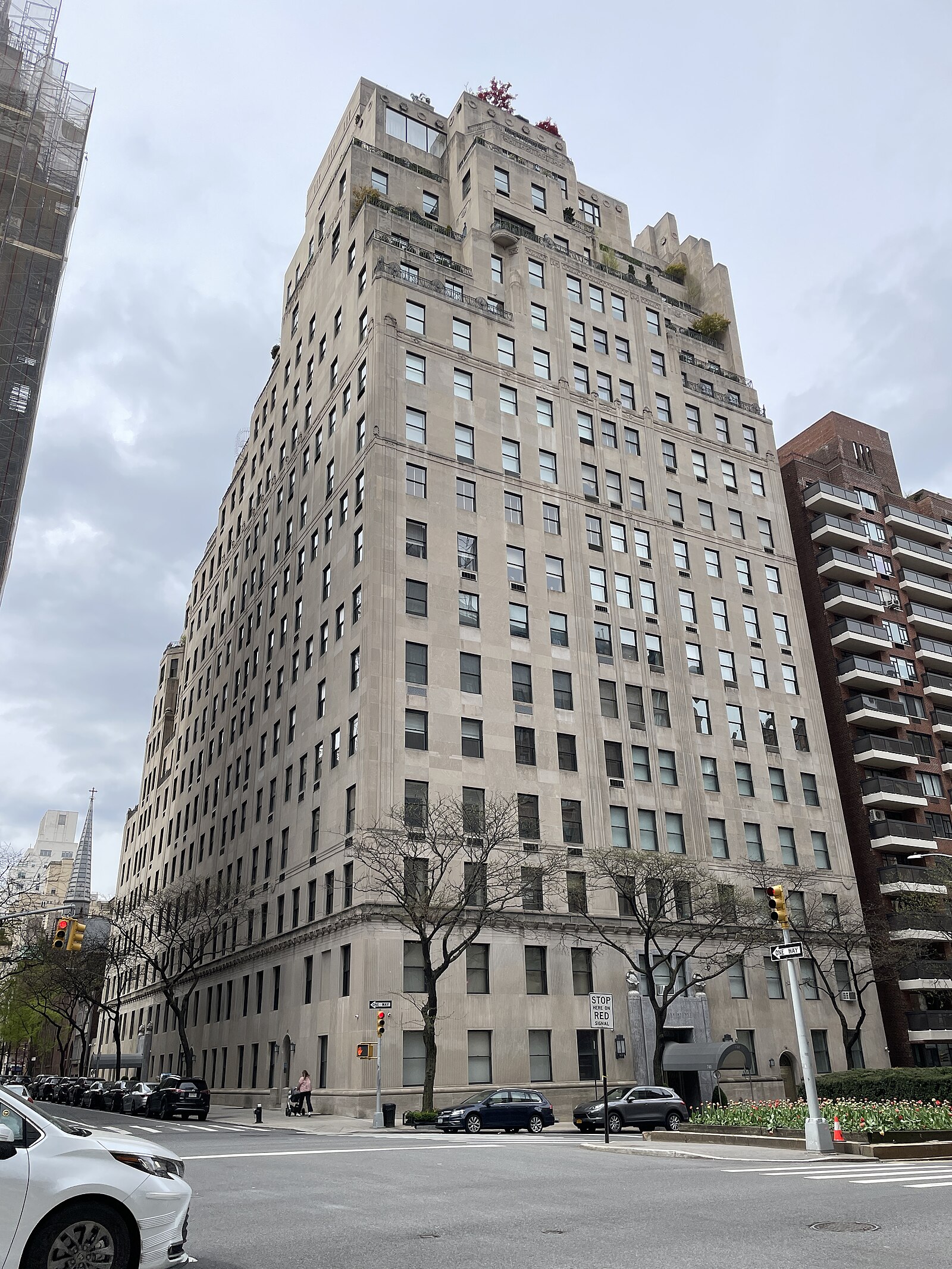
But 740 Park is one building among dozens of comparable quality on the same grid. The “classic seven” floor plan that Candela perfected, three bedrooms, formal dining room, library, kitchen, and maid’s quarters, is the default layout in the best Lenox Hill co-ops. Ceiling heights run 10 to 12 feet. Plaster cornices and ceiling medallions are original. Herringbone parquet floors were laid in patterns that catch afternoon light differently depending on the room. Marble entry foyers lead into apartments that were designed as total environments, every material selected for a reason and installed by craftsmen whose trades no longer exist.
Cleaning these apartments means understanding the material hierarchy. The parquet gets a flat microfiber mop with a pH-neutral hardwood solution because the seams run in two directions and the finish wears differently at each joint. A steam mop pushes moisture into those seams and warps the wood over time. The plaster crown molding at 11 feet collects dust that nobody addresses unless someone brings extension tools purpose-built for the task. Cast-iron radiators behind decorative covers accumulate dust in their fins all summer, and when the steam heat kicks on in October, the apartment fills with that scorched-lint smell that every Lenox Hill resident knows. We dust those decorative covers and the vent grilles above them on every visit and take the loose dust out of the room around them. The cast iron behind the cover is a specialist’s trade, and we say so rather than quote for it.
The marble bathroom floors, the tile surrounds, the brass hardware, the built-in bookshelves, the original casement windows. Each surface gets its own product because each one was selected and installed at a time when residential construction was closer to fine craftsmanship than assembly. Our teams switch products as they move through a Lenox Hill apartment because the alternative is treating a home built in 1930 like a studio rental in Midtown. The results of that mistake are visible and permanent.
Robert Lenox bought 30 acres of farmland in the early 1800s and the neighborhood still carries his name
The neighborhood is named for Robert Lenox, a Scottish-born merchant who accumulated roughly 30 acres between what is now Fifth and Park Avenues, from about 68th to 74th Street. This was farmland when he bought it. After he died in 1839, his son James subdivided the property into building lots through the 1860s and 1870s, launching the residential development that shaped the neighborhood we see today.
James Lenox also donated land on Fifth Avenue for the Lenox Library, a private reference library that stood on a full block-front for decades. In 1912, the library was demolished. Henry Clay Frick built his private mansion on the exact same site at 1 East 70th Street, filling it with Vermeers, Rembrandts, El Grecos, and Bellinis. When Frick died, the house became the Frick Collection, one of the most important small art museums in the world. The garden court, a skylit atrium with a central fountain, is one of the most beautiful rooms in New York City.
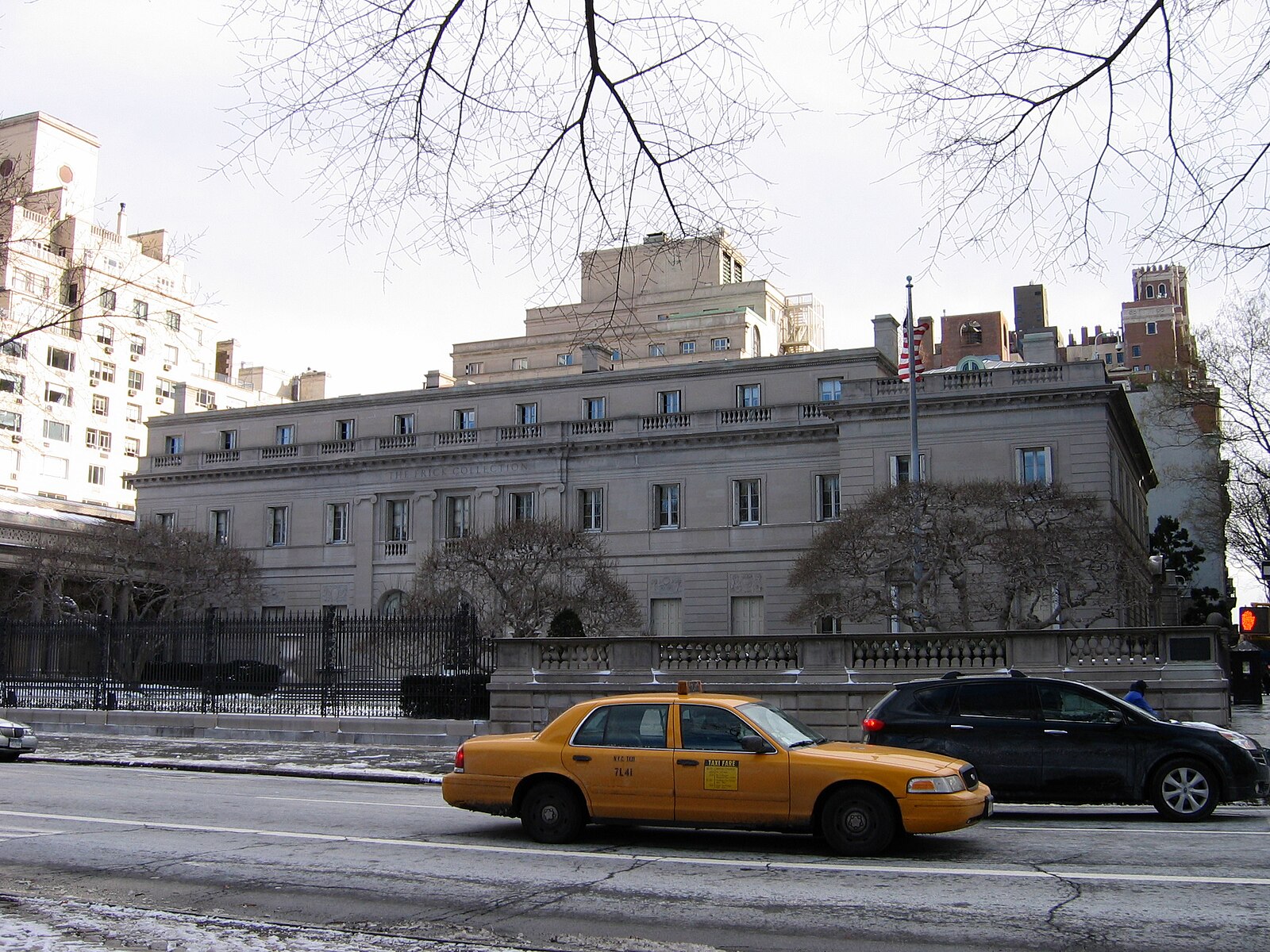
The chain of ownership on that single midblock site tells the story of Lenox Hill in miniature. Farmland to library to mansion to museum, each generation building something more refined on the same ground. The impulse has always been toward accumulation and preservation rather than demolition and replacement. It is the same impulse that runs through the co-op boards, the landmark designations, and the residents who have lived in the same apartments for 40 years. Things are maintained here because they are worth maintaining.
Lenox Hill townhouses on the side streets require a different cleaning approach for every floor
The side streets between Fifth and Lexington Avenues hold remarkable concentrations of Italianate, Queen Anne, and Renaissance Revival brownstone and limestone townhouses. Most date from the 1870s to 1890s and are protected within the Upper East Side Historic District, which was designated in 1981 and expanded in 2010. These are four and five story homes, 18 to 25 feet wide, with original stoops and interior millwork that survives because each successive owner understood what they had.
A Lenox Hill townhouse is not one cleaning job. It is four or five cleaning jobs stacked vertically. The parlor floor might have original pine planking that needs a different product than the kitchen stone tile one level down. The garden level may have flagstone that stains permanently with the wrong cleaner. Upper floors have plaster walls and wooden banisters that require different tools than the marble vestibule at street level. Each floor is its own micro-environment with its own materials and its own care requirements.
We send a two-person team for townhouses and allow a full working day for the initial clean. After that first visit, the recurring schedule is faster because the team already knows which product goes on which surface on which floor. That familiarity matters in a home where a mistake on the wrong material is not something you buff out. It is something a restoration contractor addresses.
These townhouses trade for $10 million to $25 million on the best blocks, and some have sold above $40 million. The cleaning standards match. Our house cleaning approach for Lenox Hill townhouses treats every floor as a separate scope of work, because in a landmarked home, the materials are not just surfaces. They are the reason the building is protected.
The Carlyle Hotel and the private clubs set the tone for how Lenox Hill expects to be treated
The Carlyle Hotel at 35 East 76th Street is a 35-story Art Deco tower completed in 1930 that functions as the social center of Lenox Hill. JFK used a private entrance when visiting. Woody Allen played clarinet with his jazz band in the Cafe Carlyle every Monday night for over 30 years. Bemelmans Bar on the ground floor has the only surviving Ludwig Bemelmans murals in a public space, painted in 1947 by the creator of the Madeline children’s books in exchange for a year’s room and board for his family.
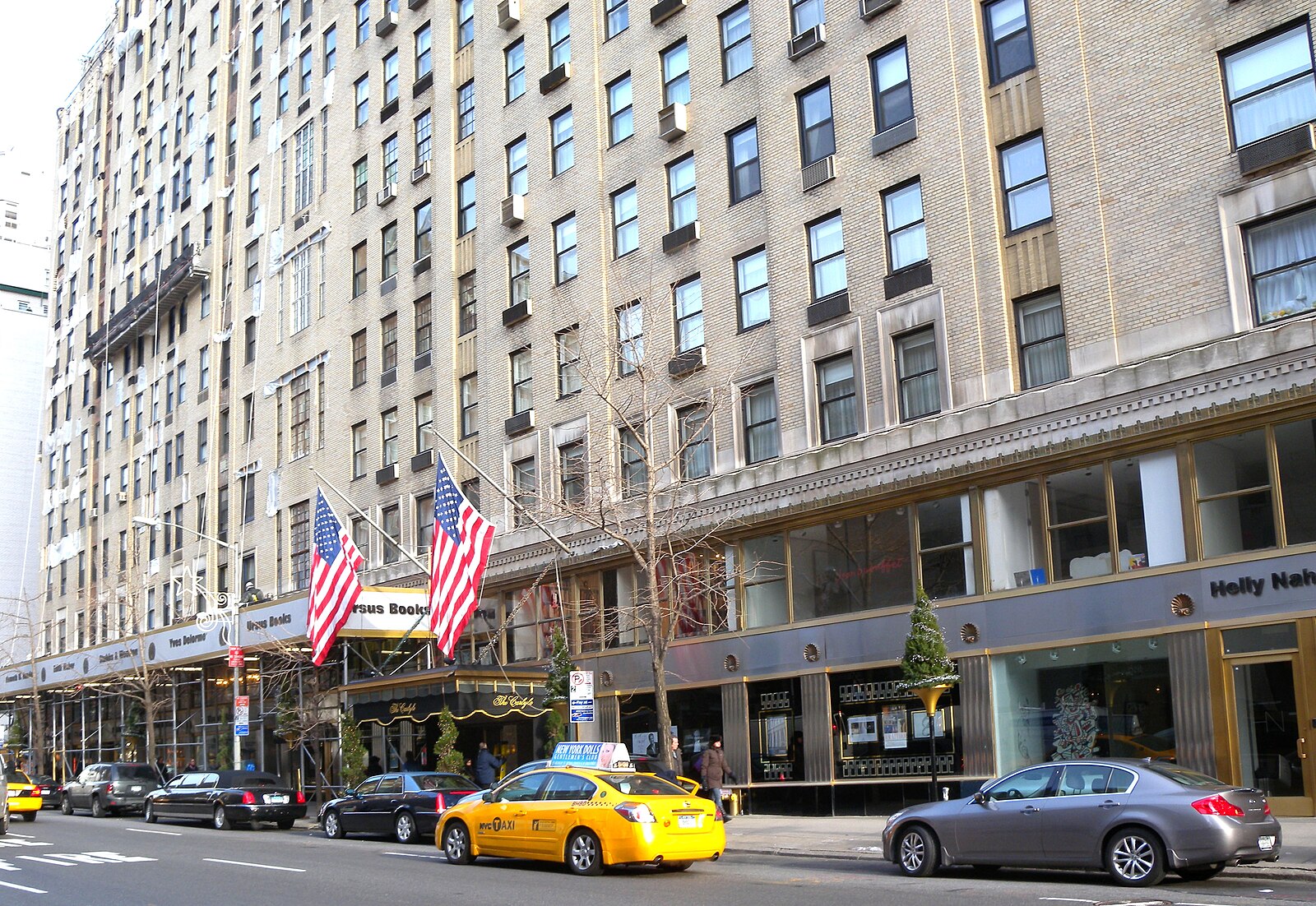
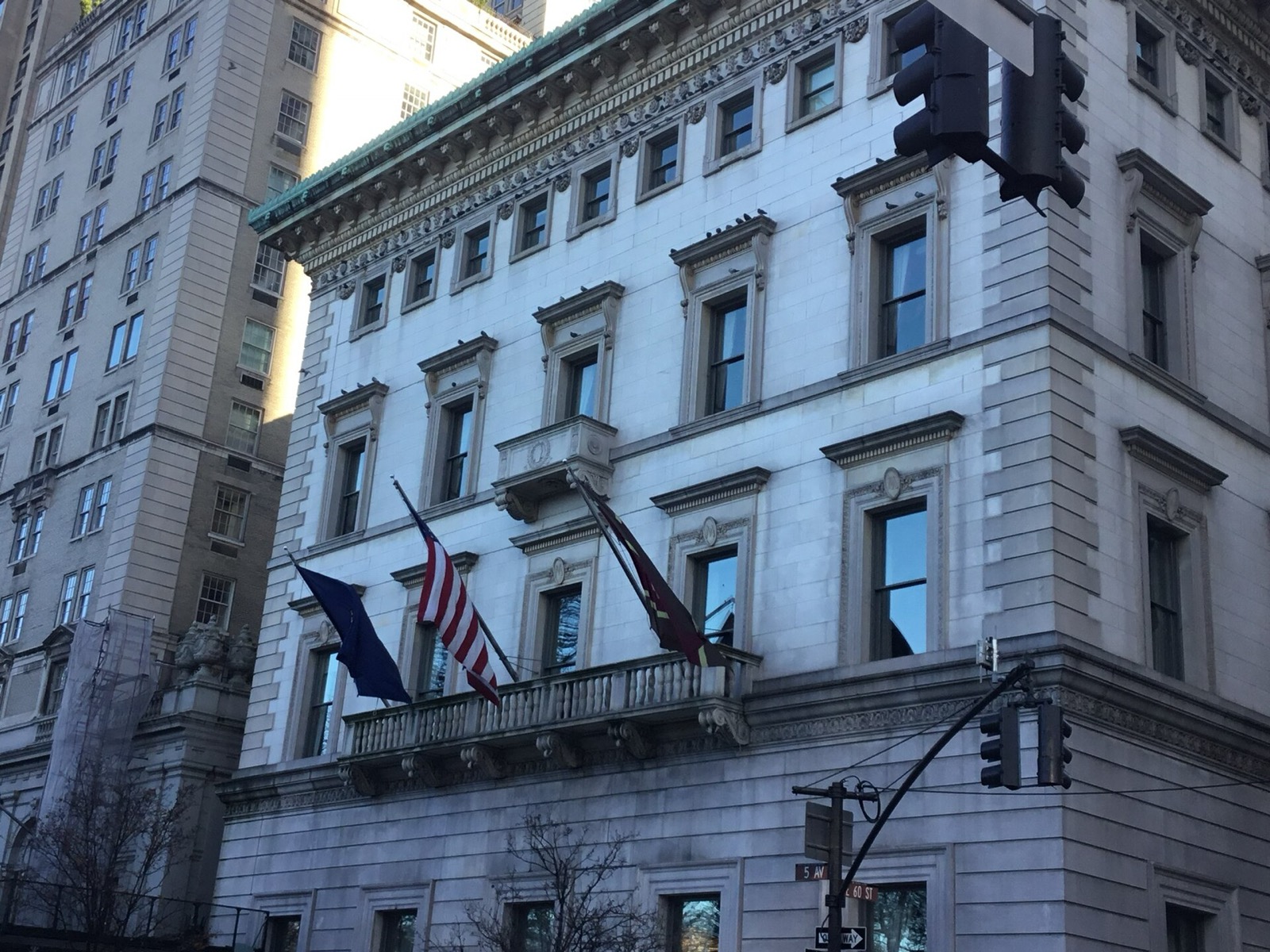
The Carlyle also operates residential suites for long-term residents who prefer hotel services to co-op ownership. These residents expect a level of discretion and competence that sets the standard for every service provider in the neighborhood. That expectation extends to the private clubs that cluster around Lenox Hill. The Metropolitan Club at 1 East 60th Street, designed by Stanford White and founded by J.P. Morgan in 1891. The Colony Club at 564 Park Avenue, the oldest women’s social club in the United States. The Knickerbocker Club at 2 East 62nd Street. These institutions operate on a set of assumptions about professionalism that filters into how residents evaluate every vendor who enters their building.
When we say we coordinate service elevator scheduling, file COI paperwork, and arrive through the service entrance in compliance with building protocol, we are describing the baseline. In Lenox Hill, the baseline is higher than most neighborhoods’ ceiling. Our cleaners are W-2 employees, vetted and insured, and they understand that the way they enter a building matters as much as the way they clean an apartment.
Lenox Hill apartment cleaning logistics start with your building’s rules, not ours
Every co-op west of Lexington Avenue in Lenox Hill has its own access protocol, and we already know most of them. Some buildings require a Certificate of Insurance naming them as additional insured. Some require a signed vendor agreement on file weeks before the first visit. Nearly all of them require 48-hour advance notice for any vendor and a reserved service elevator time window. A few of the Fifth Avenue buildings have freight entrance hours so specific that scheduling is its own logistics exercise.
If you have ever had a cleaning service turned away at the front desk because the paperwork was not filed, you understand why this matters. It wastes your time and it wastes theirs. Tell us your building name when you book your cleaning and our dispatch team handles everything with management before your first appointment. COI, elevator scheduling, advance notice, vendor registration. After the first visit, every subsequent notification is automatic. You do not think about it again.
The doorman buildings in Lenox Hill are also where word-of-mouth referrals move fastest. Residents who have lived in the same co-op for decades know each other. When one neighbor finds a cleaning service that handles the building’s protocols correctly and treats a 1930s apartment with appropriate care, the building staff and other residents hear about it quickly. We serve multiple units in several Lenox Hill buildings for this reason. The referral chain in a building where people know each other across 30 years of board meetings and elevator conversations carries more weight than any advertisement.
Your Saturday belongs at the Frick or Central Park, not cleaning radiator fins before October
The quality of daily life available to Lenox Hill residents is remarkable even by Manhattan standards. The Frick Collection is a 10-minute walk from most front doors. Central Park runs the entire western boundary of the neighborhood. Madison Avenue has galleries and cafes and flower shops that have served the same families for decades. Cafe Boulud sits inside the Surrey Hotel. JG Melon has been serving burgers and cottage fries at 74th and Third since 1972. The Asia Society at 725 Park Avenue presents art and culture in a building by Edward Larrabee Barnes that is itself worth visiting.
None of that is available to you when your weekend is consumed by the maintenance that accumulated during the week. The cast-iron radiators need their fins cleaned before October. The parquet needs proper treatment with the right solution, not a quick swipe with a generic mop. The plaster crown molding at 11 feet collects dust all year that a standard cleaning ignores because the team cannot reach it. The marble bathroom floors need a product that will not etch the stone. These are the tasks that eat a Saturday, and they are exactly the tasks that a trained team handles in three hours while you walk the park or sit at the Frick.
We serve Lenox Hill as part of our coverage of the entire Upper East Side and all of Manhattan. Our teams use the 6 train to 68th Street or 77th Street, or the Q and N/R at 72nd Street. We offer recurring apartment cleaning on weekly or biweekly schedules, deep cleaning for quarterly resets and pre-heating-season radiator work, and move-in and move-out cleaning for the active co-op and condo resale market. Our cleaners arrive on time, through the correct entrance, with the paperwork already filed.