You develop a weird skill after enough years of walking into apartments. You start reading the building before you ever reach the unit. The lobby, the hallway, the elevator, the stairwell. None of it is the apartment. But all of it tells you something about who lives there and how the job is going to go. After enough years and enough apartments, most of our cleaners do this without thinking about it. It’s not a checklist. It’s closer to a feeling that forms between the front door of the building and the front door of the unit.
I should be clear about what I mean, though, because this could easily sound like cleaners are walking in and prejudging how messy a place will be based on the hallway. That’s not it. You really can’t tell how clean or dirty an apartment is from the common areas. I’ve seen immaculate apartments in run-down buildings and genuinely challenging jobs behind the doors of buildings with marble lobbies. The condition of the apartment is between the person and their apartment. The common areas don’t predict that.
What they do tell you is the context, like who lives there, what kind of building it is, what the interaction is going to feel like, and practically speaking, what kind of access situation you’re walking into. That stuff matters a lot more to a cleaner arriving for a job than any guess about what’s behind the door.
The building lobby tells you about the demographic before anyone says a word
A doorman building in Midtown with a polished lobby and a concierge desk is a completely different job from a walk-up in Bushwick where you buzz yourself in. Not harder or easier. Just different in every practical way. In the doorman building, you’re probably checking in at the front desk, the doorman is calling up to confirm, and the client may or may not be home. The building might have rules about when cleaning crews can use the service elevator. There might be specific hours you can’t run a vacuum. The client is probably a professional who booked online and left a key with the doorman. You’re working independently in a quiet apartment, and the communication style is likely a note on the counter or a message in the app.
A smaller building with no doorman is a different dynamic entirely. The client is more likely to be home during the cleaning. Access might mean a lockbox, or they might buzz you in and be standing at the door. The interaction is usually more personal. They might walk you through the apartment and point things out. They might be around the whole time. Neither version is better or worse, but they’re genuinely different experiences for the person doing the cleaning, and the lobby tells you which one you’re walking into before you get any other information.
Somewhere in the middle are the big post-war buildings with a super but no doorman, or the newer mid-rise developments with a virtual buzzer system. Those have their own patterns too. The common area of the building is basically a preview of the logistics, not the cleaning itself.
Hallway floors and building age tell you about the apartment’s layout and surfaces
This is actually the more useful thing the hallway communicates. A prewar building with original tile in the hallway, old radiators, and thick plaster walls is going to have a prewar apartment behind the door. That means hardwood floors that need care, possibly a galley kitchen, a bathroom with old tile and grout, maybe a cast iron tub. A cleaner who’s been doing this a while already knows the layout before they walk in, because prewar buildings in NYC are remarkably consistent floor to floor. The hallway confirms the era, and the era tells you what surfaces you’ll be working with.
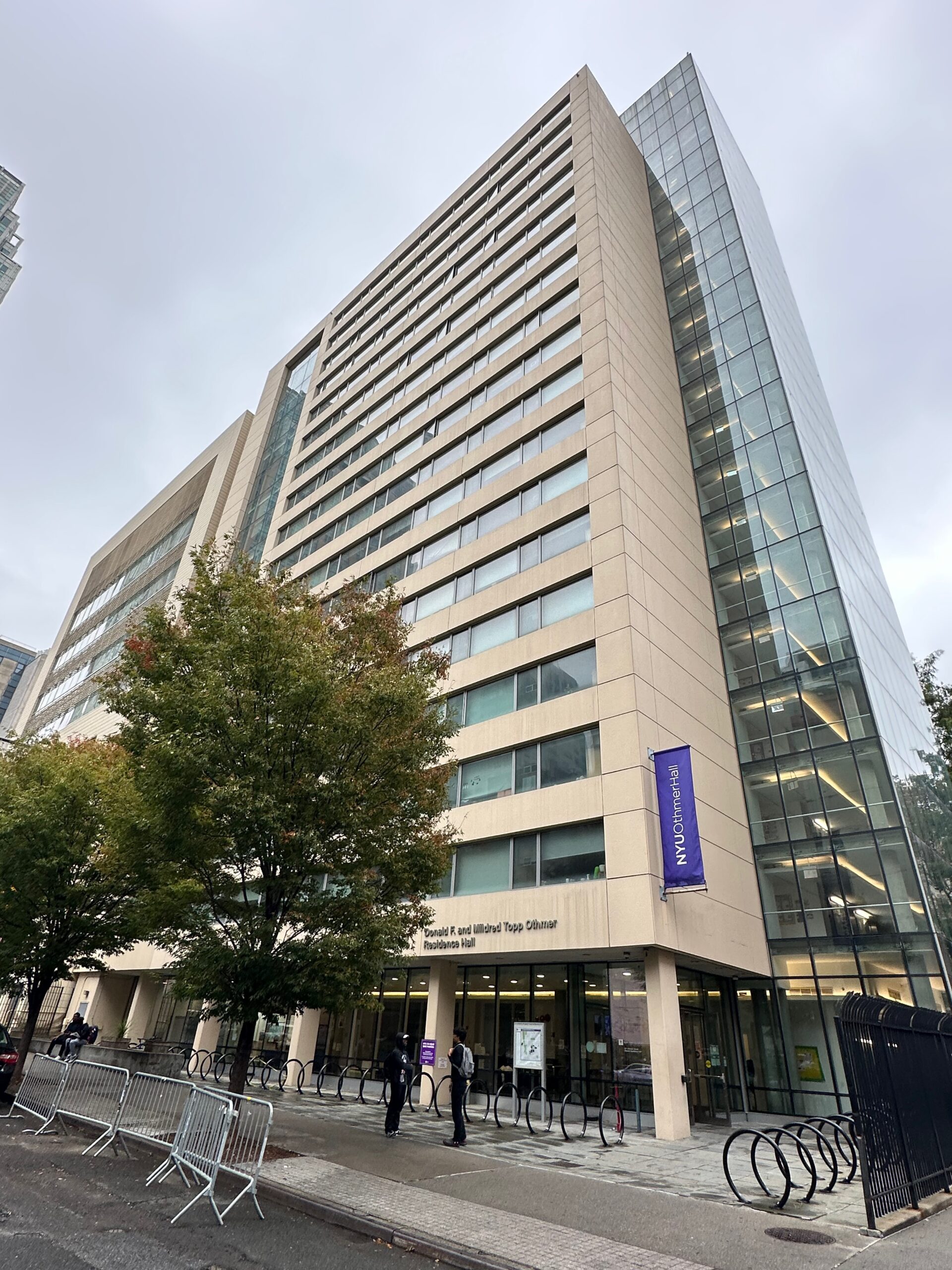
A new development is the opposite. Glass and steel lobby, wide hallways with recessed lighting, clean lines everywhere. The apartment is going to have quartz counters, a glass shower enclosure, and probably an open floor plan. Different surfaces, different products, different approach, which is really what cleaning services in NYC come down to when you think about it. And the hallway is genuinely where that distinction starts.
Even the hallway carpet matters in a practical way. If it’s old and thin, the building has been around and the units have character. If it’s that generic gray loop carpet that every mid-2000s renovation used, the apartments probably had a gut renovation at some point and you’re getting a hybrid, old bones with updated finishes. All of this is useful information for the person about to spend two or three hours inside.
The elevator and stairwell tell you more about an NYC apartment building than you’d expect
Elevators are small containers of demographic information. The scratches on the walls tell you whether people are moving in and out frequently, which usually means rentals. A freight elevator means the building is big enough to have dedicated service infrastructure, which usually means there are building rules the cleaner needs to know about. A tiny, slow elevator in a six-story building tells you the building was probably retrofitted, and the apartments might have quirks that come with that era of construction.
Stairwells tell you something else entirely. They tell you about the building’s management. A clean stairwell in an NYC apartment building is genuinely rare. Most buildings don’t prioritize stairwell maintenance because most residents take the elevator. When you see a clean stairwell, you’re looking at a building that sweats the details, and that usually means the building has rules about noise, about when deliveries happen, about what you can leave in the hallway. Those are things a cleaner needs to know. Not because they affect how you clean the apartment, but because they affect how you operate in the building.
The distinction is important. A well-managed building doesn’t mean the individual apartments are easier to clean. It means the building has expectations about how people behave in shared spaces, and that context shapes the job in ways that have nothing to do with scrubbing.
Common areas tell you context about the apartment cleaning, not quality
I think the reason this observation is interesting to me is that it’s entirely about context and not at all about quality. A cleaner walking through a hallway isn’t thinking “this building is nice” or “this building is rough.” They’re thinking about what to expect logistically. Will the client be home? Will there be a doorman to check in with? Is this a prewar layout or a modern one? Will there be building rules about noise or elevator use? Is parking going to be a problem? That’s the real read. It’s practical, not judgmental.
The truth is, the condition of someone’s apartment has almost nothing to do with the building they live in. People are individuals. A person in a luxury high-rise might need a serious deep cleaning and a person in a walk-up with peeling paint in the hallway might have the most organized apartment you’ve ever seen. After enough apartment cleanings in NYC, you learn pretty quickly not to make assumptions about the actual job based on the building.
But you also learn to read context. And context is everywhere in the common areas if you know what you’re looking at. Between the lobby, the hallway, the elevator, and the stairwell, you’re picking up on the demographic, the era, the infrastructure, and how the building is managed. None of it tells you what’s behind the door, but all of it helps you show up prepared.
If you’ve ever walked into a building and felt like you immediately understood something about the place, that’s the same instinct. You’re just reading the common areas. Cleaners do it professionally, but honestly, everyone does it a little. The hallway talks. You just have to know what it’s actually saying, which is almost never about cleanliness, and almost always about everything else.