
The Bushwick loft you moved into three years ago was a sock factory in 1940. The concrete floor is original. The ceiling beams are the bones of the building that produced 10,000 pairs of socks a week in a neighborhood that once made beer for half of New York City. That floor is also one hard scrub away from permanent scratching if someone uses the wrong pad on it, and the radiator along the west wall — a cast-iron model from roughly the same era as the building’s original tenants — has probably not had its fins cleaned since the last deep winter. This is the cleaning reality of living in Bushwick.
Maid Marines has cleaned over 100,000 homes across New York City. Our cleaners are W-2 employees, not gig workers. They show up with the right products for the specific surface in front of them, which in Bushwick means the approach changes building by building and floor by floor.
What your building type actually asks of a cleaning team
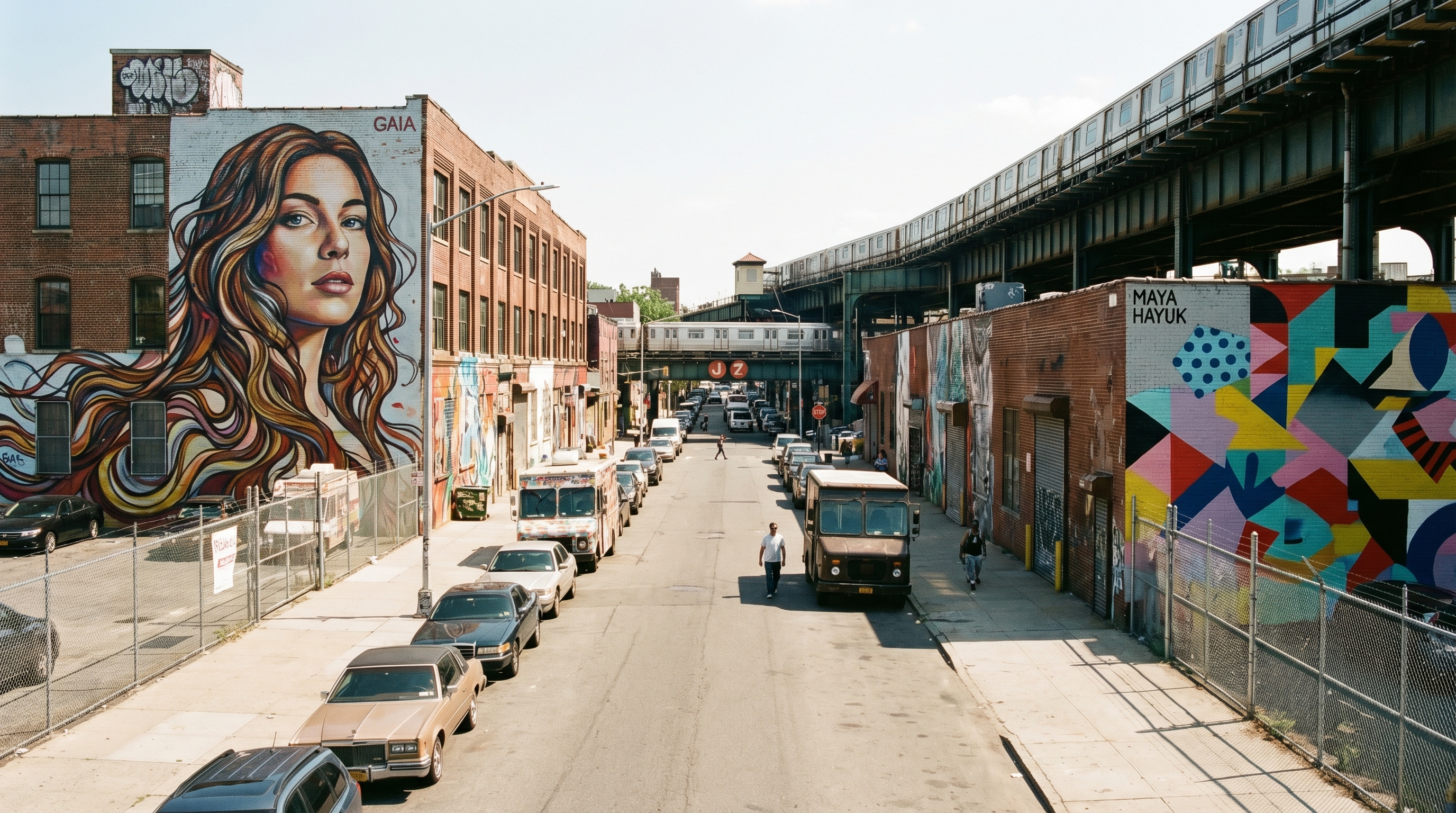
Bushwick’s housing stock is not uniform, and cleaning it is not either. The neighborhood’s three ZIP codes contain more than six decades of construction history compressed into adjacent blocks.
The former factory and warehouse loft conversions that run through the 11237 corridor between Cypress and Irving Avenues are the most demanding spaces to clean correctly. Polished concrete floors will scratch permanently if an abrasive pad touches them. Exposed brick walls shed dust continuously and require soft brushing, not wiping. The open floor plans are enormous continuous surfaces that show everything. Ceiling heights of 12 to 16 feet mean dust accumulates on beams and light fixtures that a standard cleaning crew will not reach. Our teams carry extension equipment built for these spaces and they use pH-neutral cleaners formulated for sealed concrete. They clean top-down so dust does not settle on already-cleaned floors below.
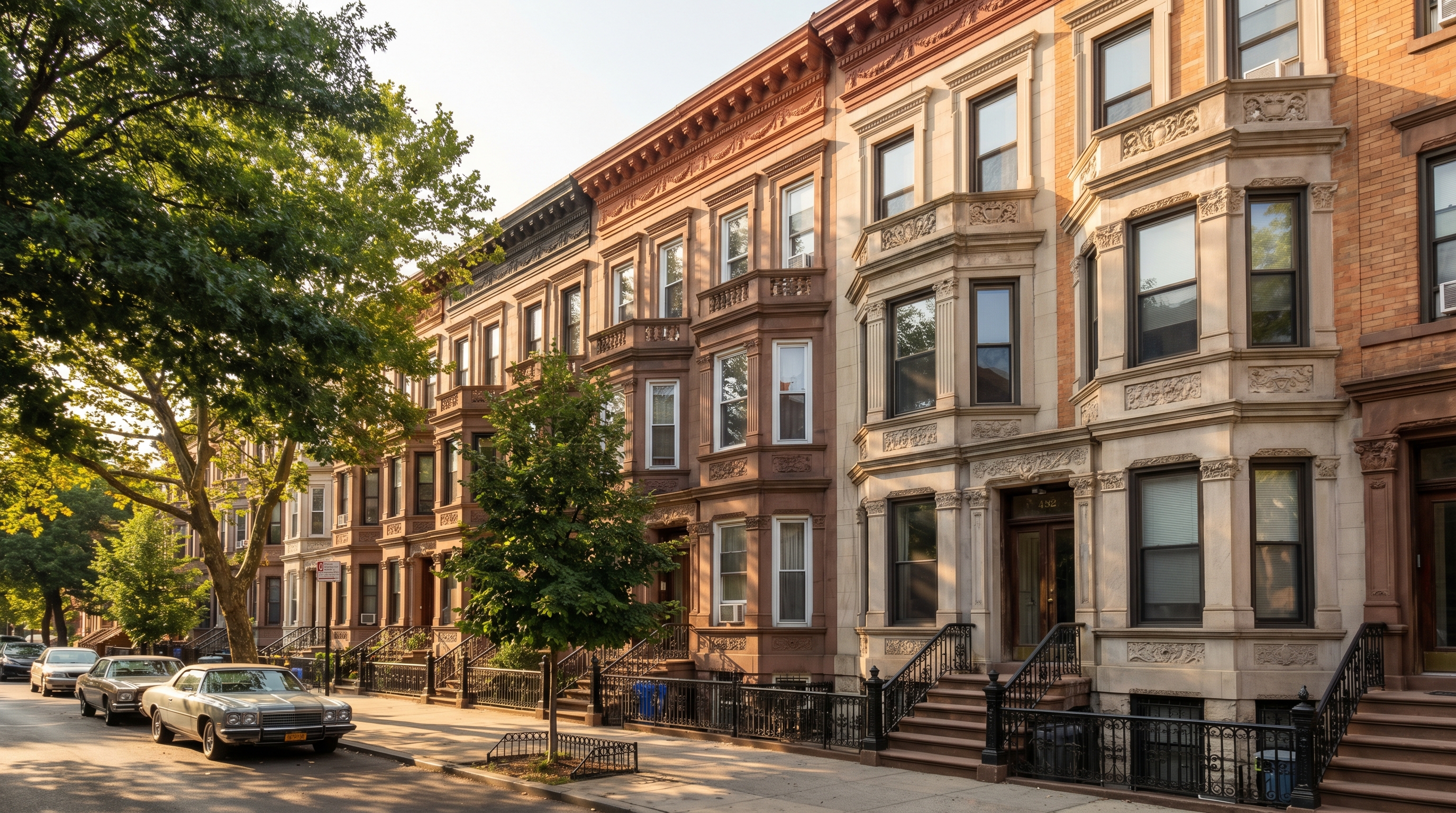
The prewar walk-up tenements on blocks like Starr Street, Wyckoff Avenue, and the rowhouses off Jefferson and Halsey Streets are a different assignment. More than 60 percent of Bushwick’s housing stock was built before 1940. These buildings typically have plaster walls that mark where someone pressed too hard, cast-iron steam radiators whose fins collect an entire season of dust, original hardwood floors that may or may not have been refinished at some point in the last century, and the occasional tin ceiling on the top floor that requires a soft brush rather than a damp cloth. The radiator fins matter enough to call out specifically: they load up with dust through the warm months and incinerate it all the first time steam comes through in October, which is where that particular burning smell comes from every year.
The two- and three-family rowhouses along Knickerbocker Avenue and the blocks running north from Myrtle Avenue are the neighborhood’s owner-occupied housing. These buildings often have one family per floor, original hex tile in the bathrooms, and kitchens that reflect decades of cooking at high volume. The grout on old hex tile can be fragile, and the tile itself is often laid over subfloor that has shifted over time, leaving uneven surfaces that require care. Our apartment cleaning teams carry separate products for hardwood, tile, and stone and switch between them as they move through the space.
New construction along the L train corridor — the four-to-six-story mixed-use buildings within two blocks of Jefferson Street and Morgan Avenue stations — is a different animal entirely. Engineered hardwood, polished stone counters, and high-gloss finishes are the baseline here. These surfaces clean quickly and show fingerprints immediately. The price and the approach for a 650-square-foot new-construction one-bedroom and a 1,400-square-foot former industrial loft are different because the spaces are genuinely different.
Loft cleaning requires a different approach than apartment cleaning in a prewar building
A deep cleaning in a Bushwick loft conversion means reaching the top of 14-foot ceiling beams, pulling construction dust from the channels around industrial windows, cleaning between exposed brick courses, and reaching light fixtures that have never been touched since the building was converted. Standard cleaning equipment does not reach these points. Our teams bring the right extension tools and budget the time to use them.
If you have moved into a loft that was recently renovated, you are living with what contractors leave behind: concrete dust that settles into every horizontal surface, grout haze on tile that starts to set within 24 hours, caulk residue around new fixtures, and the general debris of a build-out. Post-renovation cleaning in Bushwick is one of our most common deep cleaning requests. The sequence matters. You dry-dust everything from ceiling to floor before introducing any water, because wet mopping over settled concrete dust turns it into a paste that is harder to remove than the dust itself. Then you work through the grout haze with a purpose-made remover before the standard floor clean.
For house cleaning on a recurring basis in a loft space, the main challenge is the floor. Concrete shows footprints, pet hair, and debris more dramatically than carpet or wood, which is partly what makes loft living feel so immediate and partly what makes a neglected loft look terrible faster than a neglected carpeted apartment. A regular cleaning schedule — biweekly works well for most loft-occupying households — keeps the surface from accumulating the kind of embedded grime that requires a full deep treatment to remove.
Your cleaning window runs about three hours, which is enough time to cover serious ground
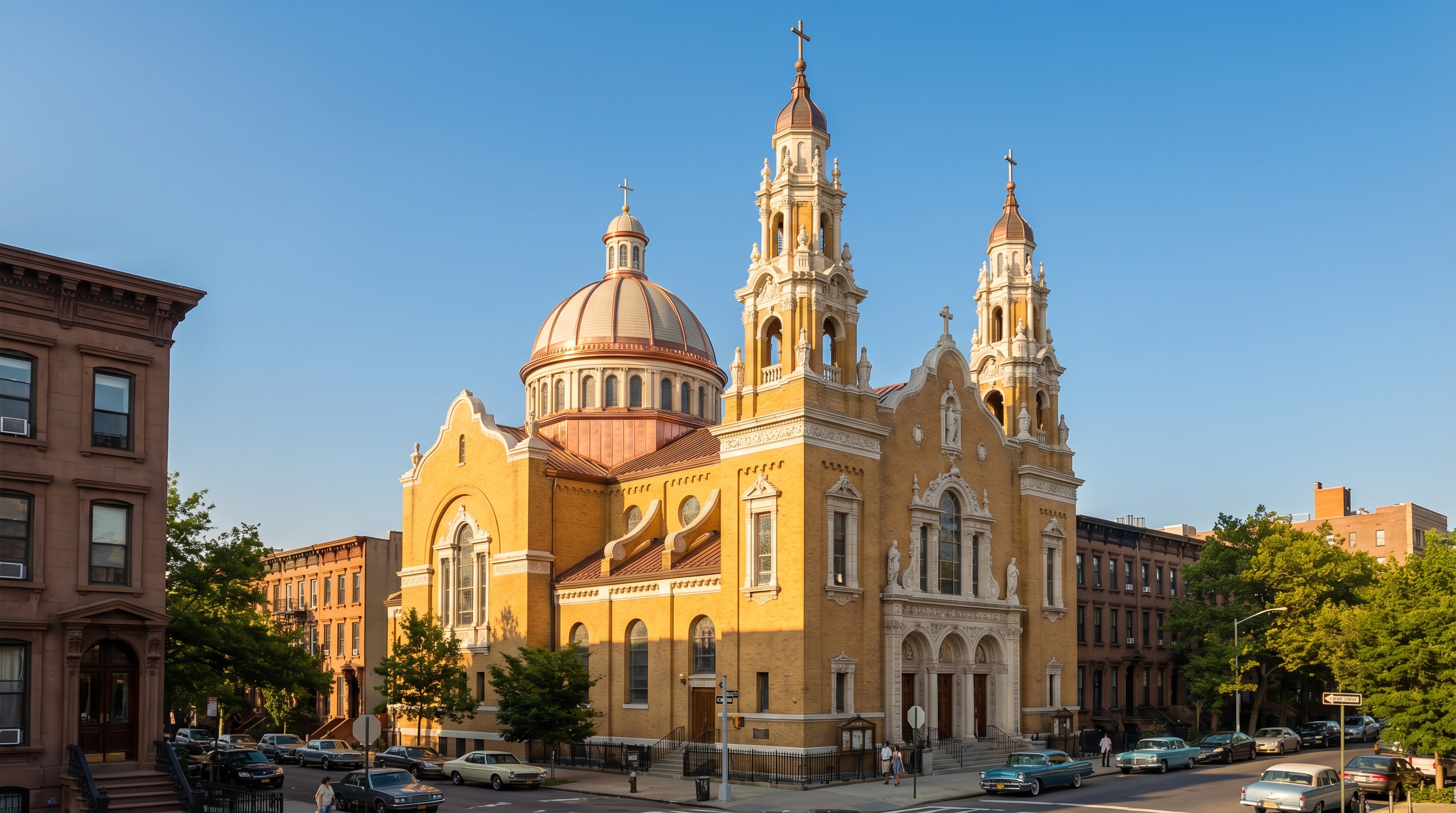
The Bushwick Collective’s murals on Troutman Street between Irving and Cypress Avenues are repainted every six to ten weeks, which means a photograph taken today will look completely different from one taken in the fall. Watching the collection rotate is a reason to spend time on that six-block stretch regularly, not once. If your cleaning appointment is on a weekend morning, that walk is worth the 20 minutes it takes from the Morgan Avenue L stop.
Faro on Jefferson Street is Bushwick’s most recognized restaurant — James Beard semifinalist, handmade pasta, a wine list that reflects the same attention as the food. It is four minutes from the L train and the kind of place where two hours disappear without effort. Bunna Cafe on Flushing Avenue handles the plant-based side of the neighborhood’s dining scene with vegan Ethiopian cooking that draws a crowd well beyond the neighborhood. Maria Hernandez Park on Irving Avenue is two blocks of benches, afternoon light, and the low-key energy of a neighborhood that has been gathering in this particular green space for decades.
Palmetto on Ingraham Street and Wonderville on Broadway cover the bar end of the cleaning window. Palmetto does inventive cocktails at prices that have not tracked with Williamsburg. Wonderville pairs bar service with an indie arcade showcasing experimental games that are completely unlike anything in a commercial venue. Yours Sincerely on Irving Avenue operates what it calls a cocktail laboratory, which is either pretentious or accurate depending on your tolerance for that kind of thing, but the drinks support the claim.
Recurring cleaning for the Bushwick renter’s market
The homeownership rate in Bushwick is 16 percent. This is a neighborhood of renters, which means it is also a neighborhood of frequent moves, apartment turnovers, and the specific cleaning problem of returning a unit to its pre-occupancy condition.
Move-in and move-out cleaning is a different category of work from recurring maintenance. The scope is exhaustive: inside every cabinet, inside the oven, behind appliances, full bathroom descale, window sills, blinds, baseboards, and the grout on floors that may have been cleaned partially and sporadically for three years. For loft conversions and railroad apartments in rowhouse buildings, that scope can add up. You see your flat-rate price on the booking page before you commit.
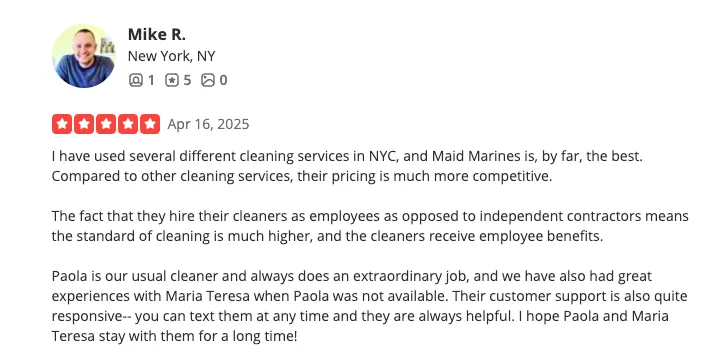
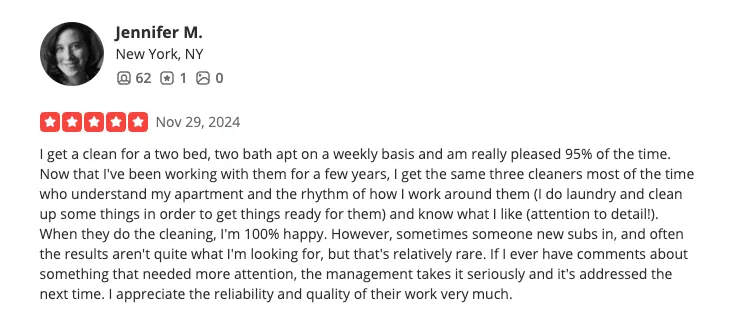
For recurring cleaning, we assign the same cleaner or team to your home. Consistency matters in Bushwick specifically because the dwelling types are so varied. The person who learns your concrete floor, your radiators, your exposed brick, and your light fixture situation will clean the space better on the third visit than on the first. The first visit is observation. The second visit is calibration. The third visit is the rhythm you will want to hold.
Getting in and out of your building is handled before the appointment starts
The L train serves Bushwick from four stops: DeKalb Avenue, Jefferson Street, Morgan Avenue, and Halsey Street. Our teams use the L from Manhattan and from other Brooklyn neighborhoods. If you are in the eastern reaches of the neighborhood closer to the Cypress Hills border, the J and M trains on Broadway or the bus routes along Knickerbocker and Halsey Avenues are the more direct access points. We route based on your address, not your ZIP code.
Building access in Bushwick is rarely the complicated vendor coordination required in pre-war co-ops on Prospect Park West. Most Bushwick buildings are rental walk-ups without doormen and without formal vendor clearance requirements. Lockbox access and a key hold in a local spot are both fine. If your building does have a super who needs to let people in, or a front door code that changes periodically, the logistics note in your booking handles that. We confirm access details before every appointment.
We are fully insured and bonded. If your building or landlord requires a Certificate of Insurance before any vendor enters, we furnish those regularly. It is not a common requirement in Bushwick’s rental buildings, but it does come up in newer mixed-use properties, and we have the paperwork ready.
Book your Bushwick cleaning here and see your flat-rate price before you commit to anything.
We also serve nearby Williamsburg, Bed-Stuy, Greenpoint, and Ridgewood.