
Mill Basin sits at the end of a peninsula that juts into Jamaica Bay, surrounded on three sides by water, insulated from the rest of Brooklyn by the Belt Parkway to the west and the tidal inlet to the south and east. There is no subway. The streets curve away from the grid. On National Drive, a cul-de-sac that terminates at the water, the houses are so large and so elaborately ornamented that you could mistake the street for a movie set if it were not for the Canada geese waddling past the wrought-iron gates.
This is one of the most unusual neighborhoods in Brooklyn, and one of the least written about. It does not fit any of the borough’s dominant narratives. It is not gentrifying brownstone Brooklyn, not housing-project Brooklyn, not hipster-bar Brooklyn. It is something older and stranger: a postwar peninsula neighborhood where the original working-class brick bungalows have been torn down one by one and replaced with custom stucco mansions, where the waterfront lots command prices that would not embarrass the Upper East Side, and where the ducks in the canal behind the boat docks seem indifferent to all of it.

The land itself tells you why cleaning here is different from the rest of Brooklyn
Mill Basin’s history begins 350 years ago on a tidal island called Mill Island, where a Schenck family gristmill ground grain using the rise and fall of Jamaica Bay tides. The Canarsee Lenape called the surrounding archipelago Equandito, meaning “broken land,” which described precisely what the terrain looked like: tidal channels cutting through salt marsh, islands separated by creeks, land and water interpenetrating at every edge. The island was farmland, then industrial shipyards and drydocks, then connected to the mainland by landfill and parkway construction. When residential developers arrived in the late 1940s and 1950s, they built on land that had been rearranged from its original shape.
What that history means for housekeeping today is that Mill Basin homes sit in a waterfront microclimate. The humidity off Jamaica Bay is measurably higher than inland Brooklyn. Salt air accelerates the oxidation of metal fixtures, the fading of window hardware, and the degradation of grout in bathroom tile. Homes with private docks accumulate marina-grade grime in the mudroom and back entry: diesel, salt spray, and the particular kind of tracked-in debris that comes from spending time on a boat. Basements and crawlspaces in homes this close to the water table require vigilance in a way that an apartment twelve floors up simply does not.
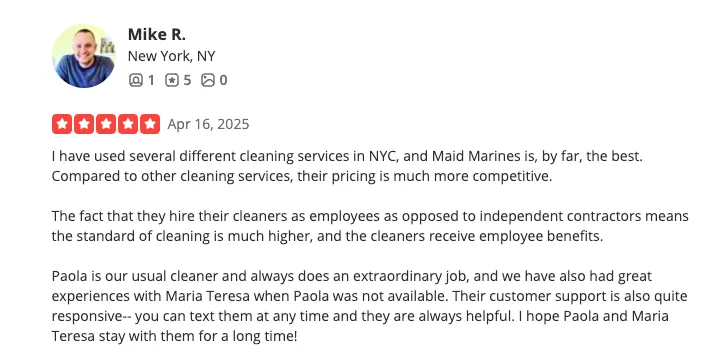
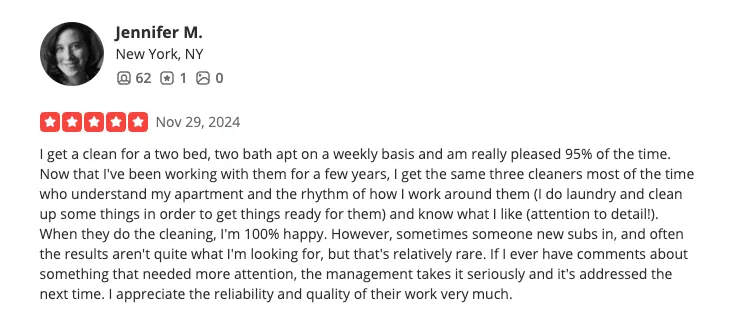
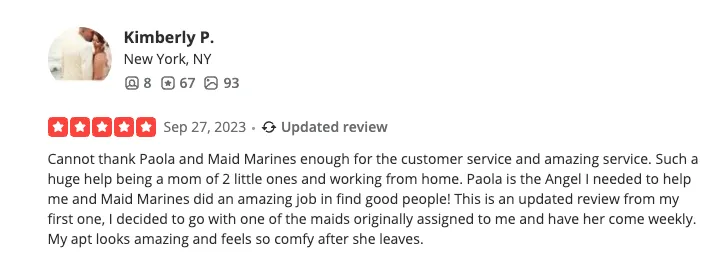
Our house cleaning teams who work in Mill Basin know this. They clean the same homes season after season and understand what changes between winter and August, when the boats are running and the back doors are open and the bay is ten feet from the property line.
The housing stock here rewards a cleaning team that pays attention to surfaces
Mill Basin’s residential landscape falls into two broad categories that sit side by side on the same blocks. The first is the original postwar construction: brick ranch houses, split-levels, and semi-detached homes built from the late 1940s through the 1960s. These are solid, compact homes with hardwood floors, ceramic tile bathrooms, plaster walls, and the kind of quality that postwar construction delivered at its best. The second is the newer custom construction: stucco-faced single-family homes built on the same 50-by-100-foot lots after the original bungalows were torn down, often three stories or more, with marble entry halls, formal dining rooms, multiple full bathrooms, finished basements, and covered back terraces facing the water.
These two housing types have completely different cleaning requirements, and they often appear on the same residential block.
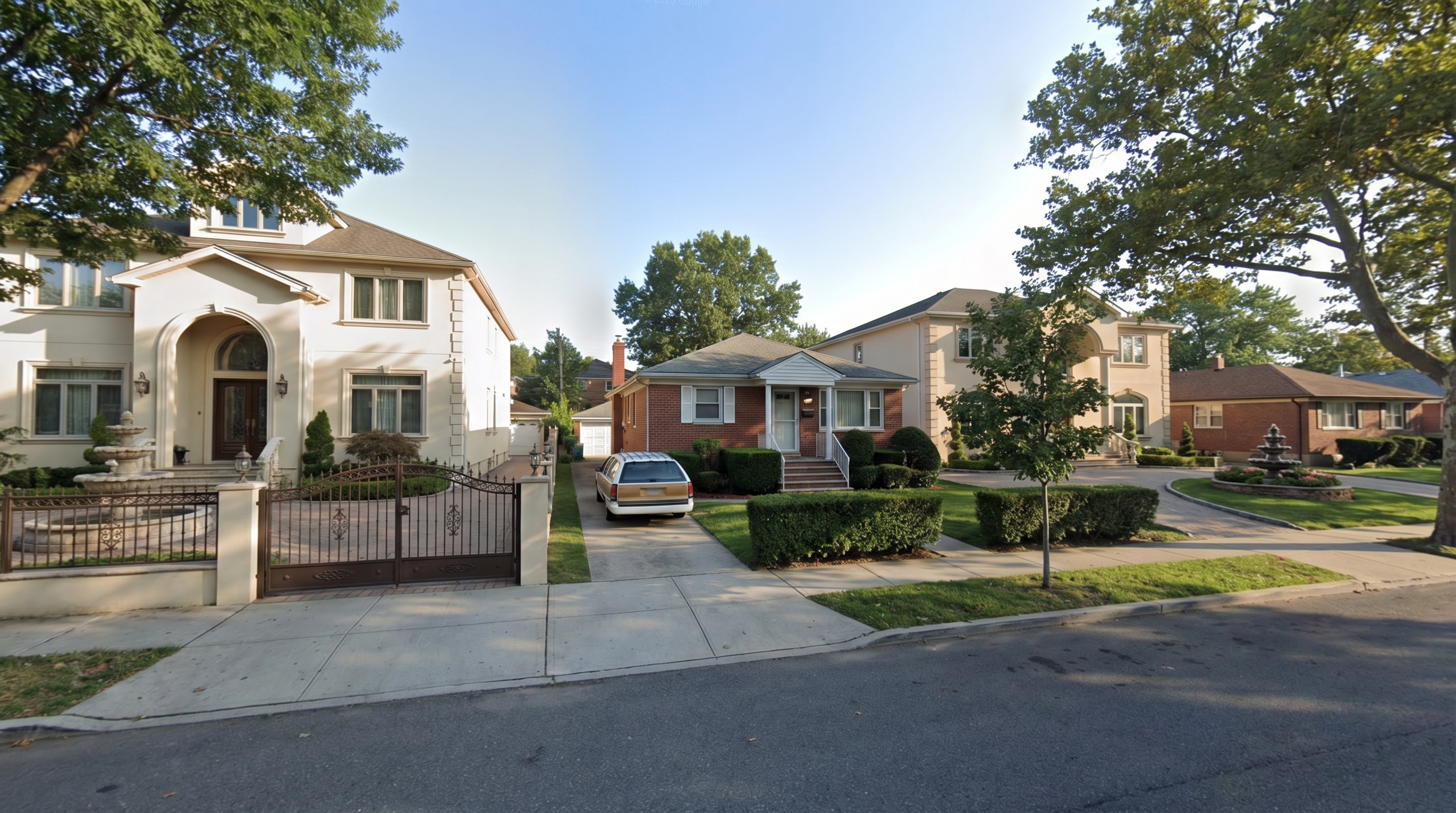
The original brick ranches have original hardwood floors that may be waxed rather than polyurethaned, which means water and ordinary spray cleaners will damage the finish over time. The ceramic tile in their bathrooms is often older and has grout that cannot tolerate acid-based cleaners. The plaster walls need a gentler touch than modern drywall.
The newer custom homes bring their own demands. Marble and travertine floors throughout the main level require pH-neutral products only. Multiple bathrooms with different tile and stone finishes need different approaches for each room. Steam-shower enclosures require specific glass cleaners that do not leave mineral residue. Large open-plan kitchens with professional-range hoods accumulate grease in ways that a standard kitchen does not.
Our deep cleaning visits in Mill Basin account for both types. We bring separate products for stone, hardwood, and ceramic. We do not use the same mop on a marble entry hall that we use on a ceramic tile kitchen, and we do not use the same cleaner on a waxed original hardwood floor that we use on a polyurethaned surface. These details matter in homes this size and this varied.
A neighborhood where houses are large and cleaning is genuinely time-consuming work
The median home size in Mill Basin is substantially larger than in the rest of Brooklyn. A mid-block four-bedroom detached home with a finished basement and two and a half bathrooms is not an unusual configuration. A waterfront property on National Drive or Strickland Avenue might have six bedrooms, four bathrooms, a formal living room, a family room, a home office, a laundry room, a finished basement with a gym, and a back terrace that opens to the dock.
These are genuinely large houses, and they require a different level of organization than a two-bedroom apartment. The cleaning visit for a home this size takes real time. Crown moldings at nine and ten feet collect dust. The formal dining room that gets used once a month still accumulates dust on every surface. The guest bathroom that no one uses still needs to be cleaned. The back mudroom where everyone enters from the dock accumulates whatever came off the boat.
We have cleaned over 100,000 homes across New York City. We know how to move through a large Mill Basin house efficiently without missing the details that matter. The base of each radiator, the ledge above each doorframe, the grout line in the shower floor that looks clean until it does not — these are the things that differentiate a professional clean from a rushed one.
Book a cleaning and see your flat-rate price before you commit. No surprises.
The Avenue U commercial corridor is the neighborhood’s main street
Avenue U runs along Mill Basin’s northern edge and functions as the neighborhood’s primary commercial and social axis. The stretch from Flatbush Avenue east to East 68th Street carries a range of businesses that reflects the neighborhood’s evolving demographics: Italian-American delis that have operated for fifty years alongside Uzbek restaurants, Israeli-American bar and grills, Caribbean cuisine, and the mix of everyday service businesses — pharmacies, dry cleaners, hardware stores — that sustain a residential community.
The Mill Basin Kosher Deli on Avenue T is the neighborhood’s most famous institution and one of the last genuine Jewish delicatessens in Brooklyn. The pastrami and corned beef have not changed since the 1970s, and the atmosphere has changed only marginally more. Samarkand Nights brings Uzbek food to a corridor that reflects the Russian-speaking immigrant community that arrived in Mill Basin’s later decades. Michael’s of Brooklyn, operating since 1964, serves the red sauce Italian tradition with the consistency that only decades of practice produces.
The commercial strip is better than its outer-borough anonymity suggests. Mill Basin’s residents know where to eat. The lack of subway access has, in a counterintuitive way, insulated these businesses from the kind of rapid turnover that subway-adjacent neighborhoods experience. The clientele is local, loyal, and not going anywhere.
Move-in and move-out cleaning for a real estate market where homes trade at a premium
Mill Basin’s median home sale price has been running between $825,000 and just under $1 million in recent years, with waterfront properties beginning around $1.6 million and rising well above $2 million on the desirable cul-de-sacs. For a sale at this level, the condition of the home at handoff matters.
A proper move-in and move-out cleaning for a Mill Basin detached home means cleaning inside every cabinet and drawer, washing down refrigerators and ovens, cleaning bathroom tile and grout thoroughly, wiping down every surface including baseboards and window sills, and leaving the house in the condition a buyer or new tenant expects. In a four-bedroom detached home with a finished basement, this is a full day of professional work done properly.
We handle move-out cleaning across Brooklyn regularly and understand that real estate timelines are unpredictable. If you have a walkthrough scheduled and need a cleaning done on short notice, book online and note the timeline in the comments. We will do our best to accommodate it. The alternative — handing keys to a buyer when the house is not clean — is not an option anyone wants.
Recurring service for homeowners who maintain their houses seriously
Mill Basin’s homeownership rate is among the highest in Brooklyn, estimated above 65 percent of all housing units. These are people who have invested substantially in their properties and maintain them with care. The lawn is manicured. The driveway is clean. The exterior is kept up. The interior deserves the same attention.
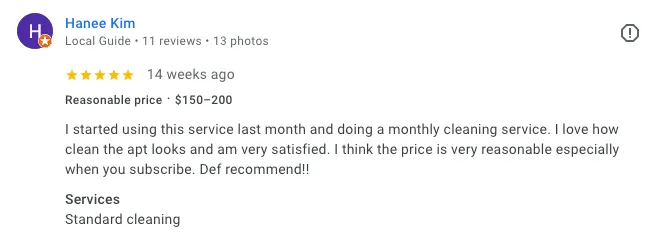
A recurring apartment cleaning or house cleaning visit on a weekly, biweekly, or monthly schedule keeps a large Mill Basin home at a standard that a one-time cleaning cannot achieve by itself. The recurring team learns the home: which floors need what products, where the dog’s mud comes in, what the formal rooms need versus what the kitchen needs after a weekend of cooking. The consistency produces results that a rotating cast of cleaners never will.
We assign the same team to your home on every recurring visit. If something changes, you hear from us in advance. This is how we have served southeastern Brooklyn neighborhoods, and it is the level of service that owners of homes this size expect and deserve.