
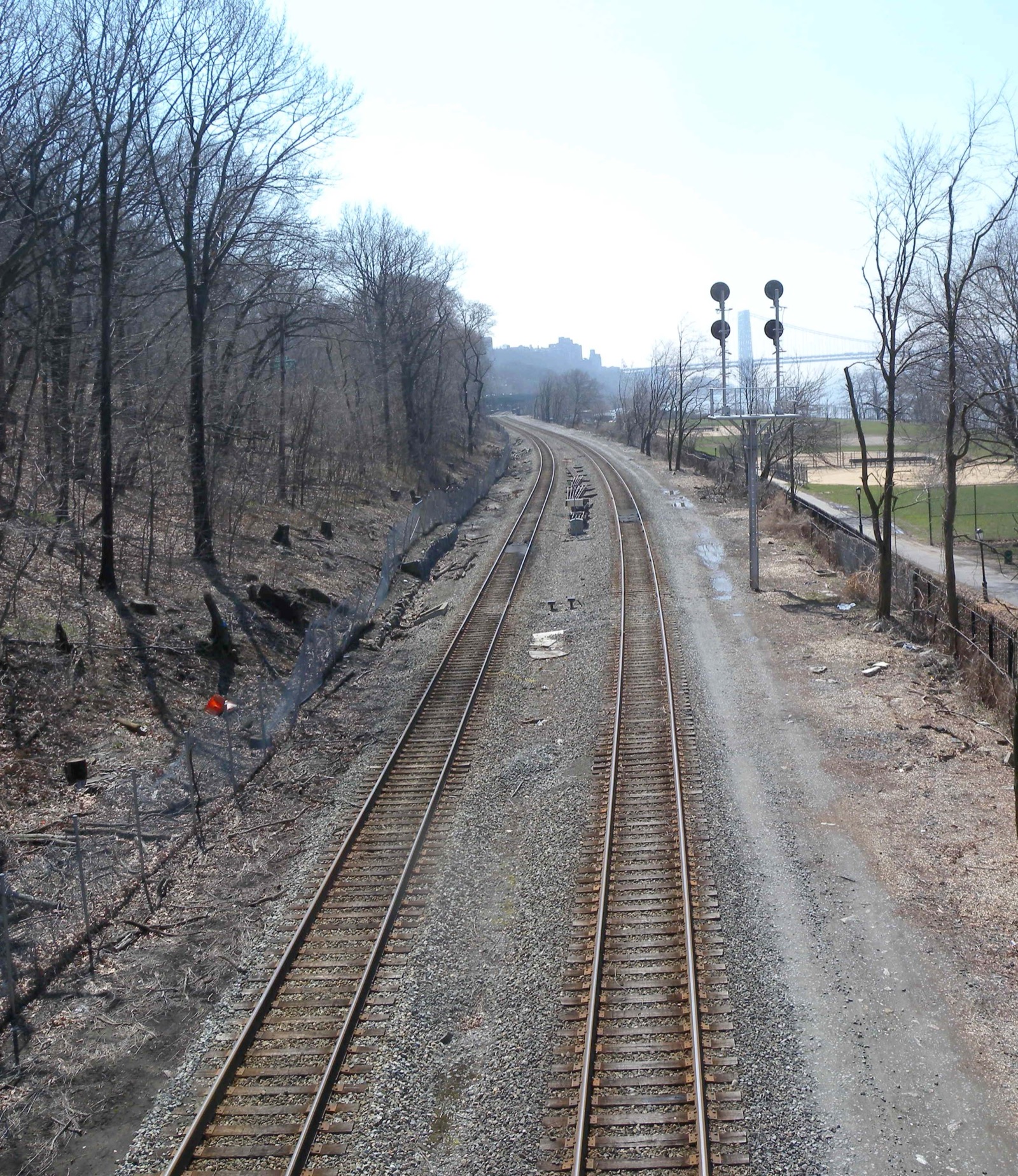
Inwood is the last place on Manhattan where you can walk into a forest and forget you are on the most developed island in the Western Hemisphere. The 196 acres of Inwood Hill Park contain the only old-growth forest remaining on the entire island. Tulip trees that were growing before the Dutch arrived still stand on the rocky ridge above the Hudson. Lenape people sheltered in the caves beneath those trees thousands of years before anyone drew a property line. And one block east of all that, Dyckman Street is running at full volume on a Saturday night, Dominican restaurants open past midnight, bachata coming through every open door.
That is the neighborhood. Two lives running simultaneously, and the cleaning challenges that come with it are specific to this part of the city. The apartment stock is almost entirely pre-war, built in the 1920s when the subway first reached 207th Street and turned farms into city blocks within a single generation. The tenants who live in these buildings have stayed for decades. The forest that borders them on the west drops pollen and leaves into their windows six months of the year. The kitchens run daily with cooking traditions brought from the Dominican Republic two generations ago. Each of those facts creates a specific cleaning reality that does not exist anywhere else in Manhattan.
Pre-war walkups in Inwood carry almost a century of settled-in dust and cooking residue
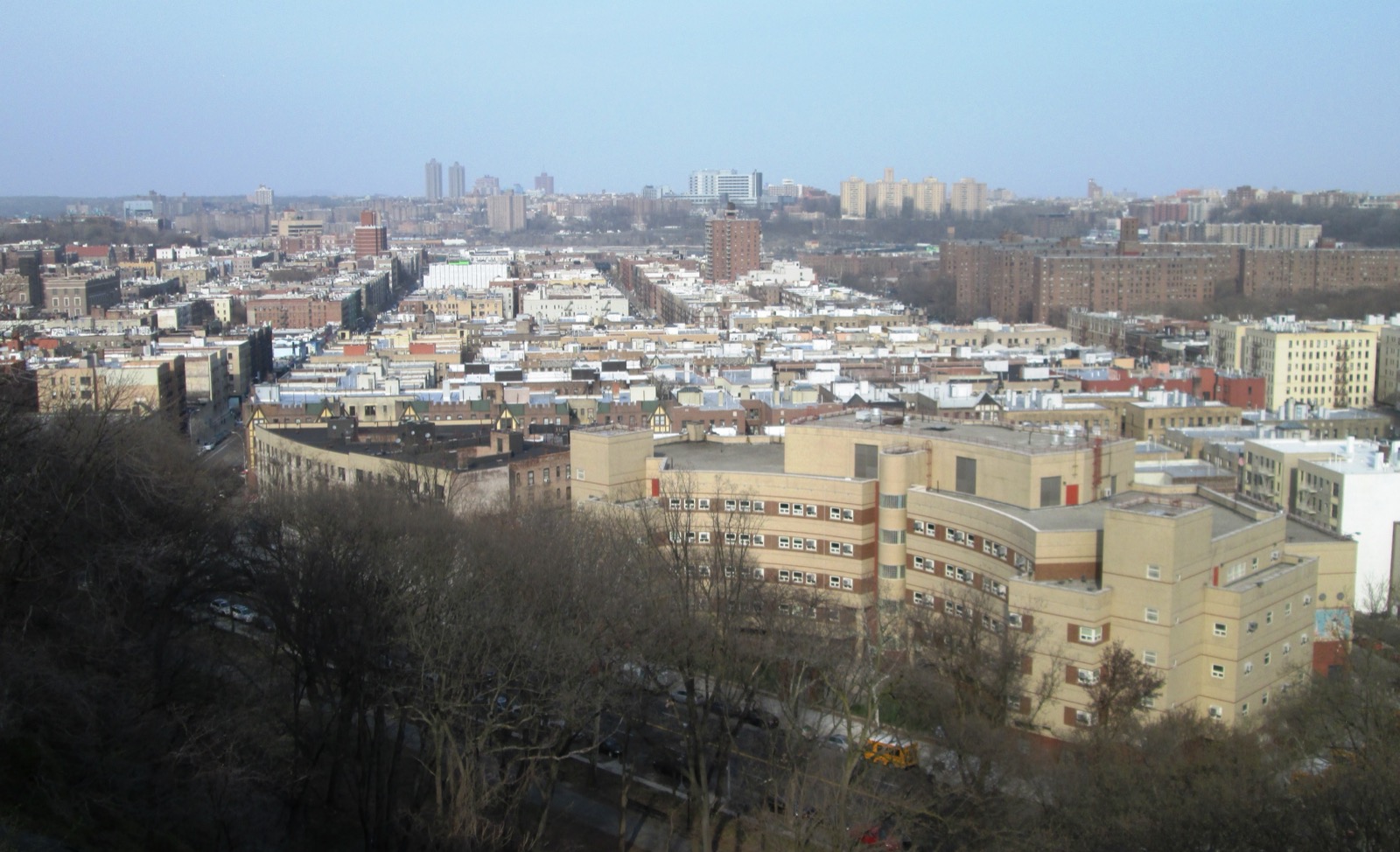
The defining housing type in Inwood is the six-story pre-war brick apartment building, built during the 1920s construction boom that followed the subway’s arrival at 207th Street. These buildings fill virtually every residential block between Broadway and the park. Thick masonry walls, ornamental terra cotta facades, generous room sizes by modern Manhattan standards, fire escapes on the street side, and in many cases, original lobby tilework that somehow survived a century of foot traffic.
Most of these buildings are rent-stabilized, which means tenants stay for decades. A family that moved into a Vermilyea Avenue apartment in the 1980s may still be there. That kind of tenure means the apartment has absorbed 30 or 40 years of daily use. Cooking grease films on kitchen ceilings. Dust packed into cast-iron radiator fins that burns off every October and fills the apartment with that scorched-lint smell. Wax buildup on hardwood floors that has not been stripped since the last refinish. Paint layers on windowsills so thick the windows barely open.
The first cleaning in one of these apartments is almost always a deep clean. We work surface by surface, top to bottom, and reset everything. The radiator covers and the vent grilles get dusted and the floor behind them gets vacuumed. The kitchen gets degreased from range hood to backsplash to the ceiling above the stove. The hardwood floors get a pH-neutral mop that cuts through the film without damaging the finish. After that initial visit, a recurring apartment cleaning on a biweekly or weekly schedule keeps everything maintained. The contrast between the first visit and the second is significant.
Art deco apartments along Seaman and Vermilyea have details worth learning once
Inwood has a concentration of art deco apartment buildings that most people outside the neighborhood never see. The buildings along Seaman Avenue, Vermilyea Avenue, and the blocks nearest Inwood Hill Park were built in the late 1920s and early 1930s in the streamlined, ornamental vocabulary of the period. Lobby metalwork with geometric patterns. Terracotta friezes on the facades. Stylized entrance canopies. Inside the apartments: built-in cabinetry with original hardware, decorative plaster molding, parquet floors, and the kind of bathroom tilework that nobody installs anymore.
These details matter for cleaning because they determine what products and techniques work. Decorative plaster molding chips if you scrub it and stains if you spray it with an all-purpose cleaner. Original parquet floors need a flat mop with a wood-safe solution, not a sponge mop that leaves standing water in the seams. The bathroom tile in these buildings is often original ceramic from the 1930s, and the grout has been there just as long. Abrasive cleaners wear the grout down. Bleach discolors it.
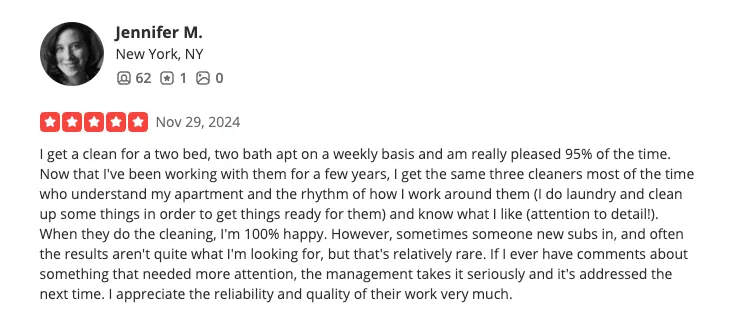
We send the same team to your apartment each visit. They learn the details of your specific space once and remember them going forward. That consistency matters more in a building with 90-year-old finishes than it does in a brand-new condo.
The old-growth forest next door creates a cleaning problem no other Manhattan neighborhood has
Inwood’s western edge sits directly against 196 acres of old-growth forest. If you live on Seaman Avenue, Indian Road, or Cooper Street, the canopy of the park is close enough to shade your windows. That proximity is the best thing about living in Inwood and the reason your apartment needs a cleaning approach that nobody in Midtown would think about.
From April through June, the tulip trees, oaks, and hickories produce an enormous volume of pollen. It coats windowsills, countertops, floors, and any textile surface near an open window. If you run a window fan or leave the windows cracked overnight, you wake up to a yellow-green film on everything within ten feet of the opening. From October through November, the leaf drop is equally aggressive. Residents on the park-facing blocks track in leaf debris, mud, and organic matter daily.
A standard cleaning schedule handles most of this. A biweekly visit through pollen season keeps the surfaces manageable. A deep clean at the end of June resets everything after the worst of it has passed. And in the fall, we pay extra attention to the entryway, the floors nearest the door, and any rugs that are catching the leaf debris. None of this is exotic. It is just a cleaning consideration that only exists in this specific corner of Manhattan, where the park meets the apartment grid.
The kitchens on Dyckman Street’s residential blocks run hard and the grease is evidence
Inwood’s cultural identity is overwhelmingly Dominican-American. The neighborhood has been a center of the Dominican diaspora since the 1960s and 1970s, and the cooking culture is deep and daily. Pernil roasting for hours. Pollo guisado. Sancocho simmering on the back burner. Mangu with the three hits for breakfast. Frying oil for tostones and empanadas. On Sundays, the smell of stewed chicken and arroz con leche drifts from apartment windows across the neighborhood.
That cooking produces results on the kitchen surfaces that a light wipe-down will never address. Grease films on range hoods, cabinet faces, and the ceiling above the stove. Sofrito and achiote leave orange residue on cutting boards, countertops, and backsplash tiles. The ventilation in most pre-war kitchens was not designed for the kind of daily production cooking these kitchens see. A window exhaust fan does not capture what a commercial range hood would.
We degrease every kitchen surface within six feet of the stove. We pull the drip trays and take the grease off the outside of the hood. The backsplash gets a proper degreasing solution, not just a wipe with a damp cloth. If you want the oven interior handled, add a deep clean and we take care of it.
Your evening should be spent at Malecon or any of the Dominican restaurants on the Dyckman strip, not scrubbing the grease off your stovetop. That is what we do.
Inwood has three centuries of history sitting between the apartment buildings and the park
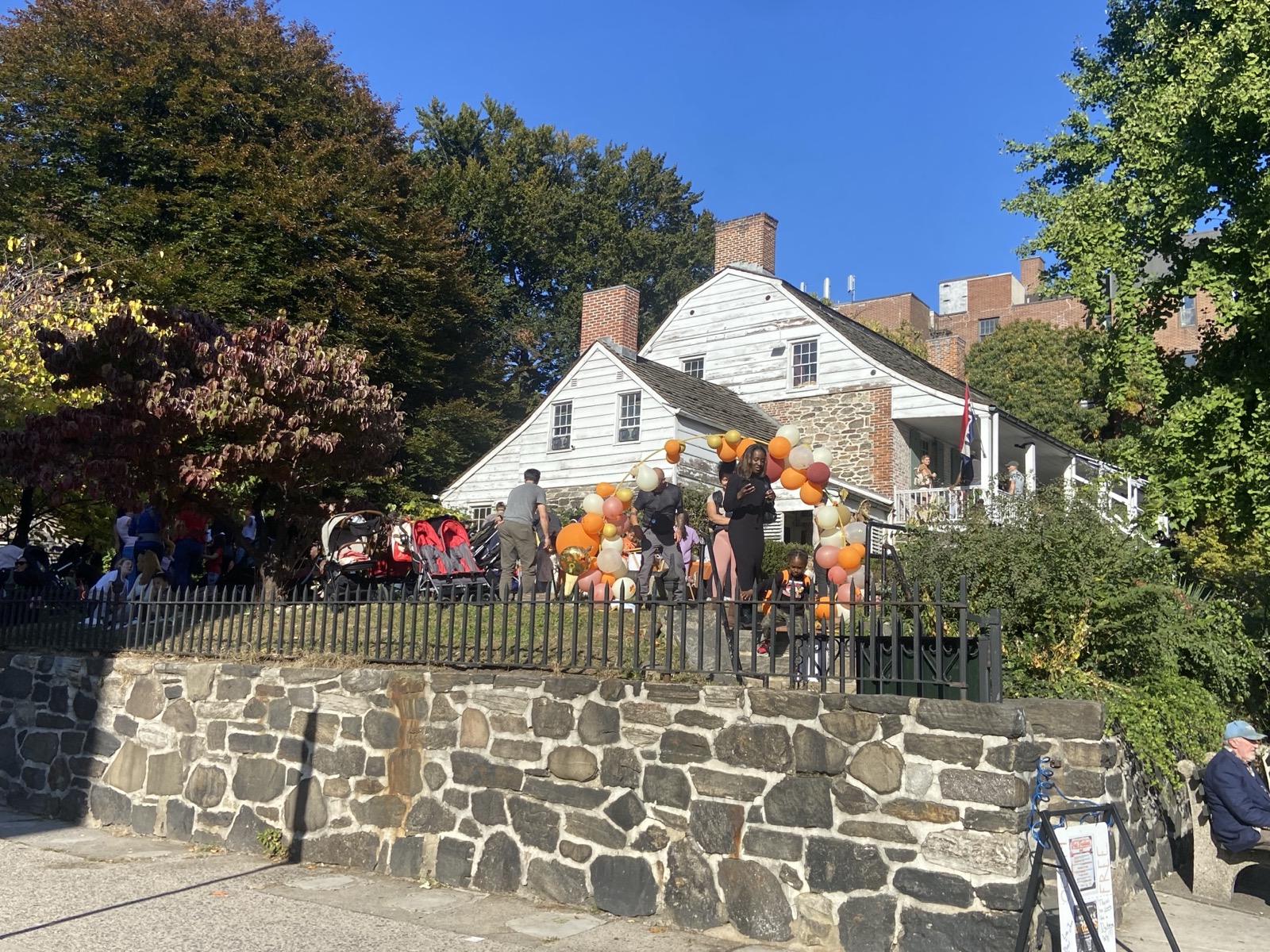
The Dyckman Farmhouse at 4881 Broadway is the only surviving Dutch colonial farmhouse in all of Manhattan. It was built in 1784 by the Dyckman family on the foundations of the house that British troops burned during the Revolution. A white clapboard and fieldstone structure, gambrel-roofed and low-slung, sitting behind a garden on Broadway like a piece of the 18th century that the 20th century forgot to demolish. Inside, original Dutch colonial furnishings and period ceramics. On the grounds, a reconstructed smokehouse and a Hessian hut from the British occupation.
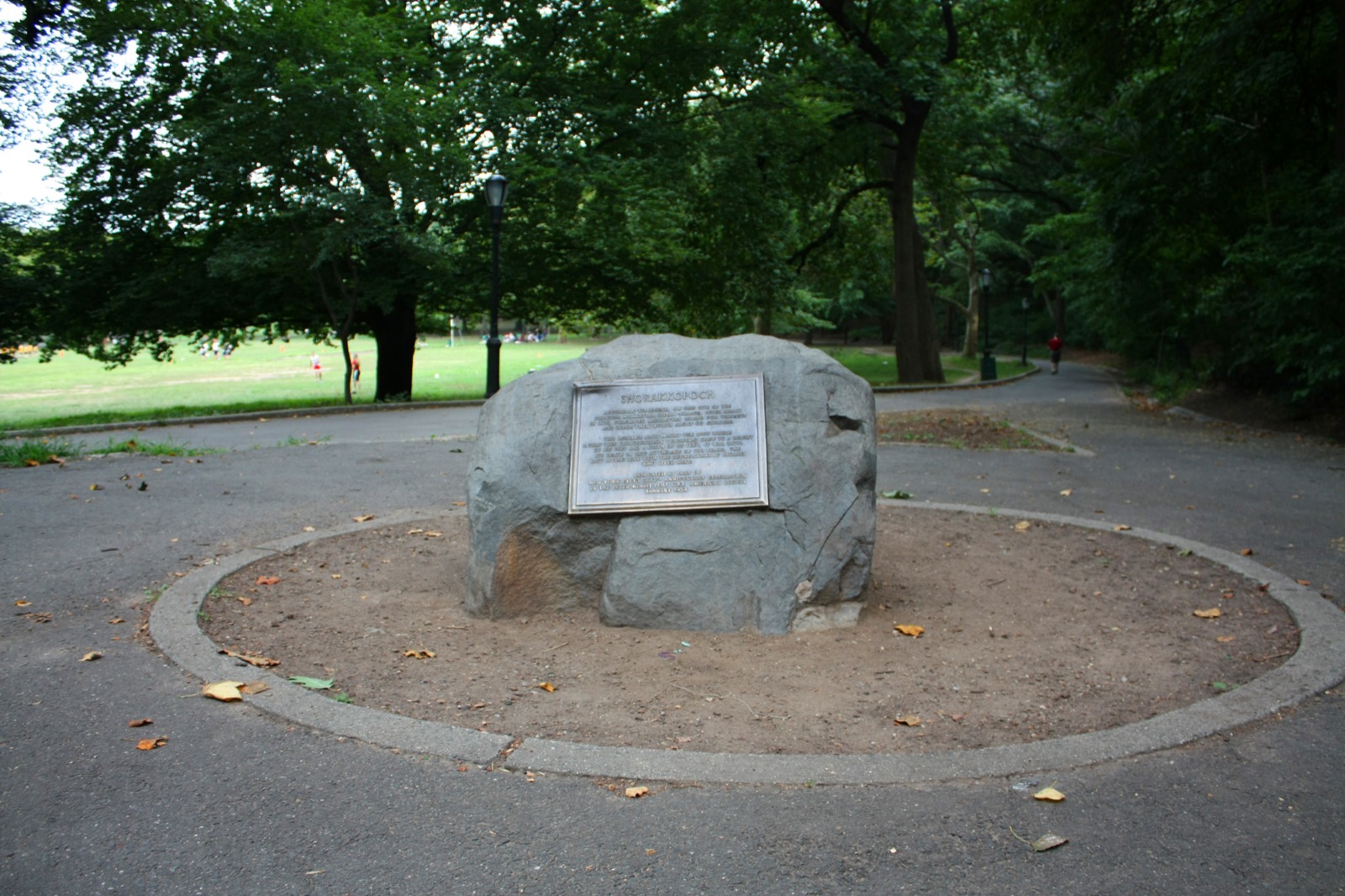
A block west, Inwood Hill Park holds something even older. The Indian Cave is a natural rock shelter formed by Manhattan schist outcroppings on the park’s ridge. Archaeological investigation has confirmed Lenape habitation at this site, including shell middens dating back thousands of years. This is one of the only confirmed pre-contact Indigenous sites on the island. The Shorakkopoch Rock nearby marks the approximate spot of the Great Elm under which, according to persistent local tradition, Peter Minuit purchased Manhattan from the Lenape in 1626. The tree died in 1938. A bronze plaque on the boulder tells the story.
The Henry Hudson Bridge arches over the Harlem Ship Canal at the neighborhood’s northern edge, its 840-foot steel span connecting Manhattan to the Bronx at Spuyten Duyvil. The canal itself, cut in 1895, is what technically makes Manhattan an island rather than a peninsula attached to the mainland.

None of this history changes how we clean your apartment. But it tells you something about the neighborhood you are living in. Inwood is not just the last subway stop. It is the place where the original Manhattan still exists in layers, from Lenape caves to Dutch farmhouses to pre-war apartments to the forest that was here before any of them.
The A train makes Inwood one of the fastest affordable commutes in Manhattan
The transit math is the thing that keeps surprising people who have never lived this far north. The express A train from Inwood-207th Street reaches Columbus Circle in about 20 minutes and Lower Manhattan in 35 to 40 minutes. The 1 train runs along Broadway with stops at 191st and 207th for a slower but more local option along the West Side.
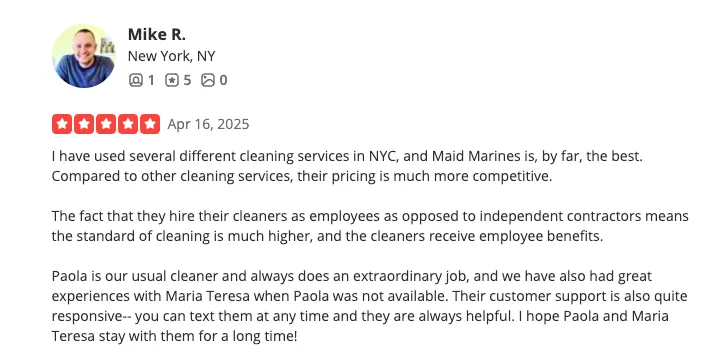
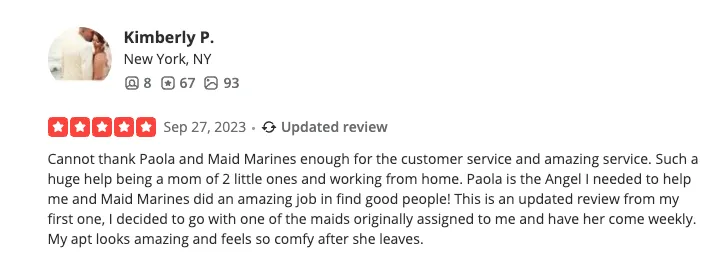
Our cleaning teams use both lines. We are not scheduling around unpredictable travel times. The same trains your teams take to Midtown bring our cleaners to your door. We serve Inwood the same way we serve every other Manhattan neighborhood, with the same availability, the same pricing, and the same vetted W-2 employees who show up with the right products for your specific space.
For tenants moving in or out of Inwood’s rental stock, our move-in and move-out cleaning handles the full reset. Inside cabinets, appliance interiors, baseboards, window tracks, and every surface the next occupant will see or touch. The rental turnover in a rent-stabilized neighborhood moves slower than most of Manhattan, but when it happens, the apartment that has been lived in for 20 years needs a thorough reset before anyone new walks in.
What booking looks like for Inwood residents
You pick your date and time on our booking page. You see your flat-rate price before you commit. If your pre-war apartment has original parquet floors or decorative plaster that needs careful handling, tell us once and we note it permanently on your account. If your park-adjacent windows need extra attention during pollen season, we adjust the approach accordingly. Our cleaners are W-2 employees, not gig workers. They are vetted, insured, and they show up with the products and equipment that match your specific apartment.
We serve Inwood and all of northern Manhattan, including the nearby Upper West Side. Our teams use the A express and the 1 train daily. The fact that you live at the top of the island does not affect our availability or our pricing. We arrive on time.