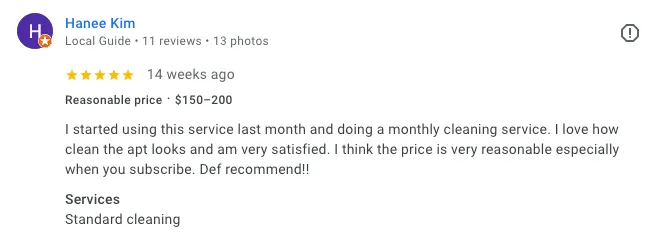

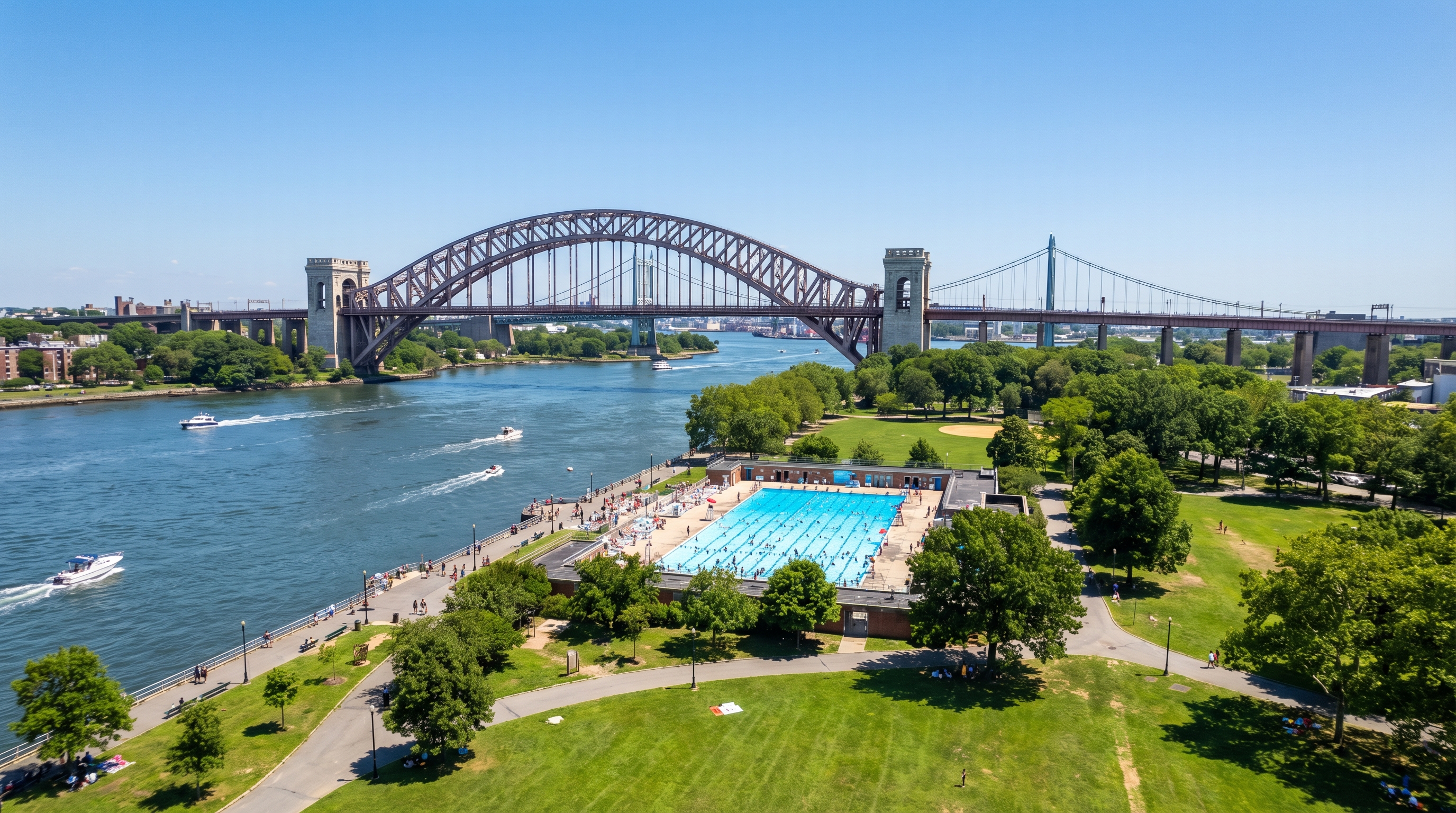
The 60 acres of Astoria Park sit at the end of the block for residents of Astoria Heights, and that geographic fact shapes everything about the neighborhood. The park is not a amenity at a distance that you visit on weekends. It is the backyard of this part of Queens. Shore Boulevard runs along the East River edge with the Hell Gate Bridge overhead, and on any given morning the promenade fills with people from the surrounding blocks doing the kind of unhurried outdoor walk that most New Yorkers have to commute to reach.
Astoria Heights occupies the elevated terrain north of Astoria Boulevard and east of Astoria Park, a natural terrace above the East River floodplain that earned the neighborhood its “Heights” designation in the New York tradition of marking elevated ground. The blocks between Ditmars Boulevard and the park sit slightly higher than the waterfront below, which improves drainage and sightlines and gives the streets a quality that residents notice even if they rarely articulate it. The topographic distinction is modest but the effect on the neighborhood is real.
The housing stock that defines how this neighborhood gets cleaned
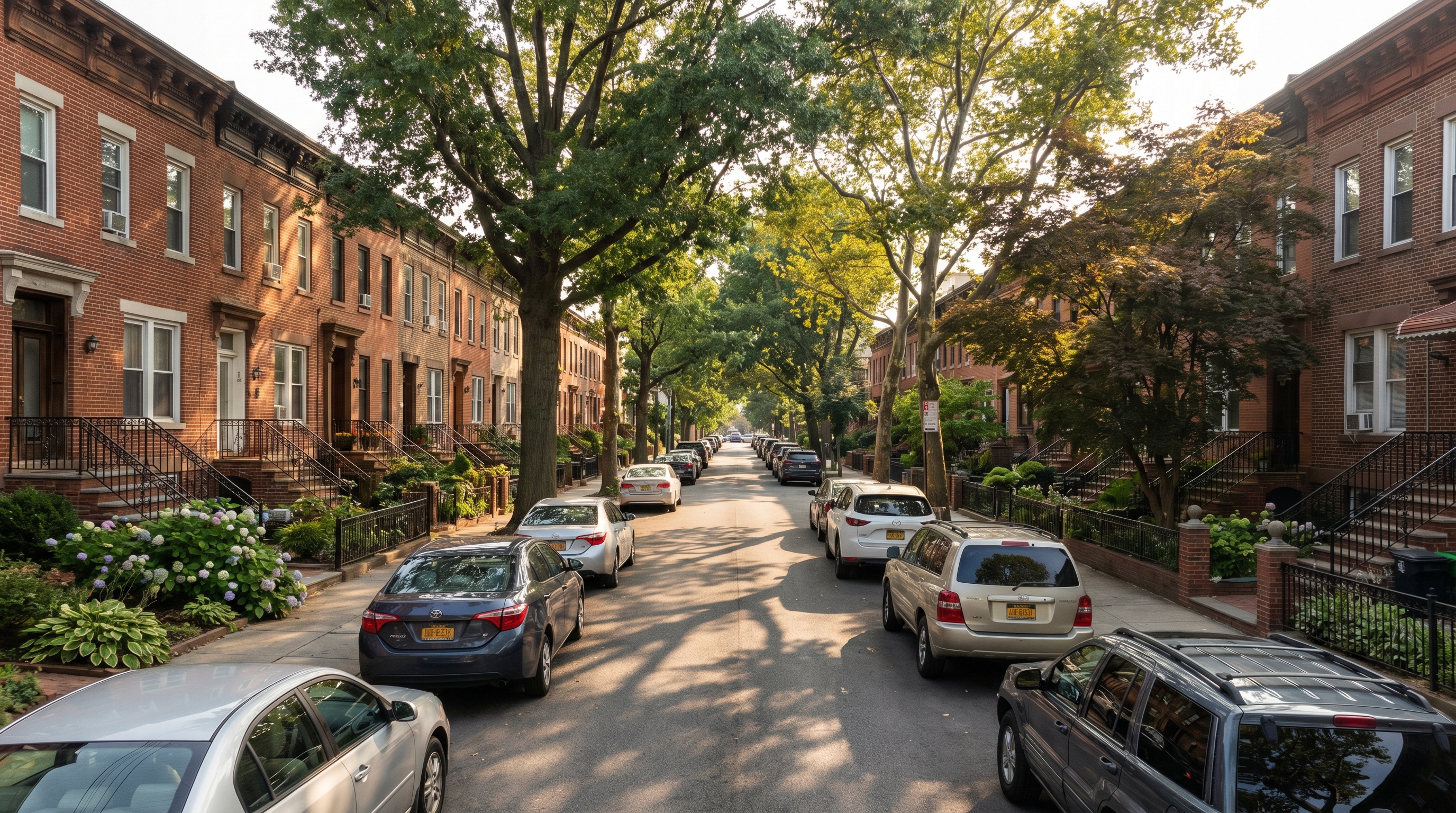
Astoria Heights is a neighborhood of two-family rowhouses. The defining residential type is the attached or semi-detached brick structure built between 1910 and 1940, two or three stories with a small front stoop, a modest rear yard, and the tan or red brick construction typical of Queens residential development in that era. Many of these homes are still owner-occupied on one floor with a tenant on another, a configuration that has preserved the neighborhood’s homeownership culture across three and four generations of the same families.
This housing type creates specific cleaning patterns. A two-family rowhouse on one of the cross streets between 21st and 35th has a ground floor and an upper unit that often have entirely different surface conditions. The bathroom that has been tile since 1928 sits on the same vertical stack as a kitchen renovation from 2015. The original pine floors on the parlor level were refinished at some point in the last decade, but the hex tile in the ground-floor bath has been continuous since Truman was in office. Our house cleaning teams adapt floor by floor in these homes. The product that is correct for modern luxury vinyl in a renovated upper unit will cloud original hex tile grout on the floor below.
The pre-war walk-up apartments that anchor the commercial corners along Ditmars and Astoria Boulevard add a second housing type to the neighborhood. These four and five story brick buildings, built between 1920 and 1940, are smaller and less ornate than their counterparts in central Astoria, but they are solidly built and the apartments within them have original details that require the same careful approach as any pre-war Queens walkup. Original hardwood with gaps between the planks. Bathroom tile with decades of grout history. Radiators with fins that collect dust all summer. A cleaning service that treats these apartments like new construction will damage something on the first visit.
The northern reaches of Astoria Heights add a third housing category: semi-detached and detached single-family brick houses with small driveways and yards, concentrated along the blocks near the Ditmars terminus. These homes give the immediate Ditmars area a genuinely suburban quality unusual for Queens neighborhoods this close to Manhattan. They are the most sought-after addresses in the sub-neighborhood and the most involved to clean properly because the full house spans multiple floors, each with its own conditions, plus entryways that see mud and pollen traffic from the yard.
A Greek neighborhood’s residential core
The Greek cultural presence in Astoria is well-documented. What is less often articulated is the specific geography of that presence. The kafeneions and fish restaurants and imported grocery stores that define Greek Astoria’s public identity are concentrated on 31st Street and parts of Steinway. But the residential Greek community, the homeowner class that has held onto two-family brick rowhouses in northern Astoria since the 1950s and 1960s, is concentrated here in Astoria Heights.
Greek families who arrived during the postwar immigration wave and purchased their homes outright built an ownership culture that has proven remarkably resistant to the gentrification pressures that have displaced renters throughout the broader Astoria area. The continuity is visible in the maintained stoops, the small gardens, the Greek Orthodox churches within walking distance, the particular care given to shared exterior spaces that characterizes neighborhoods where people own their buildings and intend to stay.
This homeownership culture means that the homes themselves carry decades of accumulated improvement and maintenance, original surfaces that have lasted because someone was invested in their preservation. It also means the cleaning approach needs to recognize what is original and what is refinished, what can tolerate an aggressive product and what has survived by being treated carefully.
What the park proximity means for your home
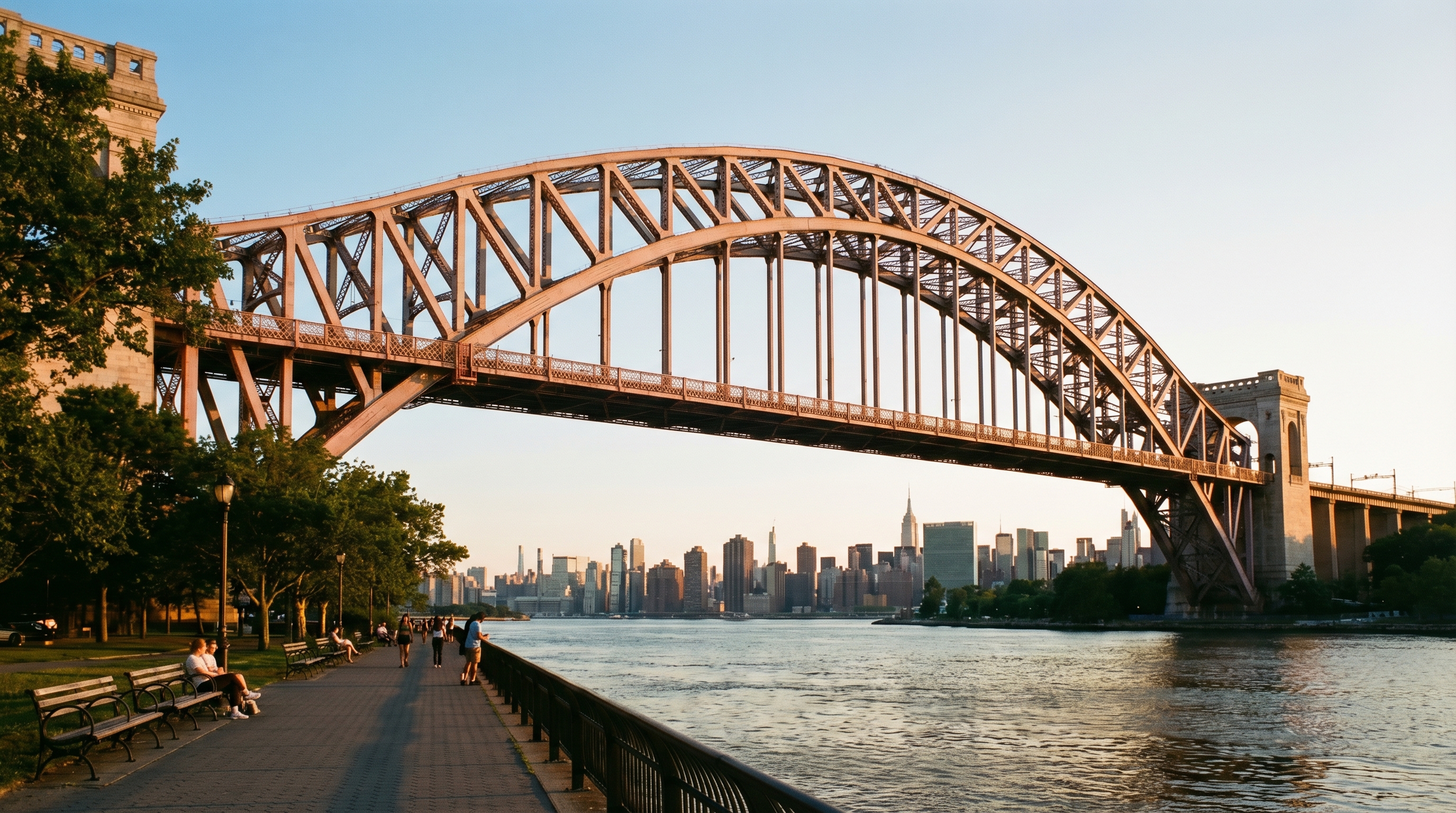
Living adjacent to a 60-acre park with active athletic fields, a 330-foot outdoor pool complex, and a waterfront promenade produces a specific pattern of use and a specific cleaning challenge. The families who choose Astoria Heights over other Queens neighborhoods are precisely the families who use the park with regularity. That means the entryway of a typical Astoria Heights home sees more outdoor traffic than a comparable apartment in a neighborhood without immediate park access.
Muddy cleats from the athletic fields. Wet feet from the pool deck. Grit from the Shore Boulevard promenade tracked in on the soles of running shoes. Dogs that have been in the grass. Children who have been in the grass. The ten feet between the front door and the first clean floor are the highest-traffic zone in the home, and in an Astoria Heights two-family rowhouse with original flooring, that zone requires consistent attention.
Our teams build park-adjacent traffic patterns into the recurring cleaning approach for Astoria Heights homes. The entryway and the first section of floor beyond it get focused treatment on every visit, not just during deep cleans. Rugs near doors get vacuumed lengthwise and crosswise to pull out what gets tracked in from two directions. If you have a dog who uses the park daily, we note that and adjust the frequency of floor treatment accordingly.
The Ditmars commercial corridor and how it relates to the neighborhood
Ditmars Boulevard is the commercial spine of upper Astoria and the northern boundary of Astoria Heights. The stretch of Ditmars between 31st Street and 35th Street concentrates the dining and shopping infrastructure that residents of this sub-neighborhood use for daily life. Taverna Kyclades, MP Taverna, the Greek bakeries, and the specialty food shops along this corridor represent a level of neighborhood commercial quality that draws people from across Queens and beyond.
The Ditmars Boulevard N and W subway station is the northern terminus of the line, which carries an operational significance worth noting. Being the end of the line means trains are less likely to be delayed or crowded when they depart, and the platform sees a different rhythm than mid-line stations. Midtown Manhattan is approximately thirty minutes from this platform.
The proximity of LaGuardia Airport is a practical convenience that northern Queens residents appreciate in a way that is difficult to explain to anyone who has never lived close to a major airport. For residents of Astoria Heights, a cab to LaGuardia takes under ten minutes in normal traffic. The Q100 bus runs through the neighborhood directly to the terminals.
Deep cleaning, move-in work, and the active rental market
Astoria Heights’ rental market turns over at a pace that generates consistent demand for move-in and move-out cleaning. The two-family rowhouses that define the neighborhood’s housing stock mean landlord units are often adjacent to or below owner-occupied floors, which creates a dynamic where a departing tenant’s mess needs to be addressed before the next occupant arrives without disturbing the long-term resident above or below.
A proper deep cleaning in a two-family rowhouse unit covers inside kitchen cabinets, the interior of the oven, the refrigerator coils and interior, bathroom tile and grout, the area behind the toilet, window sills and tracks, baseboards, and the inside of closets. In pre-war Astoria Heights units, the grout in bathrooms accumulates years of residue and the tile around tubs develops a film that standard maintenance visits do not fully address. The deep clean reset strips that history and returns surfaces to their actual condition rather than the layered condition created by routine cleaning that never reaches the underlying buildup.
Post-renovation work is common in this neighborhood. Owners who have held their homes for decades invest in restoration projects. Floors get refinished. Bathrooms get re-tiled. Kitchens get gutted and rebuilt. The plaster dust and grout haze that construction crews leave behind requires specific products and technique to remove without damaging newly refinished surfaces. We clean behind renovation work in Astoria Heights rowhouses regularly and know what contractors leave in their wake.
Families with young children and the specific demands of park-adjacent life
The population of Astoria Heights skews toward families with young children in a way that distinguishes it from the younger, renter-heavy demographic of central Astoria. The park access, the homeownership culture, the housing scale, and the transit connections that make family life manageable have drawn parents who made a specific choice to be here rather than in a more expensive Brooklyn neighborhood with comparable park access.
Homes with children who spend time in Astoria Park present a recurring cleaning pattern that our teams recognize: the floor between the back door and the kitchen absorbs outdoor traffic in a concentrated zone. Strollers and tricycles get parked in entryways and hallways. The surfaces that small hands touch most get handled differently than adult-height surfaces. Every product we use in family homes is non-toxic and fragrance-free. No bleach, no ammonia, nothing that leaves a volatile residue where a child will be on the floor within an hour of us leaving.
Our apartment cleaning and house cleaning teams work around nap schedules, school dropoff and pickup windows, and the rhythms that family homes operate on. If your two-year-old is home during the visit, we start in the rooms furthest from their nap spot and sequence the cleaning to minimize noise and disruption in whatever room they occupy.
What booking looks like for Astoria Heights
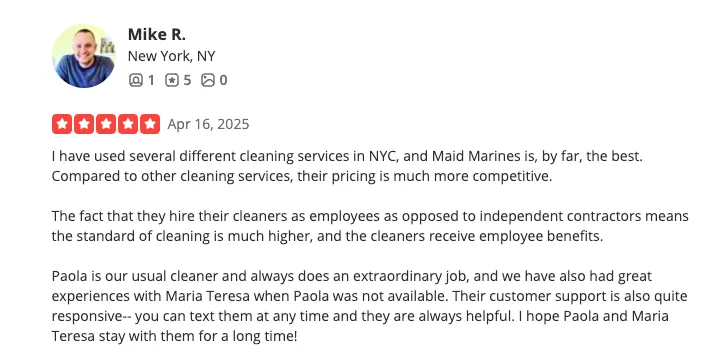
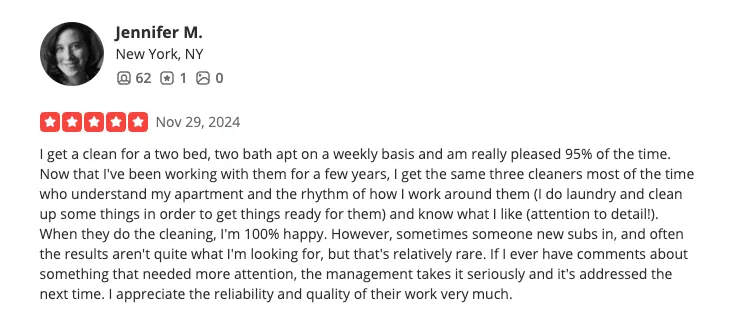
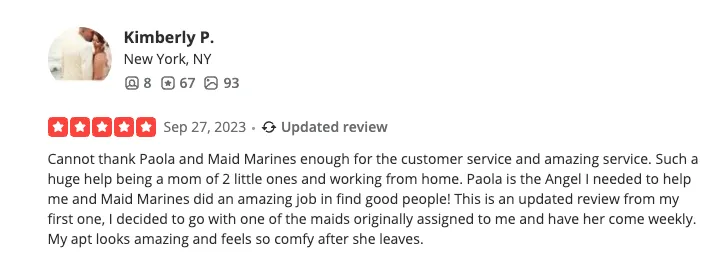
We have cleaned over 100,000 homes across New York City and the approach is the same every time: you pick your date and time on our booking page, you see your flat-rate price before you commit to anything, and our cleaners arrive as W-2 employees who are vetted, insured, and equipped for what your specific home requires.
For Astoria Heights two-family rowhouses, that means teams who know to check surface types between floors before they start rather than assuming the whole house is the same material. For pre-war walkups on the Ditmars corridor, it means careful handling of original floors and tile. For the semi-detached houses near the N train terminus, it means a room-by-room assessment that accounts for the full multi-story scope.
Recurring house cleaning, one-time deep cleaning, and move-in and move-out cleaning for the rental units in Astoria Heights’ two-family stock. We also serve nearby Astoria, Long Island City, and Sunnyside.