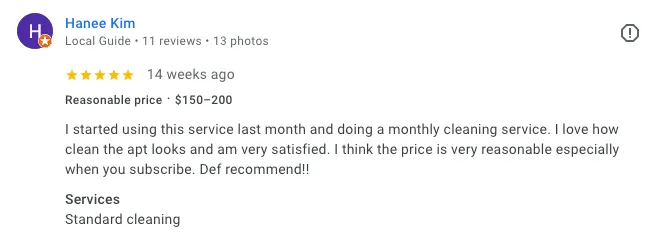

The land that became Bay Terrace sat for decades as a private waterfront estate on the northeastern shore of Queens, overlooking Little Neck Bay and the approaches to Long Island Sound. When the Cord Meyer Development Company purchased it in the early 1950s, they had a specific idea in mind. The same firm had created Forest Hills Gardens in the 1910s, one of the most famous planned neighborhoods in America. For Bay Terrace, they applied the same philosophy to a postwar context: not a subdivision of single-family lots, but a garden apartment community where buildings were arranged around shared green courts, pedestrian paths connected apartments to a shopping center without crossing a major street, and the car was kept to the perimeter. Construction began in 1952 and the Bay Terrace Shopping Center opened in 1958. By the early 1960s the community was substantially complete. It has not changed much since, and that is the point.

A planned community that actually worked
Most mid-century planned communities did not survive the decades intact. They were subdivided, stripped of their landscaping, converted to different uses, or simply overwhelmed by the scale of the surrounding city. Bay Terrace survived because the cooperative ownership structure built into the Cord Meyer design gave residents a direct stake in maintaining it. The garden apartment courts are cooperative buildings where residents own shares rather than individual units. Monthly maintenance fees cover the landscaping, building services, and the shared infrastructure that gives the community its character. When you own shares in a building, you care about the trees in the courtyard. You attend the board meeting when someone proposes cutting them down. The mature oaks and maples planted in the 1950s and 1960s are still there because the people who lived under them owned the institution responsible for their care.
The physical design reinforced this. The residential courts are arranged so that through-traffic does not exist. You cannot shortcut through Bay Terrace because the streets are not laid out as a grid. Cars belong at the shopping center perimeter. Inside the community, the only sounds are wind through the canopy and the occasional distant hum of the Cross Island Parkway. The result is a residential atmosphere unlike anything else in Queens, a borough that is otherwise defined by arterial streets, elevated subways, and the relentless background noise of the city.
What the housing stock actually requires from a cleaning service
The dominant building type in Bay Terrace is the mid-rise red brick garden apartment, five to seven stories, flat-roofed, built between 1952 and 1965 in the Cord Meyer superblock style. The apartments inside these buildings tend to be generous by New York standards: real kitchens with room to move, dining alcoves, bedrooms with actual closets, and in many cases original hardwood floors from the 1950s and 1960s that have been lived on for seven decades.
Those floors are the first thing to get right. Mid-century hardwood in Bay Terrace co-ops was typically finished with oil or wax rather than the polyurethane sealers that became standard in later decades. Oil and wax finishes are beautiful but they do not tolerate moisture. A wet mop left on an oil-finished floor will penetrate the wood and raise the grain. Steam mops are worse. Our house cleaning teams use a flat microfiber pad with a pH-neutral hardwood cleaner, damp only, dried immediately. The floors look clean because the wood itself is clean, not because there is a film of product sitting on the surface.
The kitchen range hoods in these apartments accumulate grease over time in a way that requires something more than a weekly wipe. Many Bay Terrace residents cook seriously, and the vent filters and hood surfaces above the range build up a layer of baked-on grease that all-purpose spray cleaners cannot touch. We use commercial-grade degreasers on range hoods and backsplashes in kitchens where the cooking is ambitious. You tell us what your kitchen looks like and we bring the right product.
Fort Totten and what it means to have a Civil War fort in your backyard
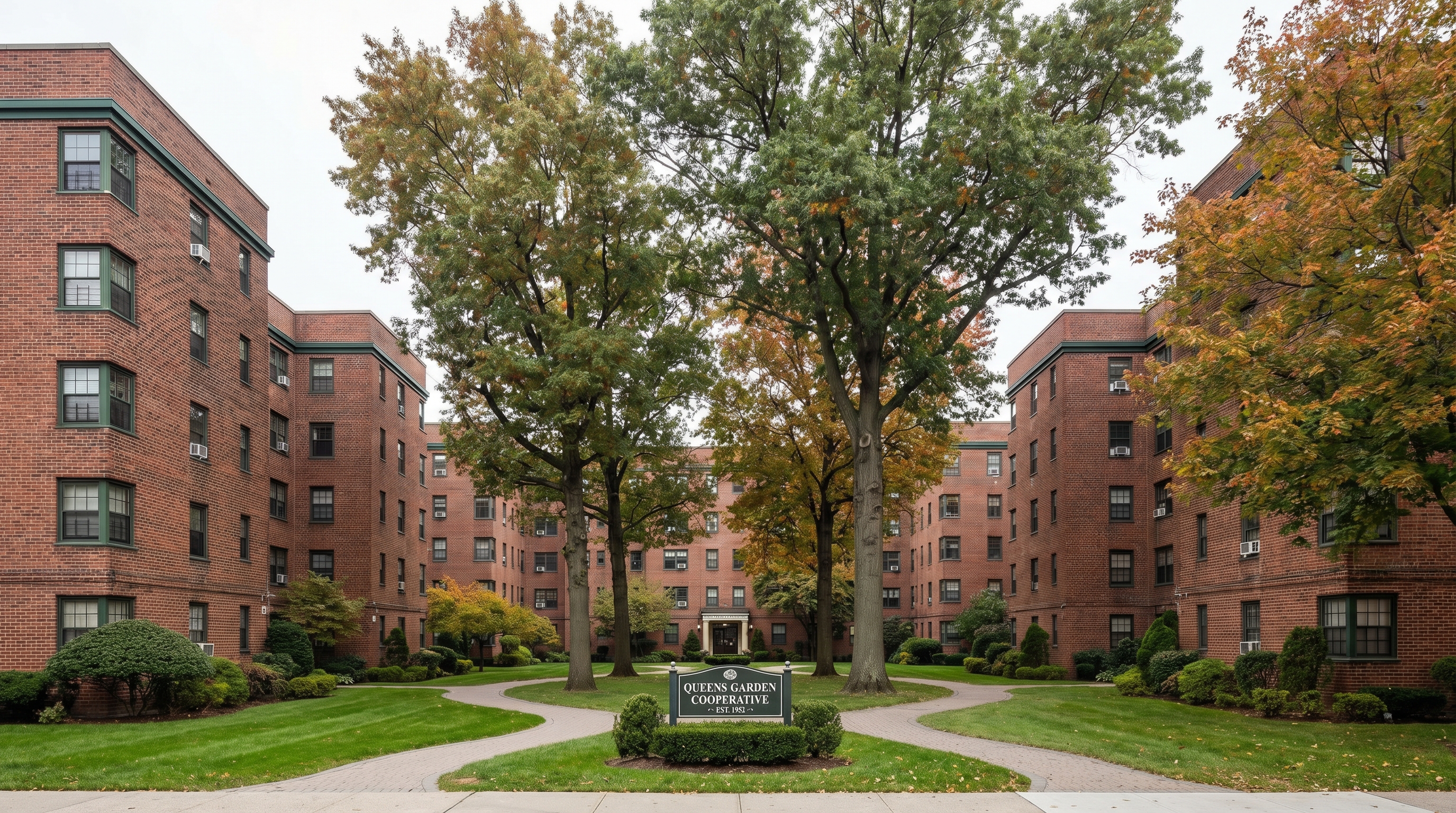
At the neighborhood’s northern tip, where the East River meets Long Island Sound and Little Neck Bay opens to the west, sits a 49-acre promontory that was a U.S. Army installation from 1862 until the 1990s. Construction began during the Civil War when Union military planners feared Confederate naval attacks on New York Harbor. The Castle, the Gothic Revival masonry fortification completed in 1864, sits at the waterfront edge of the promontory with crenellated towers that look across the river toward the Bronx.
When the Army left in the 1990s, New York City Parks took over and opened the grounds to the public. What the public inherited was extraordinary: walking trails through old-growth trees, Victorian-era officers’ quarters, the Castle itself accessible on guided tours, and water views from the promontory that most Queens residents have never seen and most New Yorkers do not know exist. You are standing at the confluence of three bodies of water, looking across the East River with the Throgs Neck Bridge overhead and the Whitestone Bridge visible to the south. On a clear day you can see deep into Long Island Sound toward Connecticut.
The neighborhood that grew around this fort carries its character. Bay Terrace is not a neighborhood that announces itself. It has no famous restaurant scene, no cultural moment that put it on maps, no celebrity associations that generate ink. What it has is the serene, ordered feel of a place that was designed with care and has been maintained by people who chose it precisely because it offers something rare in this city: quiet.
Co-op boards, vendor requirements, and how to navigate them
The co-op structure that gives Bay Terrace its stability also creates requirements for anyone coming in to clean. Most of the Cord Meyer-era buildings have boards that require advance notice before any vendor enters the building. Several require a Certificate of Insurance naming the building as additional insured. A few maintain vendor lists and require a signed agreement before your cleaner steps into the elevator. These are not unusual requirements in New York City co-ops, but they are requirements that will get a cleaning crew turned away at the lobby if they are not handled in advance.
We manage this routinely. You tell us your building name and any board requirements when you book your first apartment cleaning, and our dispatch team coordinates everything with management before the appointment. We have our insurance paperwork and our vendor documentation on file and can submit to building management offices within a day of your request. For recurring service, we assign the same team to your home on every visit so the building staff knows them, the doorman recognizes them, and you do not receive a new vendor inquiry from your board every two weeks. If you have had a cleaning service turned away at the front desk before, that situation ends here.
The single-family edges and what they need
On the southern and eastern borders of the planned community, Bay Terrace transitions into a more conventional Queens residential character. Colonial Revival and Cape Cod homes, postwar ranch-style houses, and semi-detached properties sit on blocks that predate or were built alongside the Cord Meyer development. These are full houses rather than apartments, and they have the cleaning needs that come with two or three floors, a yard that tracks in mud and grass clippings, basements that accumulate the overflow of a family’s possessions, and bathrooms that get heavy daily use.
The biggest difference between cleaning a house and an apartment in this neighborhood is what the floors look like by the end of the day. In the garden apartments, entry shoes typically come off at the door out of building etiquette. In the single-family homes, the front entryway, the mudroom if there is one, and the kitchen floor near the back door are where the outdoor world comes inside. A cleaning that does not address those entry zones is a cleaning that leaves visible dirt within hours of the team leaving. We focus on entryways first, removing tracked-in debris before it migrates to the rest of the floors.
Deep cleaning for these homes means reaching the crown molding, pulling dust from behind radiators on every floor, scrubbing tile grout in bathrooms that see daily family use, and cleaning inside cabinets that have not been emptied since the last move-in. We handle move-in and move-out cleaning for the Bay Terrace market as well. The co-op resale process requires that units be left in clean condition, and the buyers expect to move into something spotless. We do that cleaning for sellers who are packing and moving and cannot get to the baseboards, and for buyers who want every surface addressed before their furniture arrives.
An older neighborhood that rewards the kind of consistency professional service provides
The median age in Bay Terrace is approximately 53, one of the oldest neighborhood profiles in Queens. That number reflects the success of the planned community model at retaining long-term residents who age in place. A resident who moved into a Bay Terrace co-op in their thirties in 1985 is in their sixties now, living in the same apartment, with the same view of the courtyard trees that have grown taller than the buildings they were planted beside.
That stability creates a specific kind of cleaning customer. They know their apartment well. They have strong preferences about how things are maintained. They value consistency over novelty, and they remember every cleaner who ever moved something to the wrong place. We have cleaned over 100,000 homes across New York City and the thing that matters most to this type of customer is that the same person comes back every time, learns the apartment, and does not need to be retrained on every visit.
Recurring service works like this: you pick your date and time on our booking page, you see your flat-rate price before you commit, and we assign the same cleaner or small team to your home for every appointment. If your regular cleaner is out sick, we contact you before the appointment so you can decide whether to reschedule or accept a substitute. Our cleaners are W-2 employees, not gig workers. They are vetted, insured, and they show up with the right products for your home.
What three hours in Bay Terrace actually looks like
Your cleaning takes between two and four hours depending on the size of the apartment or house. That is a solid block of time that belongs to you. Bay Terrace earns it.
Walk Joe Michael’s Mile along the water. The path runs along Little Neck Bay beside the Cross Island Parkway, with views across the water that change with the season and the light. On a clear weekday morning you will share it with a handful of other walkers and the occasional cyclist. In forty-five minutes you reach the approaches to the Whitestone Bridge and back.
Go into Fort Totten. The park opens early and the trails through the old-growth trees are quiet on weekday mornings. The Castle is accessible on some days from the outside. The views from the promontory, where the river bends east toward Long Island Sound with the Bronx shore on the opposite bank, are among the best publicly accessible water views in the five boroughs.
Or drive the ten minutes to Bayside for a proper sit-down breakfast. The commercial strip on Bell Boulevard has the kind of diner and cafe options that Bay Terrace’s own shopping center handles adequately but that Bayside handles better. Come back when we text you that the apartment is done.
We also serve nearby Forest Hills, College Point, Fresh Meadows, and the rest of Queens.