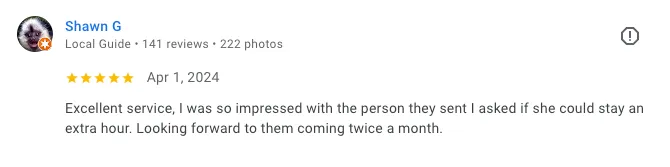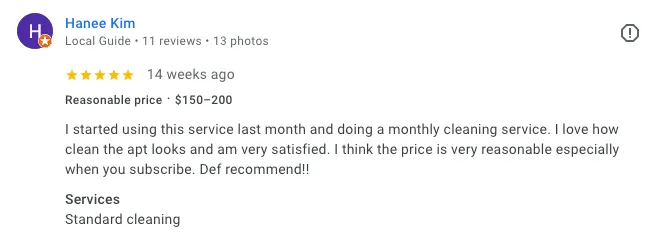

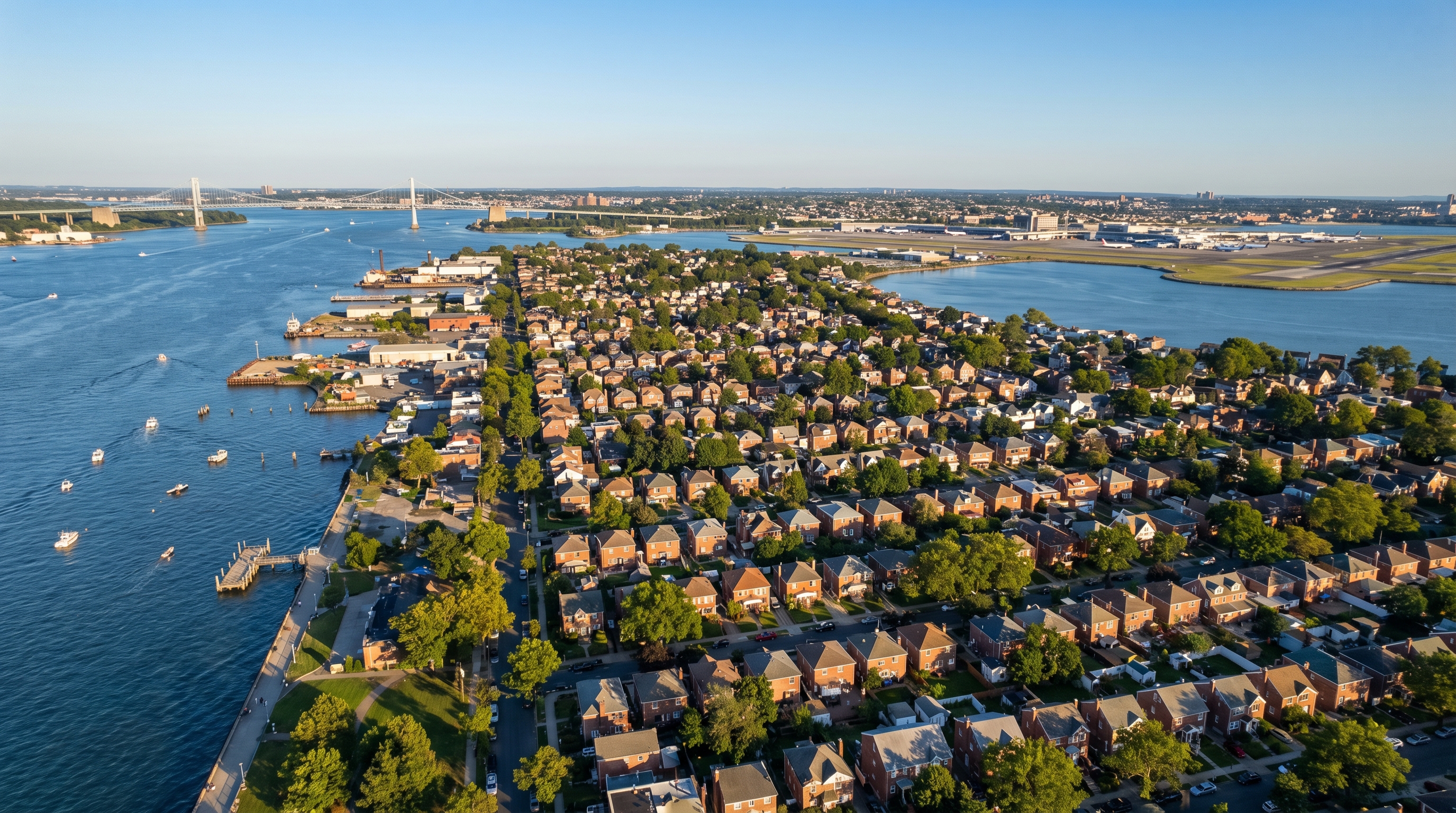
College Point sits on a peninsula in northeastern Queens, bounded by Flushing Bay to the west and the East River to the north and east, and it has never looked or felt like the neighborhoods around it. The geography explains part of that. Three sides of water give the neighborhood a physical definition that most Queens communities lack. Walk north on College Point Boulevard from Northern Boulevard and you pass Taiwanese tea houses, the enormous hulk of the Pepsi bottling plant, a block of single-family homes indistinguishable from any outer-borough residential street, and then suddenly MacNeil Park opens onto the East River with LaGuardia’s runways glowing across the bay and the Whitestone Bridge framing the distance. That sequence, compressed into fifteen minutes on foot, is as unlikely as anything you will find in this borough.
The neighborhood takes its name from an institution that has not existed for nearly 200 years. St. Paul’s College, an Episcopal seminary, operated on the peninsula briefly in the 1830s before closing within a few years of its founding. The name College Point stuck. It is one of New York City’s more ironic neighborhood designations, and most current residents have never heard of the seminary that gave the community its identity.
The housing stock in College Point is what makes cleaning here a different job
The residential fabric of College Point is defined by one- and two-family frame and brick homes built predominantly between the 1910s and the 1940s. These are Cape Cods, colonials, and two-story brick houses with front yards, driveways, and basements, the kind of housing stock that makes up the outer-borough residential character of northeastern Queens. They are not brownstones. They are not co-ops. They are real houses on real lots, and cleaning them requires a different approach than cleaning a Manhattan studio or a Williamsburg loft.
The hardwood floors in these homes are typically old-growth, denser and harder than modern lumber, but they are finished with wax or shellac rather than the polyurethane that covers floors in newer construction. Water and harsh cleaning products damage that finish and cause the boards to cup over time. The bathrooms in homes from this era often have original hex tile with grout that cannot tolerate acid-based cleaners. The kitchens may have been updated in the 1970s or 1980s with surfaces that mix poorly with the products designed for newer materials. Basements in College Point houses tend to run the full footprint of the home, finished or unfinished, and in waterfront-adjacent neighborhoods they collect humidity at a rate that mid-block houses in drier parts of Queens do not.
Our house cleaning teams carry separate products for old-growth hardwood, modern engineered floors, hex tile, ceramic tile, and vinyl, and they switch products as they move through a home. They look at the finish before choosing a cleaner, not after. The floors that have lasted since 1935 are worth treating with the same care that kept them intact this long.
The Poppenhusen Institute is the oldest civic building story in Queens
The modern history of College Point starts not with a developer but with a factory owner who decided to give something back. Conrad Poppenhusen arrived on the peninsula in the 1850s to build rubber manufacturing operations, and over the following decade he built around his factory: worker housing, civic infrastructure, and in 1868 the Poppenhusen Institute, a two-story Italianate brick building at 114-04 14th Road that housed a community school and civic center open to his workers and their families at no cost. The Institute is believed to be the site of the first free kindergarten in the United States, a century and a half before universal pre-K was a policy conversation.
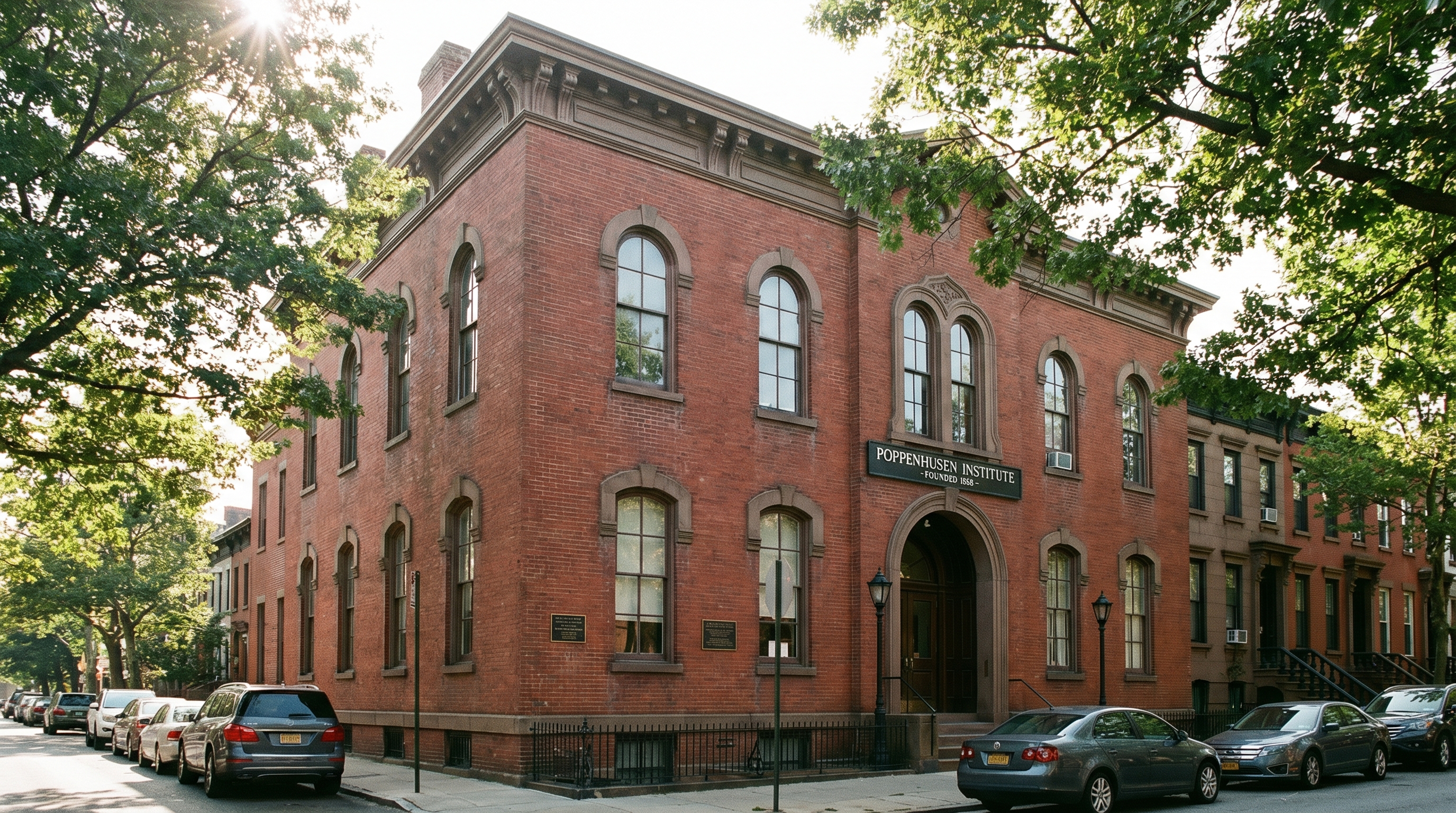
The building is a designated New York City Individual Landmark and one of the most historically significant structures in all of Queens. It still operates as a cultural and educational facility. The Queens Historical Society gave College Point its 1997 Queensmark Award in part to draw attention to this building and to the cluster of late 19th century civic and industrial buildings that survived while similar structures in other neighborhoods did not. The College Point Warehouse from 1870, the First Reformed Church from 1873, and Farrington’s Service Station, the oldest Gulf station in New York, all cluster within a few blocks and together represent a concentration of preserved 19th century Queens that is genuinely unusual.
For anyone who finds themselves in College Point for a cleaning appointment, the Institute is worth fifteen minutes. It is one of those buildings that looks modest from the street and then delivers something unexpected inside.
College Point has no subway and a food destination that draws people from Manhattan
The Q65 bus connects College Point to the 7 train terminal at Flushing Main Street in about 20 to 30 minutes. That is the neighborhood’s transit lifeline, and it means that most residents own a car. The lack of subway access is College Point’s most significant practical limitation and part of what has kept the neighborhood from developing the gentrification pressure that has transformed transit-connected outer-borough neighborhoods in the past decade. Rents are lower here than in comparable Flushing addresses. The single-family house inventory has not been depleted by developer conversions. The peninsula has its own gravitational center rather than pulling toward Midtown.
The food scene is anchored by a restaurant that made most of New York City’s food writers make the bus trip from Flushing for the first time. Little Pepper on College Point Boulevard is widely regarded as one of the finest Sichuan restaurants in New York City. Sliced fish in spicy soup, griddle-cooked shrimp, double-cooked pork, and hand-pulled noodles at a price point that reflects the neighborhood rather than the attention the restaurant has received. James Beard Award-nominated and Michelin-recognized, it functions as a culinary destination that is disproportionate to the neighborhood’s size or profile. A cluster of regional Chinese restaurants has followed it onto College Point Boulevard, adding Shanghainese, Cantonese, and Fujianese options to a corridor that also supports Taiwanese tea houses and the cultural infrastructure of the community that has made the Boulevard its center.
MacNeil Park is the best-situated waterfront park in northeastern Queens
The man who designed the quarter in your pocket lived in College Point. Herman MacNeil, sculptor and longtime resident, created the Standing Liberty Quarter that was minted from 1916 to 1930. The park named in his honor at the eastern tip of the peninsula is 29 acres of East River waterfront with the Whitestone Bridge framing the north view and a long sight line west across Flushing Bay toward LaGuardia. Walking paths, a kayak launch, sports courts, and a playground share the same ground. It is the kind of park that feels bigger than its acreage because the water is right there on multiple sides.
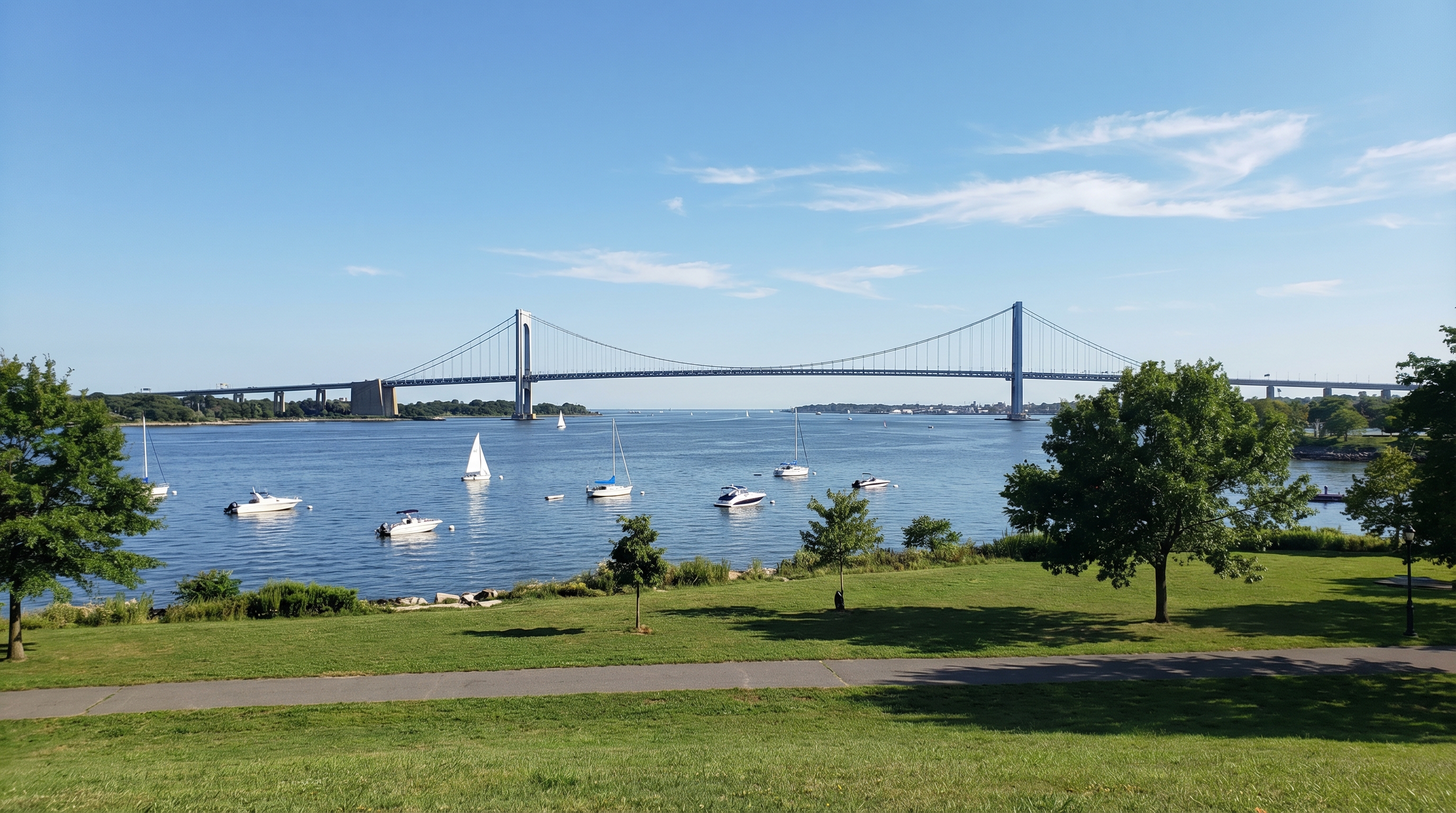
Powell’s Cove Park at the northern tip of the peninsula adds 27 more acres of tidal wetland, wooded walking trails, and a Whitestone Bridge overlook. Birdwatchers use it in every season. The combination of two substantial waterfront parks at either end of a residential peninsula gives College Point a relationship with open space that is unusual for a Queens neighborhood of its size. Your cleaning appointment buys you two or three hours. MacNeil Park gives you somewhere to put that time that is not watching a progress tracker on your phone.
The Taiwanese community built something lasting on College Point Boulevard
College Point is home to one of the most distinct Taiwanese communities in the Northeast, and the evidence of that community’s investment is visible throughout the neighborhood. Taiwan Court near MacNeil Park is one of the few streets in New York City named for a specific Asian nation. The New York Hua Lian Tsu Hui Temple at 121st Street and 22nd Avenue is a Daoist temple with deity statues and decorative architectural elements imported directly from Taiwan, one of the most elaborately decorated Chinese religious buildings in New York City, and most New Yorkers have never heard of it. The Taiwanese cultural associations and community organizations that operate along College Point Boulevard have built institutions that reflect a community with long-term intentions rather than a transitional ethnic presence.
This layering is what College Point does. The German industrialists who built the factories in the 1850s also built the Poppenhusen Institute. The Italian and Irish workers who followed built the residential blocks. The Taiwanese immigrants who came after built a temple and opened restaurants that draw pilgrims from Manhattan. The peninsula geography, the three-sided water boundary, gave each wave of community-building a container that held what was put into it. Maid Marines has cleaned over 100,000 homes across New York City, many of them in exactly these kinds of outer-borough neighborhoods where multiple communities have each added something lasting to the housing stock and to the character of the streets.
Recurring cleaning for the family homes that define this neighborhood
The single-family and two-family homes on the residential blocks away from College Point Boulevard are the neighborhood’s dominant housing type. They have specific cleaning requirements that differ from apartment work. Entryways near the driveway track in dirt, oil, and moisture. Basements in waterfront-adjacent neighborhoods collect humidity and need dehumidifier trays checked and surfaces wiped. Kitchens that see heavy cooking with oil build grease on backsplash tile and inside range hood filters faster than a surface clean addresses. Yards mean mud on floors after rain.
A first-visit deep cleaning resets the baseline, cleaning inside every cabinet, behind appliances, along baseboards, and inside the oven and refrigerator. After that, recurring visits on whatever schedule works for the household maintain the standard without requiring another full reset. Families with children and pets who move between the yard and the floors need more frequent attention at the entryways and on surfaces at floor level. We handle move-in and move-out cleaning for the active sales market in College Point, where houses change hands regularly and buyers want a clean home before the first box arrives.
What booking looks like
You pick your date and time on our booking page. You see your flat-rate price before you commit to anything. Our cleaners are W-2 employees, not gig workers. They are vetted, insured, and they arrive with the right products for your specific floors, surfaces, and building type.
We also serve nearby Astoria, Long Island City, Sunnyside, Forest Hills, and the rest of Queens.