
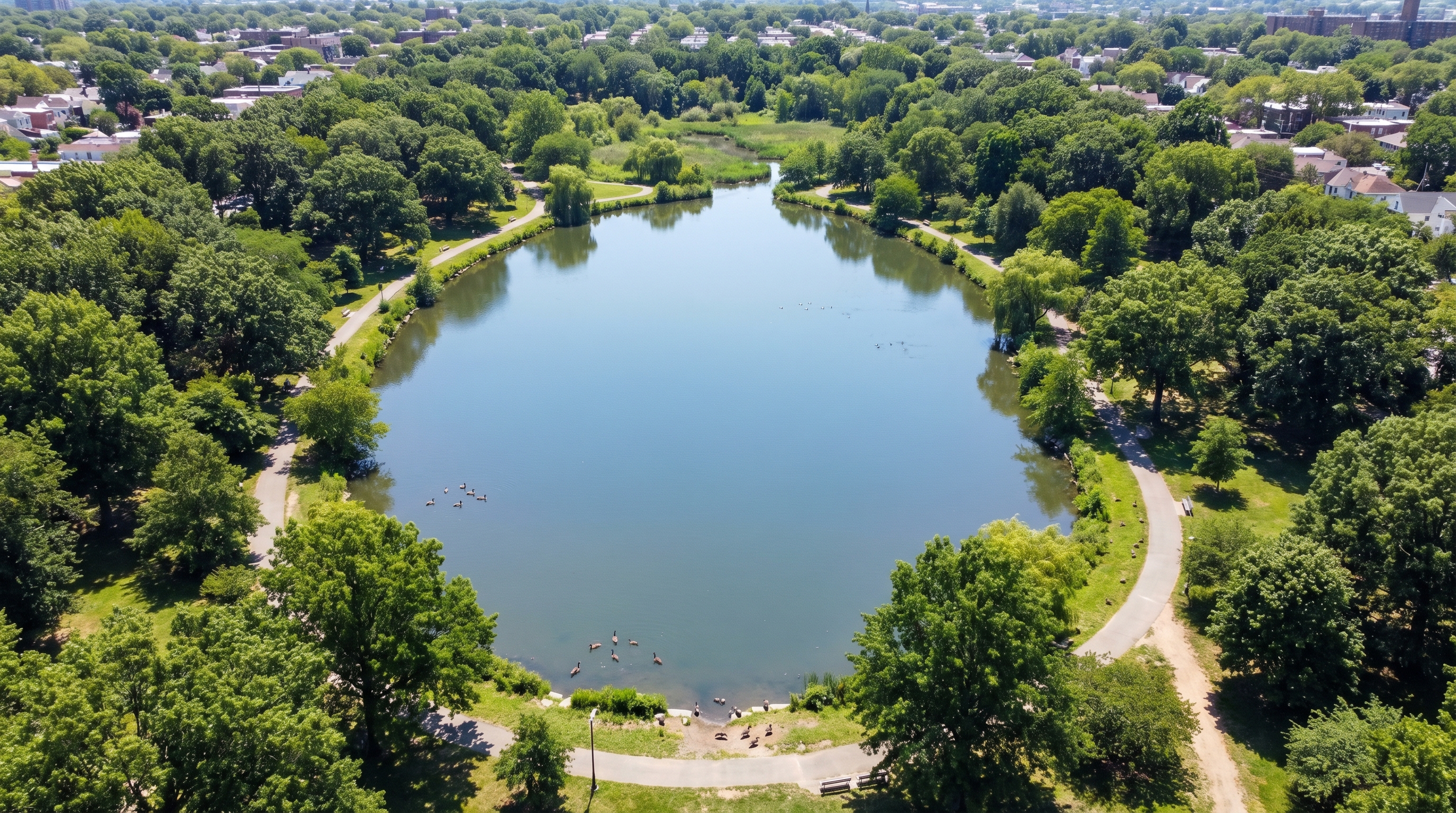
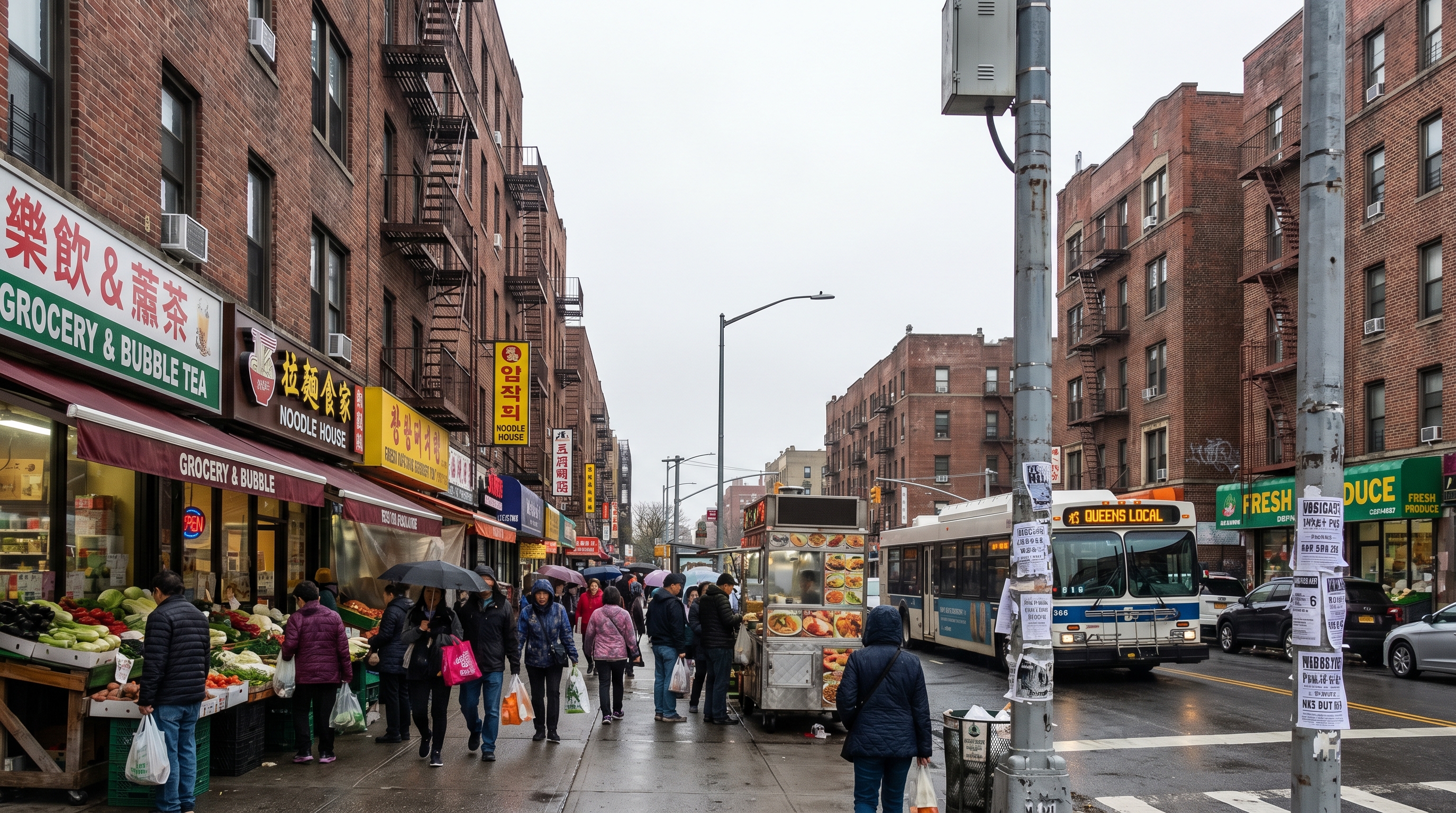
East Flushing is the residential neighborhood that exists in the orbit of downtown Flushing without being swallowed by it. The commercial energy of Main Street is fifteen minutes west. Kissena Park and its 222 acres are at the southern edge. Between those two poles sits a dense mid-rise neighborhood where the dominant language on commercial signage is Mandarin and the cooking smells coming from apartment building hallways on weekday evenings tell you that the kitchens in these buildings are actually being used.
The cleaning job in East Flushing is shaped by that reality. Postwar brick rental buildings along Kissena Boulevard dominate the housing stock. Prewar walk-up apartments with original tile bathrooms and no elevator occupy the quieter cross-streets. Two-family and single-family homes appear in the eastern blocks approaching Parsons Boulevard where the density drops. These are not interchangeable surfaces or interchangeable cleaning challenges.
What we clean here and why it is not the same job as any other Queens neighborhood
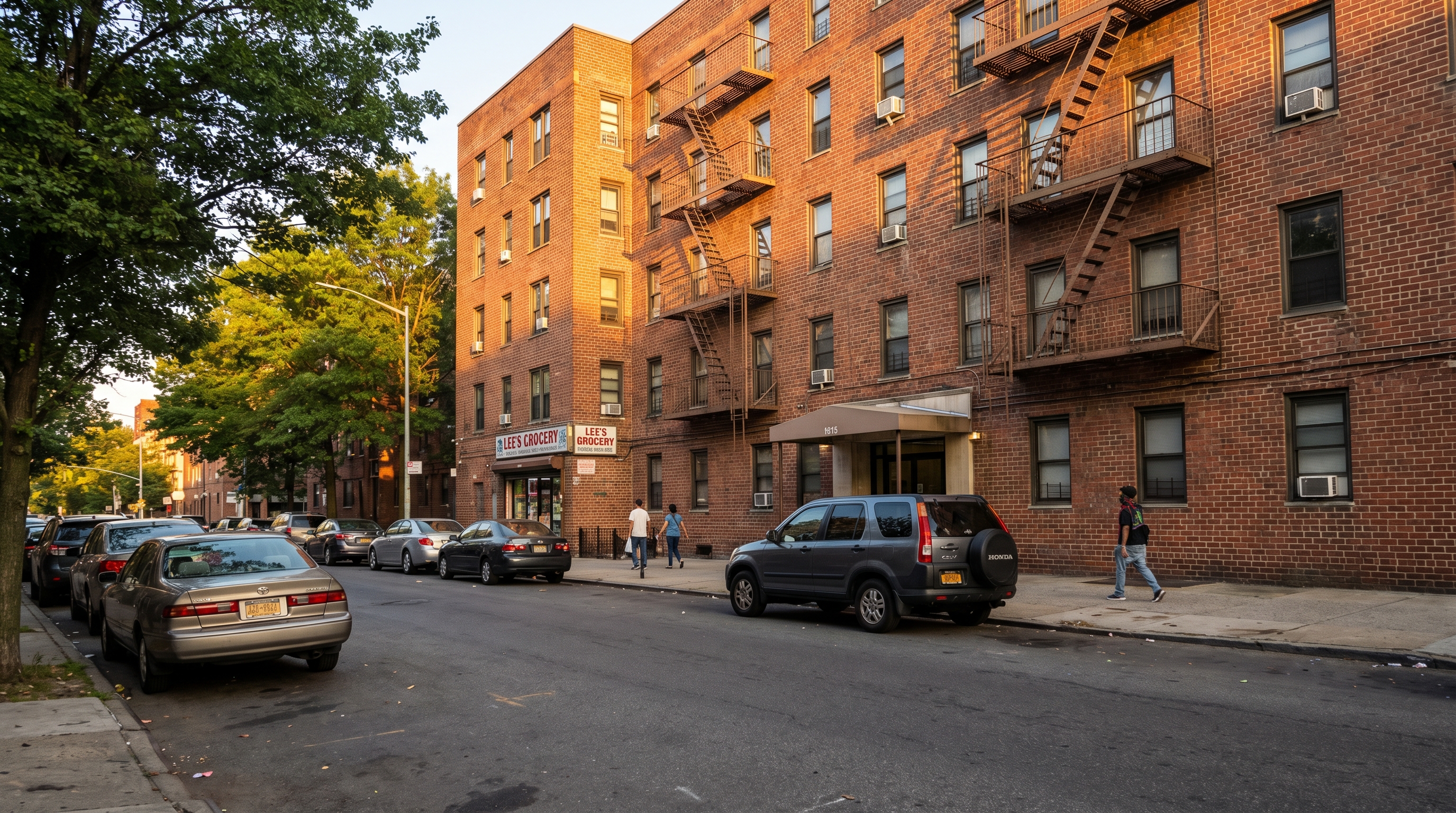
The postwar mid-rise apartment buildings that line Kissena Boulevard and the main cross-streets are the dominant residential type in East Flushing. Five to seven stories, brick construction, ground-floor retail, residential units above. Structurally solid buildings built between the 1950s and 1980s that house the majority of the neighborhood’s population.
The typical unit in one of these buildings runs from a studio around 450 square feet to a three-bedroom around 1,100 square feet. The floors are usually tile or resilient flooring in the kitchen and bath, with hardwood or laminate in the living areas. Window air conditioners are standard. Kitchens are compact but heavily used.
The interior cross-streets hold a different stock: prewar walk-up apartments from the 1920s and 1930s, three to five stories, no elevator, original glazed ceramic tile in bathrooms that scratches with abrasive cleaners and has been there for ninety years. These buildings have more character than the postwar high-rises and require more specific care.
In the eastern blocks approaching Parsons Boulevard, two-family and single-family brick homes built in Colonial Revival and Tudor Revival styles represent a transition to lower density. Two-family homes typically run 1,200 to 1,600 square feet per unit across two or three floors. These are often owner-occupied and maintained accordingly.
Specific cleaning considerations by building type:
- Postwar rental apartments: window AC grille interiors, compact kitchens with grease buildup from serious cooking, tile and laminate floors that need a full wet clean and dry pass
- Prewar walk-up apartments: original glazed ceramic bathroom tile requiring non-abrasive treatment, original hardwood in living areas requiring a damp microfiber mop not a wet mop, no elevator means carrying equipment up stairs on every visit
- Two-family homes: two full kitchens, two bathrooms, stairwells, and basements that require a sequenced top-down cleaning approach
- Single-family homes in eastern East Flushing: yards that track debris into entryways, ground-floor entry areas that need attention before anything migrates deeper into the house
Kitchens in this neighborhood are used with intent and cleaned that way
Across East Flushing, the cooking is serious. Chinese households wok-cook at high heat, deep fry, braise, and steam. Korean households ferment, fry, and produce elaborate spreads of banchan alongside main dishes. South Asian households use whole spices, fry in quantity, and cook with enough aromatics that the range hood is working overtime. This is not a neighborhood of occasional cooking. The kitchens show it.
The consequence for cleaning is grease film. Wok cooking on high heat disperses atomized oil onto range hood surfaces, backsplashes, and the upper faces of cabinets within three feet of the stove. Regular all-purpose spray cleaners cut surface dust and light grease but leave the underlying film intact. After six months of regular wok cooking, the surfaces within range of the stove need a commercial-grade degreaser applied with contact time, not a quick wipe.
Our apartment cleaning in East Flushing uses degreasers rated for kitchen use on range hood surfaces, backsplashes, and cabinet faces near the stove. Range hood filters, where they are accessible and removable, get soaked separately. The approach takes longer than running a cloth over the counter and calling it done, but the alternative is grease that builds to a point where no amount of standard cleaning removes it.
Many households in East Flushing observe shoes-off as a standard practice, which raises the floor cleanliness requirement throughout the home. In a shoes-off household the floors carry direct foot contact all day, and the standard for clean is higher than in a shoes-on home. We mop with product appropriate to the specific floor surface and do a dry pass last. The floor work is the final step before we leave, not the step we rush.
For households with separate kitchen areas for different food preparation protocols, we assign designated cloths and supplies to each zone and do not cross-contaminate between areas. Tell us your setup when you book.
Prewar walk-up apartments on the interior streets need a different hand than the postwar high-rises
The walk-up buildings on Holly Avenue, Blossom Avenue, and the residential cross-streets between Kissena Boulevard and Parsons Boulevard were built between the 1920s and 1940s. Three to five stories. No elevator. Original glazed ceramic tile in bathrooms. Original hardwood in living areas. Steam heat radiators.
Glazed ceramic tile from this era has a relatively soft glaze. Modern abrasive pads will scratch it permanently and dull the surface in a way that cannot be undone. We clean glazed tile with non-abrasive soft sponge or microfiber and a pH-neutral tile cleaner. The grout in these bathrooms often has decades of mineral and soap buildup that requires a dedicated grout brush, but the tile face itself is handled carefully. These surfaces have lasted ninety years and the cleaning approach needs to account for that.
The original hardwood floors in prewar walk-up living areas are typically old-growth wood, dense and harder than modern lumber, but often finished with oil or wax rather than polyurethane. A wet mop on a wax-finished floor leaves water marks and degrades the finish over time. A steam mop can raise the grain. We use a flat microfiber pad with a pH-neutral hardwood solution, damp only, dried immediately. The approach is the same one we use in prewar apartments throughout Queens.
Our deep cleaning in prewar walk-ups also addresses the cast-iron radiators. The gaps beneath the top panel trap dust from April through September, and when the steam heat activates in October, that accumulated dust burns off and fills the apartment with a scorched smell that lingers for days. What we do about it is dust the top panel, the radiator covers, and the vent grilles on every visit that covers the living areas and bedrooms, so the loose layer never gets down into the unit in the first place. The dust already packed inside is a job for a shop vac and a crevice tool before the heat comes up, and we will tell you that rather than pretend a cloth reaches it.
Move-in and move-out cleaning in a neighborhood with an active rental market
East Flushing has a large population of renters, many of them recent immigrants and young families who have not yet transitioned to ownership. Apartment turnover is consistent, and the Kissena Boulevard corridor sees regular move-in and move-out cleaning demand as units change hands.
A proper move-in cleaning in an East Flushing rental reaches the places that reveal what the previous tenant left behind: inside cabinet shelving, behind the refrigerator and stove, along window tracks, inside bathroom exhaust fan housings, and the grout lines in bathroom and kitchen tile. A standard cleaning pass does not cover these. Our move-in scope includes all of them.
Many rental leases in this neighborhood require a professional cleaning receipt as a condition of lease-end. We provide service documentation that landlords and property managers accept, and we complete a room-by-room checklist for move-out appointments. If your lease specifies particular areas or standards, share it when you book and we will confirm coverage.
Over 100,000 homes across New York City have trusted Maid Marines with move-in, move-out, and recurring cleaning. You can book directly on our booking page and see the flat-rate price for your unit size before committing to anything.
Your cleaning takes about three hours so here is how to spend them in East Flushing
Walk to Kissena Park. The main entrance on Kissena Boulevard is ten minutes from most apartment buildings in the neighborhood, and the park itself gives you more to do than a three-hour cleaning window can accommodate. The lake loop is 45 minutes at a relaxed pace. The velodrome is worth a stop if there is a racing session scheduled. The historic trees near the lake are survivors of the 19th-century Flushing nursery industry that made this part of Queens the horticultural capital of North America. Some of them are over 150 years old.
If you are not in the mood for the park, walk Kissena Boulevard instead. The dim sum halls on the commercial blocks between Sanford Avenue and Elder Avenue are excellent on weekend mornings, and the waits are shorter than anything in downtown Flushing for food of equivalent quality. The Chinese supermarkets have live seafood tanks and produce sections stocked with ingredients that have no equivalents in mainstream grocery stores. The Korean BBQ spots run lunch specials. The bubble tea shops are everywhere. Spend your cleaning window doing what this neighborhood does better than almost anywhere in Queens, which is feeding you very well for a reasonable amount of money.
Your building access and our coordination
Mid-rise buildings along Kissena Boulevard typically have building staff or a super. If your building requires advance notice for any outside vendor, we coordinate with building management before the first appointment. If a Certificate of Insurance naming the building as additional insured is required, we furnish it. If your building has a service elevator with a schedule, we work within it.
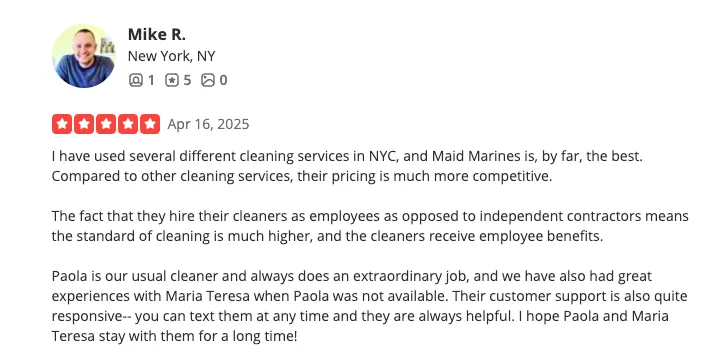
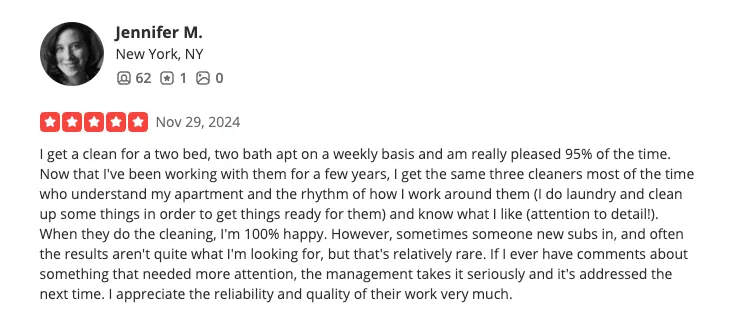
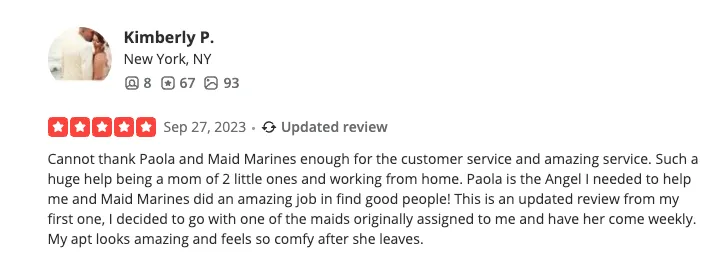
Our cleaners are W-2 employees, vetted and insured, not gig workers. We assign the same team to your home on recurring visits so your building staff knows them and you do not get a new vendor introduction every two weeks.
We also serve nearby Fresh Meadows, Forest Hills, Astoria, Long Island City, and the rest of Queens.