
Glendale has been building the same kind of house for about a hundred years and the neighborhood looks exactly like you would expect that to produce. The two-family brick row houses run block after block from Myrtle Avenue down to the Lutheran Cemetery, attached and semi-detached, built mostly between 1910 and 1935, with full basements and small backyards and stoops swept clean by owners who bought in and stayed. The neighborhood sits between Forest Park to the north and the Victorian cemetery hills to the south, and that geography has kept it quieter and more stable than almost anything else in western Queens. It is not a neighborhood in transition. It is a neighborhood that decided what it wanted to be a century ago and has been maintaining that choice ever since.
That attachment to property is the defining fact of Glendale’s character. The homeownership rate here runs roughly double the Queens borough average, and it shows in the block-by-block care of the facades and gardens. Window boxes are common. Wrought-iron fences get painted. The stoops get swept. Residents who grew up in these houses and inherited them, or who scraped together a down payment and bought them, understand that the house is the investment, and they treat it accordingly.
The housing stock in Glendale rewards cleaners who know what they are working with
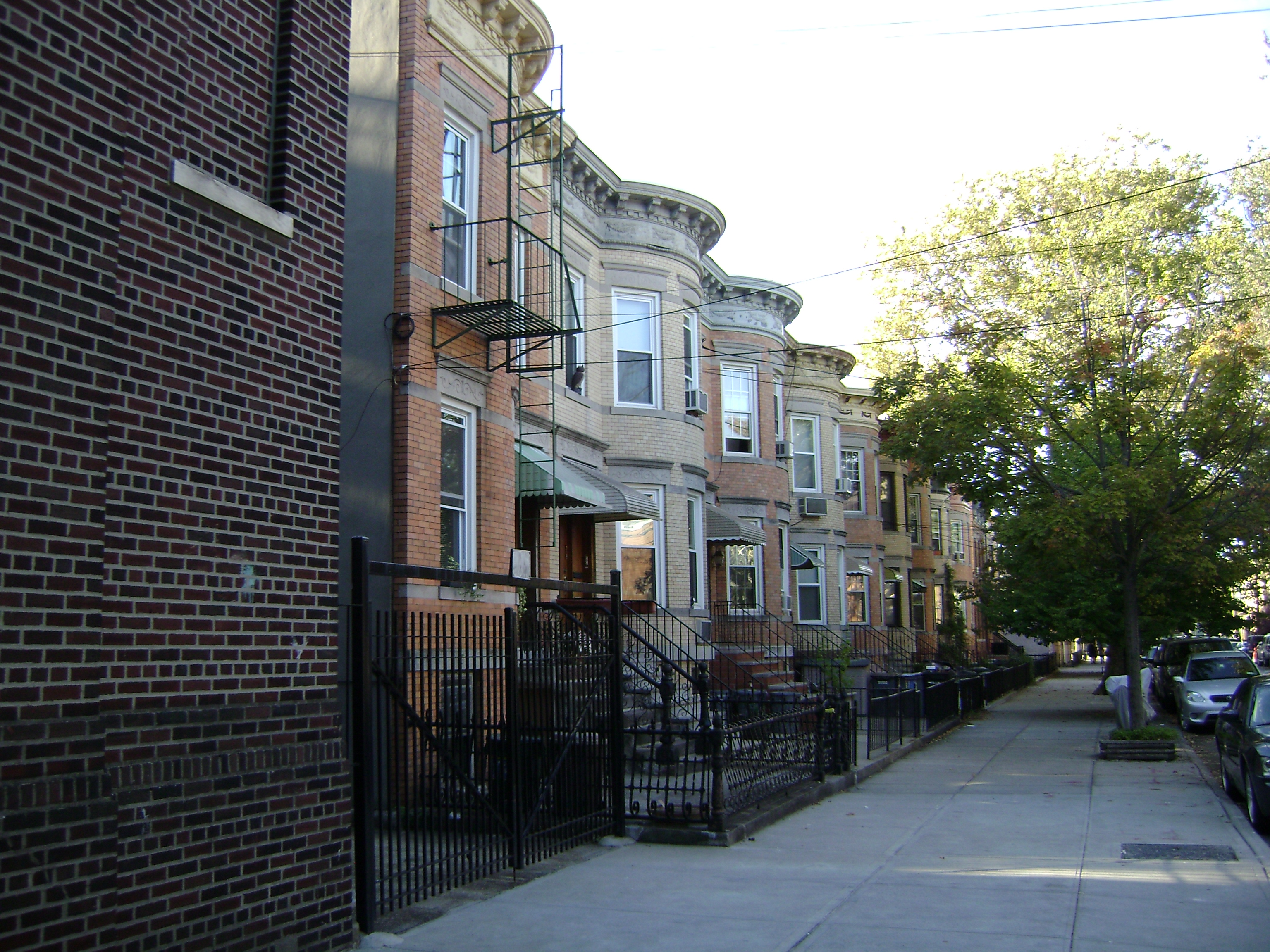
The dominant building type in Glendale is a specific thing: a two- or three-story attached brick row house built in the 1910s to 1930s, with a full basement, narrow staircase, small entryway, and a kitchen that has absorbed several generations of daily cooking. These are not lofts or luxury condos. They are working homes, built well, used hard, and maintained with care but without a lot of renovation budget. The original hardwood floors in most of them have wax finishes rather than polyurethane, which means they clean differently than anything built after 1970. Water damages them. Steam mops ruin them. The correct approach is a barely damp microfiber pad and a pH-neutral solution, dried immediately.
The basements in Glendale row houses are finished spaces in many cases, used as playrooms, home offices, laundry rooms, or storage. They collect dust around the mechanicals and grime near the utility sink and boiler, and they are the room that most cleaning services skip entirely or clean cursorily. We include them in the scope and we clean them properly.
The kitchens in multi-generational households cook constantly. Grease builds on range hoods and upper cabinet faces in layers that all-purpose spray cleaner will not cut. We carry commercial-grade degreaser for those surfaces. The undersides of upper cabinets, the area around and above the range, and the backsplash behind the stove require the same attention as the stovetop itself. This is not optional. A kitchen that looks clean on the counters but has six months of grease film on the hood is not a clean kitchen.
What the proximity to Forest Park does to every floor in the house
Forest Park is 538 acres of oak and hickory forest on glacially deposited ridges along Glendale’s entire northern boundary. The park is one of the finest urban woodlands in New York City, and Glendale residents use it constantly. They walk it in the morning, bike through it on weekends, and let their dogs run the trails. The park is free and accessible and genuinely good, and residents bring it home with them on their shoes every time.
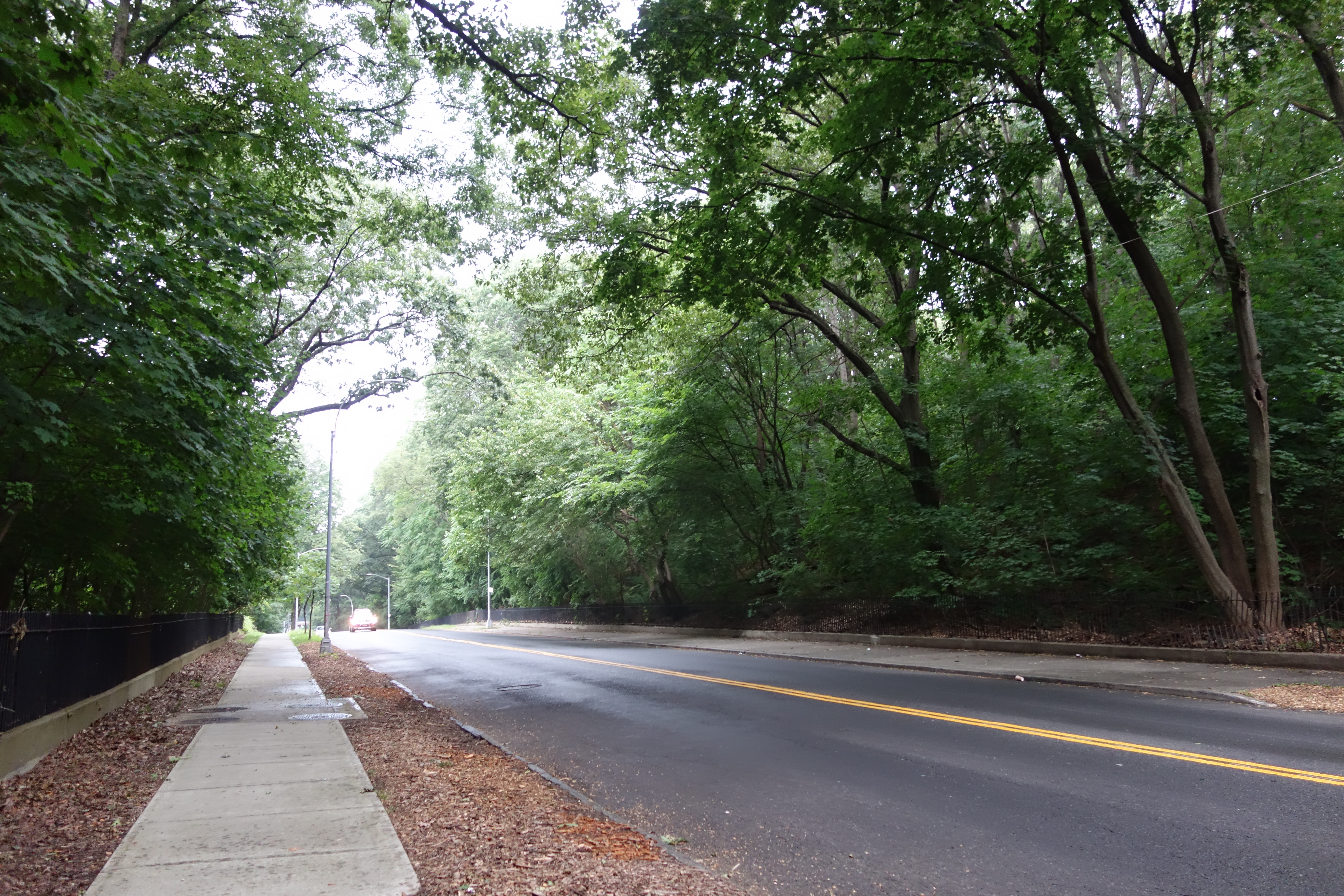
The practical consequence is that entryways, front doors, and the first several feet of every floor in every home near Forest Park accumulate trail dirt, leaf debris, and tracked-in grit year-round, with the fall foliage season producing particular concentrations. Grit is the primary source of floor scratches over time, and entry areas that are not properly cleaned carry that grit deeper into the house on every pass. We address entry areas first on every visit and spend real time on them in the fall. If you have rugs at the door, we work the rugs with the appropriate tool before moving further in. The floor savings over time are real.
Homes along the Woodhaven Boulevard corridor and on the blocks closest to the park also deal with dust from the Jackie Robinson Parkway, which runs along the park’s northern edge. Horizontal surfaces in living rooms and bedrooms facing west collect road dust on top of the normal household accumulation. We clean top-down on every visit, working from ceiling fans and high shelves before moving to surfaces and floors, so that dust we dislodge above always falls onto still-dirty surfaces below.
House cleaning in Glendale means knowing the basement is part of the house
We have cleaned over 100,000 homes across New York City and Glendale’s row houses represent a specific and consistent type. The house cleaning challenge here is not unusual complexity or rare finishes. It is depth. A three-story row house with a finished basement is four levels of actual living space, and every level accumulates differently.
The top floor in a two-family is typically bedrooms and a bath. The main level has the kitchen, living room, and dining area. The lower level or basement might be a family room, laundry room, or combination of both. Each level has its own traffic pattern and its own dominant dirt type. Bedrooms accumulate dust and pet hair and the output of daily life. The kitchen level accumulates cooking grease and food debris. The basement accumulates tracked-in grit, laundry lint, and the particular dust that collects around mechanical systems.
A cleaning service that treats all four levels with the same product and the same technique is not cleaning your house. It is wiping it. We use different products for each zone and we move deliberately through the levels in an order that prevents us from spreading cleaned-floor debris back onto already-cleaned floors.
We also handle deep cleaning for the seasonal transitions that matter in Glendale’s older housing stock: post-winter cleaning that addresses the salt and grit tracked through an entry all February, pre-Passover cleaning for households observing the season, and move-in and move-out cleaning for the significant portion of Glendale homes where the owner occupies one unit and turns over the other.
Myrtle Avenue and the neighborhood that built itself without asking for anyone’s attention
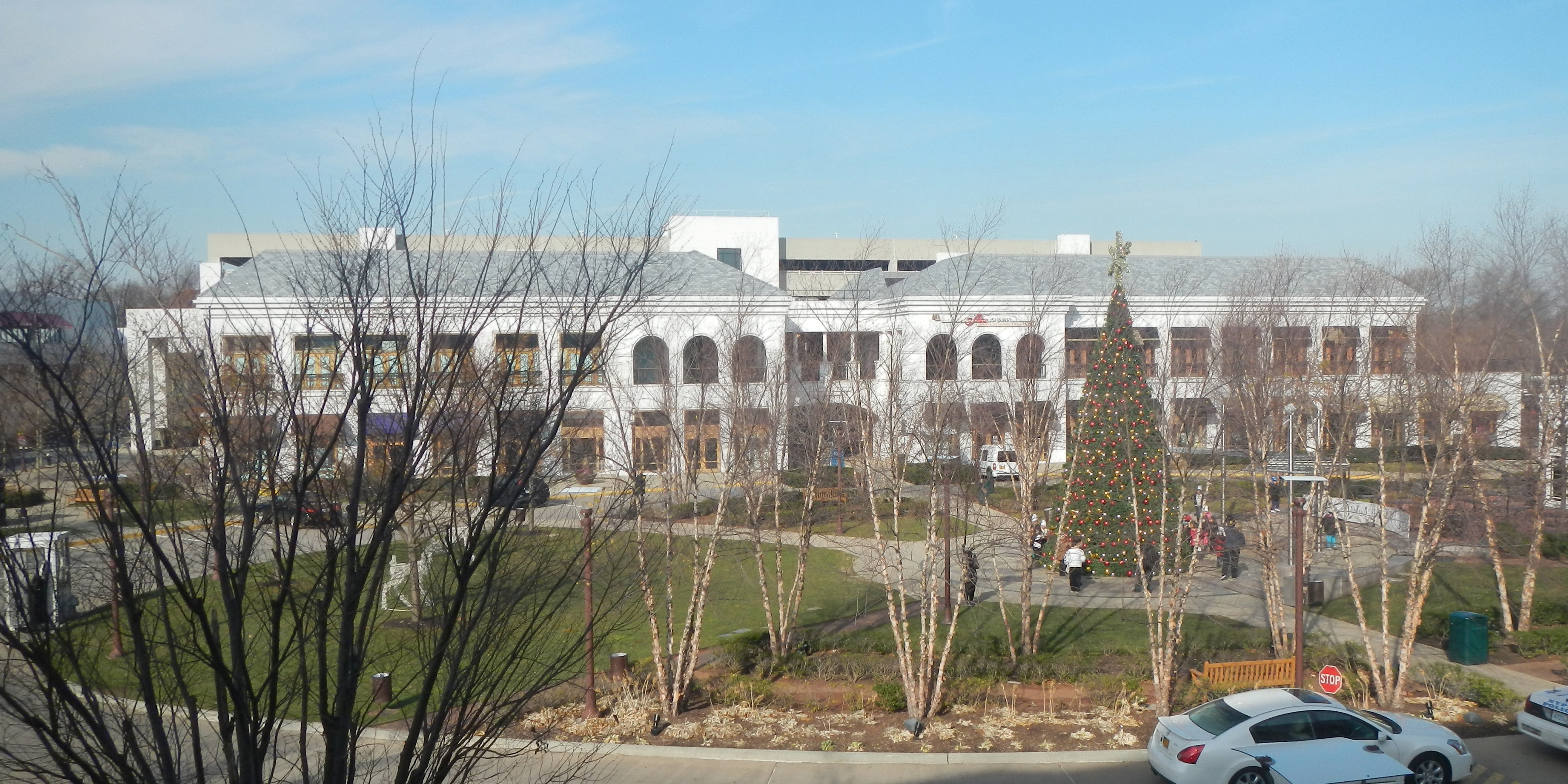
Myrtle Avenue has been the commercial spine of Glendale since German butchers and bakers built their shops here in the 1880s. The elevated M train ran above it for decades before the extension was removed in 1969, and the ghost of that structure survives in the unusually wide roadway. The shops that line it today are not the same shops from a century ago, but they operate at the same scale and with the same relationship to the surrounding residential blocks: hardware stores, delis, family-owned bakeries, a Colombian taqueria, a pizza place that has not updated its menu, a diner that has been serving the same eggs since 1967. These businesses exist for the people who live within walking distance, and those people keep coming back.
The neighborhood has absorbed Italian, Eastern European, and Latin American communities over the decades without any of those additions displacing what was already here. The Italian-American families who moved in when the German community dispersed to Long Island raised their children in the same row houses, maintained the same block associations, attended the same Catholic churches. Polish and Romanian families arrived in the 1980s and 1990s and did the same. Colombian and Mexican families have been arriving since the 2000s and continue the pattern: buy a two-family, maintain it, raise the kids. Glendale is a neighborhood that integrates by assimilation to a shared value system centered on property ownership and neighborhood maintenance.
Your cleaning takes about three hours so here is how to spend them in a neighborhood that does not ask for your validation
Book your appointment on our booking page and you see your flat-rate price before you commit. If your row house has a finished basement, the price reflects that. If the kitchen needs a degreaser treatment beyond the standard scope, you tell us once and we handle it from there.
While we work, take the Woodhaven Boulevard entrance into Forest Park and walk the ridge trails north. The forest is genuine: mature oaks that predate European settlement, glacial ridges that give you actual elevation changes, trails that are muddy in spring and blazing in October. The 1903 carousel operates on weekends and is exactly as good as a hundred-year-old hand-carved wooden horse carousel should be. Grab a coffee and a bagel on Myrtle Avenue before you go in.
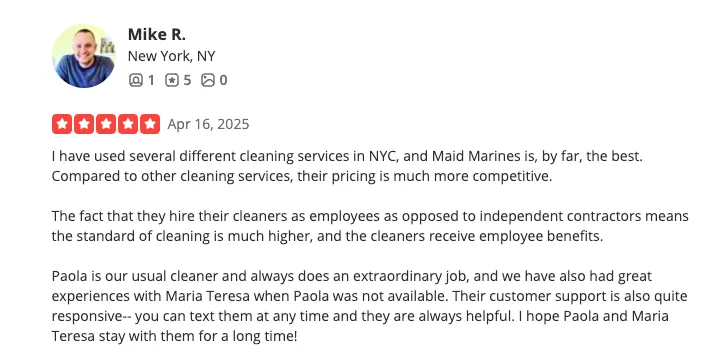
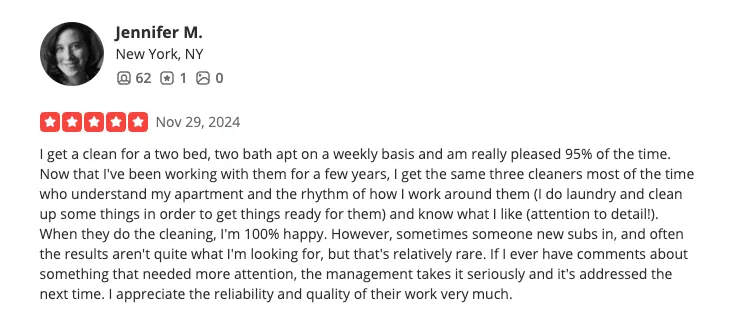
Our cleaners are W-2 employees, not gig workers. They arrive with the right products for Glendale’s housing stock, which means pH-neutral hardwood solution for wax-finished floors, commercial degreaser for kitchens that cook hard, and the patience to do the basement properly.
We also serve nearby Forest Hills, Sunnyside, Astoria, and the rest of Queens.