
When the Germania Land Company bought 65 acres of Flatbush farmland in 1892, they were making a bet on trains that had not yet arrived. The developers platted the streets, named the neighborhood after Admiral David Glasgow Farragut, and waited for the subway to come. They waited twenty years. The IRT finally extended the Nostrand Avenue Line southward in 1912, and within two decades the empty lots were filled with the two- and three-story brick rowhouses that still define every residential block today.
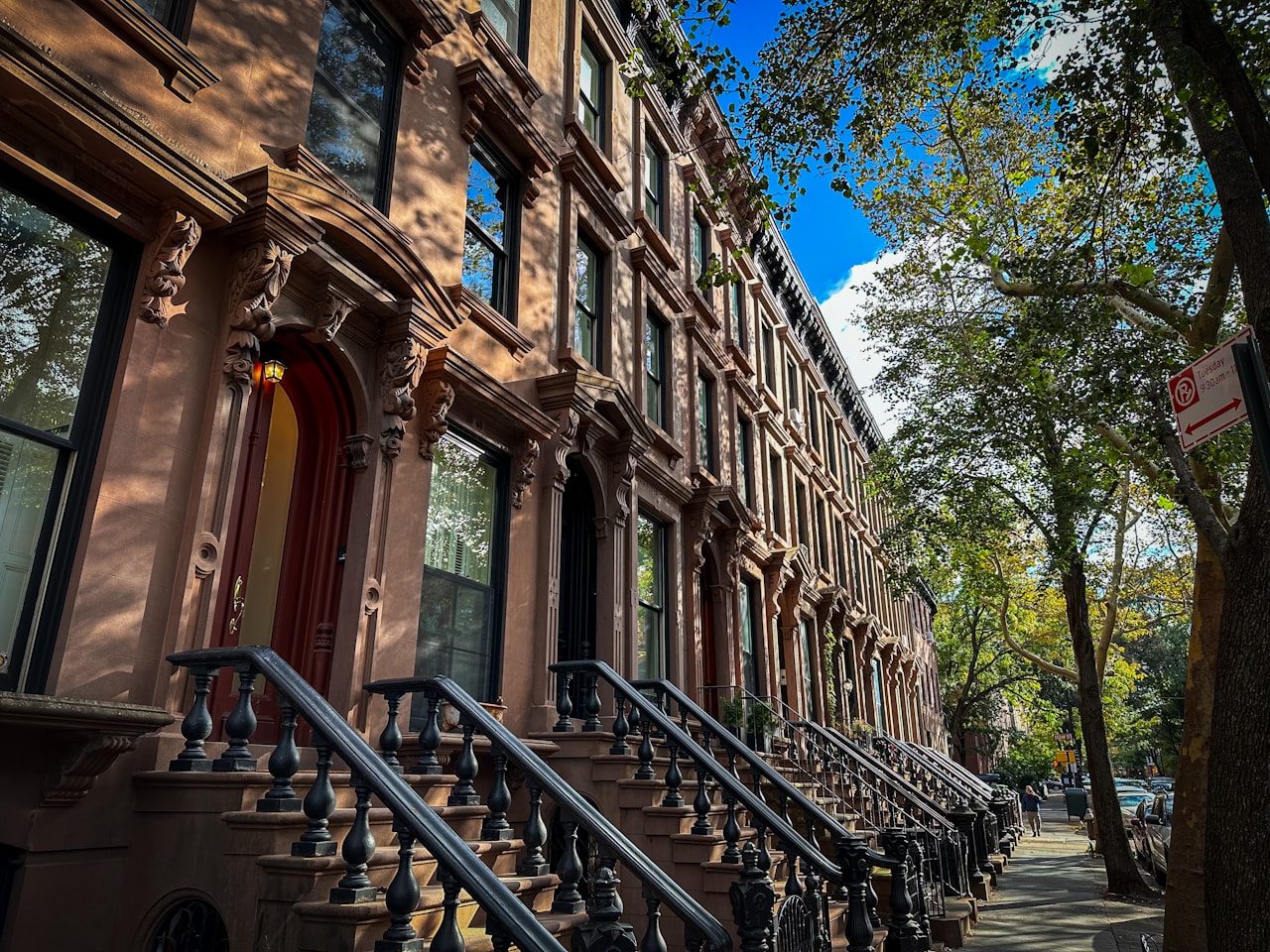
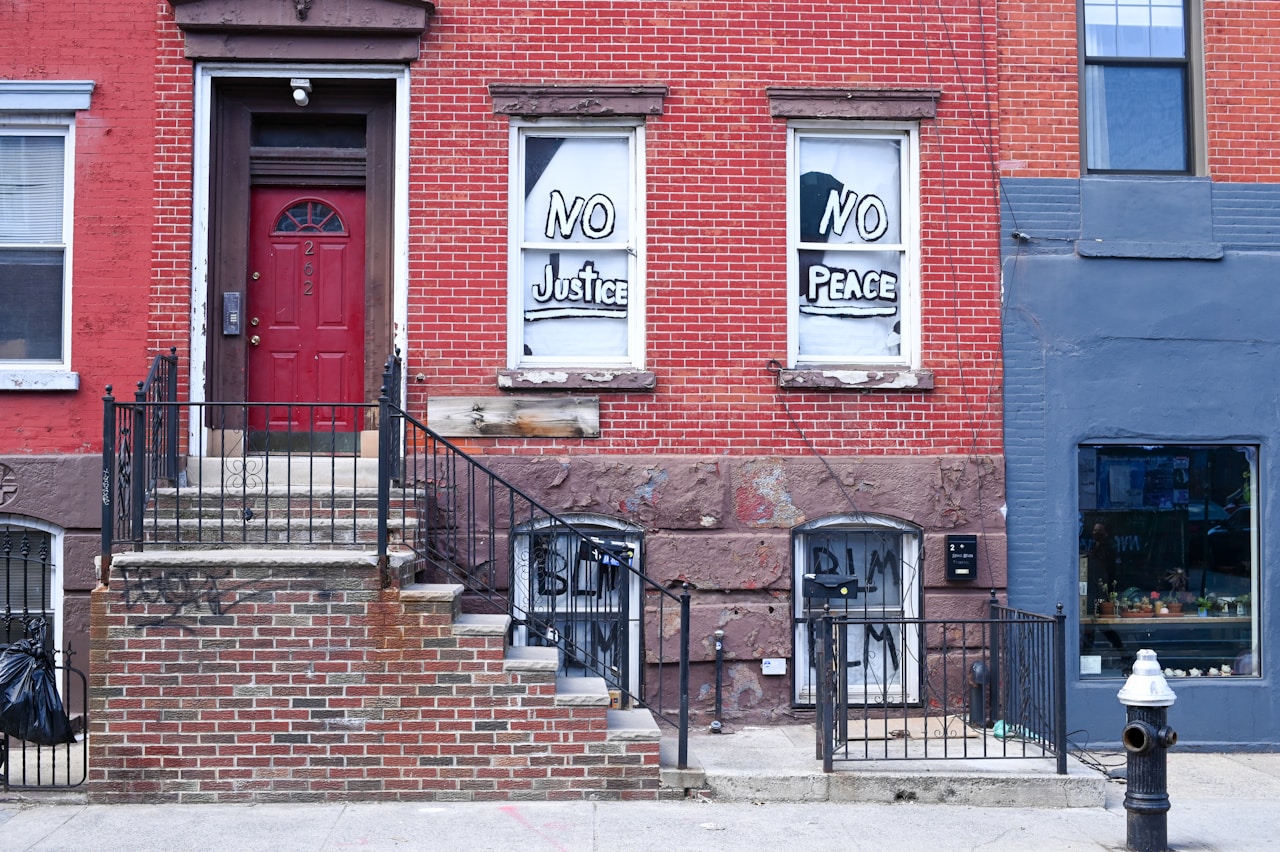
Those rows of red and yellow brick, built between 1912 and 1940 on 20-foot-wide lots with modest stoops and rear yards, are the physical record of a neighborhood that grew fast, grew practical, and grew to last. No ornamental limestone excess, no Victorian theater of wealth. What Farragut got was solid: good brick, functional floor plans, and enough room for two families in each structure, which turned out to be the most consequential design decision anyone made here. The two-family rowhouse became the engine of Caribbean immigrant wealth-building in the second half of the 20th century, and its presence on nearly every block of Farragut is why the neighborhood looks the way it does today.
The housing stock in Farragut shapes what cleaning work actually involves
A two-family brick rowhouse from 1925 is not the same cleaning job as a brownstone in Park Slope or a glass-and-steel condo in Downtown Brooklyn, and the differences matter. The floors in these homes are typically old-growth hardwood, finished with wax or oil rather than the polyurethane that went on floors in homes built after 1970. Steam mops and wet mopping routines that work fine on modern floors will raise the grain on these. The kitchens are often smaller, with tile backsplashes where grout has decades of history. The bathrooms in many of these homes still have the original hex tile on the floor and subway tile on the walls, and that grout needs a soft brush, not a pressure spray.
The radiators, cast-iron and loud in winter, collect dust between their fins all through the warmer months. The plaster walls in the older units hold dust differently than drywall. The stoops, cleaned down to the street, are the front face of a home that many Farragut owners take genuine pride in. All of this requires attention that generic cleaning routines do not provide.
Our house cleaning teams carry separate products for hardwood, tile, and stone, and they switch between them as the surface requires. They clean top-down. They get behind the radiators. The hexagonal bathroom tile gets a brush, not a wipe. We do not apply the same protocol to every home because every home in a neighborhood this old is different in ways that matter.
Flatbush Gardens is the neighborhood’s largest housing complex and its own cleaning category
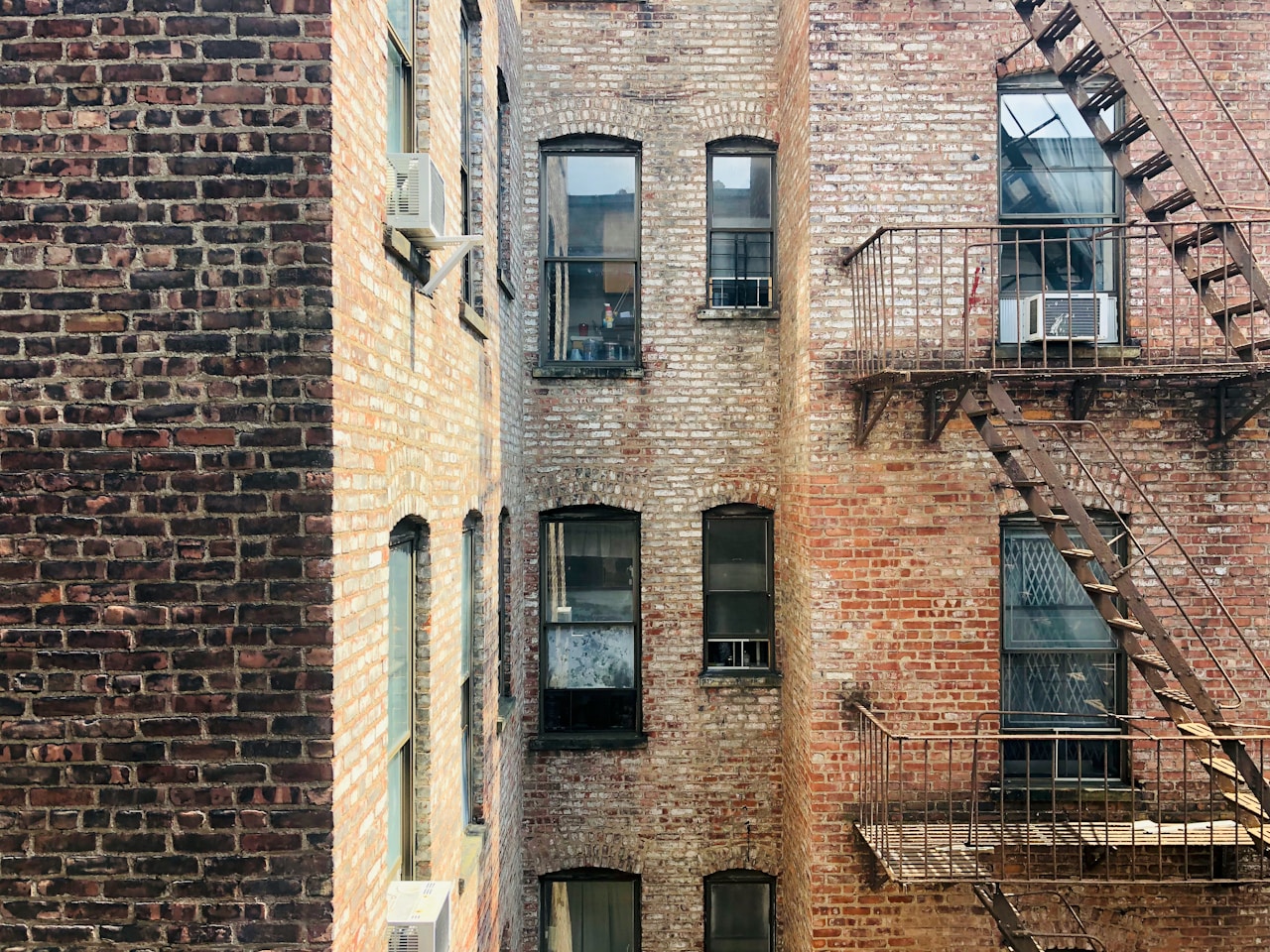
The 59-building complex erected in 1949 at the intersection of Flatbush Avenue, Beverly Road, Nostrand Avenue, and Farragut Road is a different environment from the rowhouse blocks. The architecture is postwar functional brick, the floor plans are standardized, and the apartments range from compact studios to three-bedrooms. Originally marketed as Vanderveer Estates for returning World War II veterans and young families, the complex has housed thousands of Farragut residents across three generations.
Cleaning in Flatbush Gardens means working in apartments that vary considerably in how they have been maintained and updated over the decades. Some units have original kitchen and bathroom finishes from the postwar era. Others have been renovated with modern tile and fixtures. Shared hallways and elevator lobbies mean coordinating service elevator access for larger cleaning supplies. We schedule around building requirements and assign the same team to returning clients so the logistics are settled after the first visit.
For apartment cleaning in Flatbush Gardens, we also handle move-in and move-out cleaning when units turn over. A proper move-out clean in a six-story walk-up apartment covers inside cabinets and drawers, inside the oven and refrigerator, bathroom grout, window sills, and every baseboard in the unit. The standard that a new tenant expects and that a landlord needs to document is specific, and we meet it.
Nostrand Avenue and the Little Caribbean corridor define the neighborhood’s culture
The strip of Nostrand Avenue running through Farragut is not a food destination that arrived recently. It has been building for sixty years. When Caribbean immigrants settled Farragut starting in the 1960s, they brought their food, their trade networks, and their community institutions with them. Jamaicans, Trinidadians, Haitians, Guyanese, Bajans, and Grenadians arrived in successive waves, and each wave added to the commercial life of Nostrand Avenue. By the time the official Little Caribbean designation was granted in 2017, recognizing this corridor as the most concentrated Caribbean-American community in the United States outside of the Caribbean itself, the designation was simply a formal acknowledgment of what the street had been for decades.
Sybil’s Bakery is a Guyanese institution on this stretch, a pilgrimage destination for anyone from the diaspora who grew up eating black cake and tennis rolls. Peppa’s Jerk Chicken on Flatbush Avenue draws lines on weekend afternoons. Haitian restaurants serve griot and diri ak djon-djon. Roti shops from the Trinidadian and Guyanese tradition share the block with Jamaican patty counters, beauty supply shops, and West Indian American mutual aid organizations. The dollar vans, privately operated shared minivans that run along Flatbush and Church Avenue, represent forty years of community self-organization around transit needs the city did not adequately serve.
This is not a neighborhood waiting to be discovered. It has been fully itself for a long time.
Two-family ownership built wealth that the neighborhood still holds
The single most economically significant fact about Farragut’s housing stock is the proportion of two-family homes designed for owner-occupancy. The model is straightforward: a Caribbean immigrant family buys a two-family rowhouse, occupies the ground floor or one unit, rents the other, and uses the rental income to pay down the mortgage over time. The equity accumulated through this approach, over twenty or thirty years in a market where property values in central Brooklyn have risen substantially, has given Farragut a homeownership rate that outperforms many far wealthier neighborhoods.
Homeownership in Farragut runs approximately 35 to 40 percent, against a New York City average of 32.5 percent. For a neighborhood with a median household income in the $43,000 to $55,000 range, that figure is extraordinary. It reflects a community that arrived without inherited wealth and used the housing stock it found here to build it deliberately, over generations, using the most reliable wealth-building instrument available to working families in New York City.
The same two-family structure is also why our deep cleaning work in Farragut often involves two separate conversations: one with the owner-occupant about their floor’s specific needs, and another about the rental unit’s condition for a new or existing tenant. We handle both, and we handle them separately when that is what the situation requires.
The name comes from the most famous order ever shouted from a ship’s rigging
Farragut’s namesake is Admiral David Glasgow Farragut, the Union naval hero of the Civil War. At the Battle of Mobile Bay in August 1864, Confederate mines had been laid across the harbor entrance, and when one Union vessel struck one and began to sink, the fleet hesitated. Farragut, who had himself lashed to the rigging of his flagship Hartford for a clear view over the smoke of battle, gave the order that became the most quoted command in American naval history: “Damn the torpedoes, full speed ahead.” His fleet broke through, seized the bay, and Farragut became a national hero. Congress created the rank of Admiral specifically for him in 1866. He was the first person in United States history to hold that title.
The Germania Land Company named their new Brooklyn neighborhood after him in the 1890s with the patriotic marketing sensibility of the era. They could not have predicted that the trains would take twenty more years to arrive, or that the neighborhood would eventually become the residential heart of the largest Caribbean-American community in the United States. But the name stayed, and the streets they platted are still there, filled now with the brick rowhouses and apartment buildings that arrived when the IRT finally came through.
What booking looks like for Farragut homes
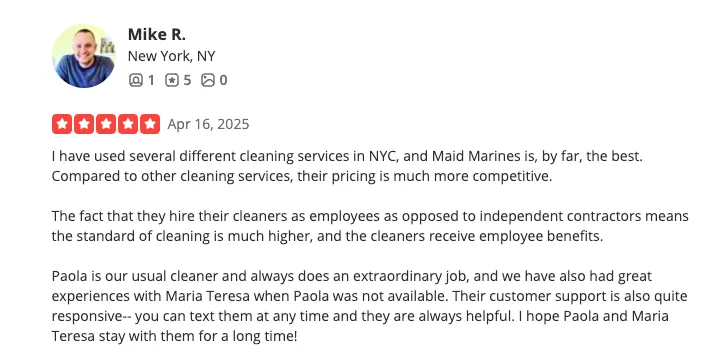
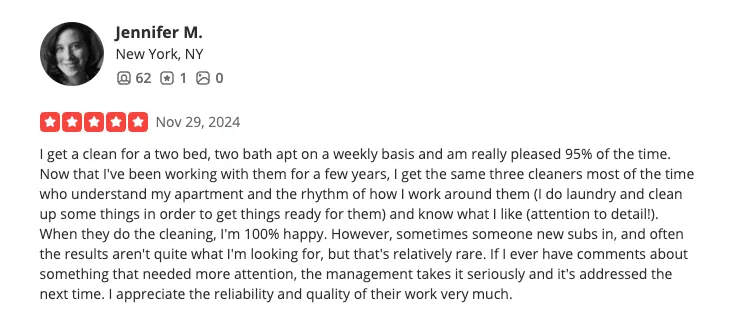
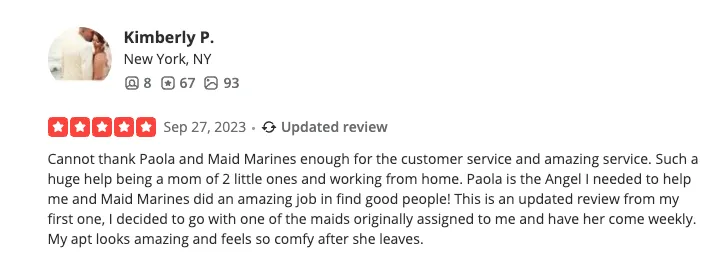
You pick your date and time on our booking page. You see a flat-rate price before you commit to anything. If your two-family rowhouse has two full floors to clean, the price reflects that honestly. If your Flatbush Gardens apartment needs a move-out deep clean before a new tenant arrives, you tell us and we build the right scope. Our cleaners are W-2 employees, not gig workers, and they show up with the correct products for the surfaces in your specific home.
We have cleaned over 100,000 homes across New York City, including thousands in central Brooklyn. We also serve nearby Flatbush, Midwood, Crown Heights, Bed-Stuy, Park Slope, and the rest of Brooklyn.