
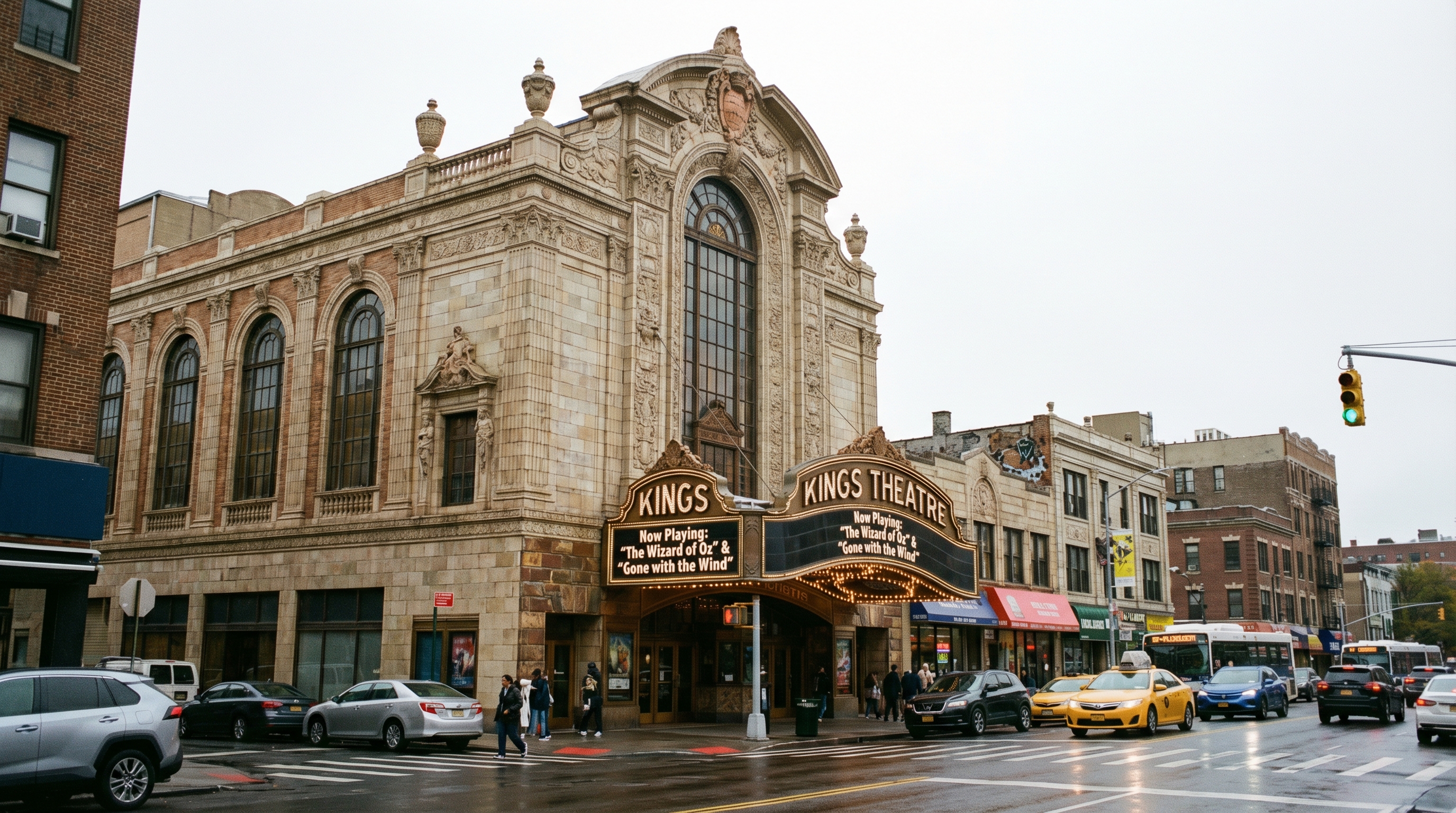
The Kings Theatre at 1027 Flatbush Avenue was modeled on the Palace of Versailles, sat completely abandoned for 38 years, and got a $95 million restoration in 2015. That particular sequence tells you something about Flatbush: this is a neighborhood that has outlasted everything the last century threw at it and arrived at the other side with more going on than it started with. Time Out named it the coolest neighborhood in New York City in 2024. The Dutch settlers who named it “Vlachte Bos” in 1636 would not recognize the block, but the flat, dense, vivid energy they described in naming it is still entirely accurate.
Cleaning in Flatbush means knowing both registers of the neighborhood at once. The prewar apartment buildings that line Church Avenue and Flatbush Avenue house the majority of the neighborhood in buildings from the 1920s through the 1950s, with steam radiators that need cleaning between the fins, original plaster walls that scuff when handled wrong, and kitchens where daily cooking at high heat leaves oil films on every horizontal surface. Ten blocks south on Marlborough Road or Argyle Road, detached Victorian and Edwardian houses on deep lots present a different set of problems entirely: original 1910 hardwood floors with wax finishes that water will raise, Tudor Revival casement windows with complex sills, and basements that accumulate the kind of deep dust that only three-story houses with no central air manage to collect.
The apartment buildings along Church Avenue require cleaning that accounts for daily cooking at scale
The corridor from Church Avenue north to the Flatbush terminus at the Q and B trains is primarily brick prewar apartment buildings built between 1920 and 1955. These are solid buildings, well-constructed, with original tile bathrooms, plaster walls, and steam heat systems that rattle into service every October and coat everything nearby with the accumulated dust of the previous summer. Apartments in the 11226 core typically run 800 to 1,100 square feet across two or three bedrooms, and the kitchens are the room that require the most attention.
Daily cooking at high heat produces grease as a byproduct that settles on every horizontal surface in the kitchen: the top of the cabinets, the backsplash tile, the underside of range hood filters, and the faces of anything mounted on the wall near the stove. A standard wipe-down product does not cut oil film the way a degreaser does. Our apartment cleaning visits include a proper degreasing pass on the range hood, backsplash, and cabinet faces as part of the regular rotation. The first visit, especially if cleaning has not been done professionally before, requires extra time on the kitchen. After that, the maintenance is fast because the oil buildup never gets a chance to layer.
Prewar buildings in this corridor also have steam radiators that run along the baseboard in most rooms. The dust that settles on the cast iron burns off when the steam heat first kicks on each fall and produces that distinct smell. We dust the covers and the vent grilles every visit and keep the baseboard and the floor around them clear, which is more than most cleaning services bother with. Getting inside the cast iron itself takes equipment we do not carry, so a unit that has never been vacuumed out will still announce the start of heating season no matter who cleaned the apartment.
The Victorian houses on Marlborough Road have 100-year-old finishes that punish the wrong approach
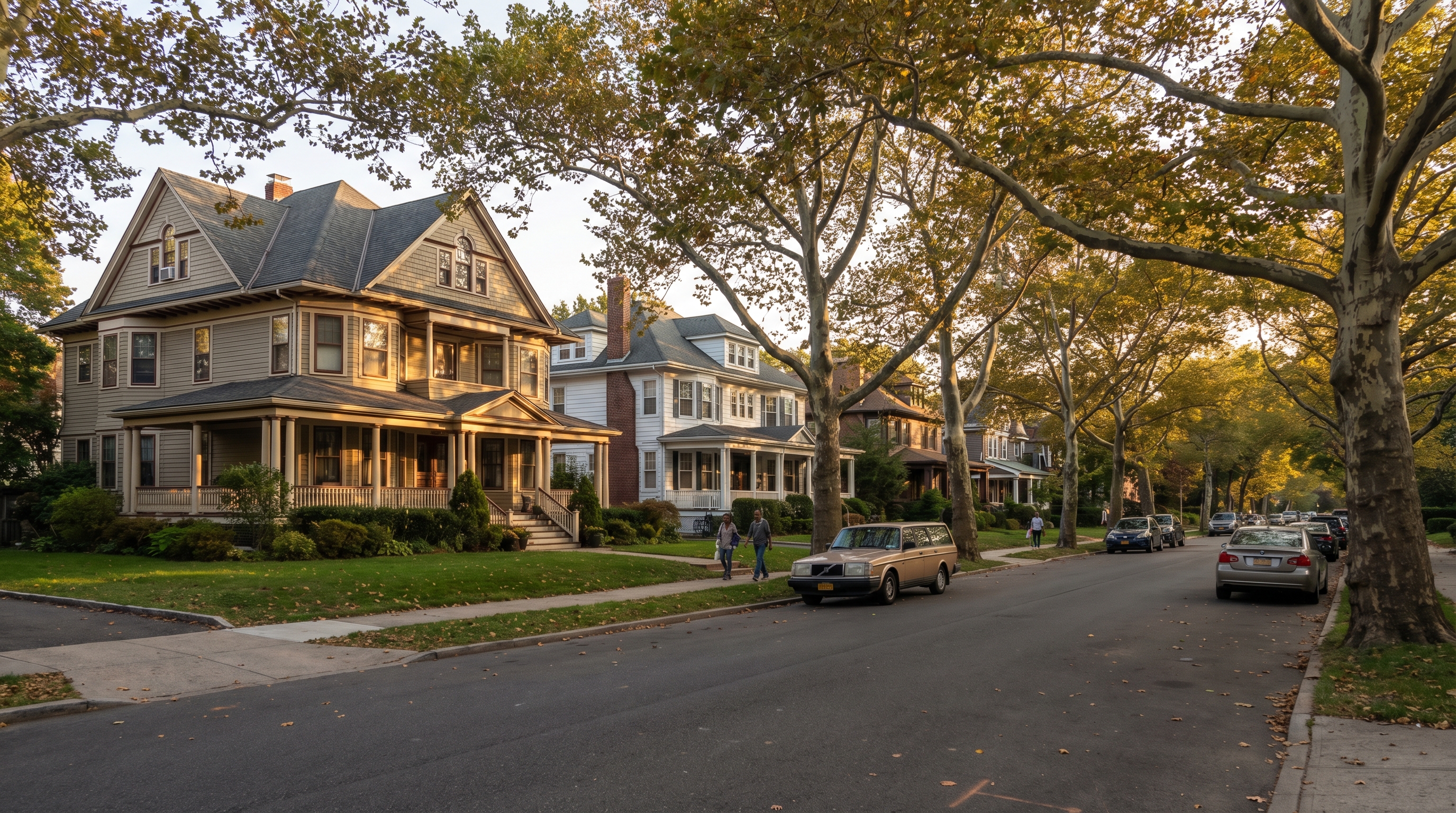
In November 2025, the Landmarks Preservation Commission unanimously added two more historic districts to the Victorian Flatbush zone, bringing the total to six. The houses that now sit in these districts on Marlborough Road, Argyle Road, Westminster Road, Rugby Road, and East 17th Street were built between approximately 1899 and 1920 by developers who required lawns, trees, and wraparound porches on every lot. The goal was a suburb inside the city, and the goal succeeded to a degree that Dean Alvord and Thomas Benton Ackerson could not have anticipated: their houses are still standing, largely intact, more than a hundred years later.
What landmark designation also means is that these are 100-plus-year-old surfaces being cleaned by people who may or may not know the difference between a wax finish and a polyurethane one. The floors in most Ditmas Park Victorians are original old-growth hardwood finished with penetrating oil or wax rather than the polyurethane that became standard after World War II. Wax finishes darken and streak when hit with water-based cleaners, and they can be stripped entirely by the acidic products some services use on every surface. We use a barely damp microfiber mop and a wood-safe cleaner formulated for oil-finished floors. No vinegar, no steam, nothing acidic. The floors in these houses have survived four generations of owners and we intend to keep them that way.
The same principle applies to original tile bathrooms with hex floor tile and white subway tile on the walls: the grout lines in these rooms are often original and cannot be bleached repeatedly without degrading. We clean them with a pH-neutral product and a stiff brush. The ornate exterior porch woodwork and interior built-ins that define the Queen Anne and Colonial Revival houses in the southern blocks require a dry dust before anything wet goes near them. Our house cleaning teams carry separate products for hardwood, tile, grout, and plaster and switch between them as they move through a Ditmas Park Victorian rather than deploying one product on every surface.
A deep clean for a prewar apartment or Victorian house is a different operation than a standard visit
Flatbush is a neighborhood where the first visit almost always needs to be a deep cleaning. Prewar apartments with high ceilings accumulate grease on range hoods that has not been touched in years, plaster crown molding with details that collect dust in the recesses, cast-iron radiators with fins that have not been brushed since the building was new, and bathroom tile with soap scum that only a proper scrub will remove. Victorian houses in the Ditmas Park zone add basements, attics, wraparound porches, and bay windows with complex sill profiles to the list.
The deep clean is the investment that makes recurring maintenance fast and affordable afterward. We come in once, address everything that has accumulated over the life of the tenancy or the last season, and set a baseline that a standard recurring visit can sustain. If you are booking before the West Indian Day Carnival and want the apartment ready for guests, or moving into a Victorian on Rugby Road that has not been professionally cleaned in years, the deep clean is the right first step.
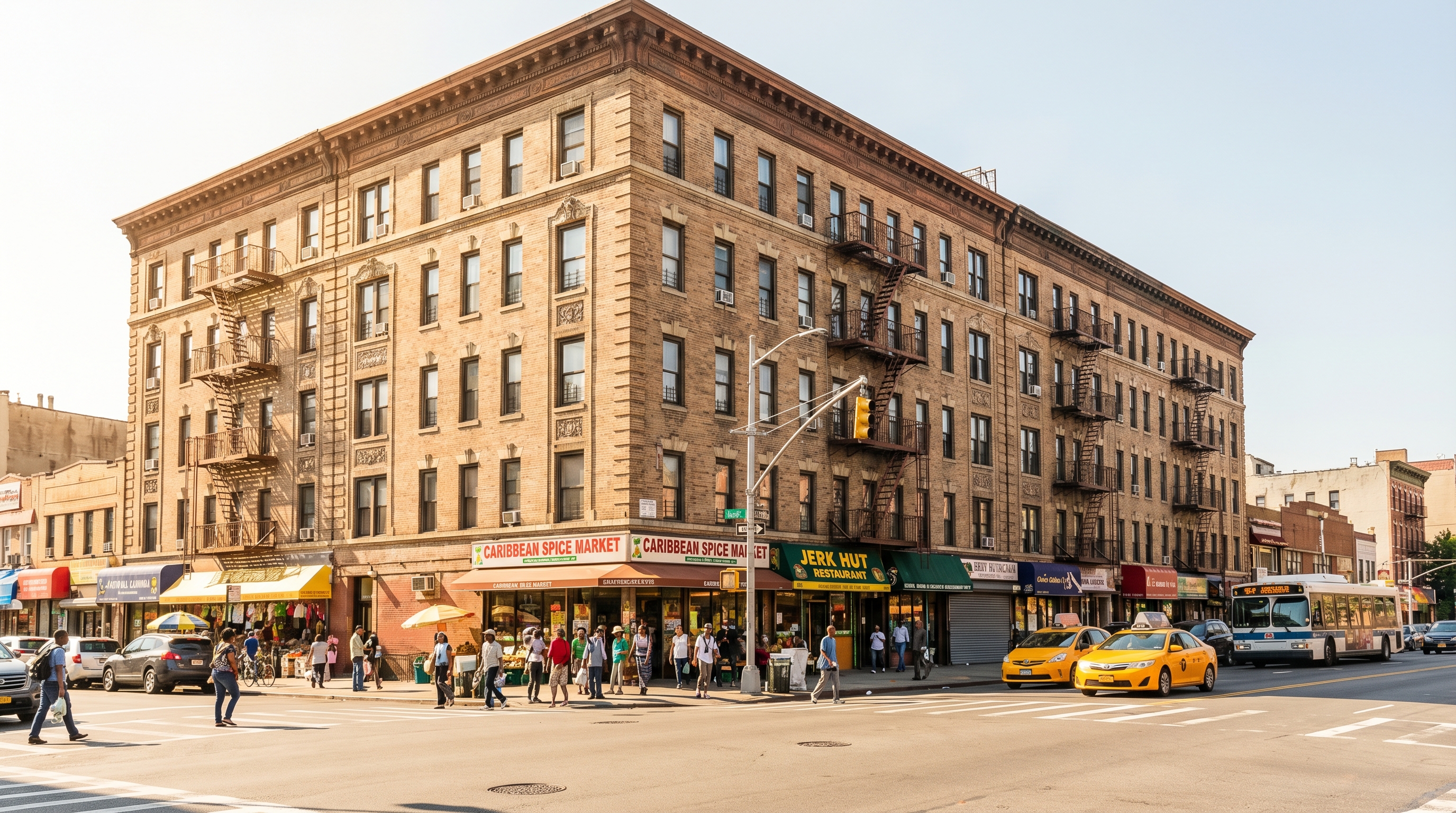
Your cleaning takes about three hours so here is how to spend them in Flatbush
A standard Flatbush apartment cleaning runs two to three hours. A Victorian house takes longer. Either way, you do not need to be home for it.
Walk down Flatbush Avenue to the Kings Theatre and look at the facade from across the street. It is one of the most architecturally extraordinary buildings in all of Brooklyn and most people who live here walk past it without looking up. Then cut over to Cortelyou Road in Ditmas Park for coffee at one of the corner cafes before the weekend crowd arrives. If the cleaning is running long, walk the Marlborough Road and Argyle Road blocks and read the LPC plaques on the houses, which explain exactly which architect built which house and in what year.
For food, Footprints Cafe on Flatbush Avenue handles lunch in a Jamaican kitchen that does not rush you. Peppa’s Jerk Chicken has a line on weekends that moves quickly. Aunts et Uncles a few blocks south does the kind of brunch that turns a two-hour cleaning window into an afternoon. The Parade Ground adjacent to Prospect Park’s southern tip is a short walk from the center of the neighborhood and runs cricket matches on weekend mornings that are worth watching even if you have no idea what is happening.
Over 100,000 homes cleaned and a team that shows up ready for what Flatbush actually requires
We are a NYC house cleaning service with over 100,000 homes cleaned across all five boroughs. Our cleaners are W-2 employees, not gig workers. They carry insurance, they are background-checked, and they are trained on the specific surfaces that Flatbush buildings actually have rather than a generic protocol designed for new construction. The B and Q trains at Church Avenue, Beverly Road, Cortelyou Road, and Newkirk Avenue stations are how our teams arrive. The 2 and 5 trains on Nostrand Avenue cover the eastern side of the neighborhood. We know the buildings along Flatbush Avenue, the walk-up blocks off Church Avenue, and the Victorian houses in the Ditmas Park historic districts.
Book your Flatbush cleaning and see your flat-rate price before you commit to anything. We also serve nearby Park Slope, Bed-Stuy, and Bensonhurst.