
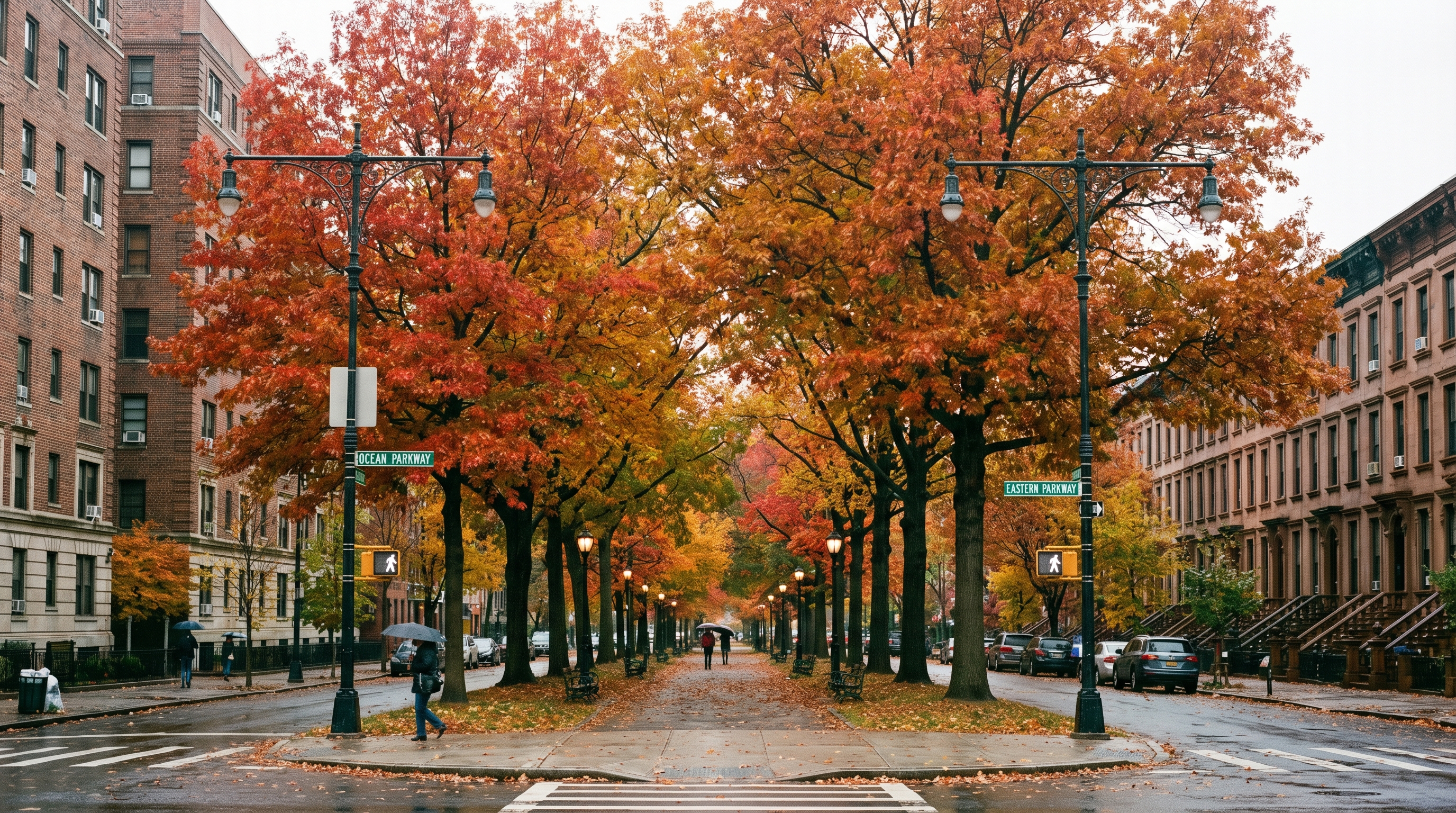
The boulevard is 210 feet wide, the same approximate width as the Champs-Elysees, and it runs 5.5 miles south from the edge of Prospect Park to the Atlantic Ocean at Brighton Beach. It was designed in 1866 by Frederick Law Olmsted and Calvert Vaux, the same pair who created Central Park and Prospect Park, and it was built between 1874 and 1876, making it the first planned parkway in the United States. The National Park Service credits Ocean Parkway with coining the word itself. Every American parkway that followed, every landscaped, tree-lined, residential boulevard from California to Connecticut, is a descendant of this Brooklyn street.
The neighborhood that has grown up around that boulevard over 150 years is one of the most architecturally and culturally coherent in the five boroughs. Unlike neighborhoods that were built all at once or rebuilt after decline, Ocean Parkway accumulated in layers: Victorian-era suburban villas in the late 19th century, pre-war six-story brick elevator buildings through the 1920s and 30s, post-war luxury towers through the 1950s and 60s, and the Tudor and Colonial Revival single-family homes on the side streets of Midwood and Homecrest that have barely changed since they were built in the 1920s. The housing stock reflects a century of middle-class ambition, each era building on top of what the previous one left behind.
The Syrian Jewish community that made this boulevard its home
The defining demographic story of Ocean Parkway is the arrival and consolidation of the Syrian Jewish community in the decades following World War II. Sephardic families of Syrian origin, primarily from Aleppo and Damascus, had been concentrated in Bensonhurst since the early 20th century. Beginning in the 1940s, they began relocating southward along Ocean Parkway, drawn to the parkway’s grandeur, the scale of the apartments, and the walkability to established synagogues and community institutions. By 1980, the New York Times estimated that 60 to 70 percent of the population in the central corridor between Avenue H and the Belt Parkway was Syrian Jewish, the highest concentration anywhere in the United States.
Writer Joseph Sutton called it “Aleppo in Flatbush.” That phrase has endured because it captures something real: the community did not merely settle here, it transplanted an entire cultural world. Synagogues, yeshivot, Syrian-owned bakeries, kosher restaurants serving kibbeh and stuffed grape leaves, community social clubs, and the particular rhythm of Friday evenings and Saturday mornings that belongs to Shabbat-observant Jewish life. All of it came with the families who moved here. The community’s insularity, sometimes noted by outsiders, has had the side effect of preserving the neighborhood in a way that most Brooklyn ethnic enclaves have not managed. Families here are three and four generations deep. The inventory of large homes rarely comes to market.
Pre-war co-ops and the apartment cleaning they require
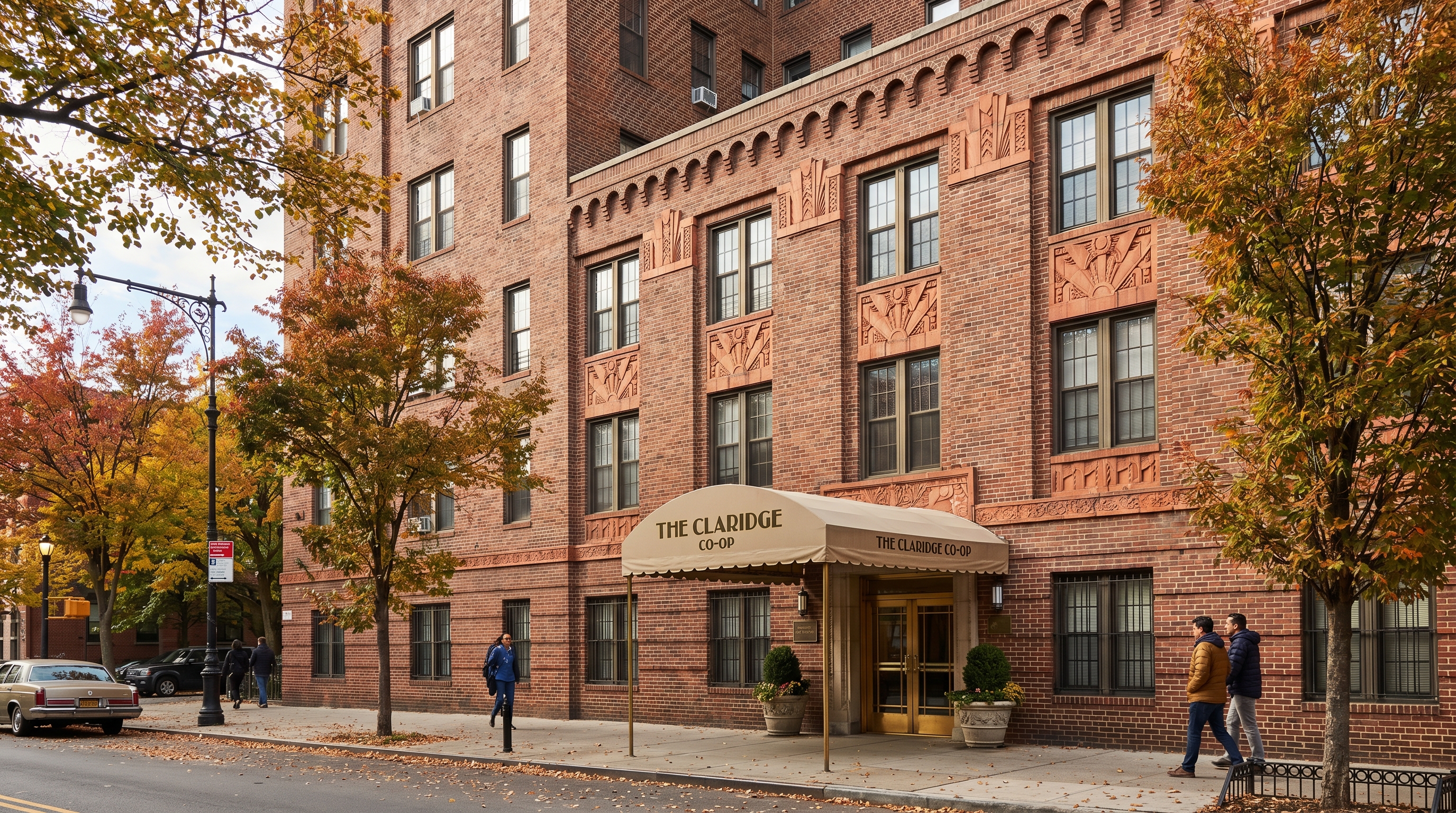
The most common housing type along the parkway itself is the pre-war six-story elevator building, built during the construction boom of the late 1920s through 1941. These are brick structures with Art Deco or Colonial Revival ornament, canopied entrances, and apartments that run one to three bedrooms with plaster walls, original hardware, and the kind of thick solid construction that modern buildings do not replicate. Buildings like Caton Towers at 135 Ocean Parkway and Park Towers at 370 Ocean Parkway represent the post-war luxury tier: twelve-to-twenty-story structures with doorman service and co-op ownership going back to the early 1960s.
These buildings impose a specific set of requirements on any cleaning service. Most require advance notice before a vendor enters, typically 48 hours. Many require a Certificate of Insurance naming the co-op corporation as an additional insured before the first appointment. Post-war doorman buildings coordinate service elevator scheduling through a building superintendent. Our apartment cleaning teams handle all of this before we arrive. You tell us the building name when you book, and we have the paperwork to the management office and the elevator reservation confirmed before the day of the appointment. We clean in hundreds of buildings across Brooklyn and co-op protocols are not a surprise to us.
Inside these apartments, the cleaning requirements are specific to the era of construction. Plaster walls, not drywall, which are harder to clean around without leaving marks. Original tile in bathrooms where the grout cannot tolerate acid-based cleaners without damage. Wood floors that in the older buildings may still have a wax finish rather than a polyurethane coat, which means water and harsh cleaners will damage them. Decorative cornices and plaster molding that push grime deeper if you wipe them with a damp cloth rather than a soft brush. We bring products calibrated to these surfaces and switch between them as we move through the apartment.
Single-family homes in Midwood and Homecrest need more than a standard clean
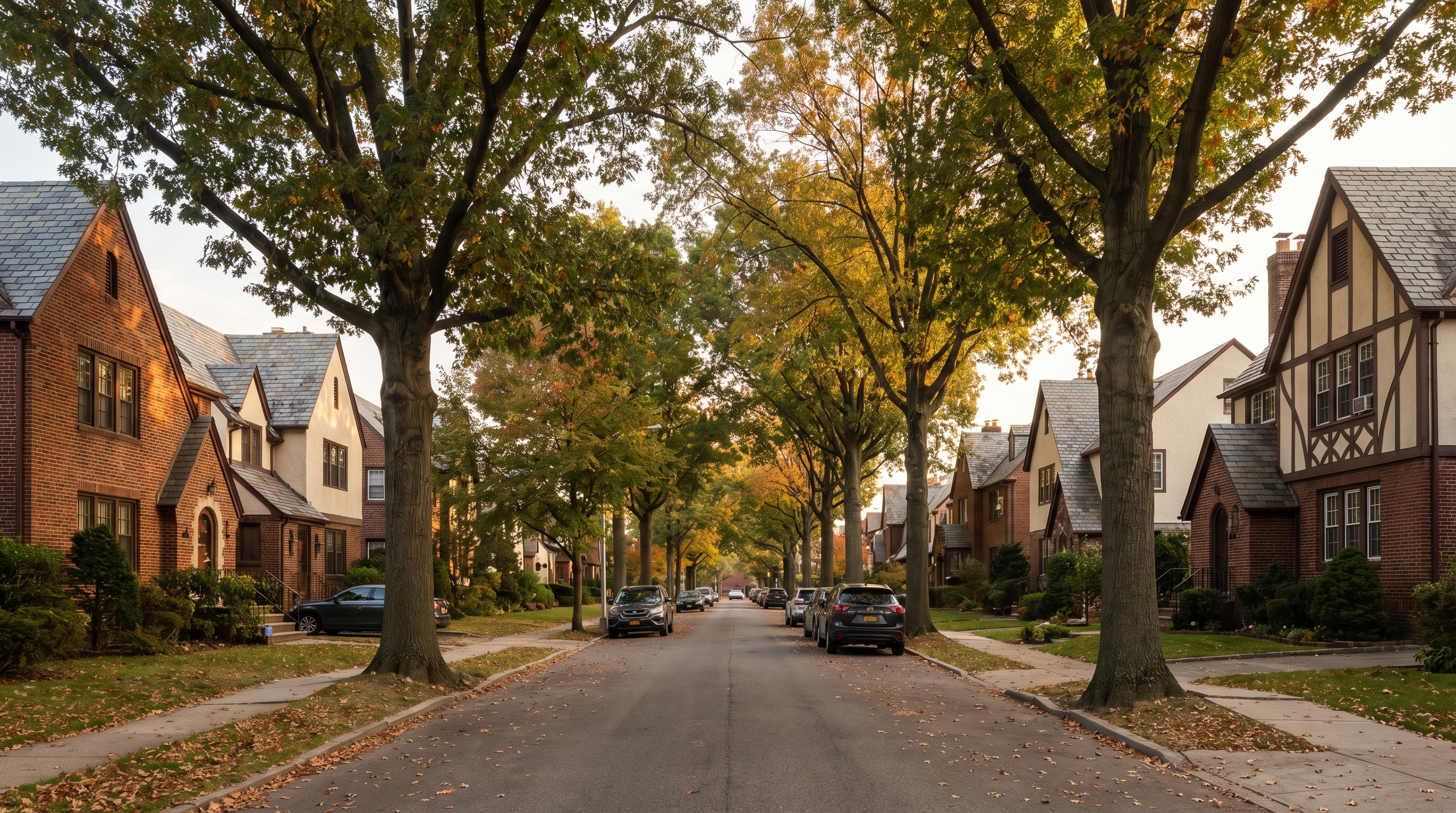
The side streets of Midwood and Homecrest, running east and west off Ocean Parkway between Avenue I and the Belt Parkway, hold a residential fabric that is among the least-changed in Brooklyn. Tudor and Colonial Revival homes, built primarily between 1910 and the late 1940s, line blocks that look much as they did when Syrian and Ashkenazi Jewish families first moved in. These are three-to-five-bedroom homes with full basements, often with attic storage, and sometimes with separate in-law apartments or finished lower levels that add substantially to the square footage.
The Syrian Jewish community’s preference for large family homes, with multiple children, frequent Shabbat gatherings, and holidays that bring extended family under one roof, means these houses get hard use. Kitchens absorb weeks of high-volume cooking. Bathrooms in active family homes need more frequent attention than the building suggests. Dining rooms that host twenty people for Rosh Hashanah dinner and Passover seder need a deeper clean afterward than a standard visit provides. Our house cleaning teams scale their time and attention to the actual demands of the home. A 2,800-square-foot Tudor in Midwood requires a different allocation of labor than a 900-square-foot co-op two blocks away, and the price and the team size reflect that.
We have now cleaned over 100,000 homes across New York City. The homes along the Ocean Parkway corridor are among the most rewarding to work in: well-maintained, full of original detail, and kept by families who genuinely care about the condition of their space.
Deep cleaning before and after the holidays
The High Holidays and Passover put specific demands on Ocean Parkway homes that no other calendar period does. Passover preparation requires the complete removal of chametz from every corner of the kitchen, and a proper pre-Passover deep clean covers the interior of every cabinet and drawer, the refrigerator inside and out, the stovetop and oven, and the areas behind and under major appliances where crumbs accumulate over a year of use. This is not a standard cleaning visit. It is a methodical, multi-hour process that requires the right products, the right sequence, and the kind of attention to detail that comes from doing this kind of work regularly.
Our deep cleaning service covers pre-Passover preparation for Ocean Parkway families who want the work done by people who understand what the cleaning is for and why thoroughness matters. We also handle post-High Holiday cleaning when extended family visits leave the home needing restoration to its usual order. If you have out-of-town guests arriving for the holidays, a pre-arrival deep clean gives you that baseline.
A neighborhood stable enough to build a cleaning relationship in
Ocean Parkway changes more slowly than any other part of Brooklyn. The community here did not scatter to the suburbs or give way to successive waves of gentrification. The Syrian Jewish families who moved here in the 1950s and 1960s are still here, and their children and grandchildren live nearby. The co-ops that went up between 1930 and 1965 are still co-ops with the same long-term residents. Single-family homes in Midwood trade infrequently and typically stay within the community.
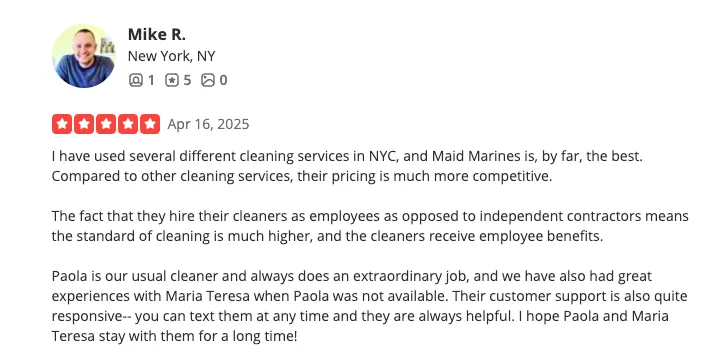
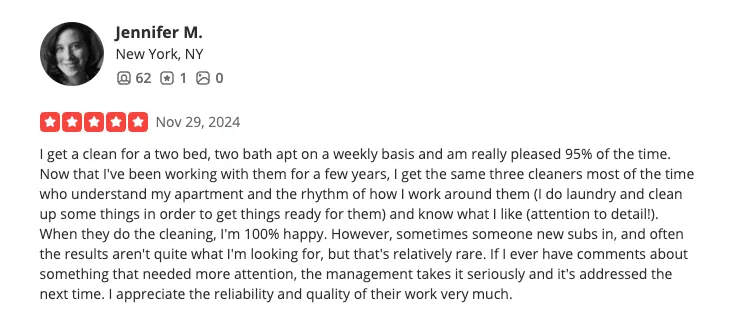
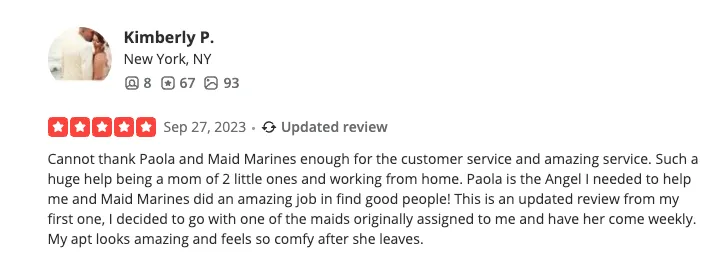
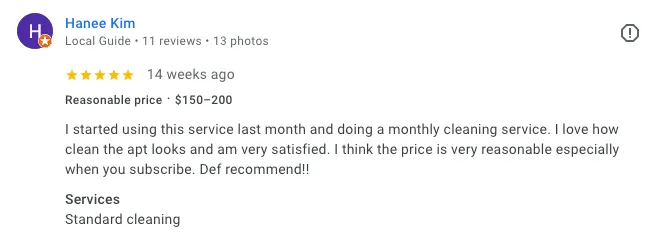
That stability creates the right conditions for a real cleaning relationship rather than a one-time transaction. Recurring cleaning appointments work better when the same team comes every week or every two weeks, learns the home, learns what the family cares about, and shows up consistently. We assign a dedicated cleaner or team to your home for recurring bookings. Your cleaner learns the floors, the surfaces, the layout, and any specific preferences you have. You get better results over time, not worse.
The parkway as infrastructure for a cleaning-intensive neighborhood
The medians that run the full length of Ocean Parkway bring their benefits indoors as well as out. The mature tree canopy provides shade that cools apartments in summer, but it also delivers seasonal leaf debris into open windows, and the park-like atmosphere draws people to sit on the benches and walk the path throughout the day. The bike lane that runs along the western median, the first municipal bike lane in the United States, opened in 1894, brings cycling activity year-round. Proximity to the park and outdoor corridors is a selling point for apartments here, and residents use the green space regularly.
That outdoor access also means more tracked-in debris, more window sill deposits from open windows overlooking the tree rows, and more pet hair from dogs walked on the shaded paths. Recurring cleaning that accounts for seasonal variation, the leaf season in October and the pollen season in April and May, keeps parkway-facing apartments ahead of the maintenance curve rather than behind it.
If you are ready to get started, you can see your flat-rate price and pick your time directly on our booking page. No estimates, no callbacks, no paperwork you have to manage. We also serve nearby Park Slope, Flatbush, Midwood, Gravesend, Homecrest, Brighton Beach, and Bensonhurst.