
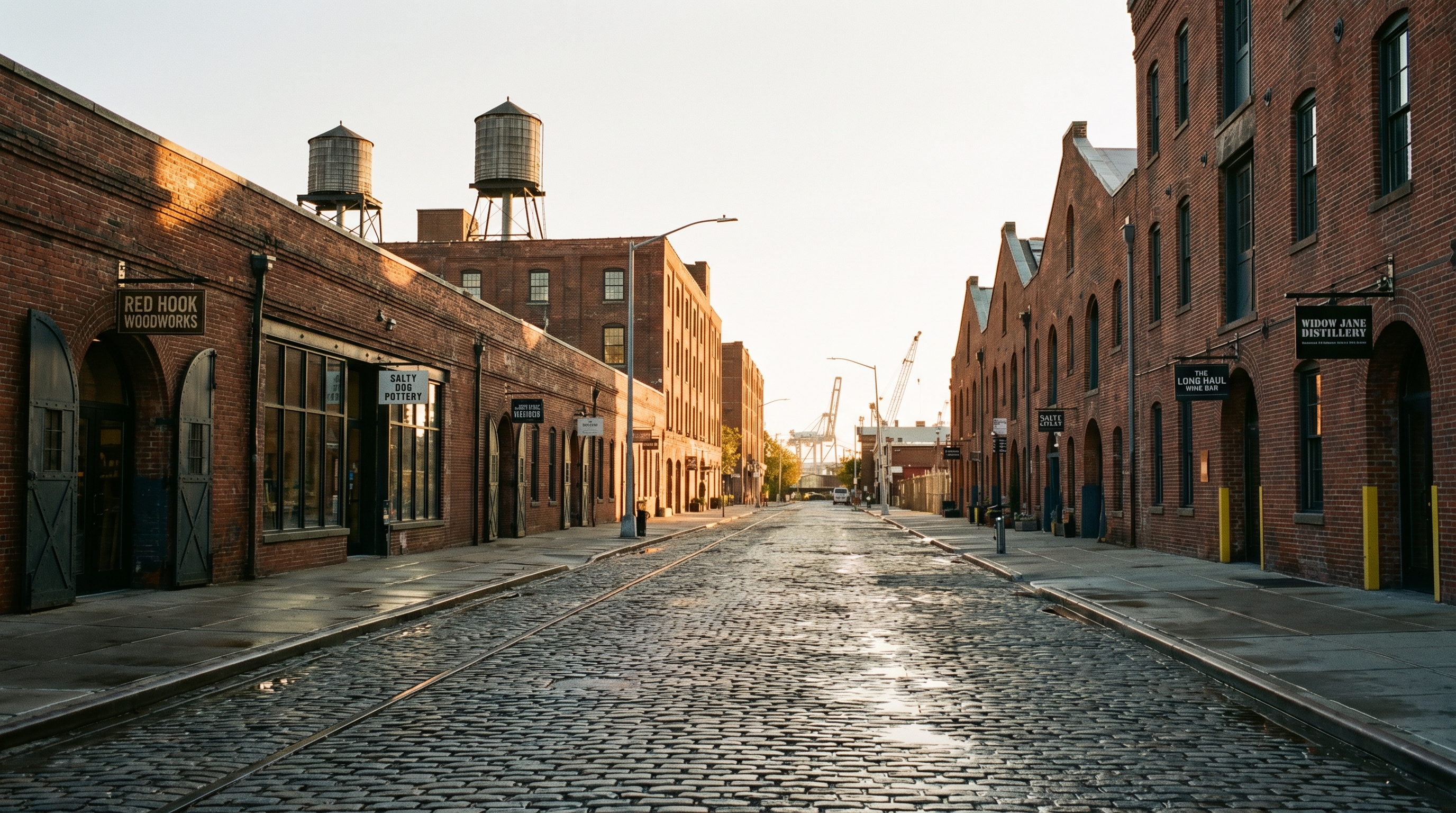
The Gowanus Expressway cuts Red Hook off from the rest of Brooklyn and leaves it, by the standards of this city, almost impossibly itself. No subway. Cobblestone streets on half the blocks. Warehouses from the 1860s still standing exactly where William Beard built them to receive cotton ships from the South. The Statue of Liberty visible head-on from the end of Coffey Street. It is the neighborhood in Brooklyn that most reliably surprises people who come here for the first time, not because it is picturesque in the way that a brownstone block in Carroll Gardens is picturesque, but because it is physically unlike anywhere else in the borough.
The people who live here chose it. That fact shapes the place. There is no accidental Red Hook resident, because the commute penalty imposed by the transit gap means that anyone here made a deliberate calculation. The creative professionals who converted the warehouses on Beard and Imlay Streets into live-work spaces, the families in the pre-war rowhouses on Dikeman and Ferris Streets, the longtime NYCHA residents in the 27 buildings at 62 Mill Street. All of them are here on purpose.
The housing stock here requires a cleaning team that actually pays attention to surfaces
Red Hook contains more genuinely distinct floor types per square mile than almost any neighborhood in Brooklyn. A warehouse loft on Beard Street has polished or sealed concrete floors, exposed heavy-timber ceiling beams at 14 feet, cast-iron columns, and original brick walls that have been there since 1869. A pre-war workers cottage on Dwight Street has original hardwood floors, plaster walls, and a bathroom that may still have hex tile from 1915 with grout that cannot tolerate acid. A post-Sandy condo near Hamilton Avenue has modern engineered flooring and polished quartz countertops. The same mop and the same spray bottle do not work across all of them.
Our house cleaning teams carry separate products for sealed concrete, hardwood, and stone tile, and they switch surfaces as they move through the space. The extended tools come out for ceiling beams and industrial light fixtures at height. Brick walls get a soft-bristle brush, not a damp cloth that drives moisture into the mortar. Kitchen surfaces in loft spaces frequently have grease films that have accumulated over months, especially in open kitchens where frying and roasting happen at open-plan scale. We treat those with a food-safe degreaser and we do not rush it.
The apartment cleaning protocol for a 1,800-square-foot warehouse loft is different from the same protocol for a 900-square-foot walk-up on Ferris Street. We calibrate to the actual space, the actual surfaces, and what a person living in this specific building has reason to worry about.
Deep cleaning in a space that was designed to store cargo
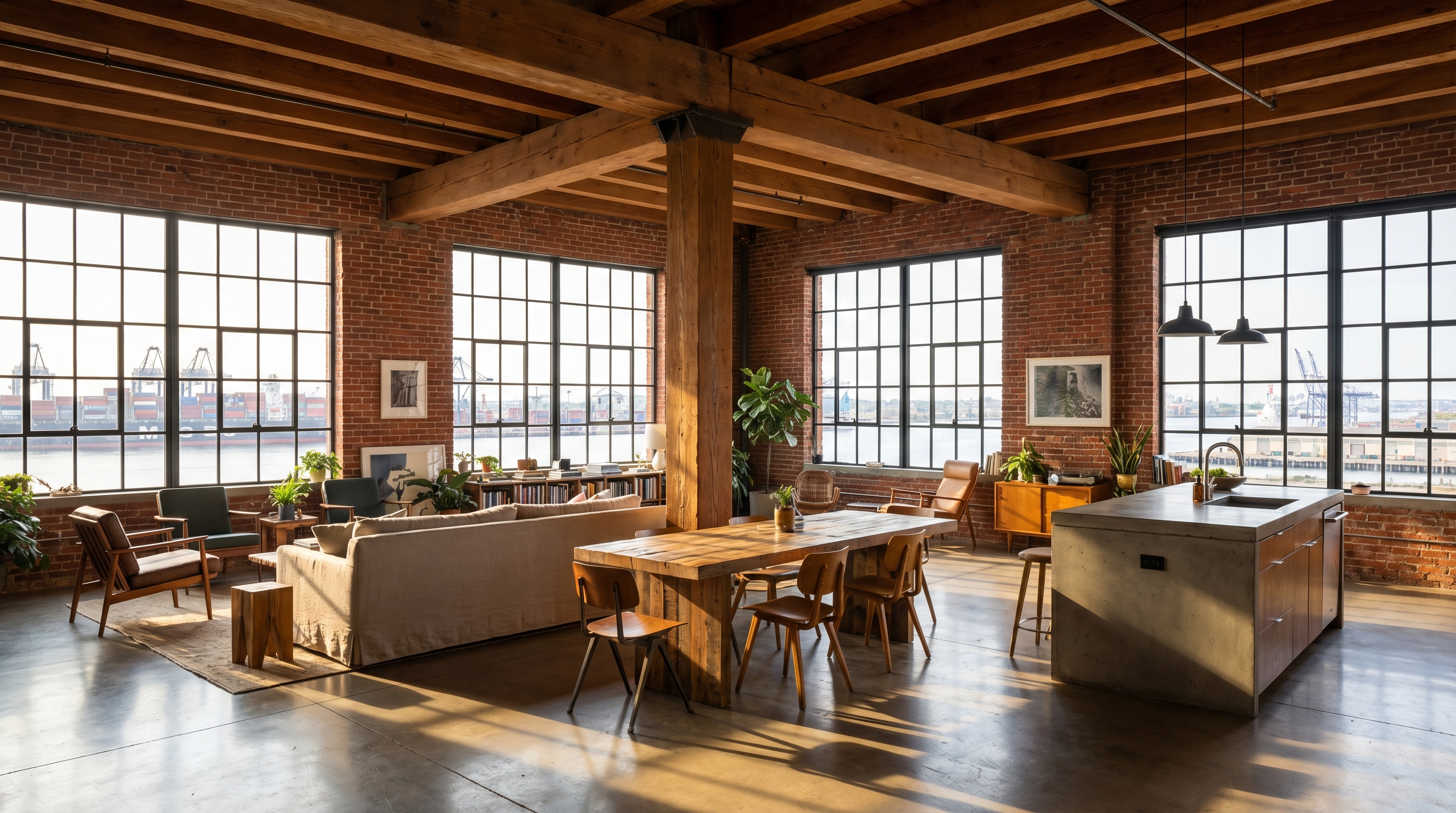
A standard cleaning cycle keeps a Red Hook warehouse loft presentable. A deep cleaning gets it actually clean. The distinction matters most in converted industrial spaces because the architectural features that make them beautiful, the timber beams, the exposed brick, the cast-iron columns, the industrial window frames, also collect dust in places that a quick pass misses entirely.
Timber beams at 14 feet accumulate dust between cleanings and release it onto surfaces below when disturbed by foot traffic or air movement. The channels in cast-iron columns hold grime that hardens over time. Industrial steel window frames have multiple tracks and contact surfaces where dust packs in. Original brick walls, if unsealed, develop a surface layer of particulate that needs a brush rather than a wipe. None of this is urgent between regular visits. All of it matters when someone is doing a first clean in a new space, a post-renovation clean after construction work, or a seasonal deep clean before guests arrive.
We also do move-in and move-out cleaning in Red Hook. The neighborhood has a meaningful rental market in warehouse conversions, and units that have been occupied by artists or live-work tenants often come with paint overspray on the floors, plaster dust banked along the window sills and ledges, and a level of embedded grime in the kitchen that requires more than a standard cleaning session. We assess before we price. If the scope is beyond a standard move-out, we tell you that upfront.
How to use three hours in Red Hook while your apartment gets cleaned
Walk Van Brunt Street from the south end to the north and you pass the entire commercial character of the neighborhood in about fifteen minutes. Widow Jane Distillery on Conover Street. Steve’s Authentic Key Lime Pies near the pier. Fort Defiance at the corner with Baltic. Pioneer Works on Pioneer Street. Red Hook Winery at Pier 41. Hometown Bar-B-Que in the warehouse on the north end. These are not franchise operations. They are businesses that exist here because the rents were low enough and the founders stubborn enough to build something in a neighborhood that did not have an obvious foot traffic engine.
On weekends from April through October, the ball field vendors at the Red Hook Recreation Area on Bay Street are the best reason to be outside. Latin American families have been setting up cooking stands at the weekend ball games since 1974, serving huaraches, pupusas, tacos al pastor, and aguas frescas from carts and tables. The operation predates every restaurant on Van Brunt Street by decades. It survived regulatory pressure in the early 2000s that nearly shut it down, and it survived Hurricane Sandy’s flooding in 2012. Cash only. Worth the trip from anywhere in Brooklyn.
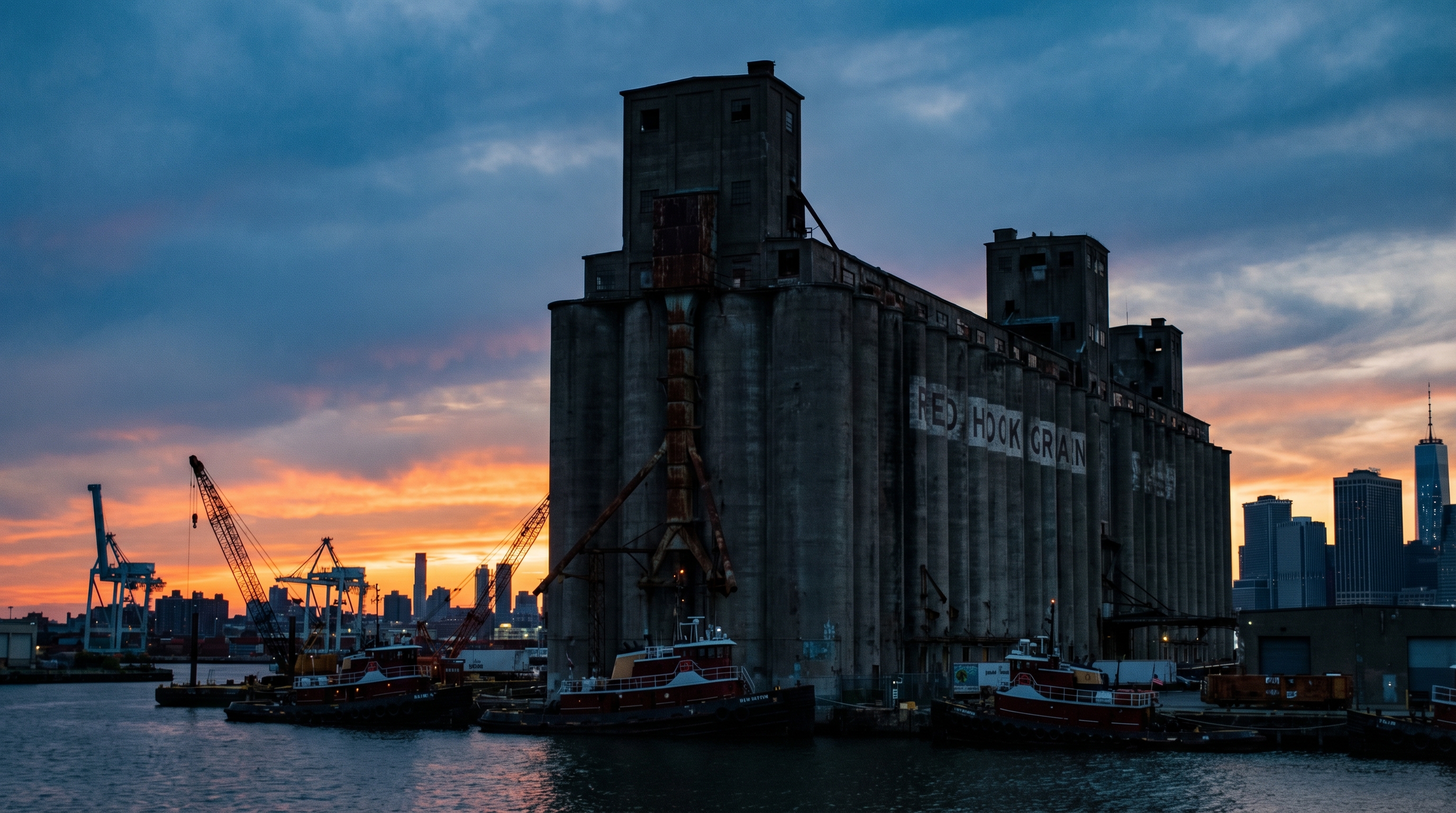
At the end of Coffey Street, Louis Valentino Jr. Park gives you the frontal view of the Statue of Liberty that no other location in Brooklyn provides. Walk out to the end of the pier on a clear morning and you understand why people chose to build a working port here in the 1840s. The harbor is not a backdrop in Red Hook. It is the point.
Getting your team in and out of the neighborhood
Red Hook’s transit situation means our cleaners arrive by the B61 bus along Van Brunt Street or by car via Hamilton Avenue, depending on the team’s borough origin that day. We schedule arrival windows to account for the B61’s variable timing, which can range from 20 to 60 minutes to Downtown Brooklyn depending on traffic under the BQE.
If you are not home during your cleaning, lockbox access or key arrangements are standard here. Plenty of buildings in Red Hook operate without a doorman or formal management office, and we handle informal access arrangements the same way we handle co-op protocols elsewhere: you tell us the access details once when you book, and our team follows them on every visit.
We are fully insured and bonded. If your building or landlord requires a Certificate of Insurance, we can furnish one. That request comes up occasionally in Red Hook’s newer condo buildings along Hamilton Avenue. It has never delayed a first appointment.
When to book, and what that looks like
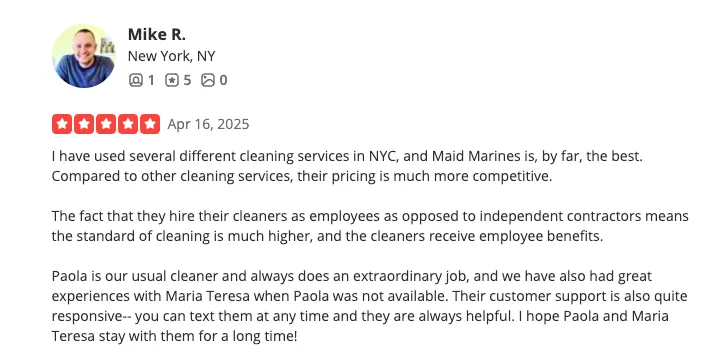
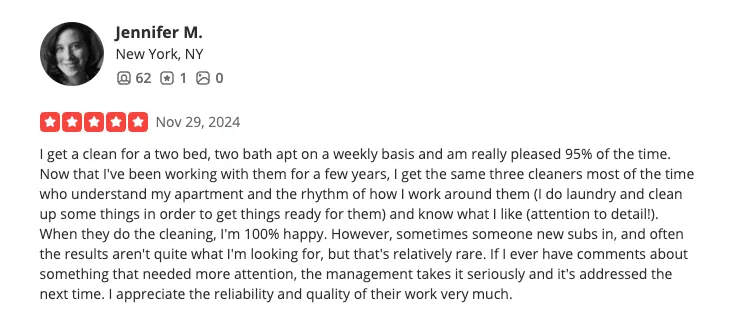
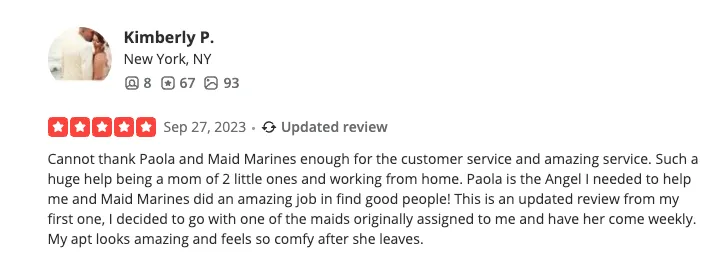
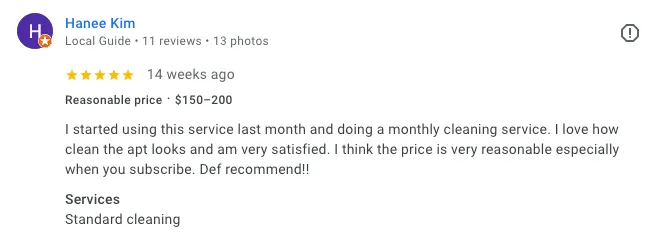
You pick your date and time on our booking page and see your flat-rate price before you commit. A warehouse loft with high ceilings is priced differently from a one-bedroom rowhouse apartment, and you will see that distinction honestly in the quote. Our cleaners are W-2 employees, not gig workers. They are background-checked, insured, and trained on the specific surfaces and conditions they will encounter in this neighborhood.
We have cleaned over 100,000 homes across New York City. Red Hook is not a volume neighborhood for us, but we know it. The concrete floors. The timber beams. The buildings that have been here since before the Civil War. We treat those buildings accordingly.
We also serve nearby Carroll Gardens, Cobble Hill, Gowanus, and Park Slope.