
The front gardens of Carroll and President Streets are the result of a single decision made in 1846 by a surveyor named Richard Butt. When Butt laid out the original section of what would become Carroll Gardens, he set the brownstone rowhouses back from the street at a deeper setback than was standard practice in Brooklyn at the time, creating front yards wide enough to plant and cultivate in the literal, horticultural sense. He may have done this for aesthetic reasons. He may have done it to differentiate the development. Whatever the reason, the yards his survey produced have been planted, tended, and replenished by every successive generation of homeowners for the better part of 180 years, and walking Carroll Street in May, past dozens of these gardens simultaneously in bloom, you understand immediately that no other block in New York City looks quite like this.
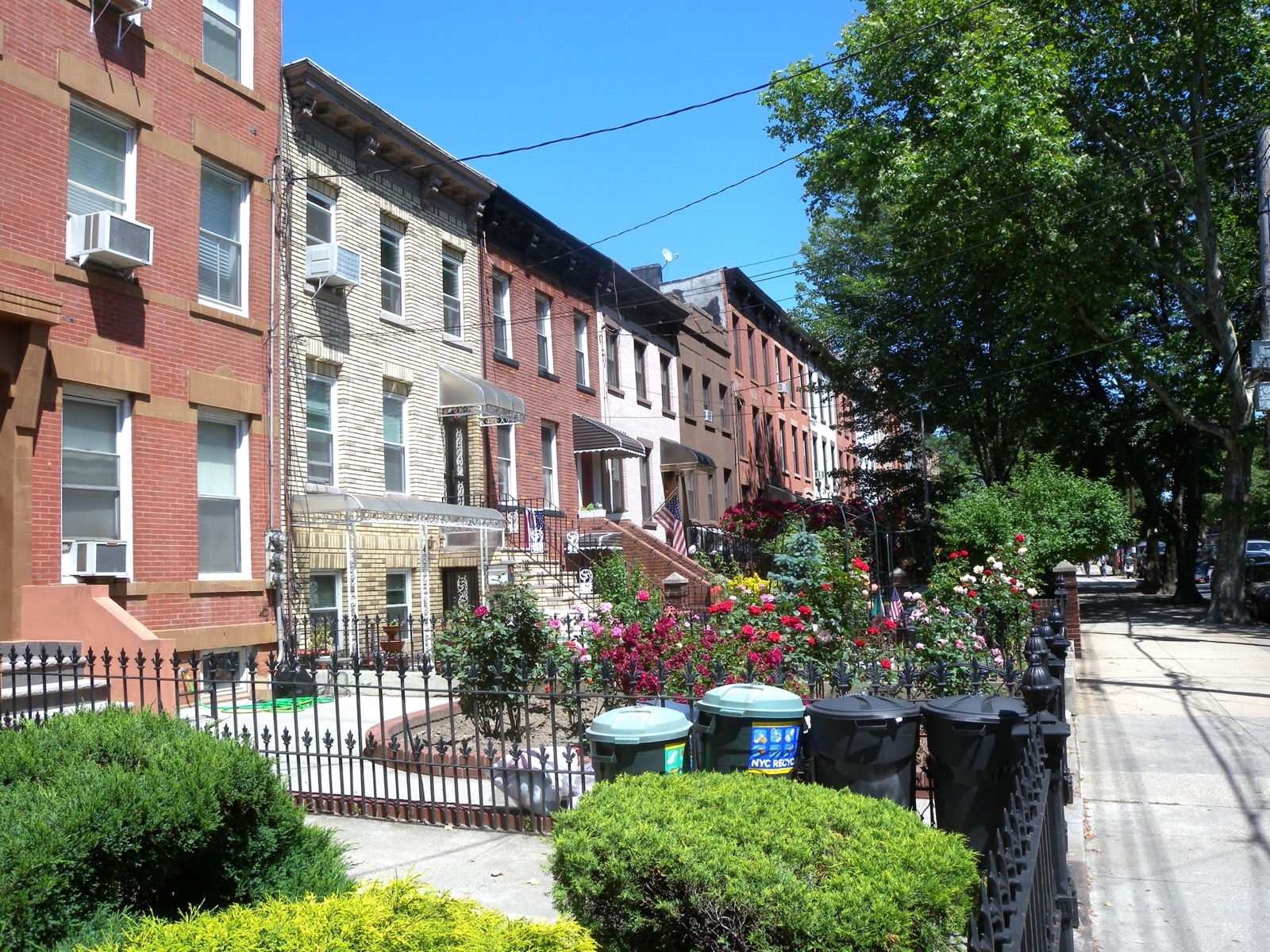
The deep setback is not just a landscape feature, it is a cleaning reality
What Richard Butt created in 1846 was beautiful, but it also means that every brownstone on Carroll and President Streets is a multi-surface, multi-story home with an unusual entry sequence. You walk through an iron gate, across a planted front garden, up a stoop, and into a parlor floor whose ceilings run eleven to thirteen feet. Below that is a garden level, often with stone or tile floors rather than the hardwood above. Above the parlor are one or two additional floors with narrowing rooms and sometimes the original wide-plank boards. The rear of the house has a backyard. Some buildings have a finished basement below the garden level.
A house cleaning in a Carroll Gardens brownstone is not a single-surface job. It is a sequence of distinct floor types, ceiling heights, and material choices stacked vertically on a deep lot. The parlor floor might have original marble tile in the entry hall and old-growth hardwood in the front room. The kitchen level might have stone counters and painted plaster that needs a soft cloth rather than anything abrasive. The upper floor bathrooms in many of these houses still have original hex tile from the early 20th century, where the grout was set without a sealer and will not tolerate acid.
Our teams carry separate products for each surface type and switch as they move between floors. The parlor floor marble gets a pH-neutral cleaner only. The old-growth hardwood, harder than anything milled today but often waxed rather than polyurethaned, gets a barely damp microfiber mop with a wax-safe cleaner, never water puddled on the boards. The plaster cornices above doorways get a soft brush, not a damp cloth that pushes grime deeper into the relief. These details have survived because people paid attention to them. We intend to continue that record.
Carroll Gardens got its name from the only Catholic signer of the Declaration of Independence
Charles Carroll of Carrollton was the wealthiest signer of the Declaration of Independence, the only Roman Catholic among the signatories, and at the time of his death in 1832, the last surviving signer. He was 95 years old. The neighborhood that bears his name was not named by the original developers but by the Irish Catholic community that organized the Carroll Gardens Association in the late 1940s under the pressure of Robert Moses’ Brooklyn-Queens Expressway, which was being driven through the western edge of the neighborhood and severing its connection to the Red Hook waterfront. Carroll was a deliberate choice: Irish, Catholic, founding-era American, someone who stood for something at personal risk. The “Gardens” portion of the name referred directly to the front yards that Butt’s 1846 survey had made possible.
The BQE’s construction displaced hundreds of families and cut off the dock labor that had sustained the neighborhood’s working-class Italian American population. The Carroll Gardens Association formed in response, fought for the community’s interests, gave the neighborhood a name, and eventually helped secure landmark designation for the historic district in 1973. The 134 contributing rowhouses in the Carroll Gardens Historic District, built between the 1860s and 1880s in Neo-Grec and late Italianate styles, constitute one of the most architecturally coherent residential landmarks in all five boroughs.
Lucali changed what people think of when they think of this neighborhood
Mark Iacono grew up in Carroll Gardens, worked construction, and in 2006 leased the former Louie’s Candy Store at 575 Henry Street, the candy store where he had spent his own childhood. He had no professional culinary training. He had a recipe he had been developing informally and a wood-burning oven he had installed himself. Within a few years, Beyonce and Jay-Z were regulars. In 2024, Kendrick Lamar name-checked Lucali in a diss track targeting Drake, rapping about booking pizza there, a reference that collapsed the restaurant’s already-difficult informal reservation situation for weeks.
Lucali does not take reservations, does not accept credit cards, and serves only pizza and calzones. The lines form before the doors open. The experience is personal, specific, and impossible to replicate at scale. Iacono occasionally plays guitar for customers waiting outside. The pizza, hand-rolled dough on an imported oven refined through years of iteration by a construction worker with no culinary credentials, has been called the best in New York by enough credible sources that the claim has passed from opinion into accepted consensus.
The story of Lucali is the defining human narrative of modern Carroll Gardens: the working-class kid who returned, took over the candy store, made something perfect, and became famous for it without leaving the block. This neighborhood has always had this quality.
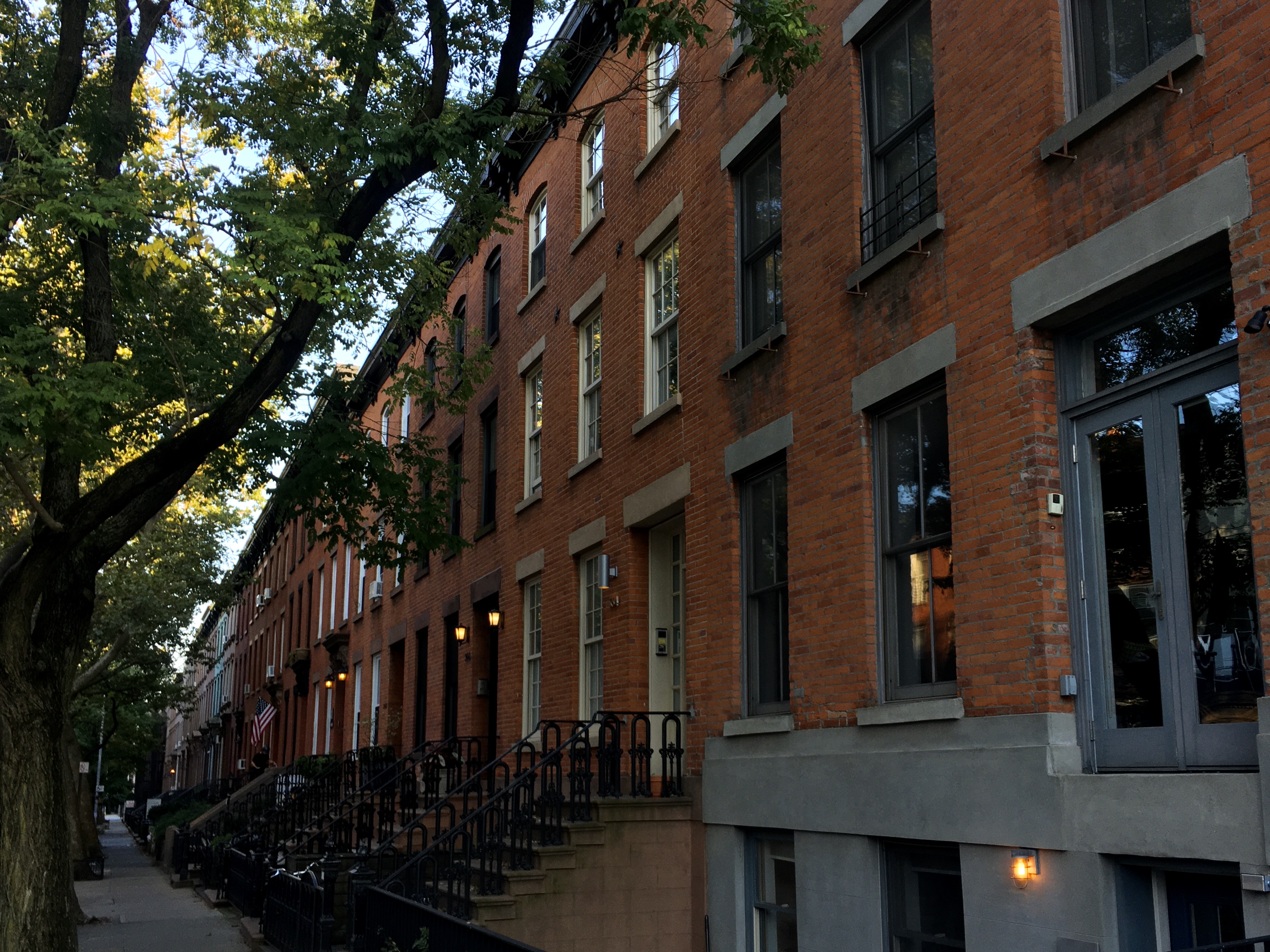
The Italian community that built this neighborhood left a physical infrastructure that has proven more durable than its demographics
The Italian share of Carroll Gardens’ population stood at approximately 52 percent in 1980. By 2012 it had fallen to roughly 22 percent. The decline has continued. The mechanism was generational: Italian American families who arrived as working-class immigrants in the early 20th century became homeowners, accumulated equity in properties near the waterfront and the new transit lines, and in the 1990s and 2000s found themselves sitting on brownstones worth millions. The economic logic of selling was irresistible. The social logic of leaving the neighborhood your grandparents built, where your relatives are buried and your parents’ names are on the bocce league plaques, was another matter, but it was ultimately overcome by the financial reality of a Manhattan bedroom community in high demand.
What remained, and what has proven surprisingly durable, is the physical and institutional infrastructure. Ferdinando’s Focacceria at 151 Union Street has been serving vastedda and panelle since 1904. The feast of Our Lady of Sorrows still processes through the historic district streets. The fig trees on certain blocks are still wrapped in burlap for winter. The bocce courts in Carroll Park are still in regular use. St. Mary Star of the Sea, built in 1853 as a Gothic Revival landmark on Court Street, is still a functioning parish. The neighborhood’s relationship to its own Italian history is unusually attentive. When a block association installs a new plaque, they reference the 1870s. When a restaurant opens on Smith Street, it acknowledges the tradition it is working within or against.
Caputo’s Bake Shop on Court Street, fourth generation and still baking bread and taralli, is one of the last businesses that connects contemporary Carroll Gardens to its working-class roots without nostalgia as a marketing strategy. The bread is just the bread. The shop does not explain itself.
The French community that followed is not a passing wave
Upper-middle-class and wealthy French families began arriving in Carroll Gardens in earnest in the early 2000s. The brownstone streetscape recalled Haussmann-era Paris. The Catholic churches were already there. The neighborhood’s proximity to Manhattan without being Manhattan aligned with a certain French preference for city living that did not sacrifice domestic comfort for density. They brought purchasing power that accelerated the price increases that continued squeezing out the Italian community they followed.
They also established institutions. Bar Tabac on Smith Street has been a French bistro anchor since 2001. French-language Catholic mass has been held on Sundays at St. Agnes Church for years, an unusual liturgical feature for a Brooklyn neighborhood. French bakeries, a French-language school, and a Bastille Day celebration on Smith Street have followed. The French community in Carroll Gardens is arguably the most visible and institutionally embedded Francophone residential community in the United States outside of Manhattan’s Upper East Side.
This is not the standard story of American professional gentrification displacing an immigrant community. It is one European Catholic immigrant community replacing another, with significantly more purchasing power and a different set of cultural reference points.
The Carroll Gardens Historic District requires professional care, not improvisation
A deep cleaning in a Carroll Gardens rowhouse means reaching crown molding at twelve feet, pulling dust from behind cast-iron radiators on every floor, scrubbing 1880s hex tile in bathrooms where the grout was set without modern sealer, and wiping down cabinet fronts that may still carry the original hardware. The interiors of those cabinets are an add-on you choose at booking unless it is a move-out, when they come with the job. The built-in Victorian woodwork around doorways (the pilasters, the cornices, the relief molding) accumulates grime in the recesses where a flat wipe does nothing useful. You need a soft brush, not a cloth.
Post-renovation cleaning is particularly common in this neighborhood. Carroll Gardens homeowners invest heavily in restoring period details. They strip paint off marble fireplace mantels, refinish old-growth floors, repoint the brownstone facade. The fine plaster dust and grout haze left by contractors requires specialized removal techniques that will not damage freshly refinished surfaces. We have cleaned behind enough renovation crews in brownstone Brooklyn to know what they leave and what it takes to remove it safely without reintroducing damage to work that just cost twenty thousand dollars.
The neighborhood is also a consistent move-in and move-out market. Carroll Gardens brownstones and their conversions into floor-through apartments change hands at prices that put enormous pressure on buyers to have the property genuinely clean before furniture arrives. A parlor-floor through apartment that sat through a six-month sales process needs attention inside every cabinet, on every baseboard, in every bathroom that potential buyers toured and left fingerprints in. We handle this regularly on these specific blocks.
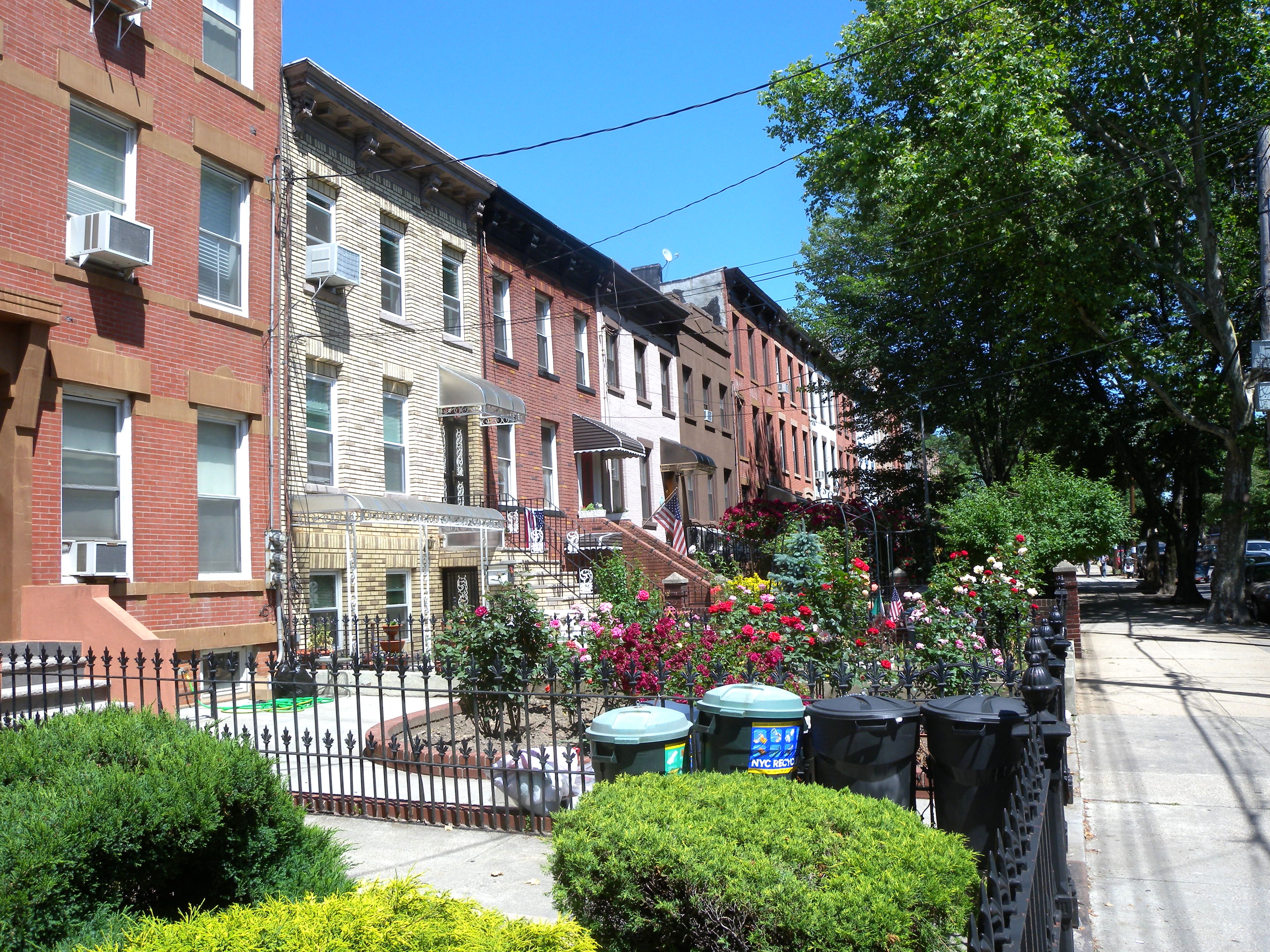
Smith Street evolved from laundromats and auto parts shops into one of Brooklyn’s most restaurant-dense corridors
The transformation of Smith Street began in the late 1990s when a wave of ambitious dining establishments moved into what had been a secondary commercial strip. Within a few years it was being called Restaurant Row, and the concentration of bistros, wine bars, and farm-to-table dining rooms on a single street in Carroll Gardens was something food writers noted with genuine surprise. The street has since matured. Some of the original destination restaurants turned over, replaced by a second generation of establishments, but its identity as the neighborhood’s dining spine has remained intact.
Court Street, running parallel one block west, is less celebrated but arguably more essential. The Italian delis and hardware stores and dry cleaners that operated under the same family names for decades still coexist with newer restaurants. Buttermilk Channel on Court Street has anchored its block for over a decade with Southern-inflected cooking that has no pretensions about what it is. Prime Meats, in a beautiful old bar room with pressed tin ceilings, serves German-inflected charcuterie under the Frankies Spuntino group. The Saturday Greenmarket in Carroll Park is seasonal and modest but embedded in the neighborhood in a way that feels communal rather than commercial.
What booking looks like for a Carroll Gardens home
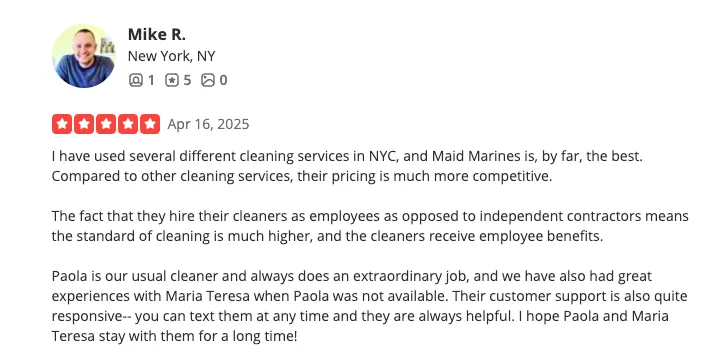
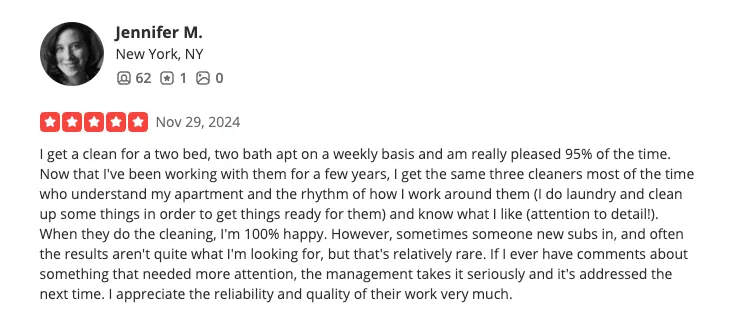
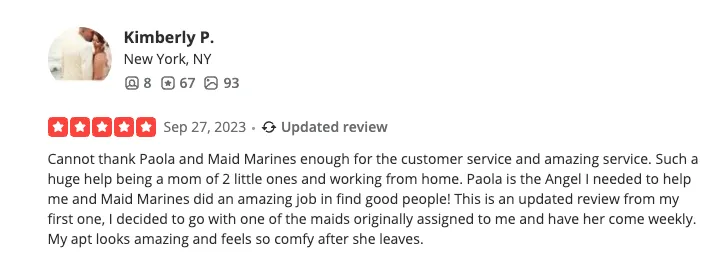
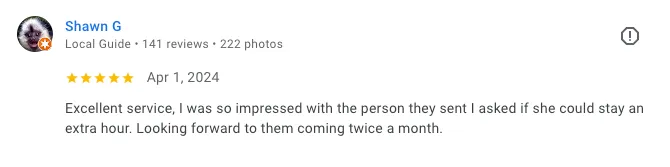
You pick your date on our booking page and see your flat-rate price before you commit. Whether you occupy a garden-level floor-through in a converted brownstone or the full three stories of a single-family townhouse, the price reflects the actual scope. Our cleaners are W-2 employees, not gig workers. They are vetted, insured, and they arrive with the products appropriate for the specific surfaces in your home.
We have cleaned over 100,000 homes in New York City, and a significant portion of that work is in brownstone Brooklyn. We know what original marble tile needs, what old-growth hardwood cannot tolerate, and what happens when you use the wrong cleaner on plaster relief that predates the Civil War. You should not have to explain any of this. You just book and tell us what you have.
We also serve nearby Cobble Hill, Park Slope, Boerum Hill, and the rest of Brooklyn. For an apartment cleaning in a floor-through or a full house cleaning in a three-story owner-occupied brownstone, the booking process is the same.