
The Gowanus Canal contains what the EPA’s investigation officially described as petroleum-laced sediment so dense and tarry that workers named it “black mayonnaise.” The canal has been a Superfund site since 2010, the cleanup is expected to run through 2029, and somehow none of that has slowed the pace of people moving in. There are 141 active residential projects in the neighborhood right now and a pipeline of roughly 9,000 new apartments expected to house 20,000 additional residents by 2035. Great blue herons still stand in the dark water. The cleanup barges move slowly through the channel. Glass towers rise on the old factory lots. Gowanus is one of the most contaminated neighborhoods in New York City and one of the fastest-growing, and both of those facts are true at the same time.
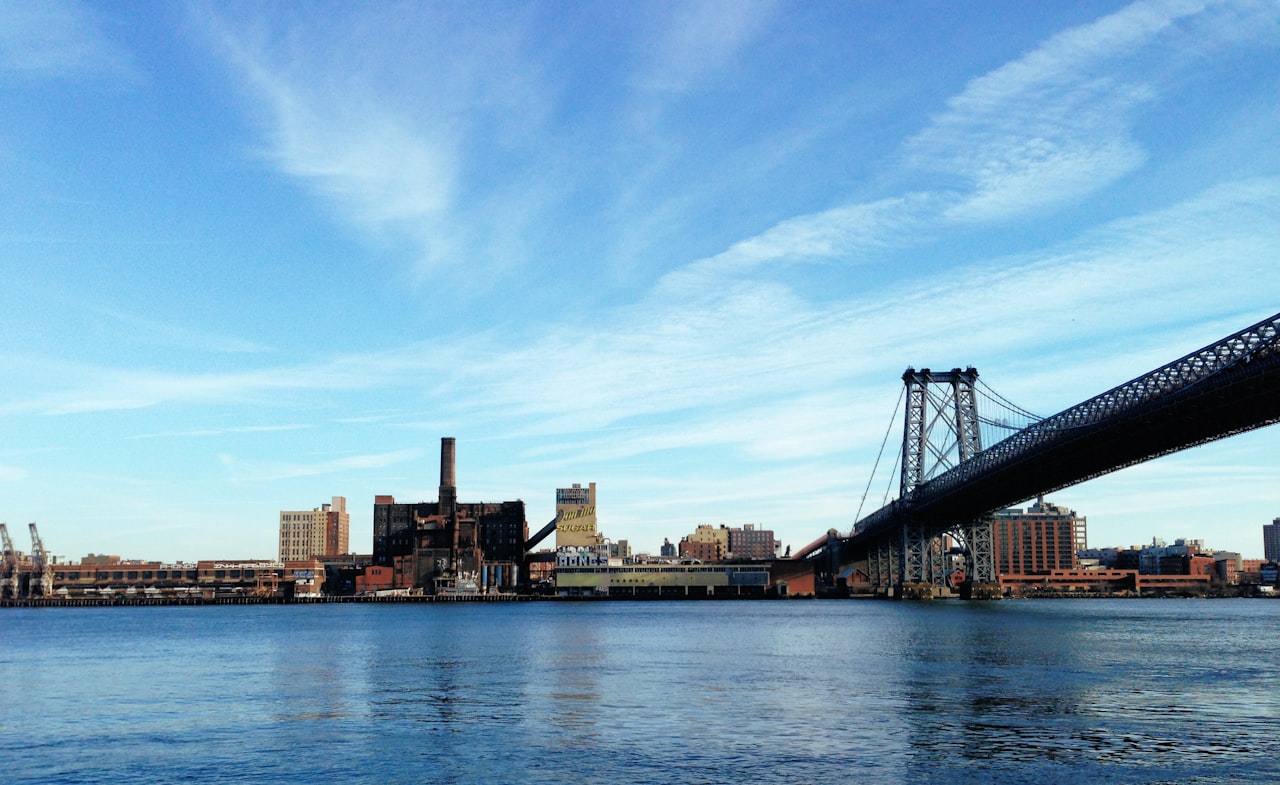
Cleaning an industrial loft conversion requires a completely different approach than cleaning an apartment
Gowanus has more genuine variety in its housing stock than almost any Brooklyn neighborhood, and the gap between what a Gowanus loft needs and what a new construction tower needs is wider than in most places. Within four blocks you can have a pre-war rowhouse on Bond Street with original waxed hardwood and plaster walls, a converted warehouse off Third Avenue with 16-foot timber beam ceilings and exposed brick, and a glass-fronted high-rise on Fourth Avenue with developer-finish engineered stone and luxury vinyl plank. The cleaning approach is different for each, and using the wrong product on any of them leaves damage you cannot undo.
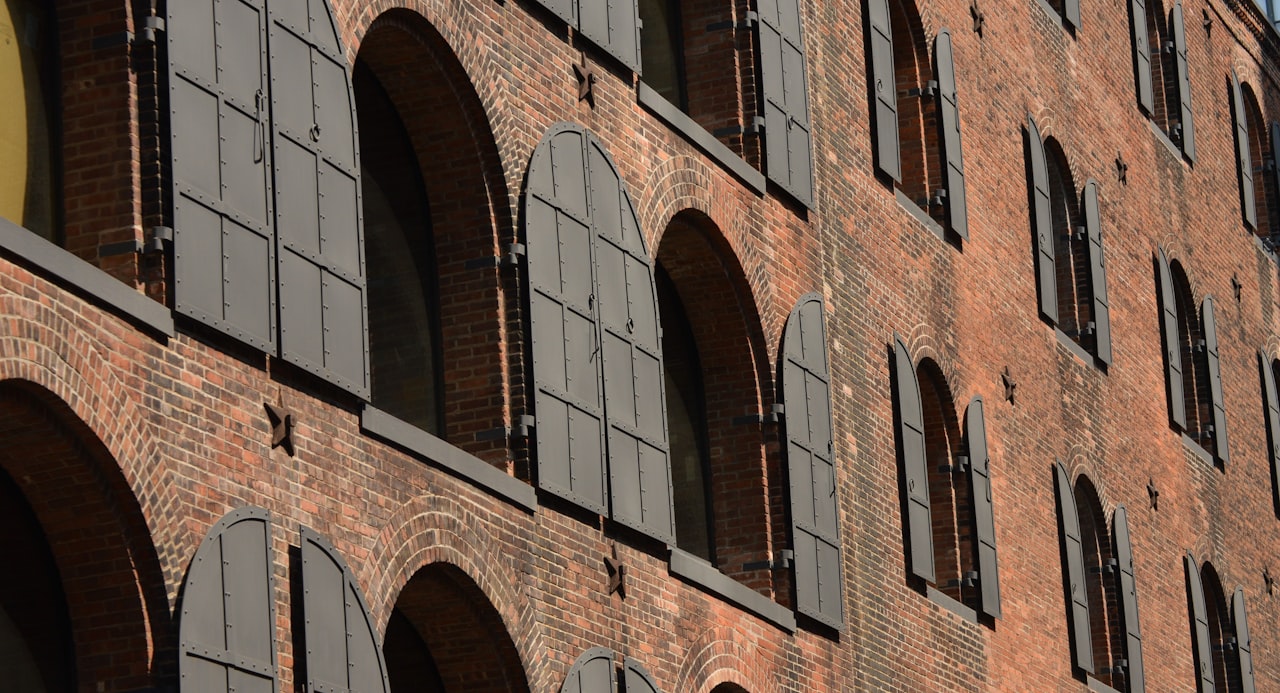
The industrial loft conversions that defined Gowanus for decades are the most demanding. Former factories and warehouses on Second Street, Third Street, and the blocks around the canal were built for manufacturing, not living. When they converted to residential use, they kept the bones: exposed brick walls, heavy timber ceiling beams at 12 to 18 feet, cast-iron structural columns, original wide-plank hardwood or polished concrete floors. These materials require specific handling. Exposed brick cannot be wiped with a damp cloth without pushing grime permanently into the mortar. Polished concrete scratches with any abrasive pad. The timber beams above 10 feet collect dust that standard equipment cannot reach. A cleaner who treats a Gowanus loft like a modern apartment will leave it in worse shape than they found it.
Our house cleaning teams carry separate tools for each surface type and switch as they move through the space. Exposed brick gets a dry soft-bristle brush that pulls surface dust without wetting the mortar. Timber beams get telescoping poles that reach 18 feet. Polished concrete gets a flat microfiber mop with pH-neutral solution, nothing abrasive, no vinegar, no ammonia. Waxed hardwood floors, common in the pre-war walk-ups on Bond and Nevins Streets, get a barely damp mop with a cleaner formulated for waxed finishes. These are not special requests. They are the standard in a neighborhood where the housing stock is this varied.
The canal-side dust cycle means a Gowanus apartment gets dirty faster than you expect
Living two blocks from an active Superfund dredging operation, directly south of the Gowanus Expressway, and surrounded by 141 active construction sites produces a particulate environment that is measurably different from most Brooklyn neighborhoods. Residents on Second Street, Third Street, and the canal-adjacent blocks notice it within weeks of moving in. Horizontal surfaces, window tracks, the tops of door frames, the ledges of oversized factory windows. The dust builds faster here than in Park Slope, faster than in Carroll Gardens, and it has a gritty quality that is different from ordinary household dust.
The construction boom only accelerates this. Each new development on Fourth Avenue and along the canal corridor adds concrete cutting, demolition debris, and site dust to what the expressway and the Superfund operation were already contributing. Clients in this zone who try monthly apartment cleaning often switch to biweekly once they see how quickly the surfaces turn again. We account for this in the scope for canal-adjacent addresses, building in extra attention to the horizontal surfaces and window ledges that the particulate cycle hits hardest.
A Superfund site, a retractile bridge, and a Michelin star walk into the same neighborhood
Gowanus resists easy description because it contains genuinely contradictory things simultaneously. The Coignet Building at 360 Third Avenue, the oldest surviving concrete structure in New York City, built in 1872 from an early form of cast concrete that predates Portland cement, stands directly next to a Whole Foods Market. The Carroll Street Bridge is a retractile bridge built in 1889, one of only four surviving examples in the entire country. It does not lift or swing to open the channel. It rolls horizontally on cast-iron rails, a Victorian mechanical solution that still works after 130 years of continuous use. You can watch it operate on request, and the mechanism remains astonishing every time.
Powerhouse Arts at 153 Second Street was the BRT Central Power Station in 1901, a Romanesque Revival brick building so massive and so architecturally imposing that the neighborhood has called it the Batcave for decades. Herzog and de Meuron converted it into one of the most ambitious nonprofit arts fabrication facilities in the country, opened in 2023, designed to give working artists access to industrial-scale equipment. The building is one of five individually landmarked structures the NYC Landmarks Preservation Commission designated in Gowanus in 2019, a list that also includes the Victorian pumping station on Butler Street that was built specifically to flush the canal clean and failed entirely at the job.
Claro at 284 Third Avenue has a Michelin star and a mezcal program and handmade masa and a wood-fire hearth. It is by reasonable consensus one of the best Mexican restaurants in New York City, housed in a converted industrial space on an avenue that ten years ago was primarily auto shops and bodegas. That is the Gowanus version of neighborhood change. Not the coffee shop replacing the laundromat. A Michelin star next to the remaining welding shop.
Your cleaning takes about three hours and Gowanus has more to do with them than most neighborhoods
The canal walk alone is worth the time. The tow path along the eastern bank runs from the head of the inlet near Douglass Street south past Carroll Street and Second Street, a narrow strip of walkway at water level where the dredging operation becomes visible up close and the great blue herons stand motionless in the shallows regardless of what is happening around them. Migratory waterfowl use the canal because it has enough biological activity to support them, which is either a hopeful sign about the cleanup or a reminder that wildlife is more resilient than we are, or both. Budget an hour and a half for the full walk.
The Gowanus Dredgers Canoe Club has been paddling the Superfund site since 1999 and continues to offer public canoe trips on weekends through the warmer months. They test themselves for contamination. They come back. Public paddles do not require experience and you do not need to own anything. It is the most purely Gowanus activity available in Gowanus.
Royal Palms Shuffleboard Club at 514 Union Street is 17,000 square feet of vintage Florida-themed shuffleboard courts in a warehouse. This is exactly as good as it sounds. The afternoon hours are calmer than evenings. Four and Twenty Blackbirds at 439 Third Avenue makes the salty honey pie that made the Elsen sisters’ reputation, and the shop occupies the kind of modest storefront that is becoming harder to find in a neighborhood rezoined for luxury towers. Lavender Lake on Carroll Street has a back garden on the canal bank and the kind of unpretentious atmosphere that the older Gowanus was made of.
Deep cleaning and move-in work for a neighborhood in the middle of the largest construction boom in Brooklyn’s recent history
A deep cleaning in a Gowanus industrial loft means reaching the tops of timber beams at 16 feet, pulling dust from cast-iron columns, cleaning inside oversized factory window frames that collect decades of particulate in their deep reveals, and scrubbing original grout in bathrooms that were converted from warehouse bathrooms. It is not the same job as a deep clean in a new construction apartment with standard eight-foot ceilings and modern tile.
The neighborhood’s construction boom has created constant demand for move-in and move-out cleaning. New towers deliver units that need thorough cleaning before occupancy, construction adhesive on the floors, drywall dust in every corner, fingerprints on every pane of glass. Loft conversions change hands through the resale market with renovation debris. Industrial spaces that are being converted for the first time have conditions that require specific preparation. Post-renovation cleaning is a regular request here. Plaster dust, grout haze, sawdust in every crevice, the particular grime that contractors leave on surfaces they never look at. We have cleaned behind enough Gowanus renovation crews to know exactly what they leave and what it takes to remove it without damaging the surfaces below.
Our cleaners are W-2 employees, not gig workers. They are vetted, insured, and they arrive with products and equipment matched to your specific building type. A loft on Second Street gets different tools than a tower unit on Fourth Avenue. If your building has a vendor registration requirement or needs a Certificate of Insurance, tell us when you book your cleaning and we coordinate everything with management before your first appointment.
The neighborhood’s entire modern existence has been about being used for something
The Gowanus Canal was carved from a Lenape fishing creek in 1849 and named for Chief Gauwane, the Canarsee leader whose people farmed and fished the tidal inlet for thousands of years before Dutch settlers arrived in 1636. By 1869 it was a navigable industrial waterway ringed by concrete plants, coal yards, gas works, rope factories, and tanneries. By 1900 the oyster beds were dead. By 1950 the factories were closing. By 1980 the artists were moving in because the lofts were cheap and nobody else wanted them. By 2010 the EPA designated it a Superfund site. By 2021 New York City rezoned it for 9,000 new units of housing. The arc of the canal is the arc of American urbanism compressed into a small body of water in Brooklyn.
The artists and welders and printmakers and ceramic studios that made Gowanus worth caring about for forty years are being displaced by the same market forces that always follow creative communities. The lofts are being demolished for towers or converted to condos at prices that price out the people who made the neighborhood interesting. Gowanus Open Studios, held each fall, adopted the theme “Gowanus Under Construction” in 2024 with a directness that acknowledged what was happening without pretending otherwise. The industrial character that defined the neighborhood’s appeal is eroding block by block.
What is arriving in its place is also real. Nine thousand new apartments means actual housing for people who need it. The required affordable units represent families who could not otherwise afford Brooklyn. Powerhouse Arts is one of the finest arts facilities in the city. The Carroll Street Bridge still rolls on its 1889 rails. The herons still stand in the dark water. The salty honey pie is still excellent.
We also serve nearby Park Slope, Carroll Gardens, Red Hook, Boerum Hill, Cobble Hill, and the rest of Brooklyn.