
The Cobble Hill Historic District was designated in 1969 partly because residents in 1958 successfully stopped Robert Moses from demolishing these brownstones and replacing them with housing towers. The preservation fight worked. What that means today, practically speaking, is that a cleaning service walking into a Cobble Hill home is walking into buildings that were constructed between 1840 and 1880, with surfaces that were built to be maintained with materials and techniques that no longer exist as products on a hardware store shelf.
Wax-finished parlor floors from the 1860s. Carved plaster cornices above doorways. Marble fireplace mantels on three floors. Radiators between the kitchen and the garden level that collect a full season of dust between their fins. These surfaces are not difficult to clean if you know what they are. They will be damaged quickly if you treat them like a modern apartment.
What the housing stock here actually looks like for a cleaning team
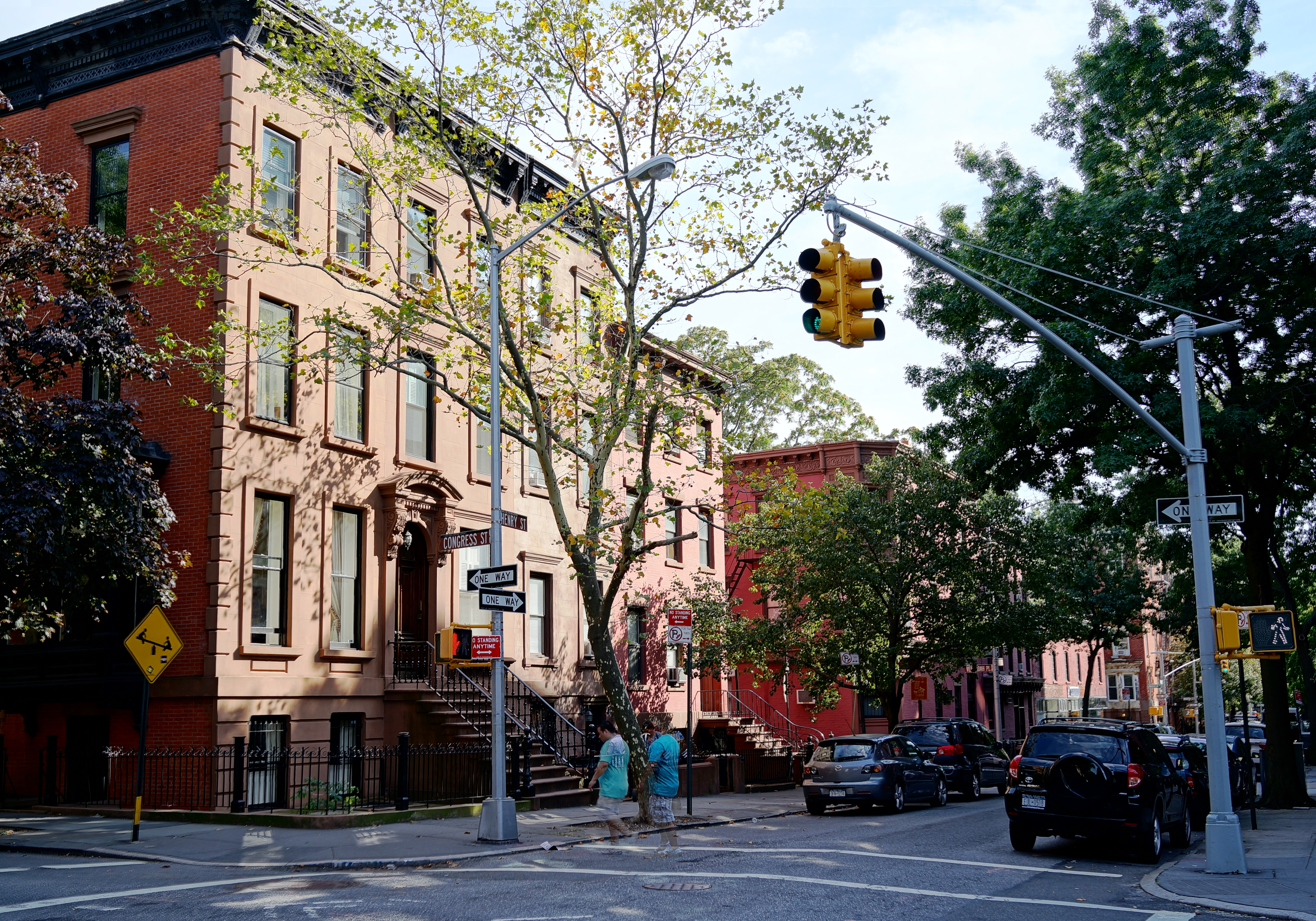
Cobble Hill is 22 blocks inside a designated historic district with over 796 contributing buildings. The dominant dwelling types are three- to five-story brownstone and brick townhouses built in the Italianate and Neo-Grec styles of the 1850s through 1870s, many of which have been converted into floor-through apartments while others have been restored to single-family use by buyers who paid seven figures to do it.
The architecture across those 22 blocks shifts in specific ways that matter for cleaning.
The parlor floors carry the most elaborate original detail: plaster medallions on ceilings, carved wood moldings above doorways, marble mantels in rooms that received company. These floors also have the most vulnerable surfaces. Original wide-plank hardwood sealed with wax is standard on parlor floors and upper floors in pre-1900 brownstones. It looks like any other wood floor but behaves entirely differently. Water left on the surface draws into the grain. Acidic cleaners lift the wax. A steam mop will damage it in a single pass.
The garden level, below the stoop, typically has stone or tile rather than wood, and the transition requires a product switch mid-home. Some garden levels in newer conversions have poured concrete or terrazzo. Cobble Hill’s kitchen-level floors often reflect whatever the previous owner installed during a renovation, which can be anything from original brick to modern porcelain.
The Verandah Place carriage houses are a distinct category. Built as stables in the 1840s and converted to residences over the past century, they are compact, low-ceilinged, and accessed through a 20-foot-wide mews off Clinton Street. The scale and the access require a different setup than a standard brownstone visit.
Our house cleaning teams carry separate product caddies for hardwood, stone, tile, and marble, and they switch between them as they move through a home. They work top-down so that dust from cornices and ceiling medallions never settles on already-cleaned floors below. Radiator and vent covers get dusted on the way down, before anyone touches the floors. Carved plaster detail gets a soft brush, not a damp cloth. These are not special-request protocols for Cobble Hill. They are the standard for 19th-century buildings anywhere.
Deep cleaning a historic Cobble Hill brownstone requires reaching things most teams miss
A deep cleaning in a four-story brownstone means working through 3,500 to 5,000 square feet across multiple floors, each with its own surface types and its own accumulated grime from a different part of the building’s use cycle.
The crown moldings in the parlor room reach 13 feet. The cast-iron radiators on upper floors collect fine dust in the gaps between their sections all summer and release it the first time steam heat runs in October. The kitchen hood in most brownstone conversions is poorly vented and builds a grease film faster than the rest of the kitchen. The grout in century-old hex tile bathrooms, which appear in a significant percentage of Cobble Hill homes, requires a pH-neutral cleaner and a stiff brush, not bleach, which will discolor the tile and deteriorate the grout over time.
The backs of kitchen cabinets that have not been opened in a year, the tops of built-in bookshelves in the front parlor, the window sill tracks that collect condensation and then mold over the course of a winter: these are the surfaces that separate a real deep clean from a surface pass.
We handle move-in and move-out cleaning for the rental market in the historic brownstone conversions on Court and Clinton and the cross streets. A floor-through in a Cobble Hill brownstone commands $4,000 a month or more, and landlords expect the unit returned in condition for a professional photo shoot. We have done this work in enough of these buildings to know what that standard requires.
Your cleaning appointment runs about three hours, and here is how to use them
The F train from Smith and Bergen puts you at 14th Street and 6th Avenue in 18 minutes. The 2 or 3 from Borough Hall drops you at Chambers Street in 12. You can be at the Whitney Museum, the Strand, a doctor’s appointment in Midtown, or a lunch in the West Village and back before we have finished the second floor.
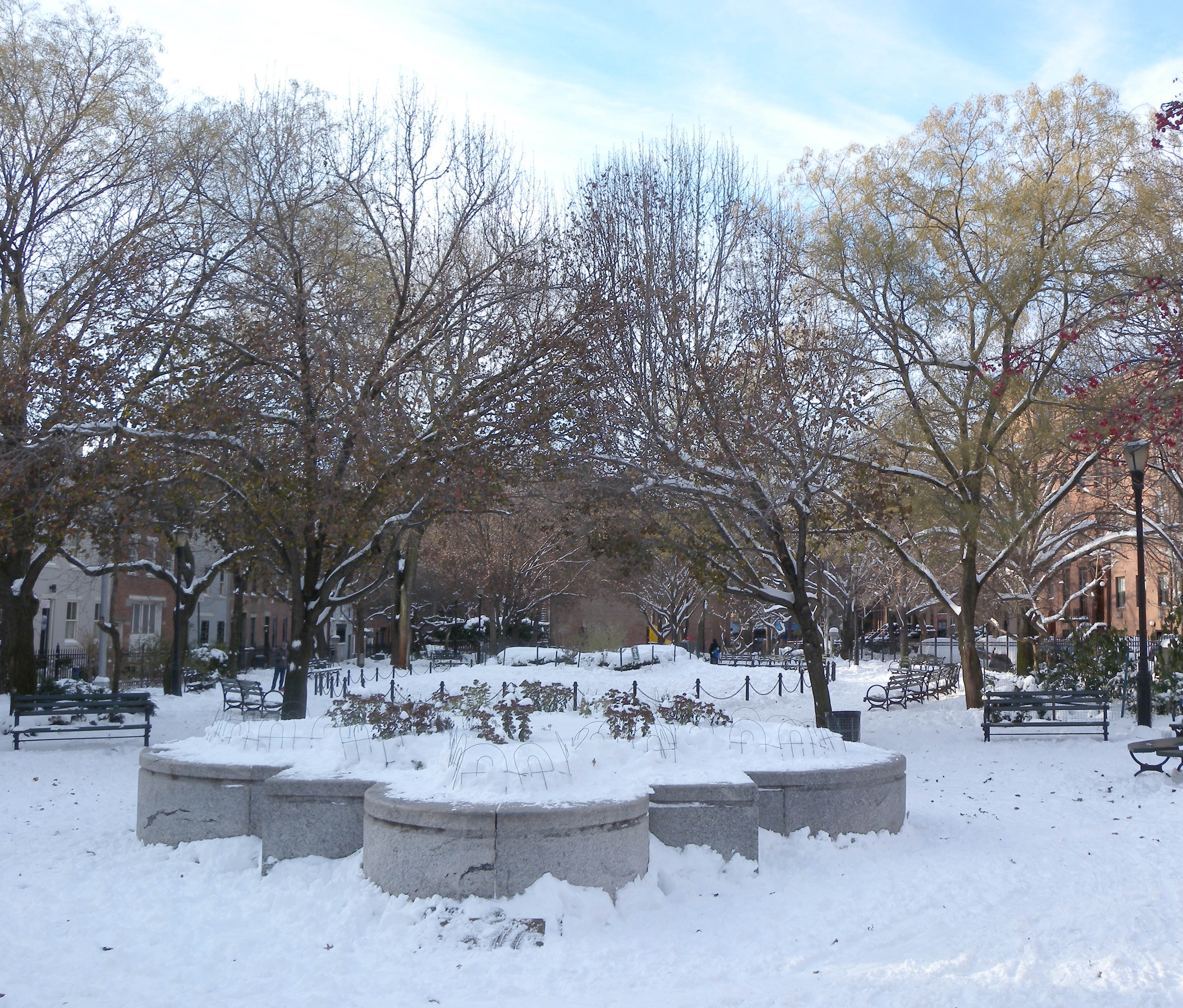
If you would rather stay in the neighborhood, the options are better than most of Brooklyn. Yemen Cafe on Atlantic Avenue has been serving complimentary marag to every table since 1986 and represents one of the clearest expressions of what this neighborhood actually is rather than what it has become. Cobble Hill Park on Congress Street is ten minutes of walking at most from any address in the neighborhood, and on a morning in April or October there is no better place to be in Brooklyn.
The Smith Street corridor and the stretch of Court Street between Atlantic Avenue and Degraw Street carry enough coffee shops, bookstores, and lunch spots to absorb three hours without any effort.
We serve nearby Carroll Gardens, Brooklyn Heights, Boerum Hill, Red Hook, DUMBO, and the rest of Brooklyn.
The Atlantic Avenue corridor at the northern edge is not incidental to the neighborhood
Atlantic Avenue runs along the top of Cobble Hill and carries a commercial character that is entirely distinct from the brownstone residential blocks to the south. The Lebanese, Yemeni, and Syrian merchants who established businesses here in the late 19th and early 20th centuries created an anchor that has outlasted every wave of neighborhood change. Yemen Cafe at 176 Atlantic Avenue has been operating since 1986. Spice shops and halal groceries have been on this block since before most of the current residents were born.
The Atlantic Avenue Tunnel runs directly beneath this stretch of the avenue. Built in 1844 to move the Atlantic Avenue Railroad’s steam locomotives off street level, the tunnel is 1,611 feet long, 17 feet high, and 21 feet wide, lined in vaulted red brick. It was sealed after the Civil War and forgotten for over a century. Urban historian Bob Diamond found a reference to it in a city document in 1981, obtained permission, and went in. The tunnel was intact, dry, and entirely preserved. It was listed on the National Register of Historic Places in 1984 and remains inaccessible to the public.
That detail captures something essential about this 40-block neighborhood. There is a 180-year-old brick tunnel running beneath its most commercial street. The hill that gave the neighborhood its name was fortified by the Continental Army in August 1776 during the first major battle after the Declaration of Independence. The carriage houses on Verandah Place were built as stables in the 1840s and are now among the most coveted addresses in Brooklyn.
The apartments here have specific requirements that a generic cleaning service will not anticipate
Cobble Hill is the most expensive neighborhood in Brooklyn as of 2024. The people who live here have paid for the quality of the housing stock, and they have specific concerns about who comes into their homes and what they do there.
The most common concern is surfaces. Original hardwood floors that cannot tolerate water. Marble that etches with vinegar. Carved plaster that will trap grime if you wipe it wet. Historic tile grout that requires neutral pH chemistry. These are not exotic requirements. They are the standard conditions in any 19th-century building, and they require a cleaning team that knows the difference between materials.
The second concern is access. Most Cobble Hill co-ops have building rules. Some require 48-hour vendor notice. Some require a Certificate of Insurance naming the building as an additional insured. A few require a vendor agreement on file before anyone enters the elevator. If you have had a cleaning service turned away at the front desk, you know how this works.
We handle all of it. You tell us the building requirements when you book your appointment and our dispatch team coordinates with management before your first visit. For recurring apartment cleaning, we assign the same team every visit so the doorman knows them and your building manager does not receive a new vendor request every two weeks.
Our cleaners are W-2 employees, not independent contractors. They are background-checked, insured, and they arrive with the correct products for the surfaces in your specific home. Over 100,000 homes cleaned across New York City. If you have a brownstone, a carriage house, or a floor-through on Clinton Street that needs to be cleaned by people who understand what they are looking at, book here.