
The Chinese Exclusion Act of 1882 was the only federal law in American history to ban immigration based solely on race. It locked an entire community into seven blocks of lower Manhattan for over sixty years, created a neighborhood governed by its own institutions because the city refused to serve it, and produced the densest concentration of Chinese culture in the Western Hemisphere. That neighborhood is still here. It is still Chinatown.
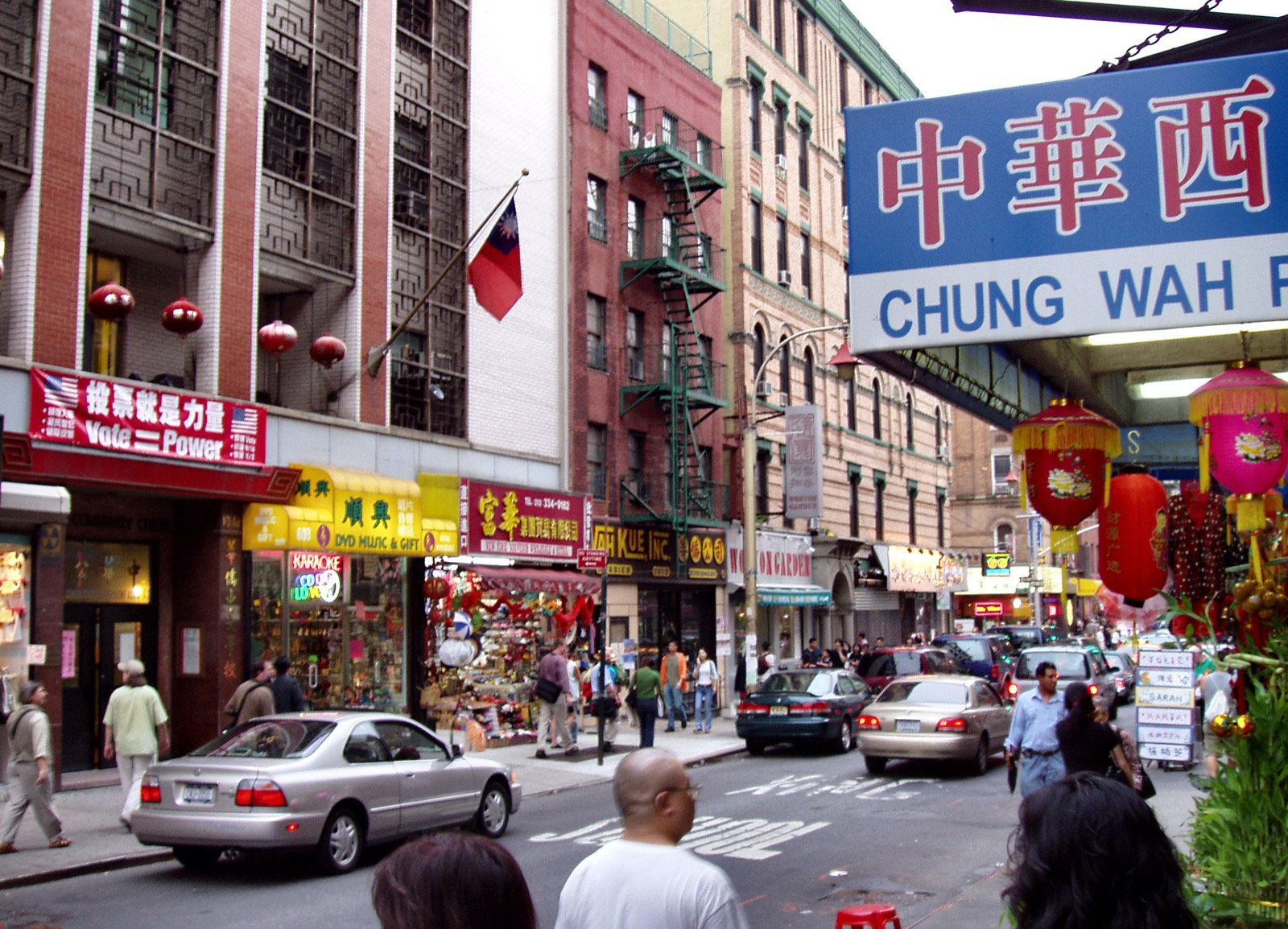
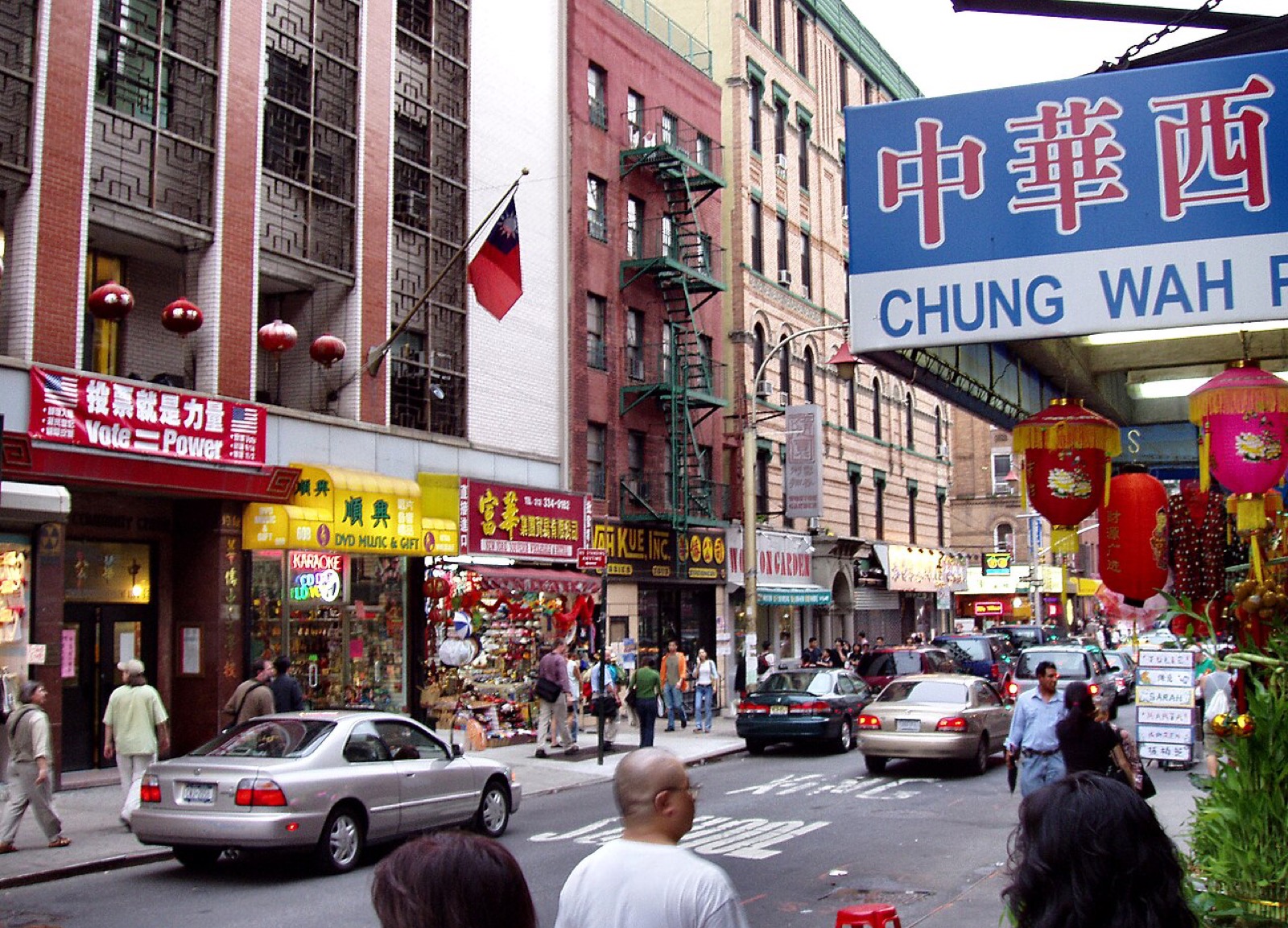
The tenement buildings on Mott Street and Mulberry Street were built in the 1860s and 1870s for Irish and Italian immigrants. They are narrow, deep, four to six stories of brick with flat roofs and small windows. When Chinese residents moved into them starting in the 1870s, they adapted the buildings rather than replacing them. Pagoda-style cornices in green and red tile were applied to the rooflines. Storefronts were transformed with bilingual signage, colored lanterns, and carved wood screens. The architecture of Chinatown is not Chinese architecture and it is not American architecture. It is something made from the collision of the two, by people who were denied the opportunity to build anything from scratch.
That layered history is visible on every block. And it is also visible inside the apartments, where the cleaning needs are shaped by the same forces that shaped the neighborhood itself.
Pre-war tenement walk-ups in Chinatown carry a century of cooking into the walls
The dominant housing type in Chinatown is the 19th-century tenement walk-up. Four to six stories, no elevator, narrow stairwells, apartments with two to three rooms averaging 400 to 700 square feet. These buildings were constructed before the 1901 Tenement House Act, which means they were designed with minimal ventilation and no private bathrooms. They have been incrementally improved over a century but the fundamental layout has not changed. The rooms are small. The kitchens are tight. The windows face air shafts, not open sky.
What makes these apartments distinct as a cleaning job is the cooking. Chinatown has one of the most intensive daily home-cooking cultures in New York City. Wok cooking at high heat is standard. The wok throws oil mist that settles on every surface within reach of the stove, including the ceiling, the cabinet faces, the walls behind and beside the range, and the hood above it. This is not the occasional grease splatter from pan-frying a chicken breast. This is a fine oil film deposited daily, layer on layer, month after month. In apartments where the stove runs twice a day, the grease buildup on a range hood filter can become so thick that the fan loses suction entirely.
We degrease every kitchen surface within six feet of the stove. We pull the drip trays. We scrub the cabinet faces, the backsplash, the outside of the hood, and the ceiling patch directly above the burners. For apartments that have not had a thorough kitchen cleaning in years, the first visit is a deep clean to reset the surfaces. After that, recurring apartment cleaning keeps the grease from accumulating back to where it was.
The other signature feature of these kitchens is the variety of ingredients stored in them. Dried mushrooms, ginseng, fermented bean paste, chili oil, bags of rice, dried seafood. Many of these items sit on open shelves or countertops and should not be moved. We ask during the first visit what stays in place and what gets cleaned around, and we note it on the account so the same team knows every time.
Shoes come off at the door and that changes what clean floors actually means
In many Chinatown households, shoes come off at the front door. This is common in Chinese culture and it is common across much of East Asia. The practical implication for cleaning is that the floor standard is higher. When everyone in the household walks barefoot or in house slippers on the kitchen tile and the living room floor, a quick pass with a damp mop is not sufficient. The floor needs to actually be clean, not just look clean from across the room.
We mop with a pH-neutral solution, rinse the mop head frequently, and work in sections. For hardwood floors in older tenements, we use minimal moisture because excess water warps the boards that have already survived a century. For tile in kitchens and bathrooms, we scrub the grout lines where cooking residue and soap deposits collect. The entryway where shoes transition from on to off is always the dirtiest zone and we treat it accordingly.
This is one of those things that sounds small but matters enormously to the people who live this way. If your cleaner is walking through the apartment in shoes and leaving damp footprints, they have defeated the entire purpose. Our teams remove their shoes or use clean shoe covers at the door. We do not need to be told.
The first Chinese arrivals built a parallel society because the city gave them no other option
The story of Chinatown begins with exclusion. Chinese laborers who had built the Transcontinental Railroad were driven out of the American West by mob violence in the 1870s. They migrated east to New York and settled along Mott, Pell, and Doyers Streets, occupying a patch of lower Manhattan that had been part of the Five Points district, one of the most notorious slums in American history.
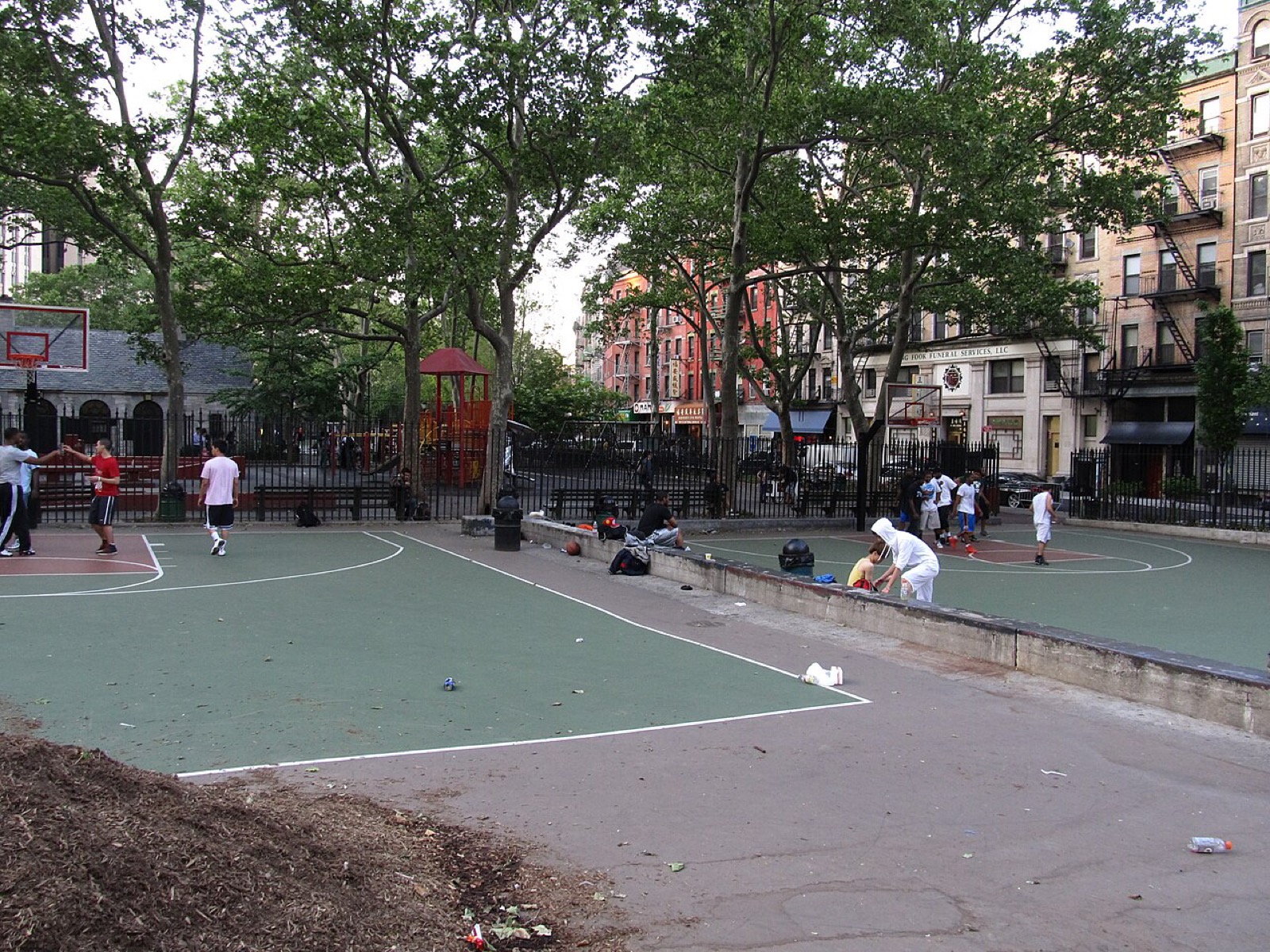
The land under Columbus Park was once Mulberry Bend, the worst block of Five Points. Jacob Riis photographed its conditions for his 1890 book about tenement life. The city demolished the worst buildings in 1897 and built the park on the rubble. Today Columbus Park is the only meaningful green space in Chinatown, and on any given afternoon you can find groups of elderly men playing Chinese chess on overturned milk crates, tai chi practitioners moving through their forms, and musicians playing erhu under the pavilion. The park that was built on top of misery became the neighborhood’s living room.
When the Chinese Exclusion Act passed in 1882, it barred Chinese laborers from entering the country and denied citizenship to those already here. Because wives and families could not immigrate, Chinatown became overwhelmingly male. By 1890, there were 26 Chinese men for every Chinese woman in New York. This produced what historians call the “bachelor society,” a community of men who could not bring their families and could not leave for fear of being denied re-entry.
The community governed itself. The Chinese Consolidated Benevolent Association, founded in 1883, functioned as a de facto municipal government because the actual city government had no interest in providing services to Chinese residents. Clan associations organized by surname provided mutual aid. Tong organizations controlled territory and commerce. Tong wars erupted periodically from the 1880s through the 1930s, and Doyers Street earned its nickname “the Bloody Angle” because the sharp curve of the road meant that rivals approaching from either direction could not see an ambush waiting at the bend. The street where hatchet men attacked without warning is now home to Nom Wah Tea Parlor, the oldest dim sum restaurant in New York City, serving egg rolls and turnip cakes continuously since 1920.
The exclusion era lasted until 1943. For sixty-one years, a federal law dictated the social structure of this neighborhood. And the institutions that Chinese residents built during that period of enforced isolation, the associations, the temples, the newspapers, the networks of mutual support, are still operating on Mott Street today.
The 1965 Immigration Act remade the neighborhood in a single generation
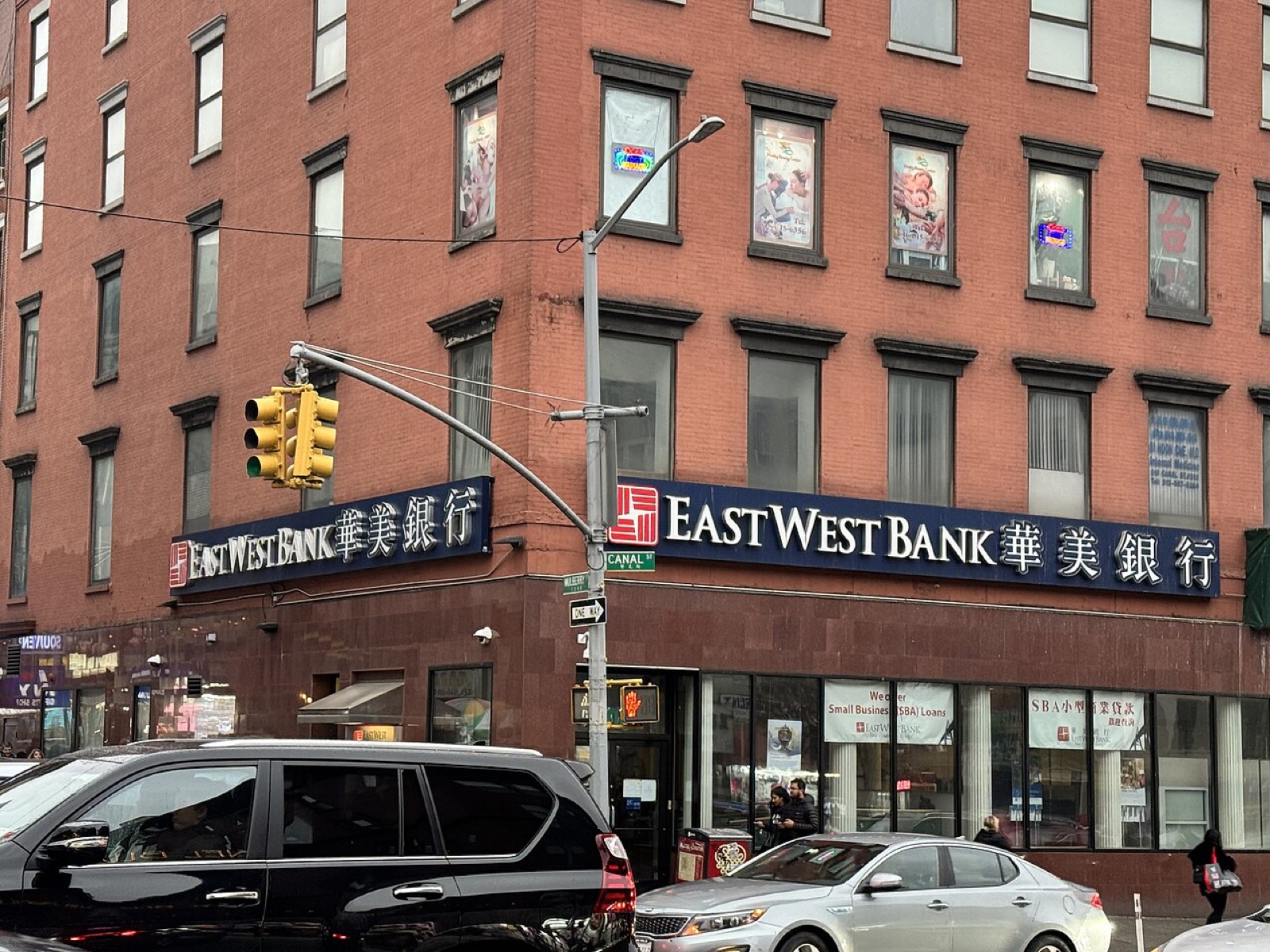
When the Immigration and Nationality Act of 1965 reopened immigration from Asia, Chinatown exploded. New arrivals from Hong Kong, Taiwan, and mainland China surged into the neighborhood. The original seven-block enclave could not contain the growth. Chinatown expanded north past Canal Street, south toward City Hall, east across the Bowery, effectively absorbing what had been Little Italy. Seven blocks became fifty-five.
The tenement buildings were subdivided to pack in new residents. Garment factories opened in warehouses, employing tens of thousands of Chinese women and making Chinatown one of the last surviving garment manufacturing hubs in New York City. Restaurants multiplied so fast that no count could keep up. The food culture that visitors experience today, the dim sum parlors, the Cantonese barbecue shops, the hand-pulled noodle counters, the bakeries selling egg tarts and pineapple buns, is the product of this post-1965 explosion.
Beginning in the 1980s, a second wave arrived from Fujian Province on the southeastern coast of mainland China. The Fujianese spoke a dialect unintelligible to the established Cantonese community. They settled east of the Bowery along East Broadway, forming a distinct sub-neighborhood called Little Fuzhou. Today both communities coexist within what outsiders see as a single Chinatown, but they maintain separate restaurants, separate newspapers, separate social networks, and separate institutions. The linguistic diversity within this small patch of Manhattan is remarkable. Cantonese, Mandarin, Fuzhounese, and English are all spoken daily, often within the same block.
This density of immigrant life, the cooking, the language, the cultural practices, is what gives Chinatown apartments their particular cleaning profile. The kitchens are used hard. The apartments are full. The buildings are old. And the residents have specific expectations about how their homes should be maintained, often informed by cultural practices that a cleaner unfamiliar with the neighborhood would not anticipate.
Confucius Plaza and the buildings that changed what Chinatown looked like
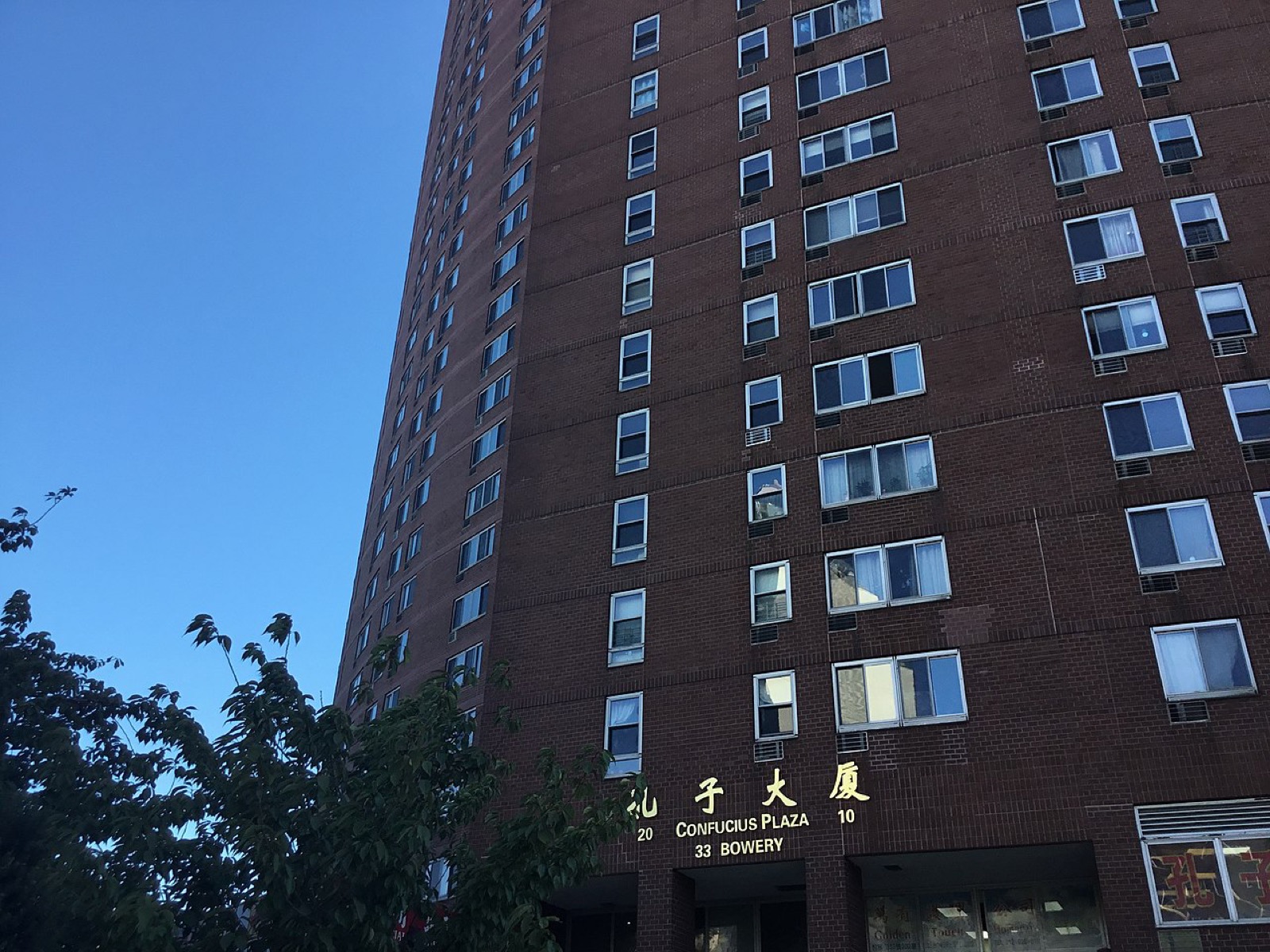
The most significant addition to Chinatown’s skyline since the tenements went up is Confucius Plaza, a 44-story, 762-unit federally subsidized residential tower completed in 1976 at the corner of Bowery and Division Street. The 15-foot bronze statue of Confucius at its base is one of the most photographed sculptures in Lower Manhattan. The tower was the product of community activism. In 1974, when city contractors building the project refused to hire Chinese workers, the community organized a 250-person protest that shut down the construction site and secured jobs for Asian American workers. It was one of the first major civil rights victories for Asian Americans in New York City.
Confucius Plaza apartments are larger than the tenement units on surrounding blocks, with elevators, more consistent layouts, and better ventilation. For a cleaning team, these units are closer to standard mid-rise apartment work. We still see the heavy kitchen cooking, but the spaces are more accessible and the building logistics are simpler than walk-ups.
At the neighborhood’s edges, newer luxury condominiums have arrived. One Manhattan Square, the 72-story tower at 252 South Street, brought high-net-worth buyers to the border of Chinatown with starting prices above $1.2 million per unit. These apartments are a different cleaning job entirely, closer to what we do in Tribeca or the Financial District. Modern finishes, larger square footage, doorman access, and the post-construction dust that coats every surface in a newly built unit.
For tenants moving in or out of any building type in Chinatown, our move-in and move-out cleaning handles the full reset. Inside cabinets, appliance interiors, baseboards, window tracks, and every surface the next occupant will see or touch.
September 11 sits eight blocks away and the neighborhood never fully recovered
On September 11, 2001, the World Trade Center collapsed eight blocks from Chinatown. Canal Street was closed for months. Tourism disappeared. Supply chains were disrupted. Garment factories that had employed thousands of workers shuttered permanently. The neighborhood lost an estimated 25 percent of its business revenue, and many small family businesses never reopened.
The recovery was slow. Before it was complete, the 2008 financial crisis struck another blow. And then a slower, quieter pressure arrived. Rising rents in SoHo and Tribeca pushed developers, artists, and affluent young professionals southward into Chinatown’s fringes. Art galleries opened. Boutique hotels appeared. Trendy restaurants aimed at non-Chinese clientele replaced family businesses that had operated for decades. The 2014 closure of Fong Inn Too, a family-owned noodle manufacturer that had operated on Mott Street for generations, became a symbol of the threat. The building sold for $2.7 million and was replaced by an upscale restaurant.
Chinatown has one of the most organized resistance movements of any gentrifying neighborhood in New York. The CCBA, the Chinatown Tenants Union, and dozens of smaller advocacy groups have fought evictions, demanded affordable housing protections, and mobilized politically. The community’s dense institutional network, the clan associations, the churches, the newspapers, provides infrastructure for sustained resistance that most gentrifying neighborhoods do not have. The neighborhood’s core remains recognizably itself. The fish markets, the bakeries, the Buddhist temples, the herbal medicine shops, the Chinese-language newspapers sold at sidewalk newsstands. But the margins are narrowing.
The food here is exceptional and it is proof that the kitchens at home are just as serious
Manhattan’s Chinatown is one of the great food neighborhoods in the United States. The density of quality Chinese restaurants at affordable prices is unmatched in the Western world, a function of the neighborhood’s working-class immigrant base and its concentrated competition.
Wo Hop on Mott Street has been serving Cantonese-American cooking since 1938. The basement location is perpetually packed with neighborhood regulars and off-duty restaurant workers from across the city at 2 AM, cash-only, un-renovated, and exactly right. Joe’s Shanghai on Pell Street introduced many New Yorkers to soup dumplings in the 1990s. Tasty Hand Pulled Noodles on Doyers Street does exactly what the name says and arguably does it better than anyone else in the neighborhood. Xi’an Famous Foods grew from a standing-room stall under the Manhattan Bridge into a citywide chain, built on hand-pulled noodles and spiced lamb from China’s northwest.
The street food is its own category. Carts selling roasted sweet potatoes, sugar cane juice, scallion pancakes. Produce vendors along Mott and Canal selling vegetables that do not appear in any other Manhattan market. The herbal medicine shops with walls of dried mushrooms, ginseng roots, and dried sea creatures.
What matters for cleaning is that the restaurant culture reflects the home cooking culture. The families who eat at Wo Hop on Friday night are cooking wok dishes in their tenement kitchens the other six nights. The produce from the Mott Street vendors goes into meals that run the stove twice a day. The grease on the commercial kitchen range hoods downtown is the same grease on the residential range hood filters upstairs. The intensity is the same. The cleaning challenge is the same.
The Church of the Transfiguration has changed hands four times in 225 years and it is still standing
At 25 Mott Street, the Church of the Transfiguration is one of the most historically layered buildings in New York City. Originally built in 1801 as a Georgian-style Protestant church, it passed to an Irish Catholic congregation, then to Italian Catholics, and finally became a Chinese Catholic parish in 1902. It is a National Historic Landmark and it is still an active parish serving the Chinese community. The building’s exterior is a composite of two centuries of architectural interventions by four different immigrant communities.
This kind of layering, where each wave of inhabitants adapts what the previous group built, is visible throughout Chinatown. The tenements built for the Irish became Chinese. The Italian social clubs became Chinese associations. The church built for English Protestants serves Chinese Catholics. The neighborhood absorbs and transforms without demolishing. And the apartments reflect that too. Original tenement layouts from the 1880s hold families who have been in residence since the 1970s, cooking daily in kitchens designed for a different century.
Cleaning a home that carries this kind of history requires knowing what to leave alone and what to address. The drip trays come out. The grease film on the ceiling gets scrubbed. But the arrangement of dried goods on the kitchen shelf, the incense holder on the bedroom dresser, the shoes lined up at the door, those stay exactly where they are. Our cleaners learn the layout on the first visit and respect it on every visit after.
What booking looks like for Chinatown residents
You pick your date and time on our booking page. You see your flat-rate price before you commit. If your tenement apartment has a kitchen that runs hot every day, tell us once and we note it on your account so the team arrives prepared with the right degreasing products. If your building is a fifth-floor walk-up with no elevator, that does not change our pricing or our willingness to show up. Our cleaners are W-2 employees, not gig workers. They are vetted, insured, and they know how to navigate narrow stairwells with a supply bag.
We serve Chinatown and all of Lower Manhattan, including nearby Financial District and Tribeca. Our teams use the J, N, Q, R, and 6 trains to reach the neighborhood. Canal Street station puts us at the center of the neighborhood in minutes. We arrive on time.
Whether you need recurring house cleaning for a tenement apartment your family has held for decades or a full cleaning service for a new condo near the bridge, we handle Chinatown. Your apartment should smell like home when you walk in, not like chemicals. And after a wok session, the range hood should actually work. That is what we are here for.