
Beechhurst was named by real estate developers in 1908 who wanted a Queens waterfront neighborhood to sound like it belonged in the English countryside. They invented the name from whole cloth: “beech” for the native beech trees that grew along the East River bluffs, and “hurst,” the Old English word for a small wooded hill. The name worked so well that over a century later, the neighborhood still carries it. What the developers could not have fully anticipated was that the quiet, large-lot, waterfront character they were selling would prove genuinely durable, that Beechhurst would still look and feel like what they promised in 1908 while everything around it transformed into something else entirely.
The housing stock that defines what we clean here
Beechhurst is predominantly a single-family neighborhood, which is unusual in Queens and unusual in New York City more broadly. Roughly 55 percent of the housing stock is detached single-family homes on generous lots, a composition you would expect to find in a Westchester suburb rather than six miles from Midtown Manhattan. The remaining stock splits between co-op apartments in the Art Deco Beechhurst Towers complex and a smaller number of two-family and semi-detached homes near the neighborhood’s eastern and southern edges.
The single-family homes range across a wide architectural spectrum. The oldest are Victorian and Edwardian estate houses from the 1880s through the 1910s, two and three-story frame and masonry homes on the waterfront streets that once belonged to well-off New Yorkers for whom the East River bluff was the fashionable summer retreat. Moving inland from those original estates, the residential fabric shifts to the Arts and Crafts bungalows, Colonial Revivals, and Tudor Revival homes built through the 1920s and 1930s. These are solid, well-proportioned houses set back from the street on lots with mature trees and side yards. They typically run two full stories with finished basements, between 1,400 and 2,500 square feet, built at a time when labor was skilled and materials were chosen to last.
The cleaning implications of this housing type are specific. A Colonial Revival from 1925 has hardwood floors that may still carry an original wax finish rather than polyurethane. It has plaster walls rather than drywall. It has original millwork around the doorways and windows that collects grime in its routed edges. It has a basement that accumulates a distinct kind of dust and the particular damp smell of a concrete-block foundation that gets cleaned differently than a finished modern lower level. It has a kitchen that has probably been updated at some point but still sits within a footprint that was designed for a different era of cooking. These are homes with specific surfaces that require cleaners who know to ask before they spray.
The Beechhurst Towers co-op apartments occupy the other end of the spectrum. Completed in the late 1930s in an Art Deco style that was the neighborhood’s most sophisticated architectural gesture at the time, the towers have formal layouts, pre-war ceiling heights, original plaster crown molding in many units, and the general character of a well-maintained cooperative where the common areas are kept up and the individual units reflect decades of owner investment. Our apartment cleaning teams handle the towers with the same attention to pre-war finishes that we apply throughout the older neighborhoods of Queens.
Deep cleaning for homes that have been lived in for generations
Over 100,000 homes across New York City are cleaned by Maid Marines every year. A significant number of those homes are, like Beechhurst’s housing stock, older buildings that have been owned by the same family for decades. The cleaning needs of those homes are different from a recently renovated studio or a glass-tower one-bedroom. They accumulate differently. The grime that settles into routed millwork over 30 years of family life is not removed by a surface wipe. The grout in a bathroom that was tiled in the 1940s cannot tolerate the same acidic cleaners that work fine on modern ceramic.
A deep cleaning in a Beechhurst Colonial Revival means cleaning above the refrigerator, dusting the covers on the cast-iron radiators that still heat many of these homes, and working along the crown molding in every room. It means the window sills, the baseboards, and the floor registers that the old forced-air system loads with dust over a winter. It means the basement storage area that gets used and rarely cleaned. The inside of a kitchen cabinet that has been in continuous use for decades is an add-on you tick at booking, not part of the deep clean itself. A deep clean on one of these large multi-story homes takes a full day with a two-person team and produces a result that a surface clean cannot replicate.
For homes near the Powell’s Cove waterfront and along the East River streets, salt air from the water adds another variable. The mineral film that salt air deposits on glass-facing windows and the accelerated mildew on grout and caulking in bathrooms with elevated humidity are both addressed during a thorough deep clean. We note what we find and flag it for you rather than scrubbing aggressively on the first pass.
Protecting original surfaces in a neighborhood that resisted change
Beechhurst’s residents successfully resisted the postwar apartment-house boom that transformed much of northeastern Queens. While Whitestone, Flushing, and Bayside were filling with postwar apartment buildings through the 1950s and 1960s, Beechhurst’s civic organizations held the zoning line. The result is a neighborhood that retains the physical character it had in the 1940s, which means the buildings are older and the original surfaces are more likely to still be in place.
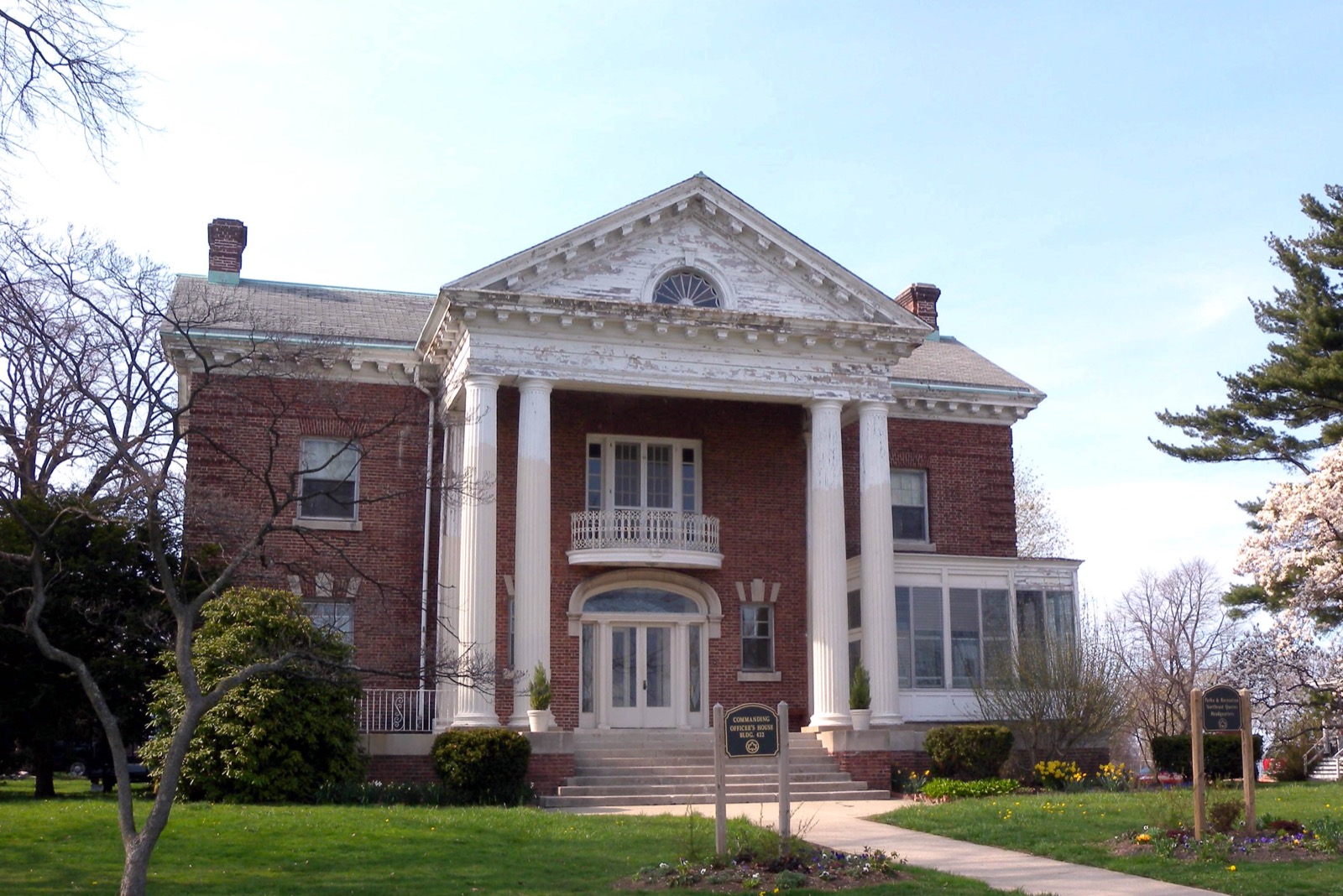
The Arthur and Dorothy Hammerstein House, the neighborhood’s most prominent property and one of the few individually designated New York City Landmarks in this part of Queens, stands as an example of what survives when a neighborhood takes preservation seriously. The house, associated with theatrical producer Arthur Hammerstein and his family, has been maintained since the early 20th century celebrity resort era when Beechhurst attracted Broadway and early Hollywood figures including W.C. Fields and Mary Pickford. The architectural quality that earned the house its landmark designation reflects what was built across the neighborhood in that period.
For the homeowners who live in the Tudor Revivals and Colonials on the blocks near this house, preservation is not abstract. It is the daily reality of owning a home with original surfaces that need specific knowledge to maintain. Hardwood floors with wax finishes. Original plaster walls. Period tile in the bathrooms. Cast-iron radiators. Millwork that was hand-cut and installed by craftsmen who took their time. A house cleaning service that treats these surfaces the same as new construction will eventually damage something that cannot be easily replaced.
Our teams carry separate products for hardwood, stone, and tile and switch as they move between surfaces. Decorative molding gets a dry brush before any damp cloth. pH-neutral products only on stone and period tile. Wax-finished hardwood gets a barely damp microfiber mop, not a wet mop or a steam cleaner. These are not complicated protocols but they require knowing to follow them, which is why we assign the same cleaner or team to your home for recurring appointments rather than rotating through whoever is available that week.
The Greek community, the Dominican community, and what cooking every day does to a kitchen
Beechhurst has the highest concentration of Greek speakers of any neighborhood in the United States. Over 11 percent of households speak Greek as their primary home language. The Greek American community that built this concentration over the past several generations has a cooking culture centered around the home kitchen: olive oil, fresh herbs, slow-braised proteins, phyllo pastry, seafood preparations. Daily cooking of this kind produces a kitchen environment that accumulates grease film on backsplash tile, cabinet faces, and range hood surfaces more quickly than a household that cooks less frequently or with different techniques.
The Dominican American community, which constitutes roughly 12 percent of the neighborhood, brings its own daily cooking tradition. Caribbean preparations with sofrito, adobo, and regular high-heat oil cooking add a second layer of kitchen intensity. These are homes where the kitchen is genuinely used, every day, at a scale that a weekly surface clean alone cannot keep up with.
If your kitchen has months of accumulated oil film from regular home cooking, the correct first step is a deep clean that cuts through that buildup with an appropriate degreaser. Once the reset is done and the surfaces are back to their original condition, recurring cleanings maintain it. We do this regularly for households throughout Queens with active home cooking cultures, and the approach is the same regardless of what the specific cuisine is.
Getting your cleaning team to Beechhurst
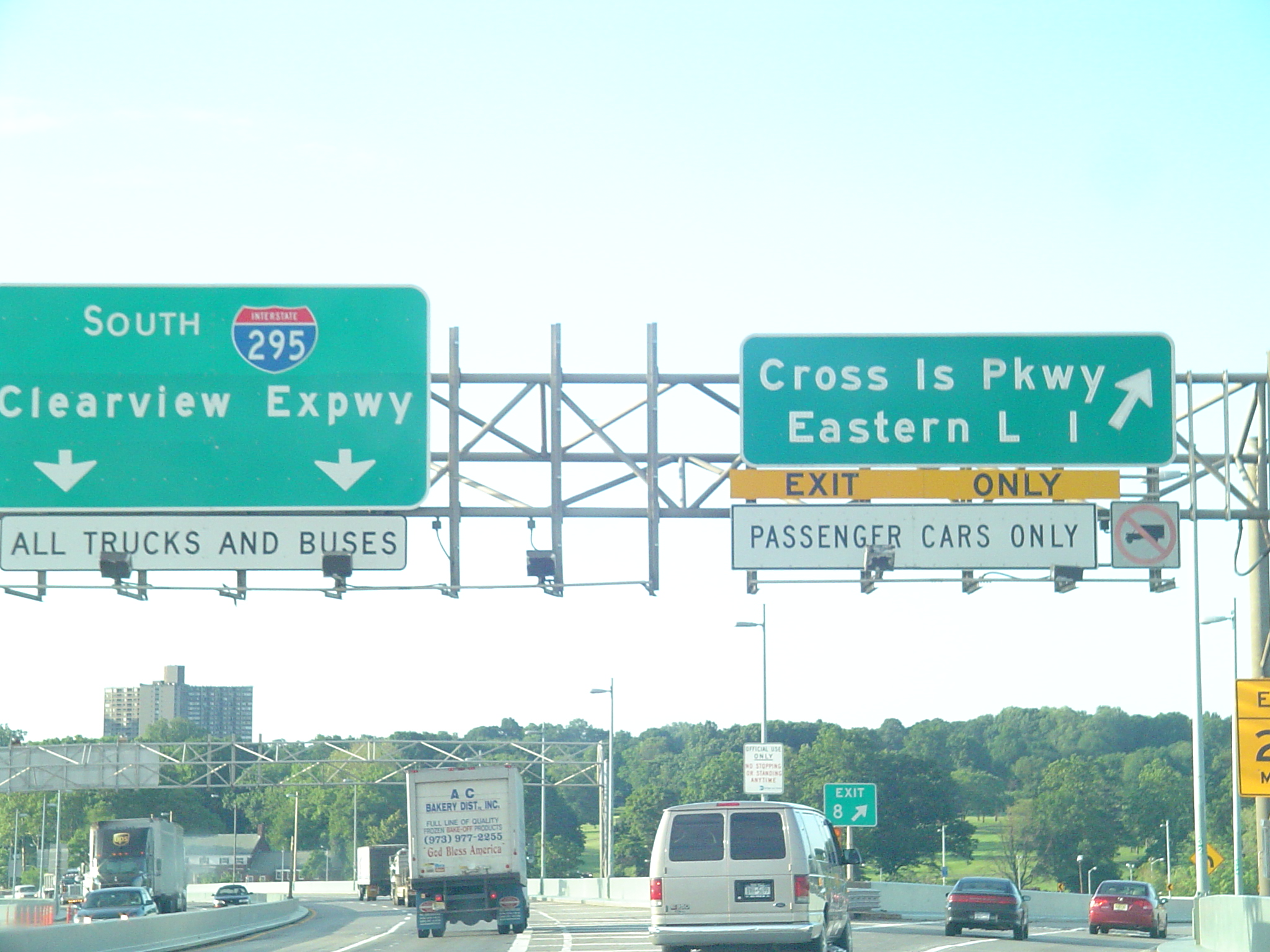
Beechhurst sits at the outer edge of Queens, bounded by the Whitestone Expressway on the west and the Cross Island Parkway on the east. The Q15 bus connects Willets Point Boulevard to the Flushing Main Street 7 train in about 25 to 35 minutes. The nearest subway is the 7 at Flushing Main Street.
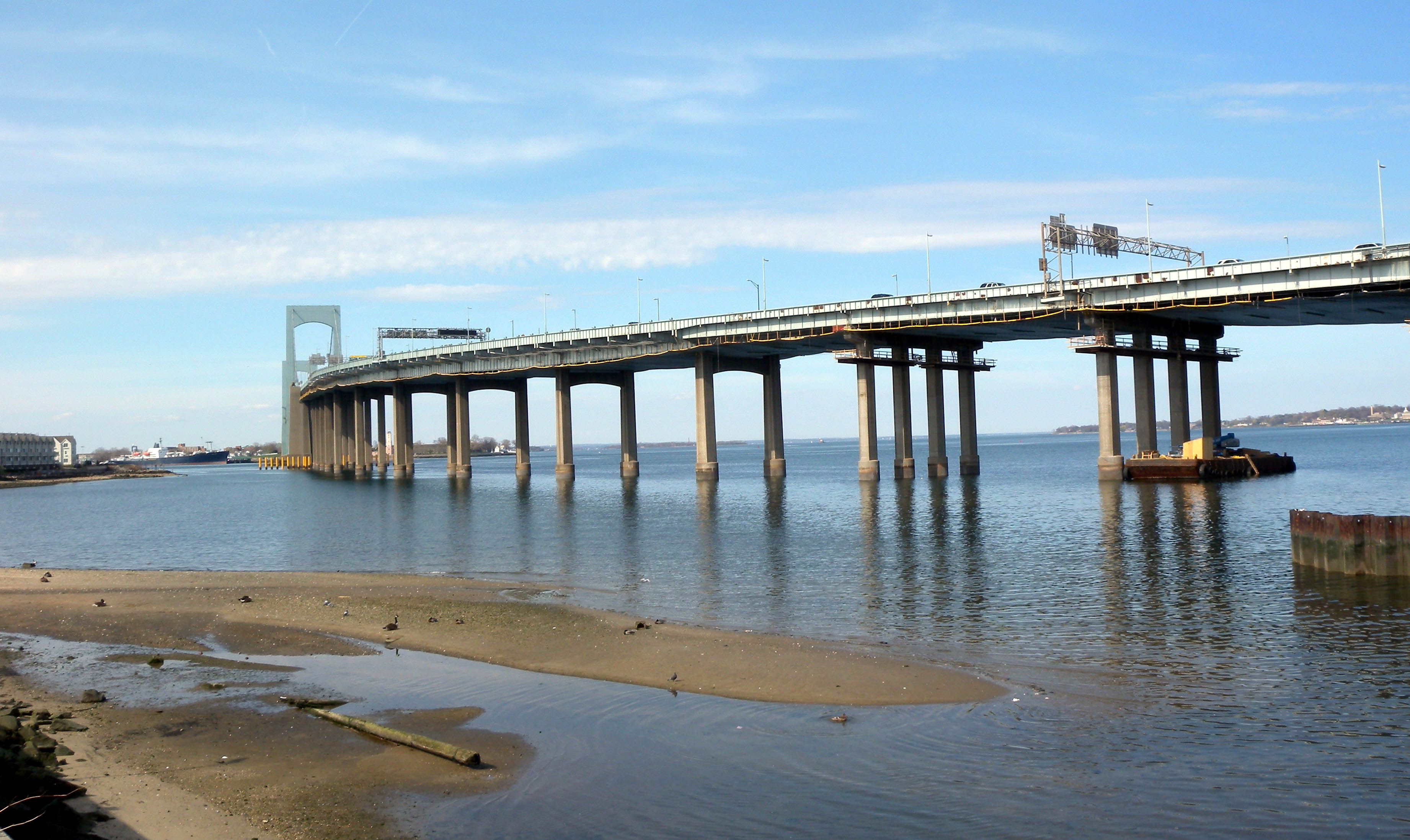
We route our teams to Beechhurst by car given the neighborhood’s highway access and the typical home size. The Whitestone Expressway provides direct access from LaGuardia Airport and the Grand Central Parkway corridor, which is where our morning runs often originate. We account for summer bridge traffic on the Whitestone and Throgs Neck approaches when scheduling weekend appointments. If you have a preferred arrival window, book it on our booking page and we will confirm before the appointment.
For co-op owners in Beechhurst Towers, we handle vendor paperwork through the building management office. If your board requires advance notice, a Certificate of Insurance, or a signed vendor agreement on file before anyone enters the building, tell us when you book and we will have everything coordinated before we arrive. This is routine for us in Queens co-ops and takes nothing extra on your end.
While we clean, here is how to use Beechhurst
A standard house cleaning on a two-story Colonial takes about three to four hours for a two-person team. That is a long enough window to make a full morning of it. Walk the length of Powell’s Cove Boulevard and back, which gives you water views in both directions and the most scenic residential street in this corner of Queens. The cove itself, the East River inlet where the neighborhood’s resort character was first established in the 1880s, is a quiet stretch of water that most New Yorkers have never seen.
If the timing is right, the Holy Trinity Greek Orthodox Festival in late summer draws the community and produces the most authentic Greek food available in northeastern Queens outside a private family kitchen. Clinton Restaurant, in operation since 1939 near the College Point border, serves the kind of red-sauce Italian-American cooking that sustained this neighborhood through multiple generations of change. No trends, no modifications, just baked ziti and the kind of portions that tell you the restaurant has never once thought about whether its portions should be smaller.
We also serve nearby Astoria, Long Island City, Forest Hills, Sunnyside, and the rest of Queens.