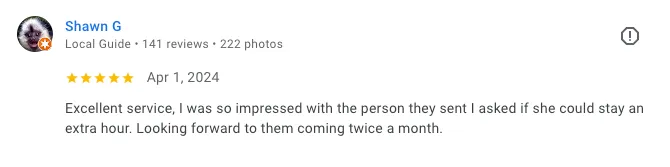

Floral Park sits at the eastern edge of Queens where the borough ends and Nassau County begins, and the dividing line is one of the most abrupt transitions in the entire New York metro area. Cross 243rd Street and the Queens row houses give way, mid-block, to Nassau Victorian single-family homes on wider lots with deep yards. The Queens side is dense, brick, and practical. The Nassau side is leafy, detached, and genteel. Between those two worlds, the Queens portion of Floral Park has carved out its own identity over a century: a neighborhood of homeowners, two-family attached brick homes from the 1920s through 1940s, and one of the most vibrant South Asian commercial corridors in the city running along Jamaica Avenue.
The housing stock that defines what cleaning actually means here
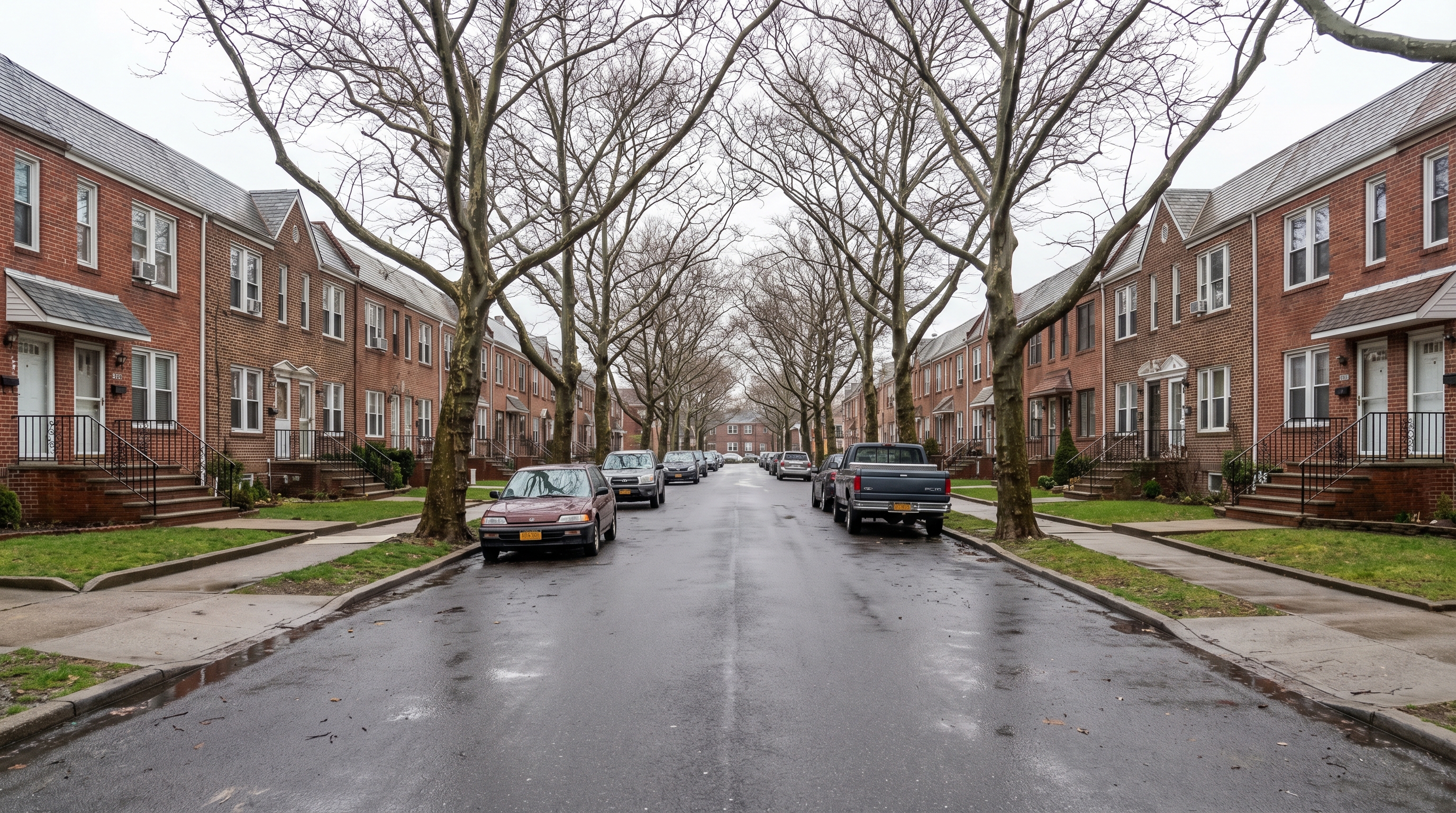
The dominant home in Floral Park is a two-story semi-detached or attached brick house built between 1920 and 1950. These homes were designed for families buying their first property, and they reflect that origin: practical, durable, and built to last with minimal fuss. The brick exterior is solid. The interior typically has hardwood floors on the main level, tile in the bathroom, and a rear yard accessed through the kitchen. Many were built or later converted to two-family use, with a separate rental unit above or below. Basements were finished in many cases, adding a usable room that families use as a playroom, second living space, or extra bedroom.
The cleaning job in these homes is specific to what they are. The hardwood floors are often original to the construction, which means they are decades of old-growth wood that has been refinished multiple times or, in some cases, covered over and recently uncovered. The original finish is frequently wax or shellac rather than the polyurethane on modern floors, and that matters a great deal when it comes to cleaning products. Water left sitting on a wax-finished hardwood floor will cloud and damage the finish. Vinegar, a common DIY cleaning recommendation, is acidic and will strip wax finishes over repeated applications. We use a barely damp microfiber mop and a pH-neutral hardwood solution formulated for older finish types.
The rear yards and front stoops are the other constant. These are not apartments with a controlled entryway where dirt arrives in limited quantities. They are houses with outdoor access where grass clippings, dirt, and debris track through the back door after the yard and through the front stoop after every rain. The entryways accumulate what the rest of the house multiplies. We address entry points first on every visit, clearing the tracked-in material before it migrates into the home.
Two-family homes present their own logistics. Many Floral Park homeowners live in one unit and rent the other, and maintaining both is part of how the mortgage gets carried. We clean both units with separate invoicing, and we coordinate the scheduling so the work happens on the same day when that is what the owner wants.
Deep cleaning in homes where serious cooking happens regularly
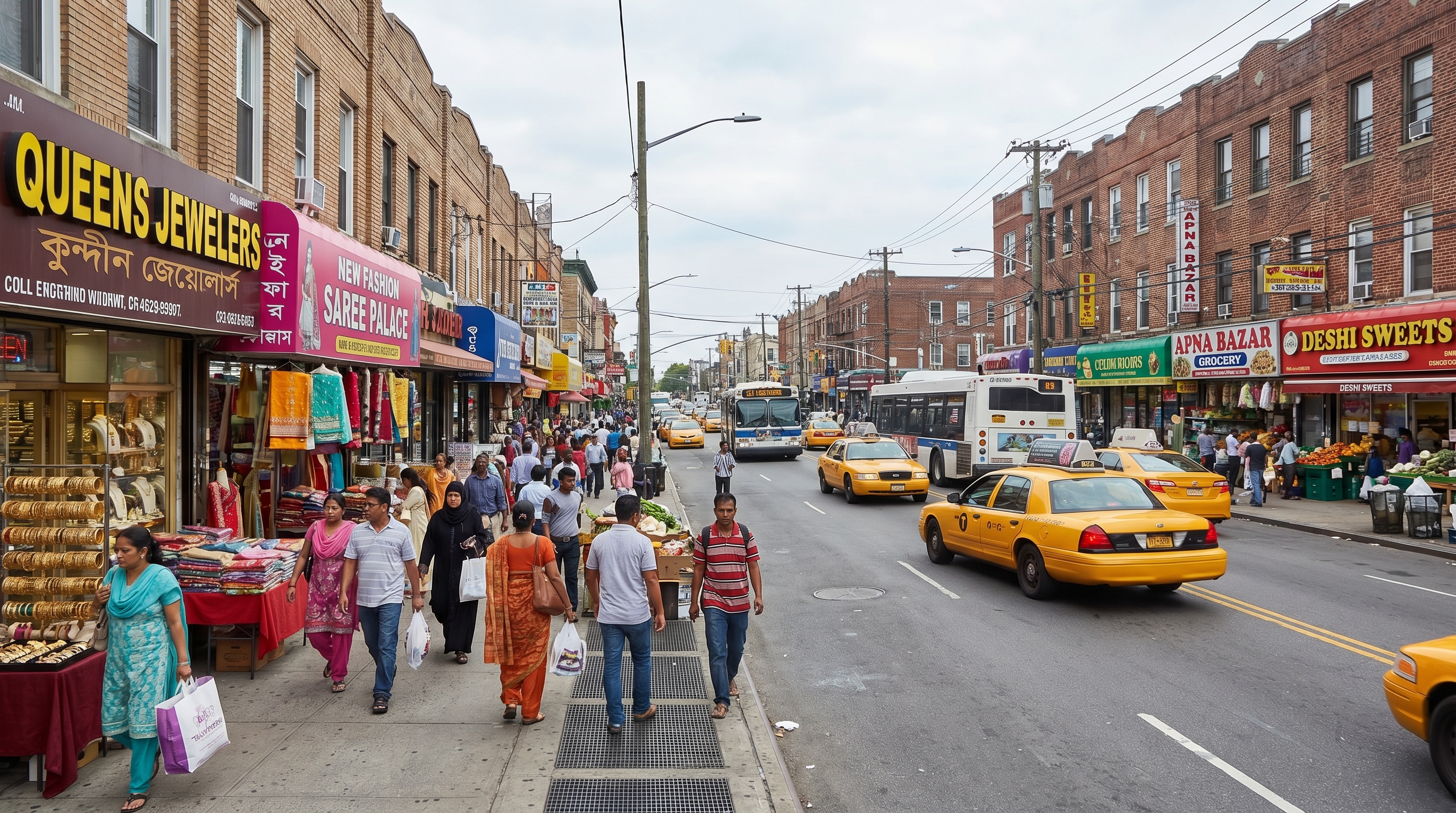
Jamaica Avenue runs through Floral Park as its main commercial spine, and the corridor is dense with South Asian grocers, halal butchers, and restaurants serving the Indian, Pakistani, and Bangladeshi households that make up the majority of the neighborhood’s population. Cooking in these households is not a weekend activity. It is daily, high-heat, oil-intensive, and produces the kind of kitchen buildup that standard cleaning products and quick wipes do not address.
Grease and oil films accumulate on range hoods, backsplashes, and the cabinet faces directly above the stove from regular frying and sauteing. Turmeric and other spice powders leave staining on countertop edges and backsplash grout that oxidize over time and require targeted cleaning. The underside of the range hood filter collects a concentrated layer of grease that a routine wipe will not penetrate.
Our deep cleaning service addresses all of this. The kitchen gets degreaser on the range hood underside, backsplash, and upper cabinet faces. Grout lines get a targeted treatment. The cooking surfaces that accumulate the heaviest residue get more time, not just a faster pass with the same product. If your kitchen sees serious daily cooking, a periodic deep clean keeps the buildup from becoming a renovation problem.
The LIRR makes Floral Park one of the better-connected eastern Queens neighborhoods
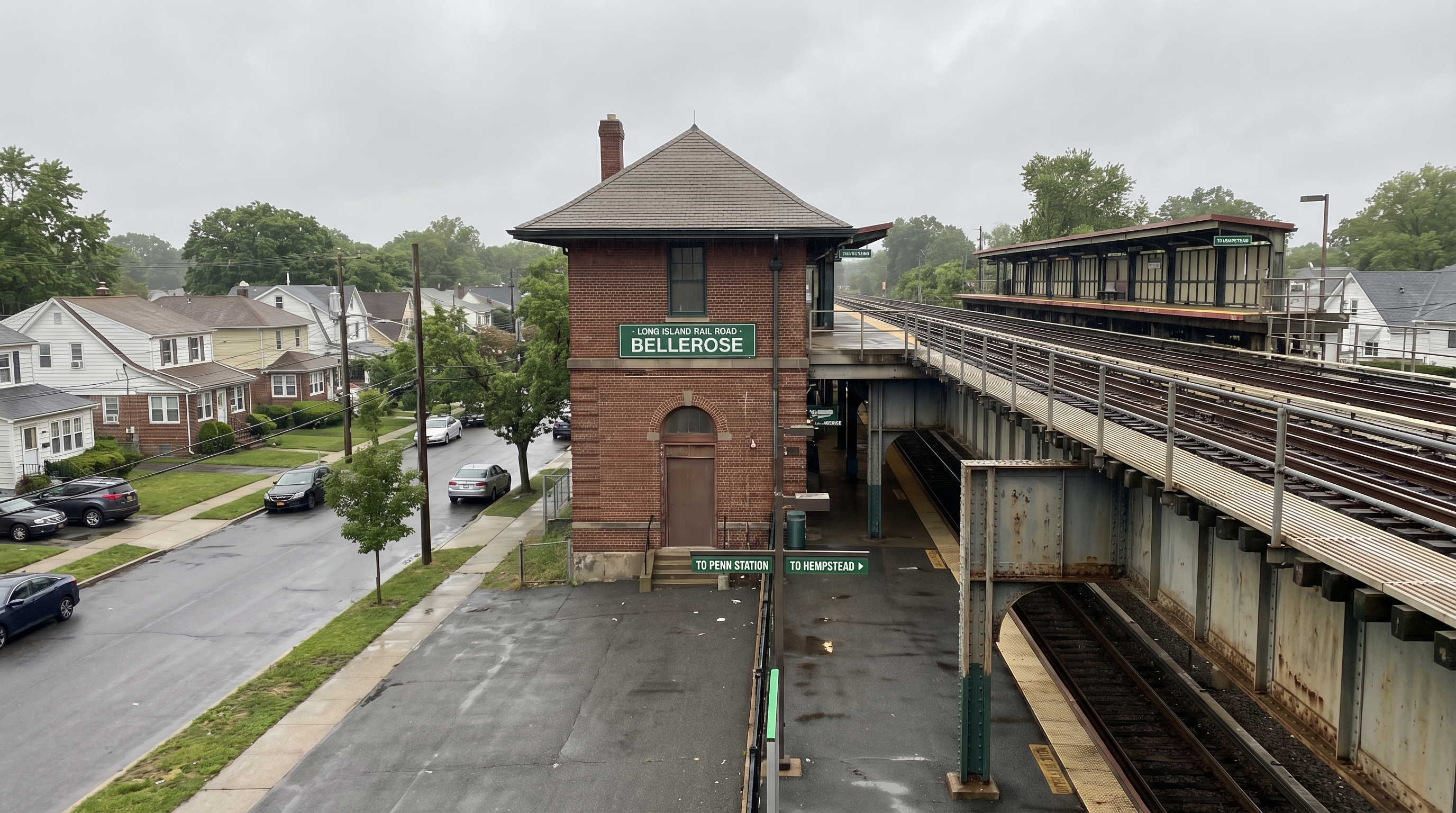
No subway line runs through Floral Park directly. The nearest subway hub is Jamaica Center, where the E, J, and Z trains meet, reached via the Q36 bus along Jamaica Avenue. For most residents, the more practical option is the Long Island Rail Road. The Floral Park LIRR station, on the Hempstead Branch, runs trains to Penn Station in approximately 28 to 32 minutes. That travel time is competitive with subway service from neighborhoods much closer to Manhattan.
Most Floral Park households own a car. The Van Wyck Expressway and Belt Parkway provide access to the broader metro area. Residents who commute into the city by rail tend to use the LIRR as their primary option and keep a car for everything else.
For cleaning logistics, the LIRR commuter pattern means that many homeowners are away from the home during the day on weekdays. Key arrangements and lockbox entry are standard for this neighborhood. We confirm entry and completion with a message when the team arrives and when they leave. The same team comes on recurring visits so the access arrangement stays consistent and does not need to be re-explained.
What cleaning in Floral Park actually requires
The homes we clean here are owner-occupied in the majority. Families who bought their homes, maintain them with care, and have strong opinions about how the house should be kept. The South Asian homeowners who make up the majority of the neighborhood today share that orientation with the Irish and Italian families who built the neighborhood in the mid-20th century: they take their properties seriously, they invest in maintenance, and they want cleaning done right rather than just done quickly.
We have cleaned over 100,000 homes across Queens, Manhattan, and Brooklyn, and eastern Queens homeowners are among the most consistent and longest-term clients we work with. The combination of homeownership, two-family rental income, and the density of the housing stock creates a steady market for both recurring cleaning and periodic deep service.
The typical Floral Park home gets a recurring house cleaning on a biweekly or monthly schedule, a deep clean before major holidays like Diwali or Eid when families host large gatherings, and a move-in or move-out cleaning when the rental unit turns over. We handle all three.
You pick your date and time on our booking page. The price is flat-rate and based on bedrooms, bathrooms, and whether you have a finished basement or rental unit. You see the price before you commit. Our cleaners are W-2 employees, vetted and insured, and they show up with the right products for older hardwood, tile bathrooms, and kitchens that see serious daily use.
Your cleaning takes about three hours so here is how to spend them
Walk Jamaica Avenue from end to end. The gold jewelry stores along the corridor carry more 22-karat gold per square foot than almost anywhere else in the city, and the window shopping alone is worth an hour. The South Asian sweet shops along the corridor sell ladoo, barfi, and gulab jamun made fresh, and most have a few chairs where you can sit with tea and watch the street.
If you want a different pace, walk across the county line. The Floral Park Village main street in Nassau County is a five-minute walk from the Queens side and feels like stepping into a different era. Victorian homes, tree-lined streets, a quiet commercial strip with a bakery and a coffee shop. The contrast with Jamaica Avenue two blocks back is one of the sharper experiences of two New York neighborhoods that share a name but almost nothing else.
We also serve nearby Bellerose, Little Neck, Fresh Meadows, and the rest of Queens.