
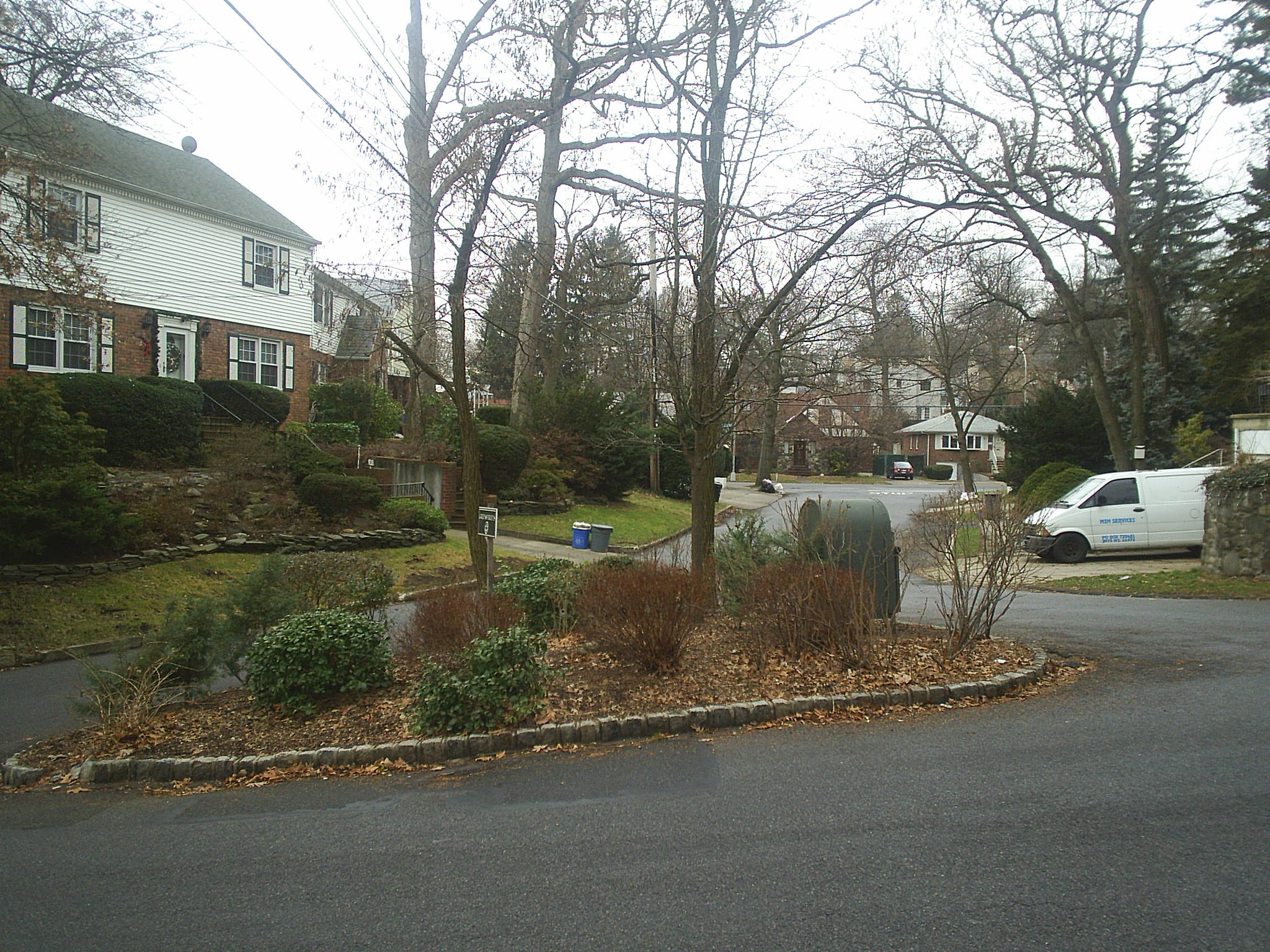
Holliswood is a neighborhood that was designed to be exactly what it still is. Quiet curvilinear streets lined with mature trees. Tudor Revival and Colonial homes set back on large lots with attached garages and front yards. No commercial activity inside the residential interior. No apartment buildings breaking the roofline. A homeownership rate among the highest in Queens. Professional families who chose this address specifically because it delivers stability.
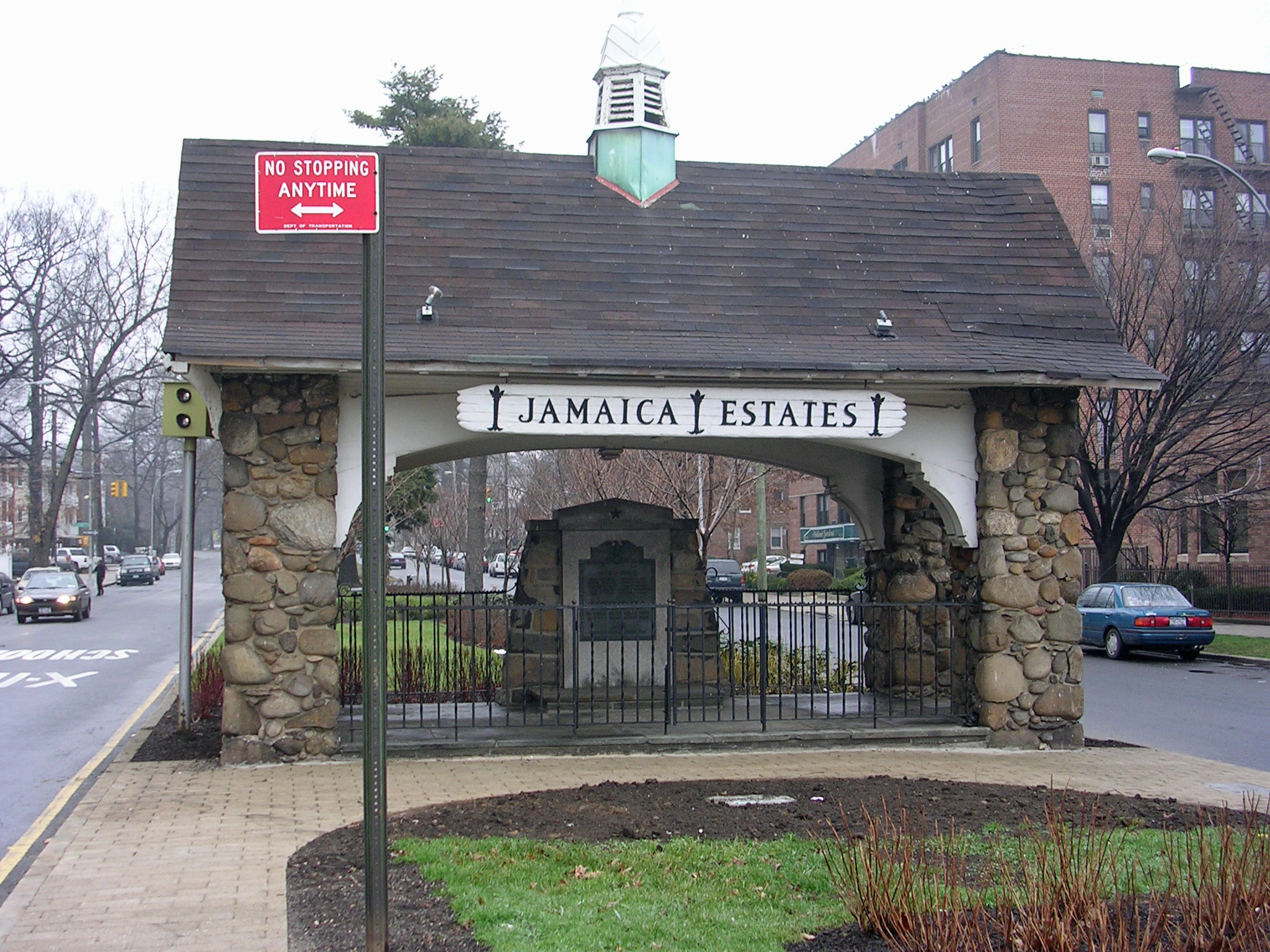
The Utopia Land Company built it this way at the start of the 20th century and called their principal road Utopia Parkway without any irony. They genuinely believed they were building a better kind of neighborhood, one that put commerce at the periphery and kept the residential interior free of the congestion and noise of the city. A century of demographic change later, that planning vision is still visible in every curved street and every mature oak canopy. Jewish families came first. South Asian professionals followed. Each generation was drawn by the same thing: a well-built neighborhood with good schools and housing that holds its value.
The housing stock that shapes every cleaning visit
Holliswood’s architecture is the fundamental fact. Approximately 75 to 80 percent of the neighborhood is detached single-family homes, the majority built between 1910 and 1945 in Tudor Revival, Colonial Revival, or Craftsman styles. These are full houses: two floors above grade, finished basements, attached garages, front and rear yards, and lots that run 50 to 60 feet wide and over 100 feet deep. The scale is closer to a Nassau County suburb than to a typical Queens address.
Inside these homes you find what was built to last. Original hardwood floors with wax finishes, not polyurethane. Plaster walls with decorative crown molding. Oak paneling in living rooms and studies. Tile fireplace surrounds. Steam radiators on every floor. Deep window wells. High ceilings with plaster medallions in older rooms. These are interiors where the wrong cleaning approach causes permanent damage, and where the right one preserves what cannot be replaced.
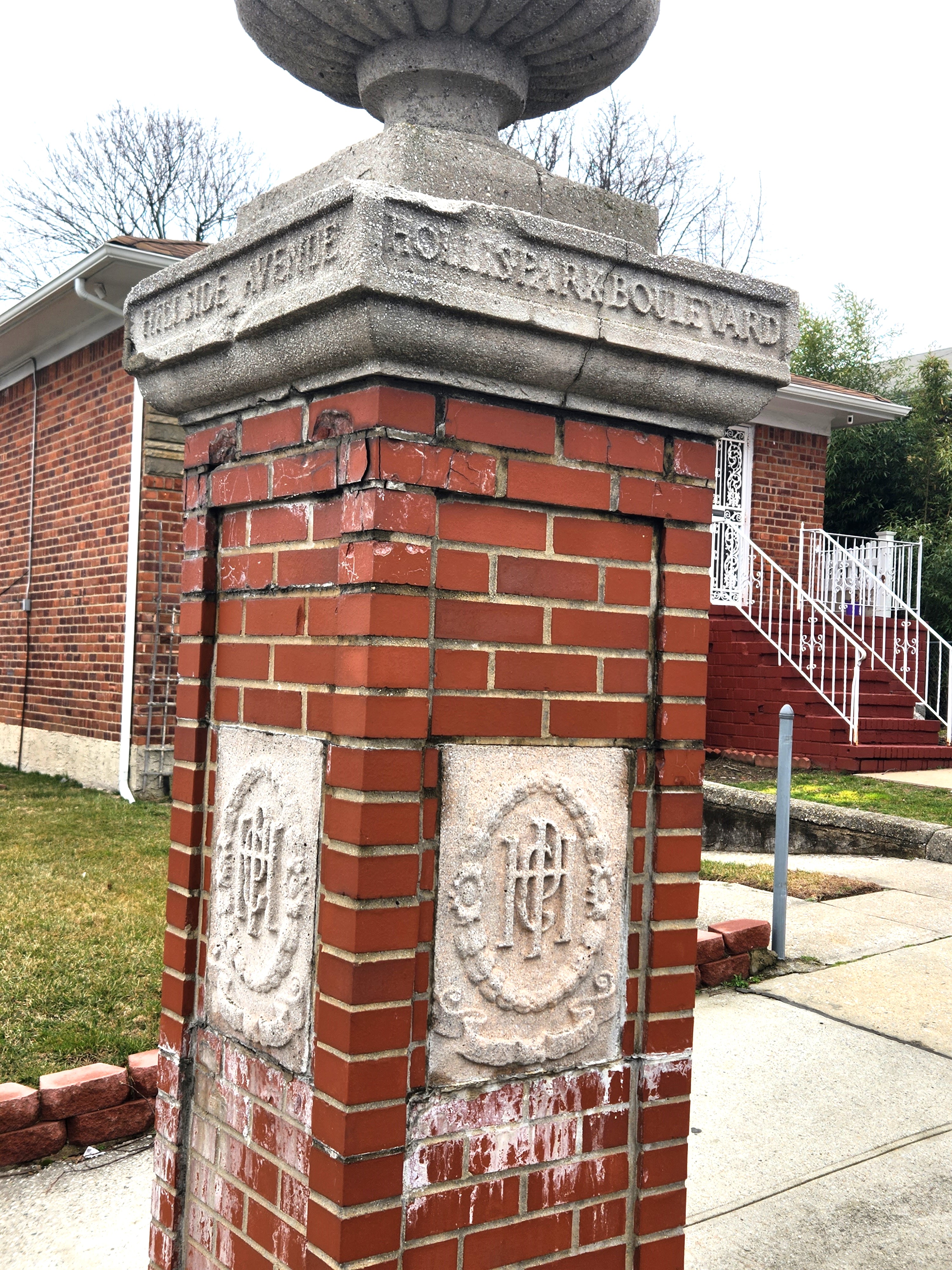
The two-family homes scattered through the neighborhood, roughly 15 to 18 percent of the stock, are typically a main house with a legal accessory unit. Separate entrances, separate schedules. The multi-family buildings are almost entirely absent from the residential interior and confined to the Hillside Avenue edge.
Tudor Revival interiors require surface-specific cleaning
A Tudor Revival home from the 1930s is not cleaned the same way as a renovated condo. The plaster walls require dry treatment: water marks do not come out, and abrasive contact damages the surface texture that has survived 90 years. Decorative plaster crown molding gets a soft brush, not a damp cloth. The oak paneling gets a dry microfiber wipe, never silicone-based polish that builds a cloudy film over time.
The hardwood floors in these homes are typically old-growth wood finished with paste wax, not the polyurethane coatings on modern floors. A wet mop ruins a wax finish. We use a barely damp microfiber mop and a pH-neutral wood cleaner. The radiators on every floor collect dust between their fins through the summer months and release it as a fine smoke-tinged smell when the steam heat kicks on in October. We wipe the covers, dust the grilles above them, and vacuum the floor around each unit so the summer load has less to build on.
Our house cleaning teams arrive with separate products for hardwood, stone, and plaster, and they know which surface they are standing in front of. That is not a standard assumption for a cleaning service. For homes this old, it is the basic requirement.
Kitchens in Holliswood homes get used
The South Asian professional community that now makes up roughly a third to forty percent of Holliswood’s residents cooks at home daily and seriously. Biryani, curry, masala preparations, frying. The grease load on a kitchen where South Asian cooking happens every night is different from a kitchen used for sandwiches and salads. Range hoods, cabinet faces, backsplashes, and the ceiling above the stove accumulate a film that a standard wipe-down will not penetrate.
We use a degreasing solution on every kitchen surface within six feet of the stove, pull the drip trays, and degrease the hood housing itself on every visit. If you want the oven interior done, add a deep clean and we handle the interior, the racks, and the broiler drawer. The Caribbean and Jewish households in the neighborhood have their own versions of high-use kitchens: Jamaican and Trinidadian cooking, slow-cooked oxtail and jerk preparations, Friday night preparations that produce a full week’s worth of cleanup in one evening. We clean what is actually there.
Joseph Cornell lived at 3708 Utopia Parkway for 43 years
One of the most important American artists of the 20th century made his entire body of work from a basement in Holliswood. Joseph Cornell moved to the house at 3708 Utopia Parkway in 1929 and stayed until his death in 1972. He cared for his mother and his disabled brother Robert in that house, rarely traveled, never owned a car, and rode the bus to Manhattan to collect the materials he used in his assemblages. Back in the Holliswood basement, he built his shadow boxes: glass-fronted constructions containing found objects, printed materials, mirrors, sand, and bird images that are now in the permanent collections of MoMA, the Smithsonian, and the Art Institute of Chicago.
Cornell became one of the central figures in American Surrealism and a touchstone for generations of artists who followed him, all while living in a modest two-story house on a quiet Queens street. The house was demolished in 2020 despite the efforts of art historians and preservation advocates. A new-construction single-family home now occupies the site. The address remains. Walking down Utopia Parkway today and knowing what happened in that basement changes how the street looks.
Deep cleaning and first visits for generational homes
Holliswood’s homeownership rate is among the highest in Queens, somewhere between 70 and 80 percent of occupied units. That means many of these homes have been in the same family for 20 or 30 years. The house has absorbed that tenure. Wax buildup on hardwood that has not been stripped since the last refinish. Radiator fins packed with dust from a decade of heating seasons. Kitchen cabinets with layers of accumulated cooking residue that surface wiping will never reach. Storage rooms that have not been fully emptied since the last renovation.
We call this a deep clean, and it is how every first visit to a home like this should start. Our team works room by room, top to bottom: ceiling fans and fixtures, crown molding, shelving, behind radiators and furniture, inside cabinets on request, and every baseboard. The first visit takes three to four hours depending on the house. After that reset, recurring house cleaning on a biweekly schedule is genuinely manageable.
For the rental side, we handle move-in and move-out cleaning for the two-family homes where tenants cycle in and out. That means inside all cabinets, appliance interiors, window tracks, baseboards, and every surface that the next occupant will encounter on day one. We have cleaned over 100,000 homes across New York City, and a two-family home in Holliswood with a tenant unit turning over is a job we can handle without being walked through it.
How the neighborhood runs without a subway
Holliswood is primarily a driving neighborhood. Most households have one or two cars. There is no subway station inside the neighborhood or directly adjacent to it. The F train at Jamaica-179th Street is about a mile and a half west, accessible by bus. The Q3 runs along Hillside Avenue and connects to Jamaica Station, where the LIRR provides Penn Station and Grand Central access in under 25 minutes. The QM1 express bus offers a direct Midtown connection along the Hillside corridor.
Our teams serving central Queens use the Q3 bus, drive directly, or connect through Jamaica Station. Many of our cleaners live in southeast or central Queens and know the streets. The absence of a subway does not affect our scheduling or pricing. We route around it the same way every Holliswood resident does.
What booking looks like
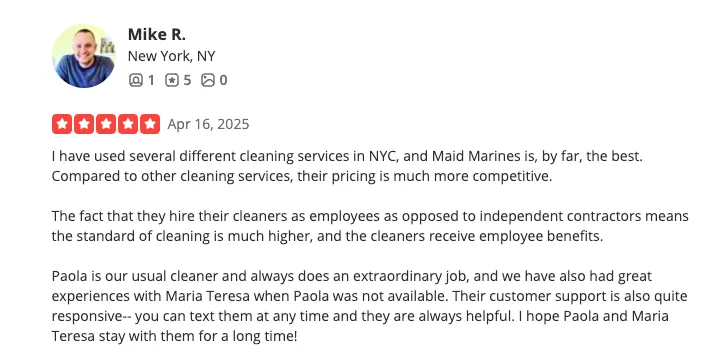
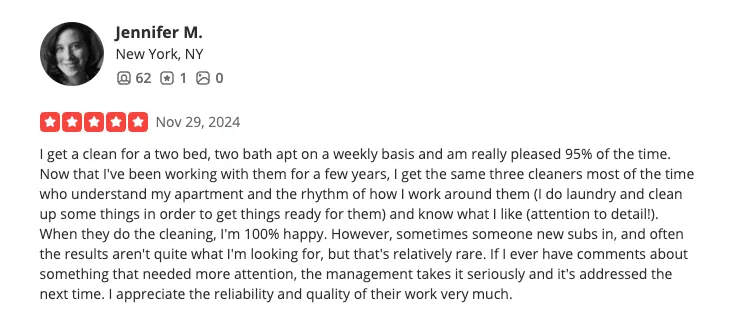
You pick your date and time on our booking page. You see your flat-rate price before you commit. If your Tudor Revival has surfaces that need careful handling, you tell us once and we note it permanently on your account. If your two-family home needs both units done, we set that up correctly from the first visit. Our cleaners are W-2 employees, not gig workers. They are vetted, insured, and they show up with the right products for your specific home.
We serve Holliswood and all of central Queens, including nearby Hollis, Jamaica, Forest Hills, and St. Albans.