
Jamaica has been the transit center of southeastern Queens for nearly 190 years, since the Long Island Rail Road first stopped here in 1836 and made it the hub around which the entire region organized. The E train terminates here. The J and Z trains run overhead on Jamaica Avenue. The AirTrain connects the station to every terminal at JFK in ten minutes. Over 100,000 homes across the ZIP codes 11432 through 11436 orbit this hub, and the people who live in them have a cleaning challenge that is specific to how they live: brick semi-detached homes built in the 1930s and 1940s with original hardwood floors, Caribbean and West African kitchens where the cooking is ambitious and the grease buildup is real, and the particular rhythm of a neighborhood where work starts early, commutes are long, and the last thing anyone wants to spend a weekend doing is cleaning the house.
The housing stock in Jamaica tells you exactly what it needs from a cleaning service
The dominant residential type is the interwar brick semi-detached home: two units stacked or side-by-side, owner-occupied above with a rental unit below, built between 1920 and 1955, with hardwood floors throughout, tile bathrooms, and the accumulated character of seventy or eighty years of continuous habitation. These are not open-plan modern apartments. They have dedicated dining rooms, enclosed kitchens, and bedrooms that each close off. The base moldings and window trim are original wood that scratches if you use the wrong cleaner. The bathrooms have hex tile on the floor and subway tile on the walls, set in old grout that reacts badly to acidic products. The kitchen backsplashes in homes where Caribbean and West African cooking has been the daily practice for decades have built up oil film in layers that a standard all-purpose spray barely addresses.
The detached Colonials and Cape Cods in Jamaica Hills, in the eastern section near Hillside Avenue, are a different conversation. These homes were built in the 1930s and 1940s for middle-class families and represent the most sought-after residential real estate in the neighborhood. They have full two-story layouts, basements that are often finished, and the kind of old-growth hardwood floors that do not tolerate moisture the way modern engineered wood does. The Jamaica Hills houses sit on real lots with yards that track in grass and garden debris from April through November. An entry area that is cleaned properly at the start of every visit matters here.
The newer mixed-use buildings near the Jamaica Center transit hub are a different category again. These are condos and rentals from the 2000s and 2010s, built to capitalize on the transit-oriented development rezoning. They have the amenities of modern construction, including lobbies with doormen or fob-entry, in-unit laundry, and open kitchens. The surfaces are contemporary: stone countertops, engineered floors, tile showers. The cleaning approach changes accordingly.
Protecting original surfaces in homes that have been standing for eight decades
The semi-detached homes that line the residential blocks of Jamaica are not difficult to maintain, but they require a team that pays attention to what they are made of. The hardwood floors in these buildings are old-growth wood, typically oak or maple, often with a wax finish rather than a modern polyurethane coating. Water left standing on a wax-finished floor will raise the grain and dull the surface. A steam mop will damage it permanently. We use a flat microfiber mop with a barely damp pad and a wood-safe pH-neutral cleaner. The floors get dried immediately. This is not a premium service option. It is the only approach that does not ruin a hundred-year-old floor.
The bathrooms in these homes are worth taking seriously. Hex tile from the 1930s and 1940s is ceramic, hard, and durable, but the grout lines are thin and often unsealed. Anything acidic, including vinegar-based cleaners, attacks old grout and turns a maintenance problem into a renovation problem. We use pH-neutral products on all tile surfaces in Jamaica’s older homes and avoid anything with bleach on colored grout that cannot be replaced without a full retile.
Our house cleaning service for Jamaica’s two-family homes accounts for the building’s full footprint. If you need both units cleaned on the same day, we schedule both in sequence. If the owner-occupied unit is on the upper floors and the rental unit below, we clean top to bottom within each unit and work in whatever order makes access easiest for you.
The kitchens in Jamaica run hot and need the right approach
Jamaica is a neighborhood where people cook. The Caribbean households bring jerk seasoning, curry, and the deeply aromatic spice blends of Jamaican and Trinidadian cooking. The West African households bring palm oil, dried fish, and the long-simmered stews of Nigerian and Ghanaian cuisine. The South Asian households along Hillside Avenue use turmeric, ghee, and mustard oil in quantities that leave their mark on every surface near the stove. The result is that range hoods, backsplashes, and upper cabinet faces in Jamaica kitchens accumulate grease at a rate that standard weekly or biweekly cleaning cannot always keep pace with.
For first-time cleanings and homes that have not been deep cleaned in six months or more, we recommend booking a deep cleaning as the starting point. A deep clean dedicates the time and the right products to the range hood interior, the backsplash, the stovetop grates, and the upper cabinet faces where airborne grease settles. The commercial-grade degreasers we bring for deep cleaning cuts through what all-purpose sprays leave behind. After that first deep clean, a standard recurring visit maintains the kitchen at a level that is genuinely clean rather than superficially presentable.
Jamaica is older than New York City and the evidence is still standing two blocks from the elevated train
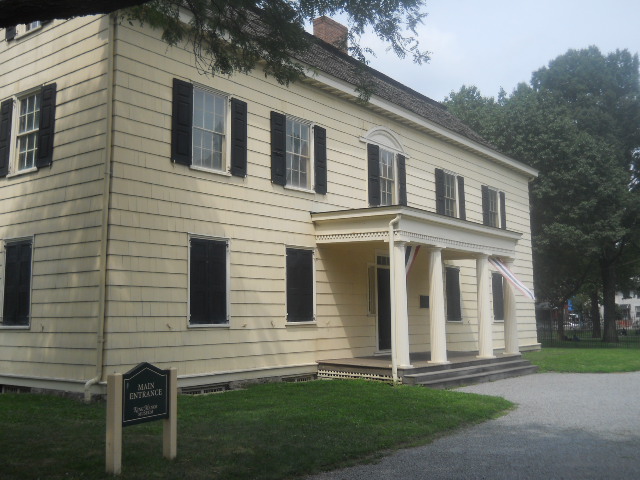
The English settlement at Jamaica was formally established in 1656. New York City as a consolidated entity did not exist until 1898. Jamaica served as the seat of Queens County government from 1683 to 1874, a stretch of 191 years during which it was the most important administrative and commercial center in the region. The physical evidence of this history is still present in the neighborhood. King Manor, the Federal-style estate of Rufus King, Constitutional Convention delegate and the first U.S. Senator from New York, survives at 150-03 Jamaica Avenue as a public museum. The Jamaica Cemetery, established in 1681, contains graves that predate the American Revolution and is still in active use. These colonial survivals make Jamaica unusual among Queens neighborhoods in having genuine pre-Revolutionary history that is physically intact.
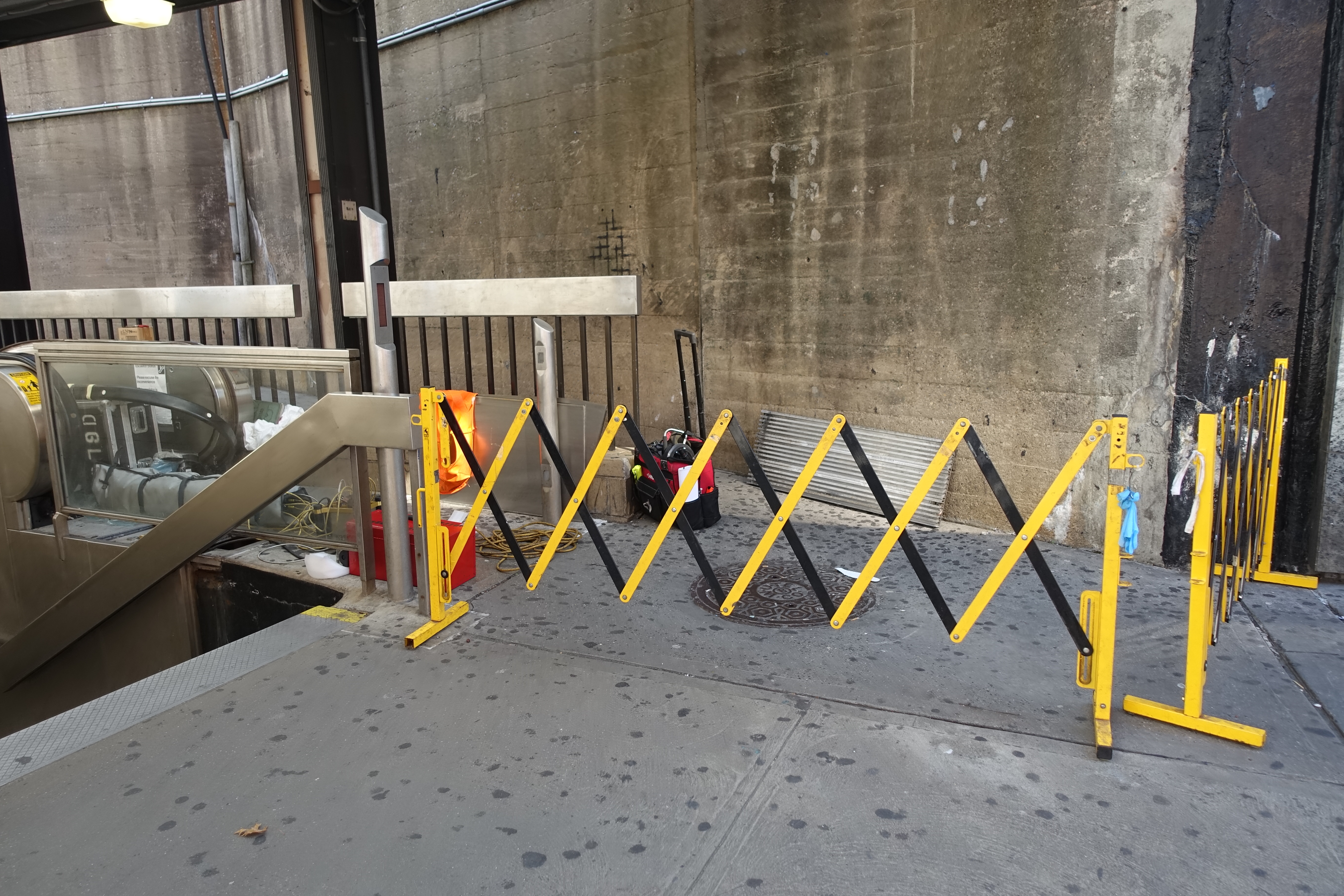
The Long Island Rail Road reached Jamaica in 1836 and permanently fixed the neighborhood’s identity as the transit hub of southeastern Queens. Every branch of the LIRR passes through Jamaica station. The AirTrain JFK connects that station directly to all terminals at JFK Airport. The E train terminates at Jamaica-179th Street. The J and Z trains run the elevated structure above Jamaica Avenue that has been overhead since 1918. The transit infrastructure that has been accumulating here since the railroad arrived nearly two centuries ago is now so concentrated that Jamaica station handles more passengers than many mid-sized American airports.
What it means to clean a home in a neighborhood built around movement
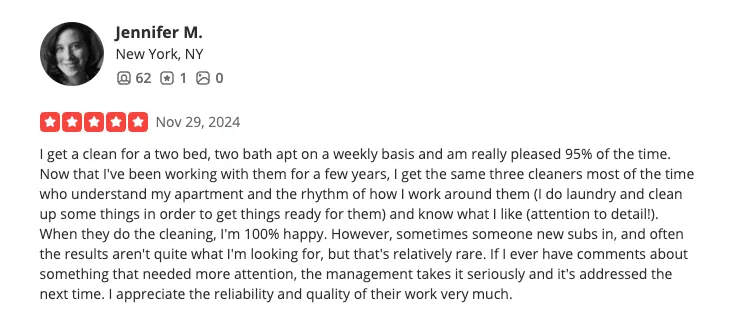
Jamaica is a neighborhood where people are in motion. The airport workers catching the AirTrain at dawn. The hospital staff rotating through Jamaica Medical Center’s shifts. The students commuting to and from York College. The LIRR commuters passing through from Nassau County and beyond. The households that power this neighborhood tend to be working-class and working hard, with long commutes and limited time. The value of a reliable cleaning service is not abstract here. It is a concrete trade: the two or three hours someone does not spend cleaning their house are two or three hours they get back from a schedule that does not have much slack.
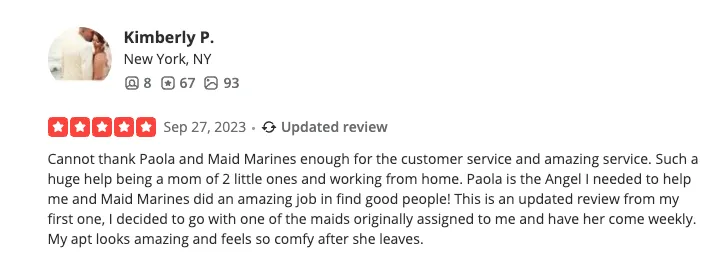
That is the practical argument for apartment cleaning or house cleaning in Jamaica, and it is the honest one. We serve over 100,000 homes in Queens neighborhoods including Jamaica, and the recurring clients we keep longest are the ones for whom consistency matters most. The same team, every visit, who knows where things go, knows what the kitchen needs, and shows up reliably so you do not have to think about it.
For clients who travel regularly for work using JFK, the access logistics are straightforward. A lockbox, a spare key held on file, or building authorization handles entry. You get a notification when the cleaning is complete. The home is done before you land.
Move-in and move-out cleaning for a market that turns over
Jamaica’s rental market is active. The transit hub draws airport workers, medical staff, and CUNY students who move in and out of the neighborhood’s apartment inventory regularly. Two-family home owners managing rental units below their own floor need those units properly cleaned between tenants. Landlords preparing a unit for listing on a competitive market cannot afford to show a home that has not been cleaned to a real standard.
Our move-in and move-out cleaning for Jamaica covers what a standard cleaning leaves out: the inside of kitchen cabinets, the refrigerator interior, the oven, the inside of closets, the window sills and ledges, and the bathrooms at a level that makes a unit genuinely rentable. If there is grease buildup in a kitchen that has been used hard for two years, we address it. If there is a bathroom that has not been properly cleaned since the last tenancy, we handle it. You get back a unit that is ready for the next tenant or ready for sale photographs.
Your cleaning takes about three hours so here is how to spend them in southeastern Queens
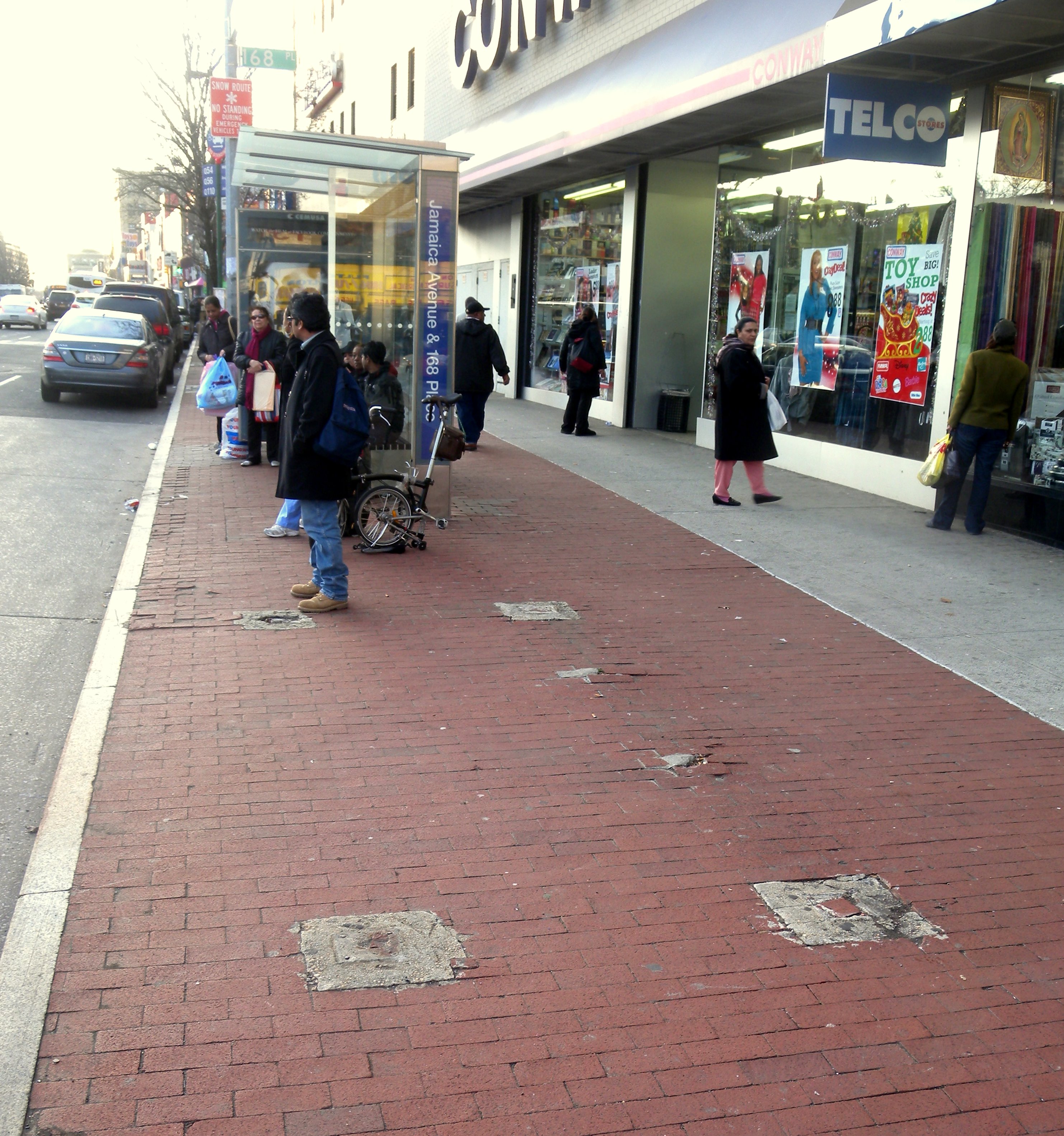
Jamaica Avenue has been the commercial spine of southeastern Queens for over a hundred years. The elevated J and Z trains overhead, the mix of Caribbean bakeries, African-owned restaurants, West African groceries, South Asian sari shops, and national chain stores give the street a density and a layered quality that is genuinely interesting to walk. Go slowly and look up at the early-20th-century commercial buildings above the chain store signage. The brick facades with cast-iron columns and decorative cornices tell you how seriously people took Jamaica Avenue when they built it.
King Manor is a five-minute walk from the Jamaica Center subway station and worth more time than most people give it. The Federal-style manor house with its colonial gardens sits inside a public park and operates as a history museum. The grounds alone are worth a walk. The Jamaica Cemetery directly nearby, founded in 1681, is one of the quietest places in southeastern Queens.
If you want to eat, walk Liberty Avenue for Jamaican, Haitian, and Caribbean food, or take Hillside Avenue east toward the South Asian corridor for roti and doubles. If you want to be outside without a destination, the walk between Jamaica Center and York College along Sutphin Boulevard is an active street with the energy of a working-class urban boulevard that has been at the center of things for a very long time.
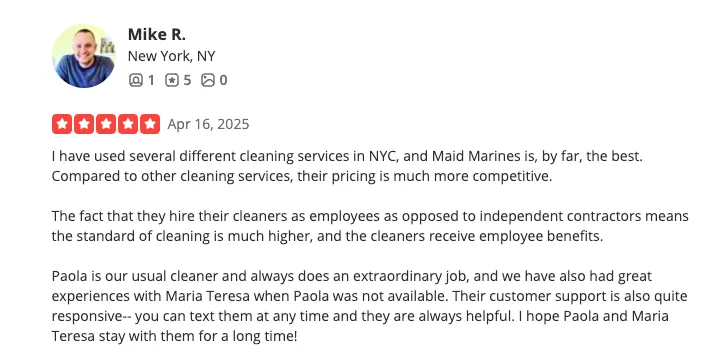
You pick your date and time on our booking page and see your flat-rate price before you commit. Our cleaners are W-2 employees, vetted, insured, and assigned consistently to your home so the same team comes every time. We also serve nearby Hollis, St. Albans, Laurelton, and the rest of Queens.