
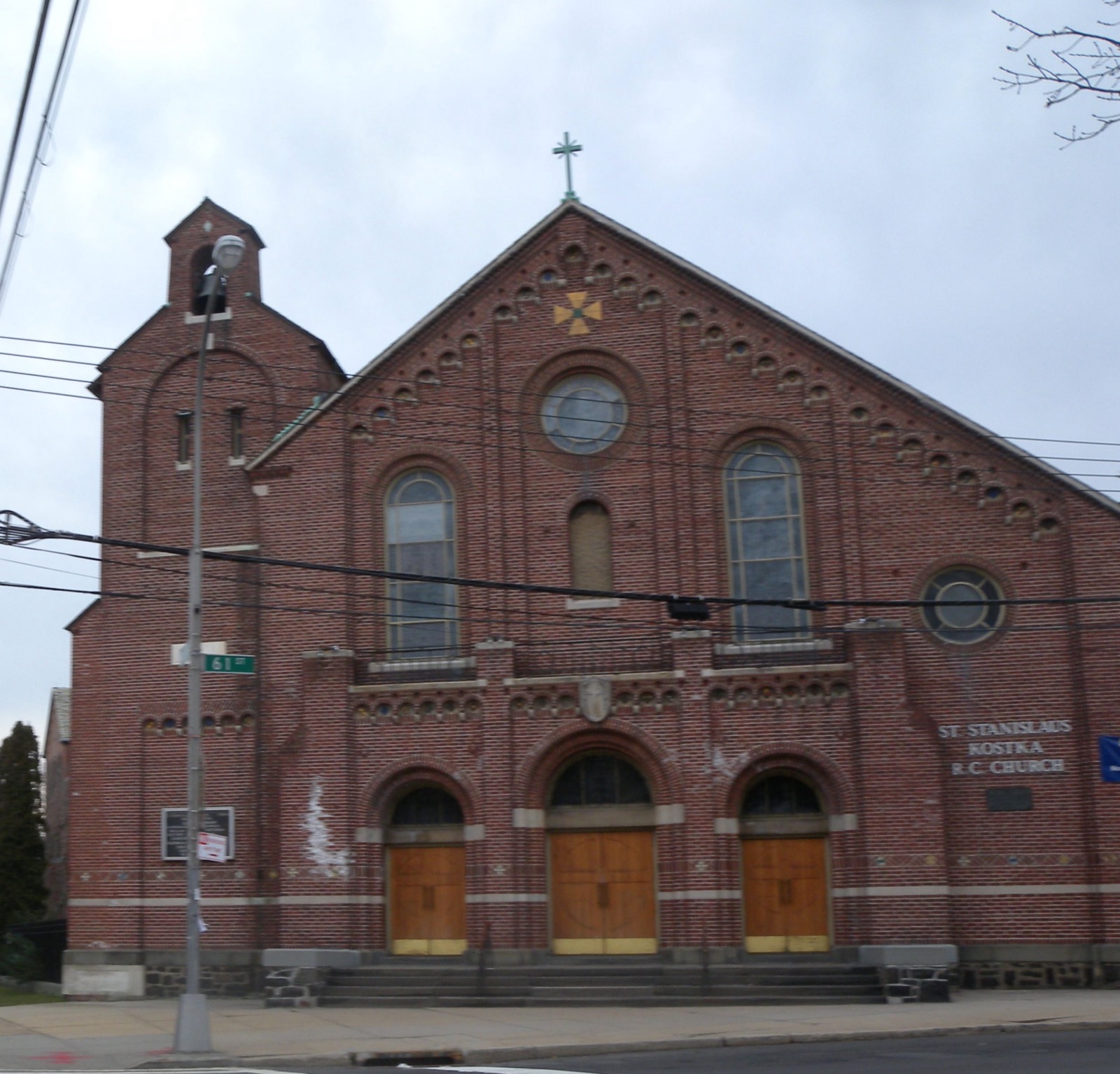
Maspeth has been a working-class homeowner neighborhood since the 1910s, and the two-family attached brick row houses that fill its residential blocks have been handed down through families long enough that maintaining them properly is not a preference but an obligation. The homes on 69th Street and Maurice Avenue and the side streets behind Grand Avenue look the way they do because the people who own them take that seriously.
The housing stock in Maspeth requires cleaning teams that understand brick row houses from the inside out
The dominant building type here is the two-family attached or semi-detached row house built between 1910 and 1940 in brick, two or three stories with a full basement, a small front yard or stoop, and in many cases an attached garage on a narrow lot. These homes were built for working families and they have been maintained by working families ever since. The quality of the original construction was high, and the generations of ownership that followed preserved it.
Cleaning these homes means understanding what is inside them. The hardwood floors in a 1925 Maspeth row house are almost certainly old-growth, finished with paste wax rather than polyurethane, and they will cloud or streak if you clean them with the wrong product. The tile in the bathrooms is often original prewar ceramic with sanded grout that cannot tolerate acid. The kitchens are small and well-used, with range hoods and backsplash surfaces that accumulate grease from daily cooking and require a degreaser, not a general all-purpose spray.
Steam-heat radiators in these homes collect dust between their fins over the summer and burn it off when the heat kicks on in October, filling the apartment with a particular smell that tells you exactly when the last cleaning happened. Through the summer we dust the radiator covers, the enclosure tops, and the vents above them on every visit, so there is less loose dust in the room waiting to settle there before heating season. It is not the part of the job that is most visible, but it is the part that changes how the home feels for the first week of cold weather.
The finished basements that many Maspeth homeowners use as separate living spaces or tenant units add a full floor to the cleaning scope. These spaces often have concrete or vinyl tile floors, lower ceilings, and different dust and moisture dynamics than the floors above. They need the same attention as the rest of the house, not an afterthought pass at the end of the job.
Two-family homes are a specific kind of property that most cleaning services do not handle well
In Maspeth, roughly half of all homes are two-family. The owner occupies one unit and rents the other, or extended family occupies both. This is one of the oldest housing arrangements in western Queens and it produces a specific set of cleaning logistics.
Two units in the same building may have entirely different cleaning schedules. The owner-occupied floor may need weekly service while the rental unit needs a thorough deep cleaning between tenants. One unit may have young children while the other is a retired couple. The basement, if finished, may belong to one unit or be shared. The yard, if there is one, complicates the picture further.
We handle this regularly. You tell us the size and configuration of each unit when you book your cleaning, we price the full scope accurately before you commit to anything, and we send the right size team for the total job. If you need one unit cleaned weekly and the other less frequently, we set up two separate recurring appointments. If you need the whole building done before a new tenant moves in, that is a single move-out and move-in job with an appropriate crew.
The rental market in Maspeth is active. Two-family row houses change tenants with some regularity, and a proper move-in and move-out cleaning covers every room top to bottom including the basement: inside all empty cabinets and drawers, inside the refrigerator and oven, all bathroom fixtures, baseboards, and window sills, with interior glass available as an add-on on the same booking. In a multi-floor row house that is a significant scope of work, and we schedule time accordingly rather than sending one person to rush through it.
Cleaning in a neighborhood where homeownership is a multigenerational commitment
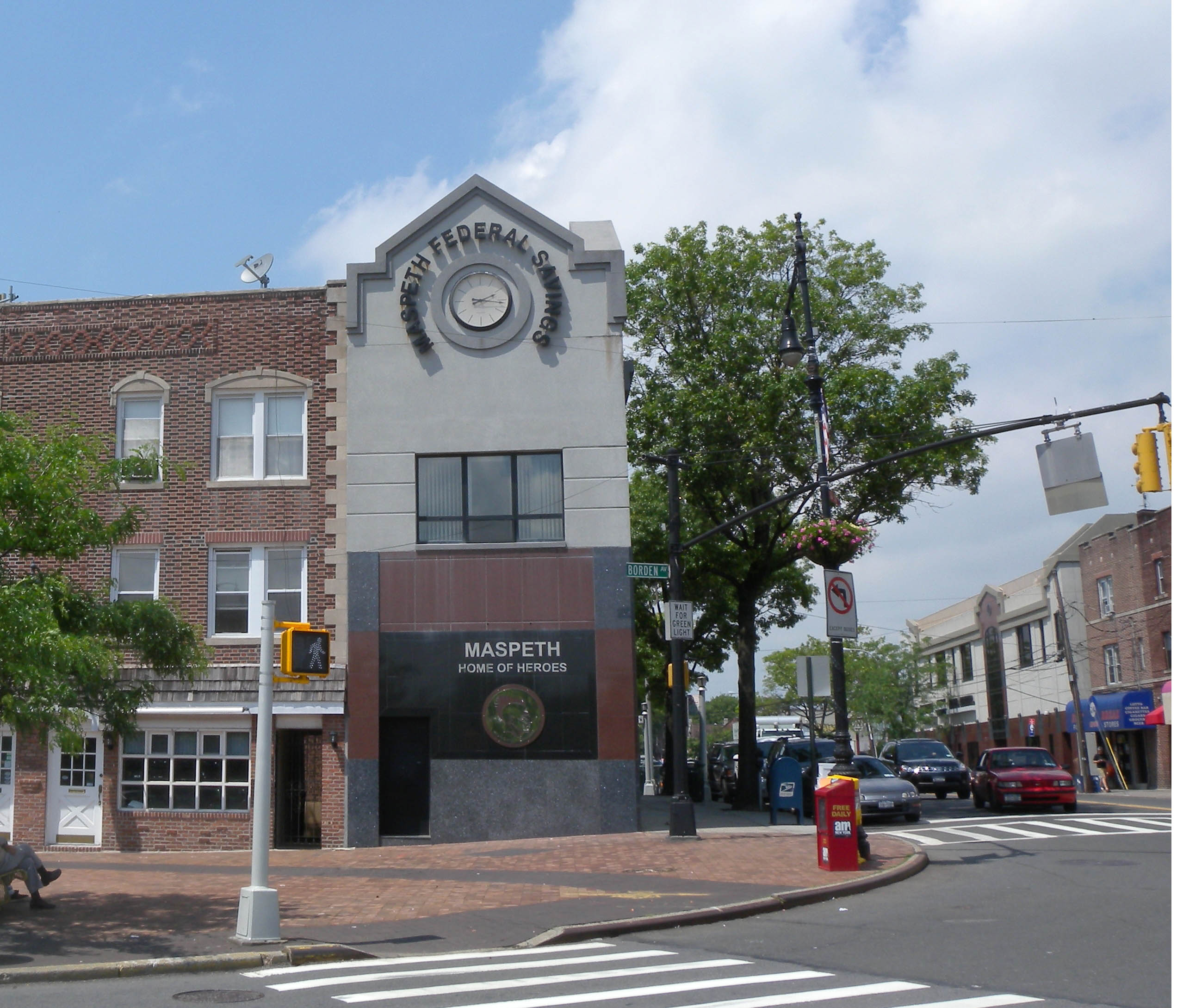
Maspeth has one of the highest homeownership rates in Queens, somewhere between 45 and 52 percent of households. That number matters for how the neighborhood looks and how the people in it think about maintenance. When your family has owned the same brick row house for three generations, the standard for what counts as clean is not casual. The neighbors notice. The block association notices. The homeowner notices.
This is a neighborhood where people wash their stoops and sweep their sidewalks and maintain their facades without being asked. The social fabric reinforces this, because the Italian-American and Polish and Eastern European communities that built Maspeth brought with them a culture of property maintenance as a moral obligation, not just a preference. You take care of your house the way you take care of your family. That standard is not rhetorical here.
It is also a neighborhood where people do not have unlimited time. The working-class employment base of Maspeth, trades, civil service, logistics, construction, means that the people who own these homes get up early and come home tired. A professional cleaning service that shows up reliably, uses the right products for the specific surfaces in an older brick home, and leaves the place genuinely clean is not a luxury for these households. It is a practical solution to a real problem.
We cover all of western Queens and have cleaned over 100,000 homes across New York City. Our teams arrive by bus or car depending on the day, bring everything with them, and do not need you to manage the logistics. You hand off a key or leave a lockbox code, tell us the access situation once, and come back to a clean house.
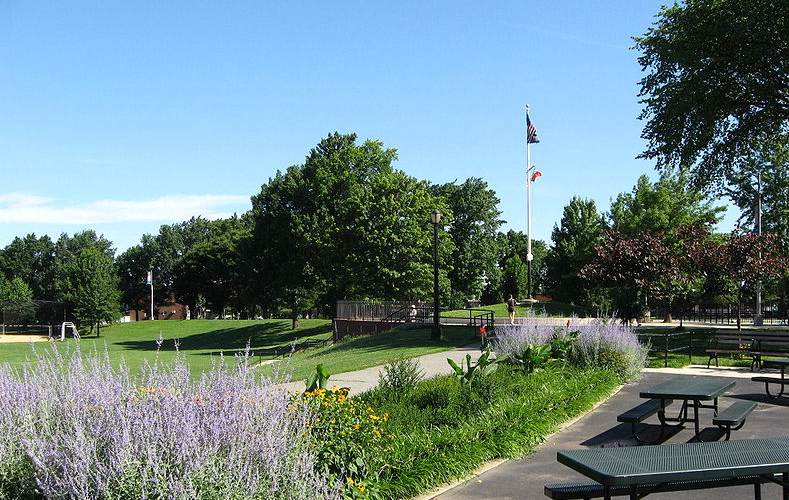
While your home is being cleaned, here is where to spend the time in Maspeth
Juniper Valley Park at the Middle Village border is the neighborhood’s primary green space, 55 acres with a running track, athletic fields, playgrounds, and enough mature trees to make the summer heat tolerable. Walk the perimeter and you will cover about a mile and a half. It is the right size for a real walk without leaving the neighborhood.
Grand Avenue is worth the length of it. The commercial strip between 69th and 72nd Streets has a Polish deli, Colombian restaurants, Italian-American spots that have been in the same location for decades, a diner open from early morning, and the kind of small family-owned hardware store that is not common anywhere in New York City anymore. Sorriso Ristorante on Grand Avenue has been a neighborhood institution long enough that regulars have their regular orders, and the kitchen cooks Italian-American food the way it was meant to be cooked, not the way a food critic wants it photographed.
If the cleaning is running longer than expected, St. Joseph Church on 57th Avenue is worth a few minutes even if you are not religious. The surrounding residential blocks show what a neighborhood looks like when the people on it have been invested in it for three generations. It is a visual argument for homeownership and maintenance that no urban planning document has managed to make as clearly.
How the house cleaning process works for a typical Maspeth home
You pick your date and time on the booking page. You see your flat-rate price before you commit. A two-family row house with a finished basement will price differently than a ground-floor apartment, and the number you see reflects the actual scope of the job. No surprises, no upcharges on the day.
Our cleaners are W-2 employees, not gig workers. They are vetted, insured, and they arrive with the right products for your specific home. The hardwood floors get a wood-safe cleaner. The original tile gets pH-neutral product. The range hood gets a degreaser. The radiators get a brush between the fins before heating season. These are not special requests. They are what the job requires in a prewar brick row house, and they are what we do.
If your building or your home has specific requirements, whether that is an entry code, a particular key arrangement for a two-family with separate entrances, or a preference for certain products, you tell us once and it stays on the account. We also serve nearby Sunnyside, Long Island City, and Astoria and the rest of western Queens.