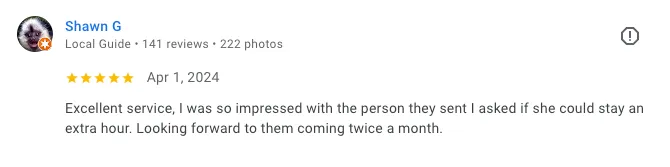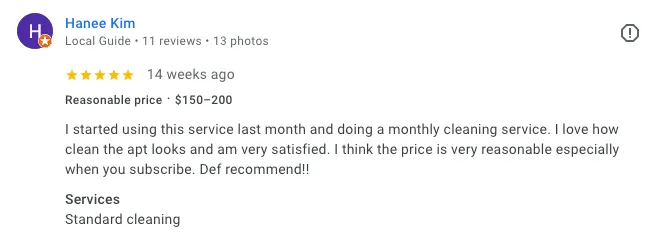

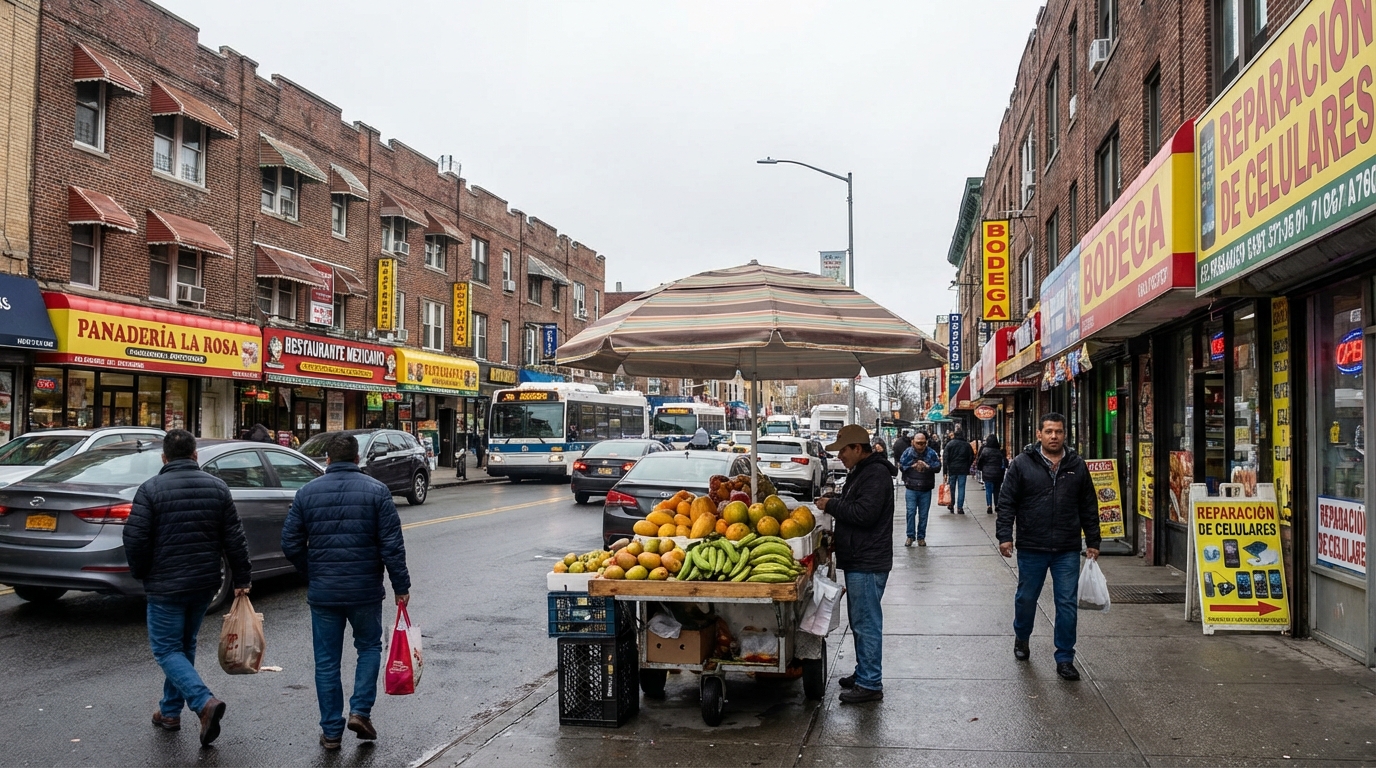
North Corona is one of the most densely populated neighborhoods in Queens and one of the least written about. It occupies a compact slice of the borough between Northern Boulevard and the Long Island Expressway, between Junction Boulevard and the transition into Corona to the east. The neighborhood does not appear on most visitors’ itineraries and it does not seek their attention. What it has, in abundance, is people: approximately 45,000 to 55,000 residents in roughly 1.5 square miles, a working-class Mexican and Ecuadorian community that built a self-sufficient neighborhood over the past fifty years, and a housing stock of two-family brick homes and pre-war walkups that houses all of it.
For the families who live here, the question of who cleans their home is a practical one. The housing in North Corona is not amenity-rich or architecturally remarkable, but it is theirs, and they maintain it with the same care and pride found in any working homeowning community. Two-family homeowners, rental tenants in pre-war walkups, extended families sharing three-story brick houses — all of them share the same problem: keeping a home clean while working, raising children, cooking real food, and managing the accumulated demands of daily life in a dense urban neighborhood.
The housing stock and what it takes to clean it
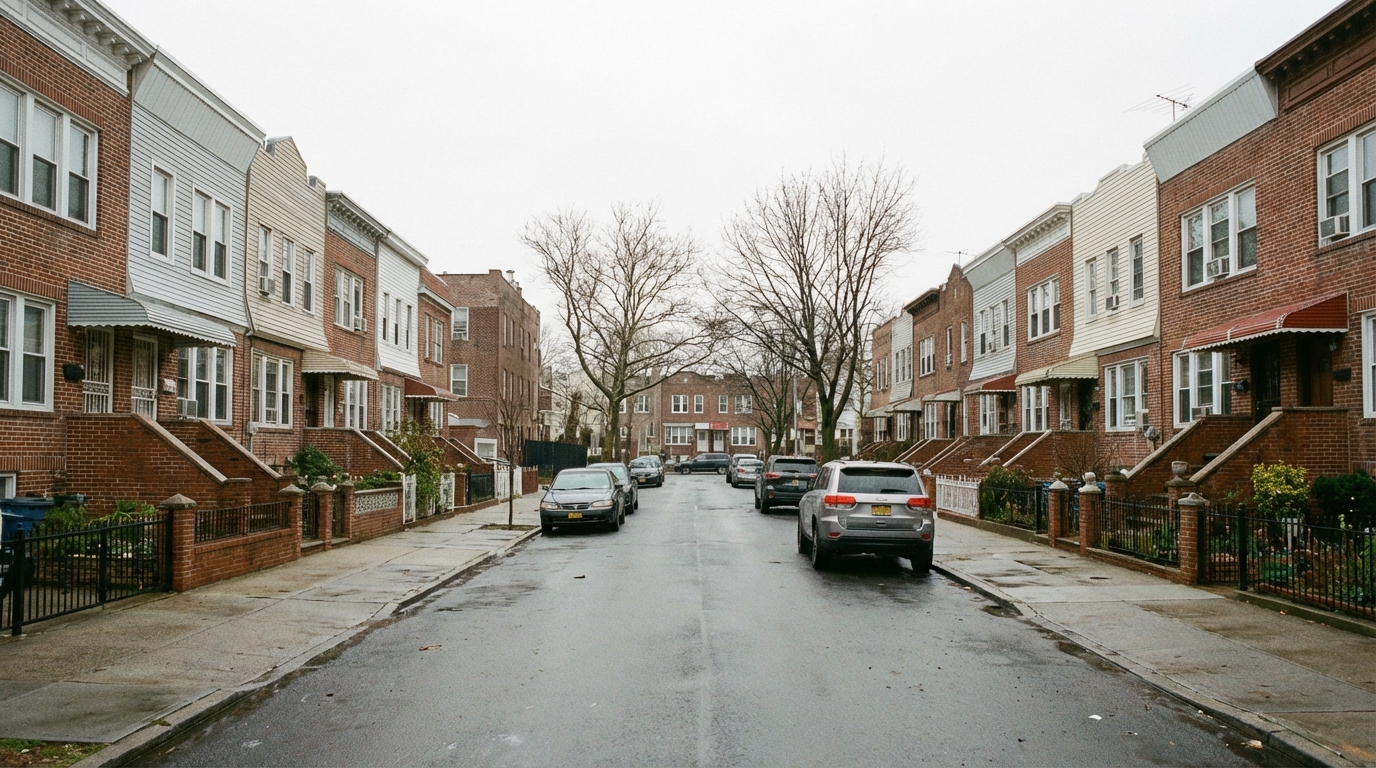
The most common building type in North Corona is the attached two-family or three-family brick house, built between 1920 and 1955, two or three stories above grade with a common entryway and separate units stacked on each floor. These buildings are the backbone of the outer Queens housing stock. They were built to be functional and durable, not decorative. The facades are brick, often covered in vinyl or aluminum siding from mid-century renovations. The staircases are narrow. The kitchens are small and tight. The bathrooms, in most cases, reflect the fixtures and tile of their era.
Cleaning these homes requires moving between surfaces that are worn in distinctive ways. The stovetop in a household that cooks three meals a day, with traditional Mexican and Ecuadorian recipes that involve rendered fats, spices, and long cooking times, accumulates grease at a rate that is different from a kitchen used for occasional light cooking. The tile grout in a bathroom shared by an extended family absorbs soap residue, mineral deposits, and mildew faster than in a single-occupancy unit. The floors in high-traffic entryways carry the dirt and grit of a New York City street indoors.
Our house cleaning teams arrive with the supplies and the knowledge to handle all of it. They clean top-down so dust falls to surfaces that have not been cleaned yet. They bring separate products for grease on kitchen surfaces versus soap scum on bathroom tile versus general dust on living room furniture. Nothing in this housing stock requires specialized historic preservation knowledge, but it does require thoroughness and speed in conditions where square footage is modest but use intensity is high.
Pre-war walkups along the commercial corridors
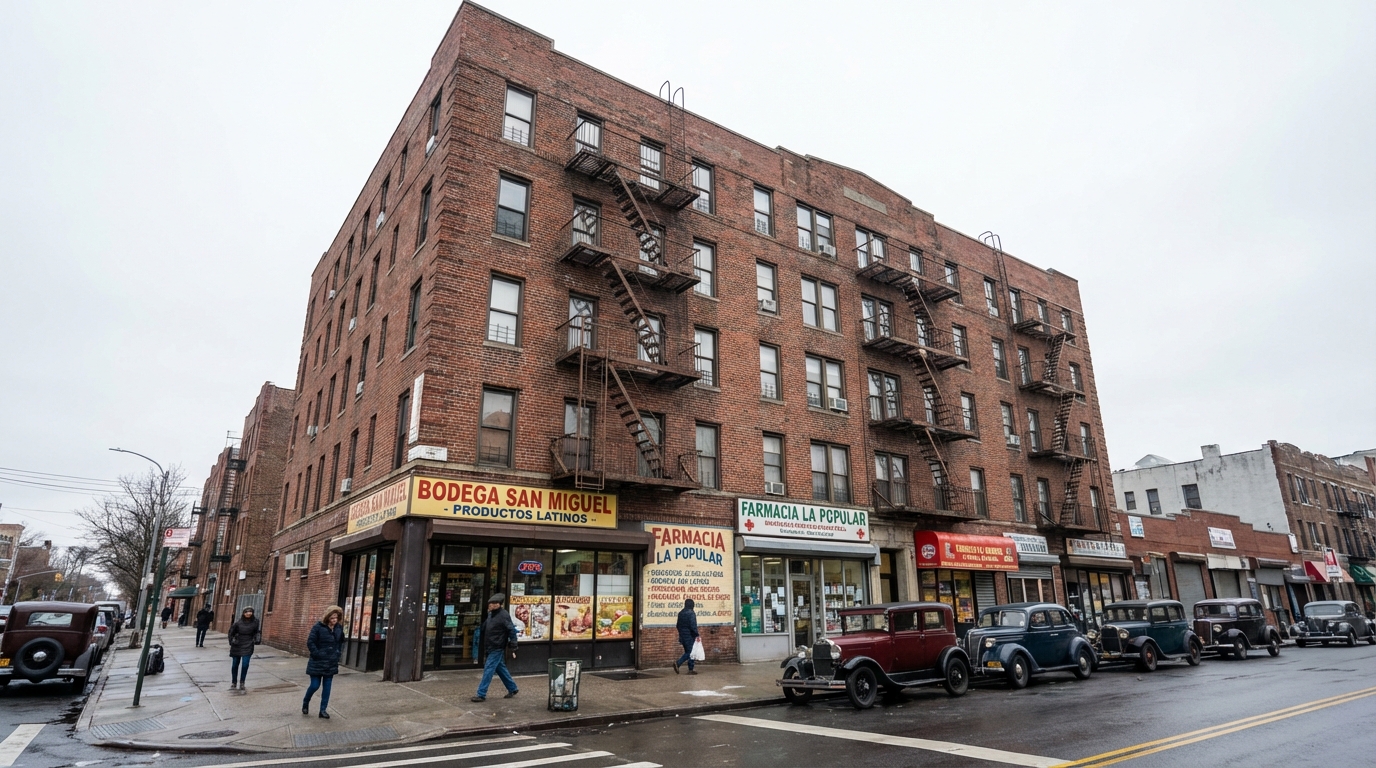
Along Northern Boulevard, Roosevelt Avenue, and Junction Boulevard, the housing shifts from attached houses to four-to-six-story pre-war brick apartment buildings constructed in the 1920s and 1930s. These buildings provide the majority of rental housing in the neighborhood. They are walk-up construction, no elevator, with three or four apartments per floor accessed from a common stairwell. Units typically run 600 to 900 square feet with a narrow kitchen, a single bathroom, and one or two bedrooms.
In many of these buildings, the units house more people than their original design anticipated. Extended immigrant families share apartments. Rooms that were designed as living rooms function as additional sleeping spaces. The wear on these units reflects the intensity of that use: kitchen surfaces receive heavy cooking traffic, bathroom fixtures are used by larger groups, and the general cleaning demand per unit is higher than in buildings with smaller households.
For apartment cleaning in these buildings, the constraints are predictable: no elevator means carrying supplies up four flights, small kitchens require careful movement to access all surfaces, and narrow bathrooms with original tile require specific products that will not damage the grout. We have cleaned in enough of these buildings across Queens to know exactly what we are walking into.
What the neighborhood demands from a cleaning service
North Corona’s residents work service industry, construction, food service, and childcare jobs across the city. The morning commute from Northern Boulevard and Junction Boulevard is a tide of workers heading to Manhattan and the broader metro area. What they come home to, after a shift that may run ten or twelve hours, is a household that needs to function without requiring a second full-time job to maintain.
The practical argument for professional cleaning in North Corona is not the same as it is in a wealthier neighborhood where the selling point is luxury. Here, it is about time and capacity. A two-family homeowner managing a tenant relationship upstairs while raising a family downstairs does not have the three hours on a Saturday morning to do what a trained cleaning team does in two. A family with three school-age children where both adults work full schedules has a kitchen that generates real cooking mess daily and a bathroom that cannot wait until the weekend.
We have cleaned over 100,000 homes across New York City, and the households in outer Queens working-class neighborhoods like North Corona are where the math of professional cleaning makes the most unambiguous case for itself. The time it takes to clean is time subtracted from work, family, or rest. We handle the cleaning. Everything else is yours.
Moving in and moving out of North Corona apartments
The rental market in North Corona turns over at a moderate pace. Rents in the $1,500 to $2,100 range for one- and two-bedroom apartments attract tenants who stay for several years, but leases end, families grow out of spaces, and apartments change hands on a regular schedule. When they do, the question of cleaning is immediate and non-negotiable.
A landlord in North Corona who owns a building on Northern Boulevard expects to turn an apartment between tenants without significant delay. A tenant who paid a security deposit wants it back. A new tenant moving into a unit wants to begin in a clean space, not in the residue of whoever lived there before. Our move-in and move-out cleaning service covers all of it: inside every appliance, all cabinet interiors, the bathroom tile and grout, every baseboard, the interior of every window. We have done enough of this work in the pre-war walkups along the commercial corridors to understand what these apartments require.
For new tenants moving in, an apartment cleaning before the furniture arrives is the most efficient way to establish a clean baseline. For owners doing unit turnover, we can turn a vacant apartment in the time it takes to arrange the next showing.
Deep cleaning for homes that cook seriously
The kitchens in North Corona cook real food. Traditional Mexican and Ecuadorian cooking involves rendered lard, dried chile pastes, long-simmered stews, and the kind of heat that sends splatter across a stovetop and up the sides of a range hood. This is not a problem with the cooking. It is a property of the cooking, and it requires a response proportional to the demand.
A deep cleaning addresses what accumulates over months of serious cooking: the hardened grease on the underside of the range hood, the residue on the cabinet fronts above the stove, the buildup on stovetop grates and burner caps, the grout lines in the bathroom tile that collect soap and mineral deposits from shared daily use. These are the surfaces that standard recurring visits maintain but cannot address once the buildup has established itself. The deep clean resets the baseline and the recurring clean maintains it.
We recommend starting with a deep clean for any new customer in North Corona. After that, a biweekly or weekly recurring schedule keeps the apartment at a level that does not require another deep clean for months. Families with children cooking daily benefit most from the weekly cadence.
Getting here and getting around
The 7 train serves North Corona from two directions. The 103rd Street-Corona Plaza station at the neighborhood’s southern edge is the closest subway stop to the residential center of North Corona, approximately a ten-minute walk from Northern Boulevard. The Junction Boulevard station at the western edge connects to Jackson Heights and the rest of the Queens 7 corridor. Bus service on the Q23, Q58, and Q72 covers Northern Boulevard and the major north-south streets. For driving, the Long Island Expressway access at the neighborhood’s southern boundary provides direct connection to the Queens-Midtown Tunnel and the Grand Central Parkway connects north toward LaGuardia Airport.
Book a cleaning
You pick your date and time on our booking page. You see your flat-rate price before you commit. Whether it is a two-family house, a walkup apartment on Northern Boulevard, or a unit you are turning over between tenants, the price is clear and fixed. Our cleaners are W-2 employees, not gig workers. They arrive with all their own supplies and they know what the housing stock in outer Queens requires.
We also serve nearby Astoria, Long Island City, Forest Hills, Sunnyside, and the rest of Queens. For cleaning services across NYC, we cover all five boroughs.