
The land that would become Remsen Village was agricultural until the late 1940s. For 300 years after the first Dutch settlers arrived in the Town of Flatlands, the flat glacial plain between Ralph Avenue and Rockaway Parkway remained open farmland: market gardens, scattered woodlots, drainage ditches running toward Jamaica Bay. Then, in roughly 15 years, it became a neighborhood.
The postwar housing boom of the late 1940s and 1950s transformed this corner of southeastern Brooklyn from empty farmland into one of the most densely owner-occupied communities in the borough. Developers targeted the flat terrain with the standard outer-borough residential program: two-story brick semi-detached homes and rowhouses, modest two-family structures, small garden apartment buildings, all arranged on the grid that already existed. They built for veterans with GI Bill mortgages and working-class families who wanted their first owned home. They named the neighborhood Remsen Village, borrowing from Remsen Avenue, which itself carried the name of the Remsen family, one of Brooklyn’s oldest Dutch-colonial landholding dynasties stretching back to 1643.
The homes they built are still standing. That is perhaps the most important fact about Remsen Village’s housing stock from a cleaning perspective: this is durable, well-constructed postwar brick construction that rewards consistent maintenance and suffers visibly when it does not get it.
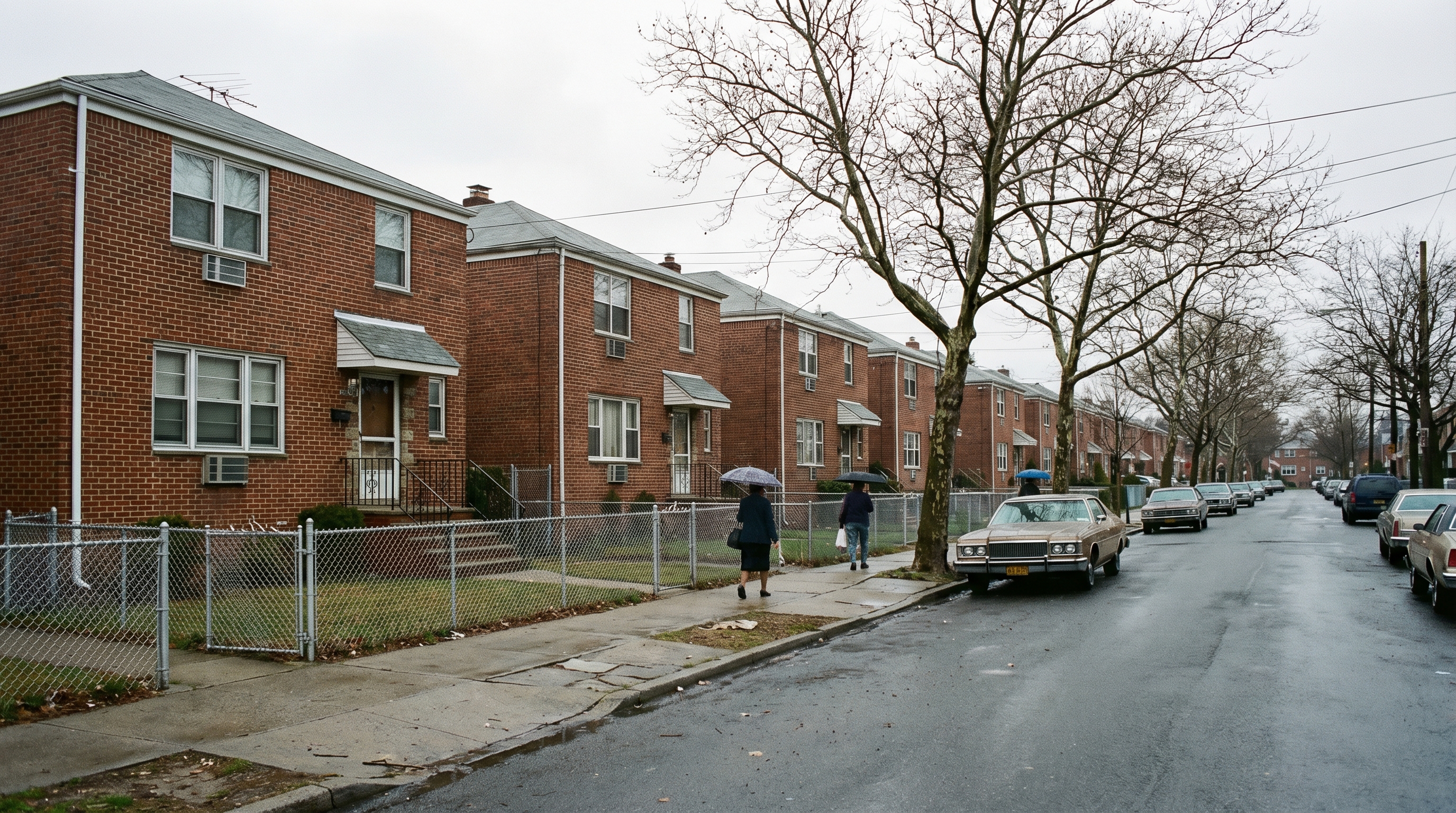
The postwar rowhouse requires a cleaning approach built around its specific materials
A Remsen Village home from 1952 is not an apartment building from 2015. The construction materials, the floor finishes, the bathroom tile, and the kitchen surfaces all predate the era of spray-and-wipe convenience products. Getting them clean, and keeping them in the condition that allows them to last another 70 years, requires understanding what they are made of.
The bathrooms in most of these homes have original or near-original ceramic tile installed with sanded grout that cannot tolerate acidic cleaners. Vinegar-based products, citrus cleaners, and anything labeled “deep-cleaning bathroom spray” will eat into the grout over repeated applications and leave it crumbling at the edges. We use pH-neutral tile cleaners and proper grout brushes that lift the grime mechanically rather than chemically dissolving the material holding the tile together. The floors, whether original linoleum or the vinyl tile that replaced it in later decades, get a damp mop treatment that cleans without leaving moisture pooled at the edges, where it works under the material and loosens the adhesion.
The kitchens in two-story Remsen Village rowhouses tend to be compact, with original or updated cabinetry and surfaces that have seen decades of serious cooking. Caribbean-American households cook at a different intensity than the households these kitchens were designed for, and the grease accumulation on range hoods, on the tile around the burners, and on the cabinet fronts reflects that intensity. We clean these surfaces thoroughly on every visit, not just the counter tops and the sink.
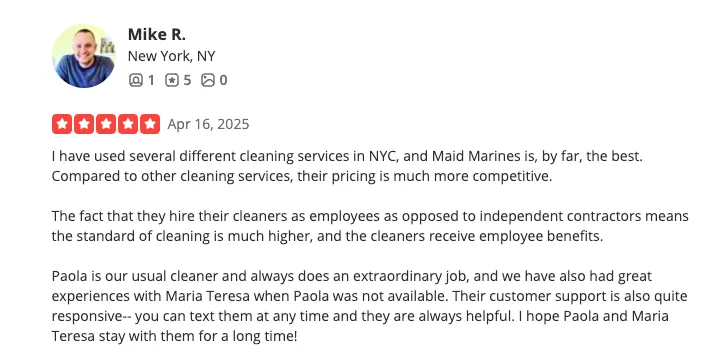
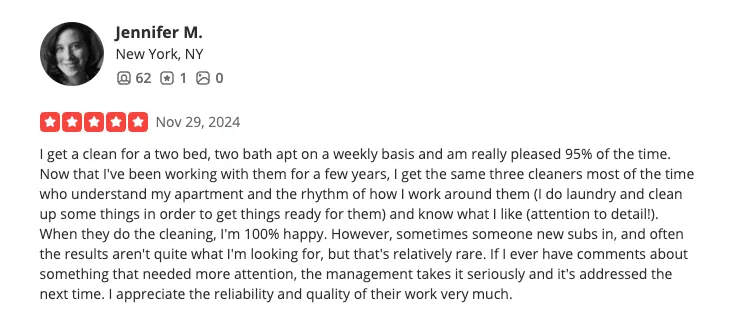
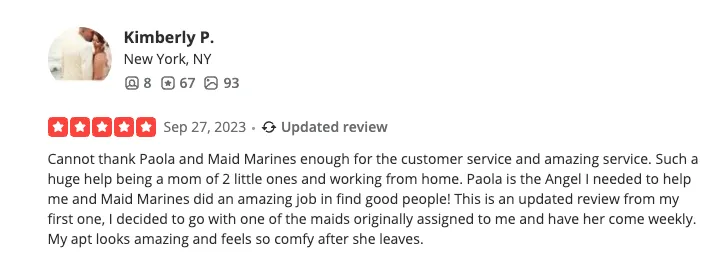
Our house cleaning teams are assigned consistently to recurring clients, which means your cleaner learns the home: where the tile grout is most vulnerable, which cabinet doors stick, where the floor finish is thinner near the threshold. That knowledge builds over visits in a way that a rotating crew from a different company never develops.
Two-family homeownership is the economic backbone of Remsen Village
Remsen Village’s homeownership rates rank among the highest of any predominantly Black neighborhood in New York City. The mechanism behind those rates is the two-family home. Caribbean immigrant families who arrived in the 1970s and 1980s bought two-family rowhouses on the same streets the first Jewish and Italian families had owned, moved into one unit, and rented the other. Over decades, the rental income covered mortgage payments, the mortgage got paid off, and the families built equity that their children and grandchildren are now inheriting or selling.
Approximately 40 to 50 percent of Remsen Village households own their homes, compared to a citywide average of roughly 32 percent. That statistic is visible on the streets: the small front yards are maintained, the stoops are swept, the window frames are painted, the fences are repaired. This is what a neighborhood looks like when the people who live in it have a financial stake in its condition.
For owners of two-family homes, maintaining both units matters. The owner-occupied floor tends to receive attention because the family lives there. The rental unit tends to receive attention between tenants, when there is financial motivation to get it ready for the next occupant. We clean both. Many Remsen Village homeowners who found us for their own unit have added the rental unit to their service schedule, either as a recurring clean or as a move-in and move-out service when tenants turn over. The move-in and move-out cleaning includes inside cabinets, appliances, window sills and ledges, bathroom grout, and everything else that a new tenant will examine closely and a departing tenant is unlikely to have left spotless.
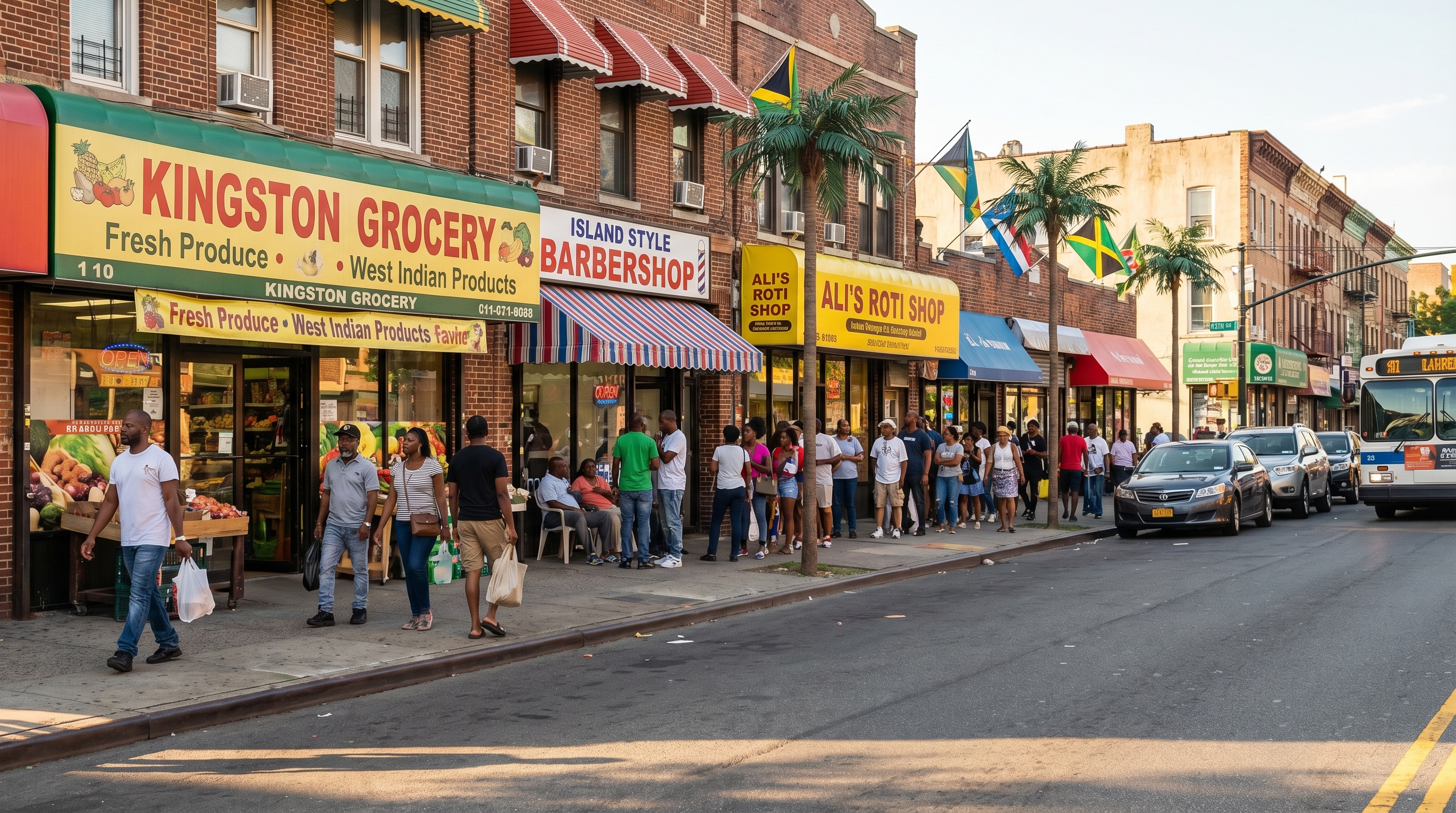
The Caribbean cultural calendar drives the cleaning calendar
Remsen Village follows the West Indian diasporic year more closely than the American civic calendar. Jamaican Independence Day on August 6, Trinidadian and Tobagonian Independence Day on August 31, Haitian Independence Day on January 1, and Barbadian Independence Day on November 30 are all marked in this neighborhood, not as symbolic observances but as actual occasions for gathering, cooking, and celebration. Church events, family parties, and neighborhood gatherings cluster around these dates in ways that drive genuine household preparation.
We have cleaned over 100,000 homes across New York City, and the pattern of pre-event and post-event cleaning requests in Caribbean-American households in Brooklyn tells a consistent story. Before a major gathering, families want the bathrooms clean for guests, the floors presentable, and the kitchen clear so serious cooking can begin. After the gathering, the cleanup is substantial: floors carrying the foot traffic of many guests, bathrooms used by crowds, kitchens coated in the residue of a real Caribbean feast with its oil, allspice, scotch bonnet, and curry.
We handle both. You can book a pre-event cleaning two or three days before a gathering and a post-event cleaning the day after. Your cleaner knows what a post-party kitchen looks like in this neighborhood and comes prepared for it. A deep cleaning after a major event covers the range hood and the tile behind the burners, the oven interior, under the stove and refrigerator as far as reach allows, the bathroom grout, and the floors throughout, not just the obvious surfaces.
Paerdegat Basin and the green space at the neighborhood’s edge
Remsen Village sits at the edge of something most of Brooklyn lacks: genuine waterfront. The Paerdegat Basin, a tidal inlet along the neighborhood’s southeastern boundary, connects through Jamaica Bay to the open water of the Gateway National Recreation Area. Environmental restoration work over the past decade has improved the quality of the adjacent parkland significantly, and the walk along the basin path on a clear morning is one of the more satisfying things available to a Remsen Village resident with an hour to spare.
The basin draws fishermen, birders, and families with nowhere particular to be. The herons that work the shallows are indifferent to the city just past the treeline. Canarsie Park to the south adds athletic facilities, baseball diamonds, and a wider waterfront esplanade with views across Jamaica Bay. These are not famous parks. They do not appear in city park guides or weekend roundups. But they are well-used and genuinely good, which describes a lot of what Remsen Village offers.

What booking looks like for Remsen Village
You pick your date and time on our booking page. You see the flat-rate price before you commit to anything. If you have a full two-story home with a rental unit below, the price reflects the actual scope. Our cleaners are W-2 employees with background checks and insurance, not gig workers dispatched through an app. They arrive with the right products for postwar brick construction, original tile, and the cooking surfaces that get genuinely dirty in a household that cooks every day.
For recurring service, we assign the same cleaner or team to your home every visit. They learn the home, the household, and what you care about. If your regular cleaner is unavailable, we let you know in advance so you can decide whether to reschedule or have a substitute come.
We also serve nearby Flatbush, Crown Heights, and Bed-Stuy.