

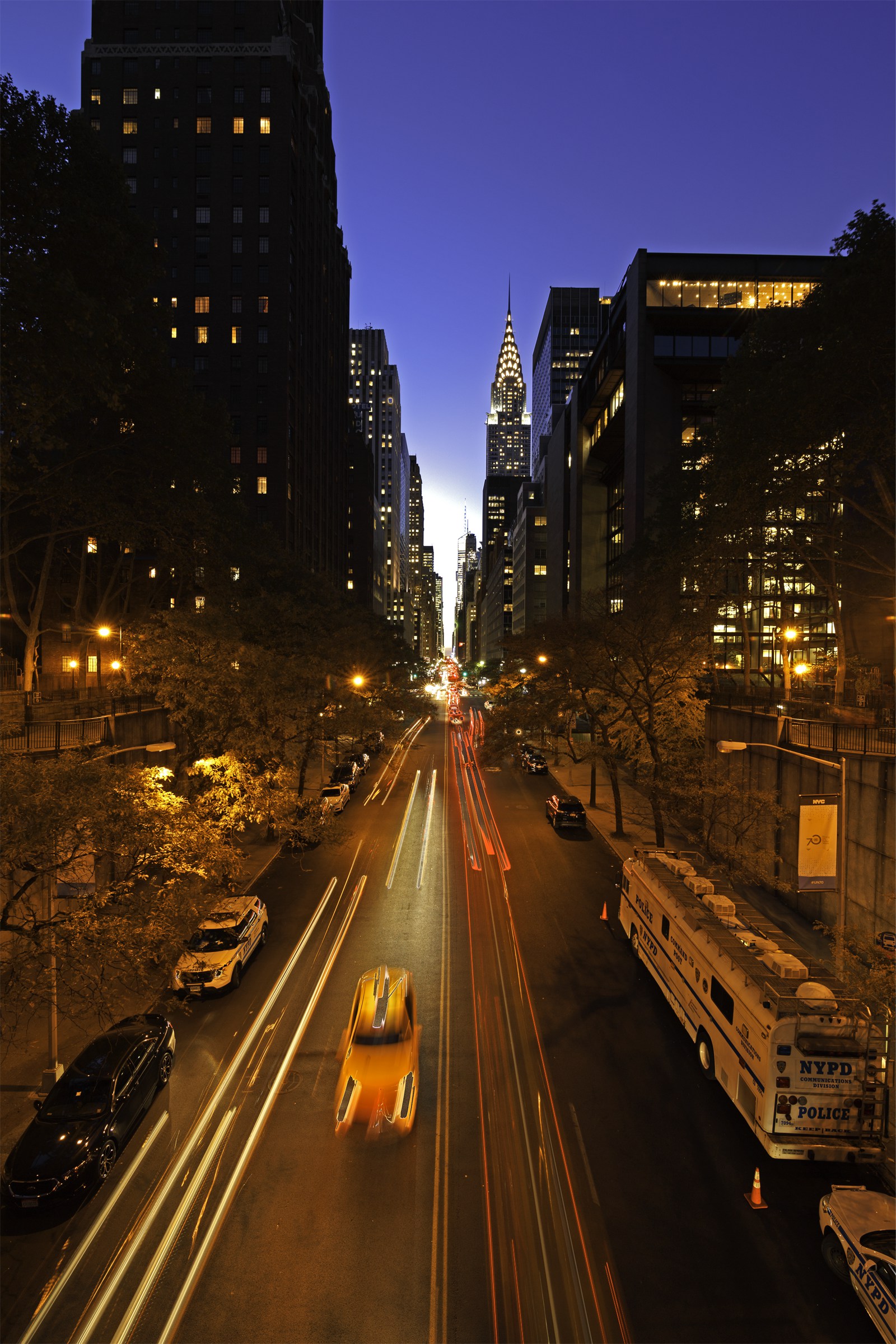
Tudor City sits on a bluff above 42nd Street between First and Second Avenue, a cluster of Gothic towers with gargoyles and battlements and pointed arches that looks like someone dropped a medieval English castle complex into the middle of Midtown Manhattan. That is roughly what happened. In 1927 a developer named Fred French looked at ten acres of slaughterhouse land overlooking the East River and decided to build the world’s first residential “city within a city” on it. He hired an architect who clad everything in Tudor Gothic Revival stonework, added two private parks, built elevated pedestrian bridges across 42nd Street, and opened the doors to middle-class renters who wanted the best of both worlds: a quiet, self-contained residential village five minutes from Grand Central Terminal.
The complex has been here for nearly a century now. The gargoyles are still on the facades. The private parks are still planted and maintained. The elevated bridges still cross 42nd Street at second-story level, and you can walk across them and look down at the traffic below while the Gothic towers rise on either side. The United Nations moved in across First Avenue in 1952, which means Tudor City’s neighbor is the most symbolically important diplomatic campus in the world. It is a strange and wonderful place to live, and the cleaning work here is shaped by the fact that nearly every surface in these buildings was designed to look like it belongs in a 15th-century English manor house.
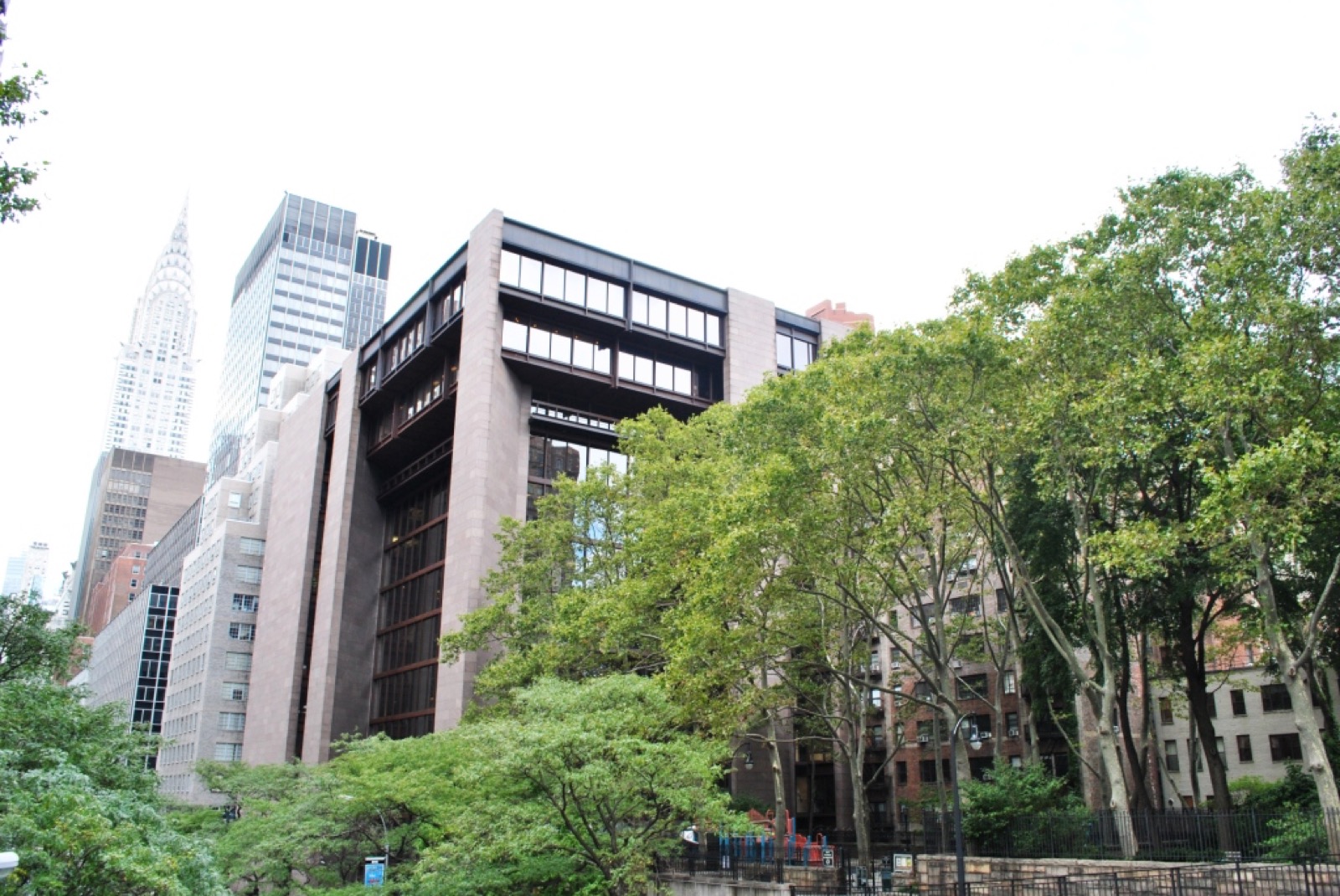
Fred French built Tudor City on top of a slaughterhouse district and turned the windows away from the smell
The site French chose was one of the most disagreeable corners of Midtown Manhattan. The rocky bluff overlooking the East River at 42nd Street was home to slaughterhouses, rendering plants, and a coal storage facility. The smell from the meatpacking operations was reportedly detectable blocks away. Nobody wanted to live there, which is why the land was available and why French, who understood both real estate math and marketing psychology, saw an opportunity.
He purchased the ten acres in 1925 and spent the next five years building twelve buildings ranging from 10 to 32 stories, approximately 3,000 apartments, a hotel, retail shops, restaurants, two private parks, and the elevated pedestrian overpasses that connected the complex across 42nd Street. The architect was H. Douglas Ives, and the style was deliberately English Tudor Gothic Revival: pointed arches, gargoyles, battlements, terra-cotta shields and Tudor roses worked into the brick, decorative tracery on the windows. French wanted the name and the visual identity to say something specific to the white-collar workers and young professionals he was targeting. “Tudor” meant quality, tradition, permanence. It was branding as much as architecture, and it worked. The complex leased fully within a short time of opening.
The most telling design decision was the windows. Virtually none of the buildings face the East River. The east-facing windows were given minimal size and the river views were effectively blocked. This was not an accident. French’s designers knew that giving apartments east-facing windows would mean views of the slaughterhouses and coal yards that lined the waterfront. So the apartments faced west and south instead. By the time the slaughterhouses were replaced by the United Nations complex in 1952, the inward-facing design was permanent.
Fred French died in 1936. He never saw his complex’s most significant neighbor arrive. The windows he designed to hide an abattoir now look out, in the few east-facing rooms, toward the General Assembly of the United Nations.
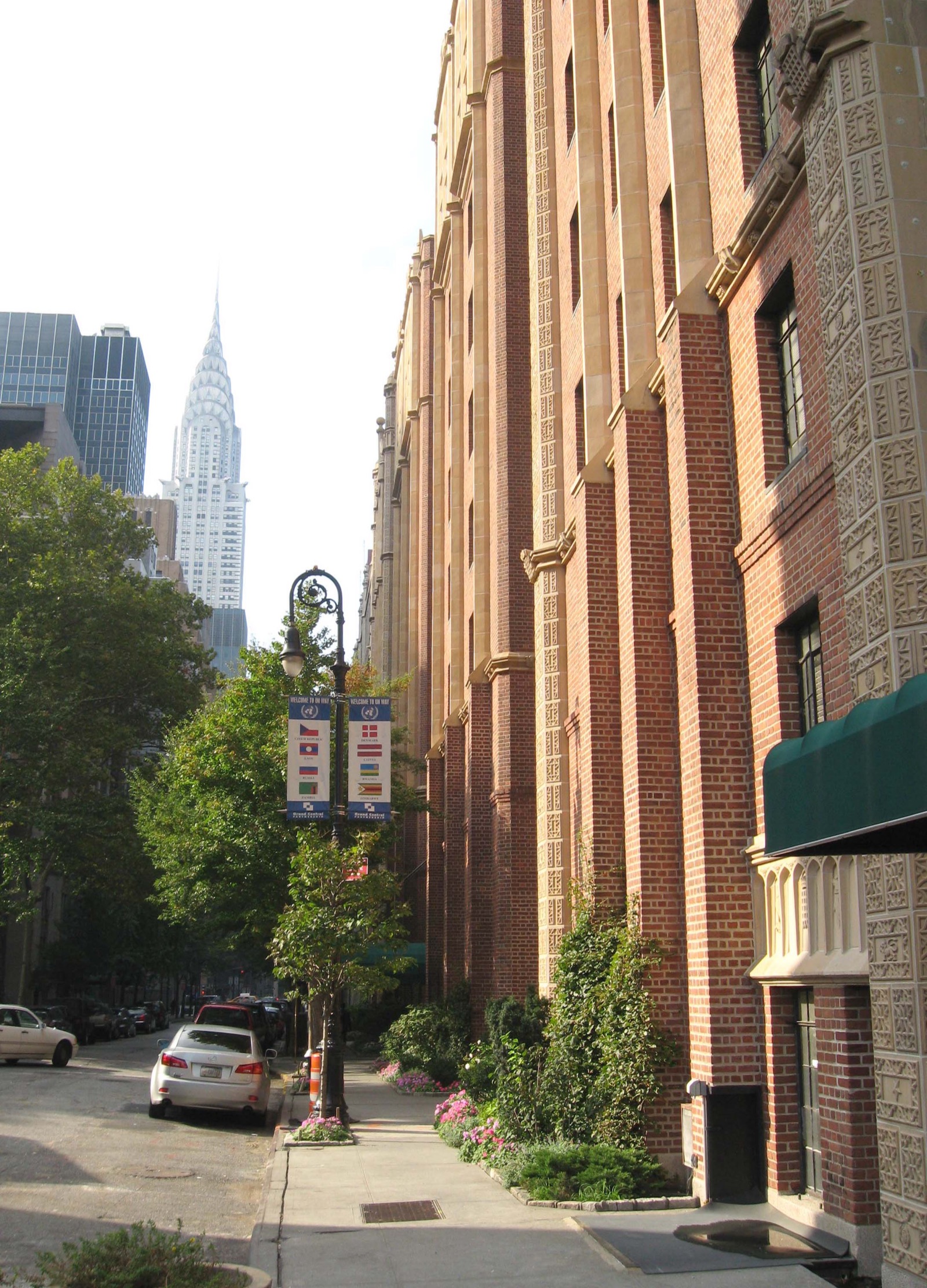
The gargoyles on these facades are not decorative afterthoughts and they affect how the buildings are maintained
Every building in Tudor City is designed in the same architectural idiom: pointed arches on windows and doorways, gargoyles and grotesques on the upper facades, battlement-style crenellated parapets on the rooflines, ornate terra-cotta details in brick-red and cream. Fleurs-de-lis, shields, Tudor roses, and heraldic devices are worked into the cornices and lintels. The buildings have steep setbacks as they rise, giving the tallest towers a distinctly vertical profile with visual interest at multiple heights.
The gargoyles are genuine in both the architectural and functional sense. In the tradition of medieval Gothic stone carving, they serve as elements of the building’s water drainage and weatherproofing systems, not just as ornament. They were expensive to add in 1927 and they are expensive to maintain now. Their persistence is a direct consequence of the Tudor City Historic District designation in 1988, which protects the entire complex from demolition and requires the maintenance of original architectural features.
What this means for the apartments inside is that the interiors carry echoes of the same aesthetic. Lobbies feature Gothic arched doorways and ornamental details. Common hallways in the older buildings retain original molding and decorative plasterwork. Inside individual units, especially in the upper-floor apartments of Tudor Tower and 25 Tudor City Place, the ceiling heights run above nine feet and the layouts reflect the generous proportions of late-1920s apartment design. The materials are not indestructible. Plaster molding chips if you bump it with a vacuum. Decorative stone and terra cotta in the lobbies will stain if you use the wrong cleaning product. The woodwork in lobbies and older units needs care that matches the building’s character.
We clean Tudor City apartments with the building stock in mind. Microfiber on decorative plaster rather than spray-and-wipe. pH-neutral solutions on the hardwood floors. No abrasive products near the original terra-cotta or stone detailing in lobby-adjacent areas. The historic designation means these surfaces are protected, and our teams treat them accordingly.
The tenant battle to save the private parks is one of the most important preservation fights in New York history
Two small but carefully maintained private parks sit between the buildings of Tudor City, accessible only to residents. The parks are elevated above street level, tucked into the superblock away from traffic, and planted with mature trees, flower beds, and seasonal plantings. They are a crucial element of the original “city within a city” design, and in the 1970s they nearly disappeared.
Fred French’s heirs and later owners proposed demolishing the parks to allow for further development. The residents fought back in what became one of the most significant tenant battles in New York City history. A coalition of Tudor City residents organized, lobbied, and eventually succeeded in having the complex designated as a New York City Historic District and the parks permanently protected. The designation came in 1988 and covers the entire complex.
That fight gave the community a sense of its own story that most residential complexes lack. The Tudor City Tenant Association is active. The parks are maintained to a standard that reflects the residents’ investment in the space. The building staff tends to stay for years. There is a pride of place here that is rooted partly in the buildings’ visual drama and partly in the community’s history of successfully preserving what they had.
This matters for cleaning because the residents of Tudor City pay attention. They chose this complex because they value what lasts. They have lived through a fight to protect it. The expectation is that anyone working in these homes understands what the buildings are and treats the interiors with the same care.
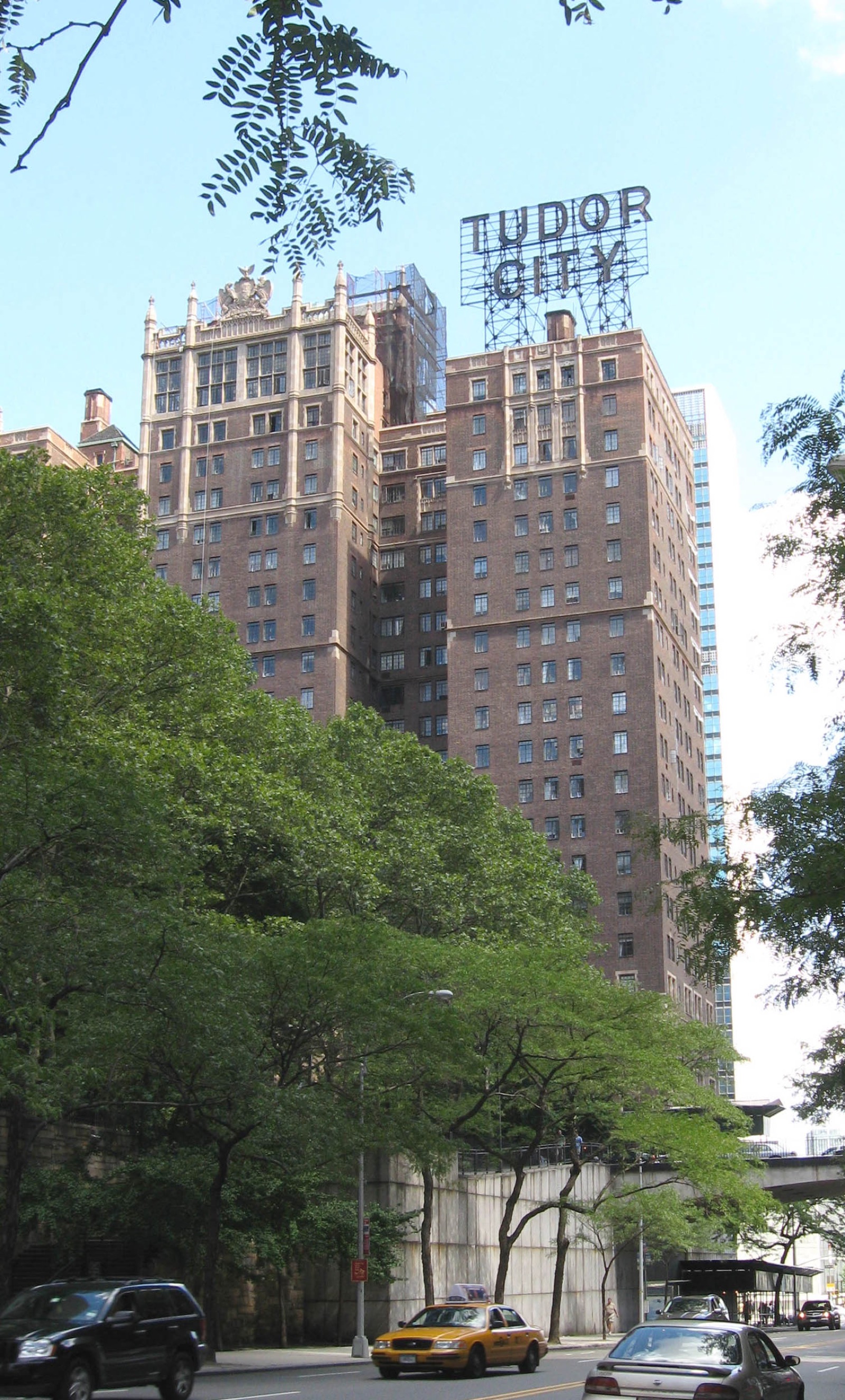
The elevated pedestrian bridges from 1927 are among the rarest residential infrastructure in Manhattan
The two elevated pedestrian overpasses crossing 42nd Street are part of Fred French’s original design, not a later addition. Built at second-story level, they allow residents to move between different sections of the complex without descending to the street. They are also simply unusual. Elevated pedestrian infrastructure built for a residential complex is extremely rare in Manhattan, and Tudor City’s bridges have been there for nearly a century.
Walking across the overpass is one of the genuinely transporting experiences in Midtown. You go from one of the loudest, most intense streets in the world to a quiet courtyard of Gothic towers and private gardens. The view down onto 42nd Street from the bridge gives you a perspective on the traffic and the pedestrian crowds that you cannot get from the sidewalk. In September, during UN General Assembly Week, the diplomatic motorcades pass directly below and the flags of 193 nations are visible from the bridge.
The bridges also connect Tudor City to the surrounding transit grid. Grand Central Terminal is five minutes on foot. Bryant Park and the New York Public Library are five minutes in the other direction. The 4, 5, 6, 7, and S trains at 42nd Street Grand Central are the primary transit hub for the neighborhood, and the M42 crosstown bus runs directly adjacent on 42nd Street. Tudor City is one of the best-located residential complexes in Midtown for pedestrian access to major institutions and transit, and the bridges are part of why.
Tudor City apartments range from modest studios to generous upper-floor layouts with Midtown views
The complex houses approximately 3,000 apartments across its twelve buildings. The majority are studios and one-bedrooms originally designed as rental units for the middle-class professionals French was targeting in 1927. Over recent decades, some portions of the complex have been converted to condominium ownership, creating a mixed market of renters and owners in the same architectural shell.
Studios in Tudor City run approximately 400 to 550 square feet. One-bedrooms range from 600 to 850 square feet. Two-bedrooms are less common but available in the larger towers, running 900 to 1,400 square feet. The upper-floor units in Tudor Tower and 25 Tudor City Place, the two tallest buildings at over 30 stories, have commanding Midtown views and more generous layouts than the standard units below.
The cleaning considerations track the building type closely. Steam radiators line the walls in every unit and need fin-level cleaning to prevent the scorched-dust smell that fills apartments every October when the boiler kicks on. The hardwood floors in many units are original or period-appropriate, and they need pH-neutral products and flat microfiber mops. Kitchens are typically compact galley layouts where cooking grease travels fast across a small space. Bathrooms in the older units have the original tile and grout that you find in any well-maintained 1920s building, with the same cleaning considerations: no abrasive pads on period tile, no harsh chemicals on old grout that is holding together through careful maintenance rather than structural integrity.
We send a team that knows these buildings. The same people come back each visit because the units have enough variation in layout, surface condition, and owner preferences that consistency matters. Your building has a specific access procedure at the front desk. Your apartment has specific surfaces that need particular products. We learn it once and remember it.
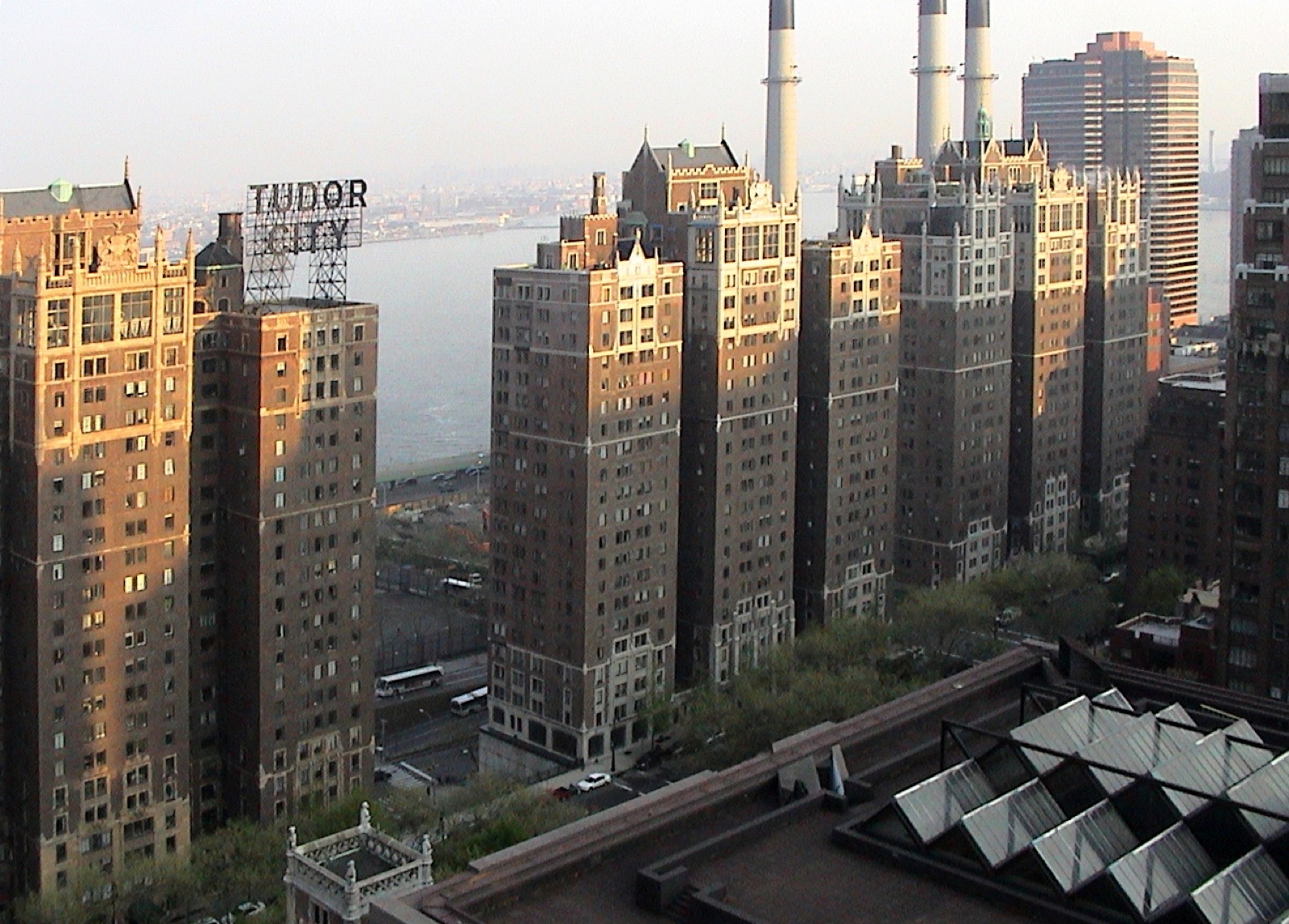
The United Nations next door gives Tudor City a neighbor that no other residential complex in the world can claim
The construction of the United Nations complex directly across First Avenue from Tudor City transformed the neighborhood permanently. What had been an industrial waterfront became one of the most symbolically important civic spaces on earth. Tudor City suddenly found itself in the shadow of international diplomacy, and First Avenue became one of the most internationally watched streets in New York.
The proximity has made Tudor City a preferred address for UN staff, journalists covering the institution, and members of diplomatic missions over the decades. The international character of the complex’s resident population is partly a consequence of this geography. The General Assembly building is directly across the street. You can see the flags from your window if your unit faces east.
This international texture shows up in the day-to-day rhythm of the neighborhood. The restaurants and shops within walking distance cater to a more globally oriented population than a typical Midtown residential block. During UN General Assembly Week in September, the surrounding blocks fill with diplomatic motorcades and international press, and the security presence on First Avenue intensifies. Tudor City residents watch it from the elevated bridges and from their windows, which is a living experience of proximity to global affairs that you cannot get from any other residential address in the city.
Your cleaning takes about two to three hours so here is how to spend them near Tudor City
Grand Central Terminal is five minutes on foot and has the best dining concourse in the city on its lower level. The Oyster Bar has been open since 1913 and the pan roast is still the thing to order. Shake Shack is in the same concourse. You can eat, walk through the main hall, look up at the painted constellations on the ceiling, and still have time left on your cleaning window.
Bryant Park is five minutes in the other direction. In warm weather, the lawn opens and you can sit on the grass behind the New York Public Library with a book or a laptop. Free Wi-Fi, movable chairs, and a reading room in the library if you want to go inside. In winter, the ice skating rink and holiday market fill the same space.
Sushi Yasuda on 43rd Street is steps from Tudor City and is one of the best sushi restaurants in New York. The omakase is the way to go. Sparks Steak House on 46th Street is a short walk north and is the old-school New York steakhouse experience, unchanged for decades. Both restaurants comfortably fill a cleaning window.
If you are a Tudor City resident, you also have your own parks. The two private gardens within the complex are among the most peaceful spots in Midtown Manhattan, with mature trees, benches, and almost no traffic noise. On a good afternoon, sitting in the Tudor City park while your apartment is being cleaned is about as calm as Midtown gets.
What booking looks like for Tudor City residents
You pick your date and time on our booking page. You see your flat-rate price before you commit. If your building has front desk procedures or a COI requirement, tell us once when you book and we handle the paperwork before your first appointment. If your apartment has decorative plaster, original hardwood, or any surface that needs specific care, note it and we adjust our approach.
Our cleaners are W-2 employees, not gig workers. They are vetted, insured, and trained to work in exactly the kind of building that defines Tudor City. The same team comes back each visit because these apartments have details worth learning once and remembering.
We serve Tudor City and the surrounding Midtown East neighborhoods, including Kips Bay, Gramercy Park, and Midtown. Our teams use the 6 train to 33rd Street or the 7 to Grand Central. Tudor City residents also book us for deep cleaning before the holidays or after renovation work, move-in and move-out cleaning for the neighborhood’s active condominium and rental market, and recurring apartment cleaning on a schedule that works around your commute.