
The same barrier island that gave Richard Feynman his first physics laboratory, where the waves and the sand and the patterns of the tidal water taught him how to think about the physical world, is where you live. Far Rockaway sits at the eastern end of the Rockaway Peninsula, the last neighborhood before the Nassau County line, with the Atlantic Ocean a few blocks to the south and Jamaica Bay to the north. It is also, by several measures, one of the most economically challenged zip codes in New York City. Both things are true at the same time, and neither cancels the other.
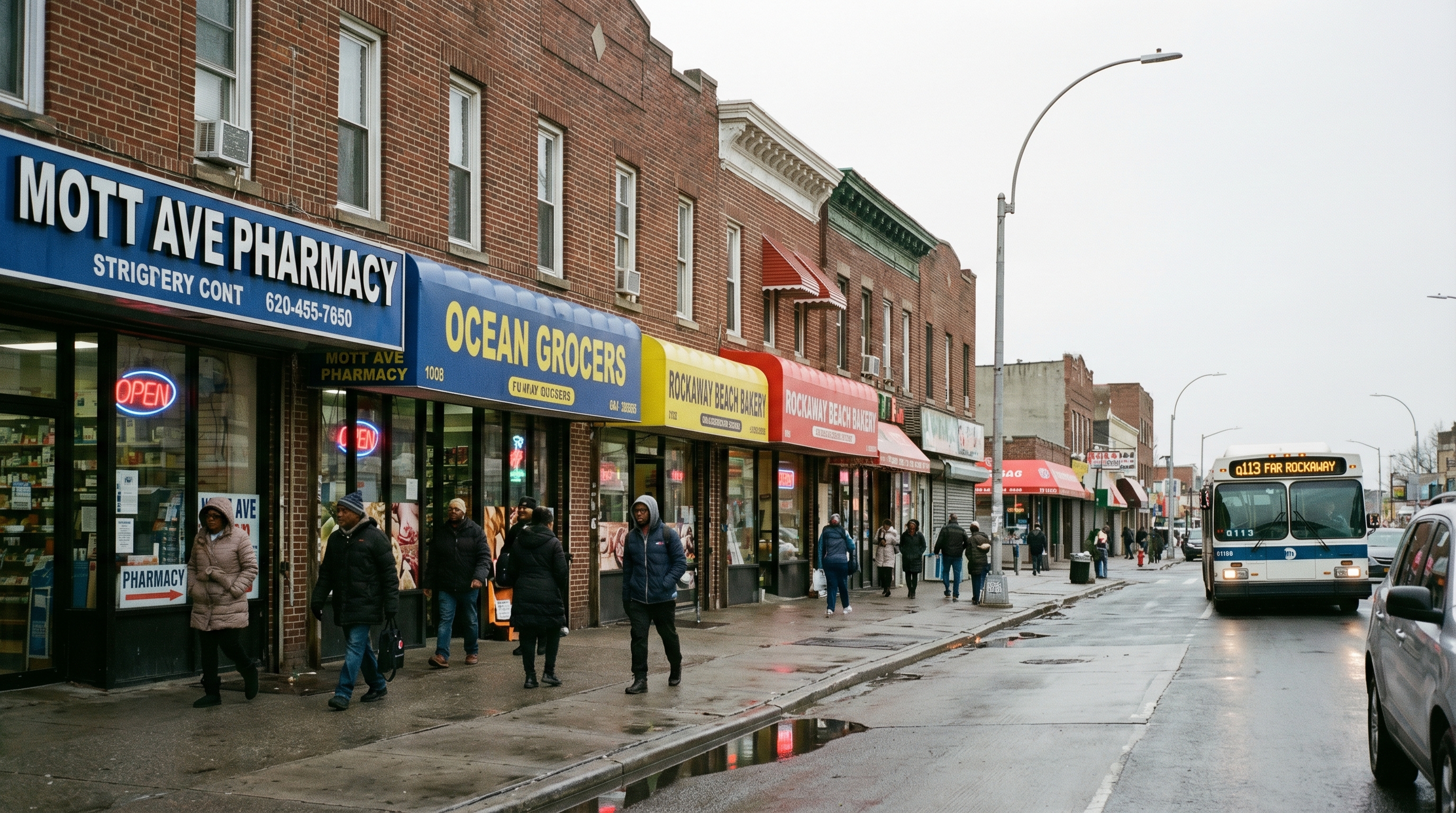
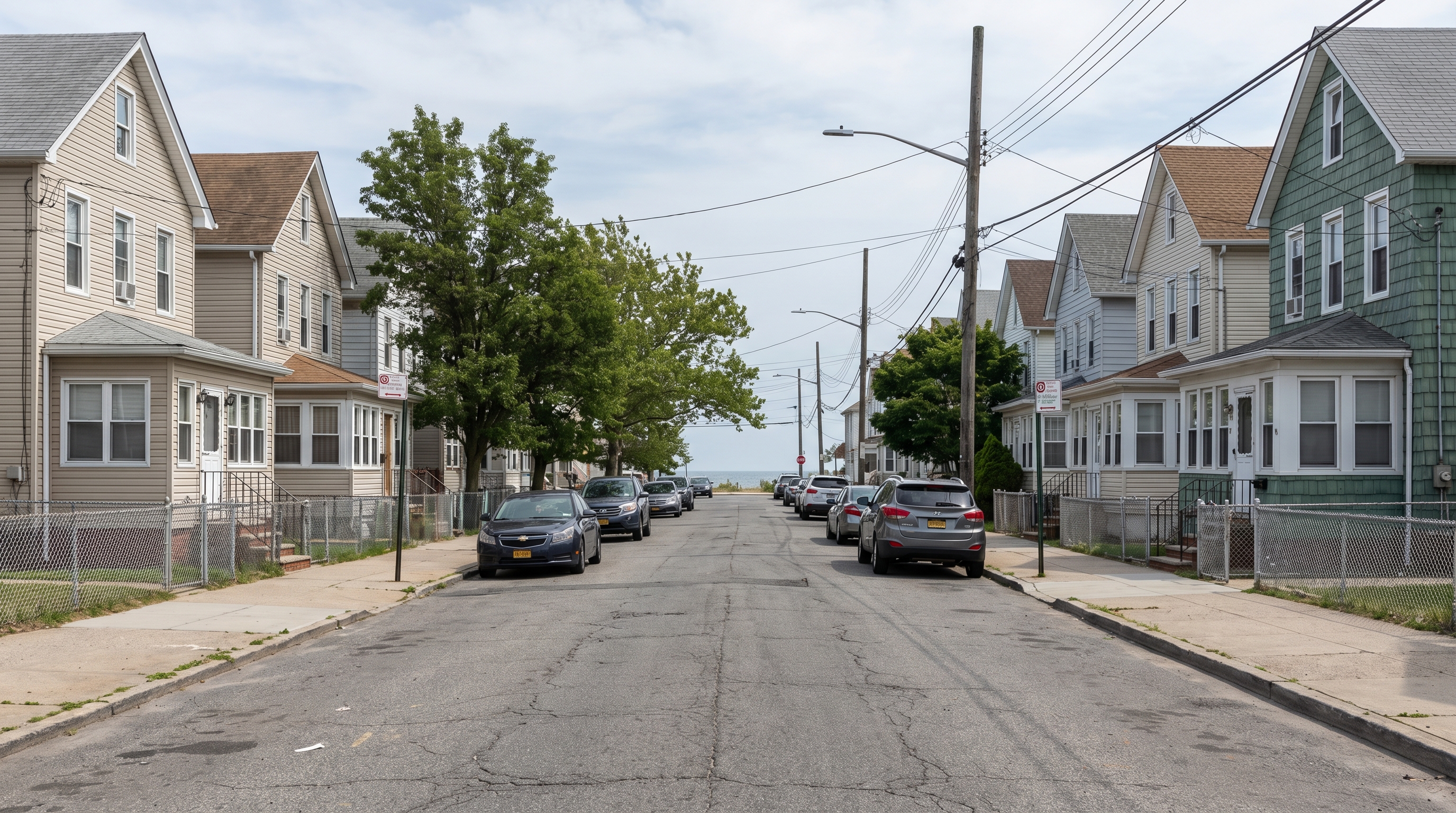
The housing stock here reflects that contradiction. Wood-frame homes from the early 20th century line the residential blocks away from the commercial strip. NYCHA towers mark the neighborhood with the utilitarian architecture of a particular era of city planning. New mixed-use buildings are rising along Mott Avenue as part of the Downtown Revitalization Initiative. The A train terminal and the LIRR Far Rockaway Branch station sit next to each other at Central Avenue, making this the transit gateway to the entire Rockaway Peninsula. The beach is minutes away. The commute to Midtown Manhattan is long but it is direct.
The housing on the Rockaway Peninsula comes with cleaning challenges that inland apartments do not
Salt air is the defining physical fact of living in Far Rockaway. The Atlantic Ocean is three blocks away from the commercial district. Salt deposits on window glass, salt residue in door tracks, and the fine grit that comes off shoes after a beach walk accumulate in ways that do not happen in a landlocked Queens neighborhood like Forest Hills or Astoria. A standard cleaning approach that works fine in those neighborhoods misses the specific maintenance that peninsula living requires.
The NYCHA developments, including Redfern Houses and Beach 41st Street Houses, are high-traffic elevator buildings where common area grit gets walked into apartments on every trip. These apartments tend to have vinyl or laminate flooring that picks up salt residue differently than the hardwood in the older wood-frame homes on the residential blocks. The right mop and the right solution are different for each surface.
The older wood-frame homes built from the 1890s through the 1930s on blocks like Nameoke Street and the residential grid between Mott and Seagirt Boulevard have their own challenges. Steam heat radiators in these homes have been running since the Truman administration. The fins collect dust over the warm months and send it into the air the moment the boiler kicks on in October. That dust settles everywhere within a week. Baseboards in these homes are often painted so many times that the profiles have softened and collected layers of dust in the crevices. You need a brush on them, not just a wipe.
New development buildings along the revitalization corridor are the most straightforward to maintain: standard appliances, sealed floors, modern finishes. But they still need attention to the salt film that any building on the peninsula accumulates.
Our house cleaning teams carry separate products for vinyl, laminate, and hardwood flooring, and they switch as they move from room to room. Salt and sand deposits get specific attention on every visit for peninsula households, concentrated at entrances and high-traffic floors where it accumulates.
What the wood-frame homes on the residential blocks actually need after years of use
Many of the one and two-family homes in Far Rockaway outside the NYCHA developments have been in the same family for thirty or forty years. Caribbean families bought these homes starting in the 1970s and 1980s. African American families held them before that. The Haitian community has a strong presence in these blocks. These are homes where the kitchen sees real daily cooking, where the steam heat has been running every winter for decades, and where the accumulated use of three generations can show in ways that a standard maintenance cleaning does not address.
The kitchens here produce actual food. Jerk chicken. Griot. Curry. Oxtail braised low and slow. Fried fish. Rice and peas. That cooking leaves grease films on range hoods, cabinet faces, backsplashes, and the ceiling above the stove that a surface wipe will not touch. We degrease every kitchen surface within six feet of the stove on these visits, pull the drip trays out, and wipe the outside of the hood down to bare metal. If you want the oven interior done, add a deep clean and we will handle that too.
Hardwood floors in homes from this era may have layers of wax buildup that water mopping makes worse. The correct approach on waxed wood is a barely damp microfiber mop and a wood-safe pH-neutral cleaner, not the standard wet mopping that works fine on sealed modern floors. Our teams know the difference and ask if they are unsure, rather than applying the wrong technique to a floor that has been maintained one way for fifty years.
A first cleaning in a generational Far Rockaway home needs to be a deep clean
The first visit to a home that has been in the same family for decades is always a different job from a recurring maintenance cleaning. The first visit is a reset. In Far Rockaway homes it typically means: ceiling fans and light fixtures cleaned of salt haze and dust, radiator fins blown or brushed clear, baseboards stripped of the accumulated painted-edge dust they collect over years, kitchen cabinets degreased inside and out, bathroom grout scrubbed rather than wiped, and window tracks cleared of the grit and salt residue that the Atlantic wind deposits through every season.
We build the quote for generational homes around a deep clean first visit. It takes longer and it costs more than a recurring maintenance visit. After that initial reset, biweekly or weekly house cleaning keeps everything maintained without needing to start over. The difference between the first visit and the second visit in a Far Rockaway home that has been cleaned properly is dramatic. That is the point.
If you are a tenant moving into an apartment after the previous occupant left, move-in cleaning handles the full reset before your furniture arrives: inside cabinets and drawers, appliance surfaces, bathroom and kitchen from top to bottom, and every corner the last tenant and the landlord left behind. An empty apartment is far easier to clean thoroughly than one already furnished, and the hour before the movers arrive is the right time to do it.
Your cleaning takes about three hours, which is exactly enough time to reach the beach and back
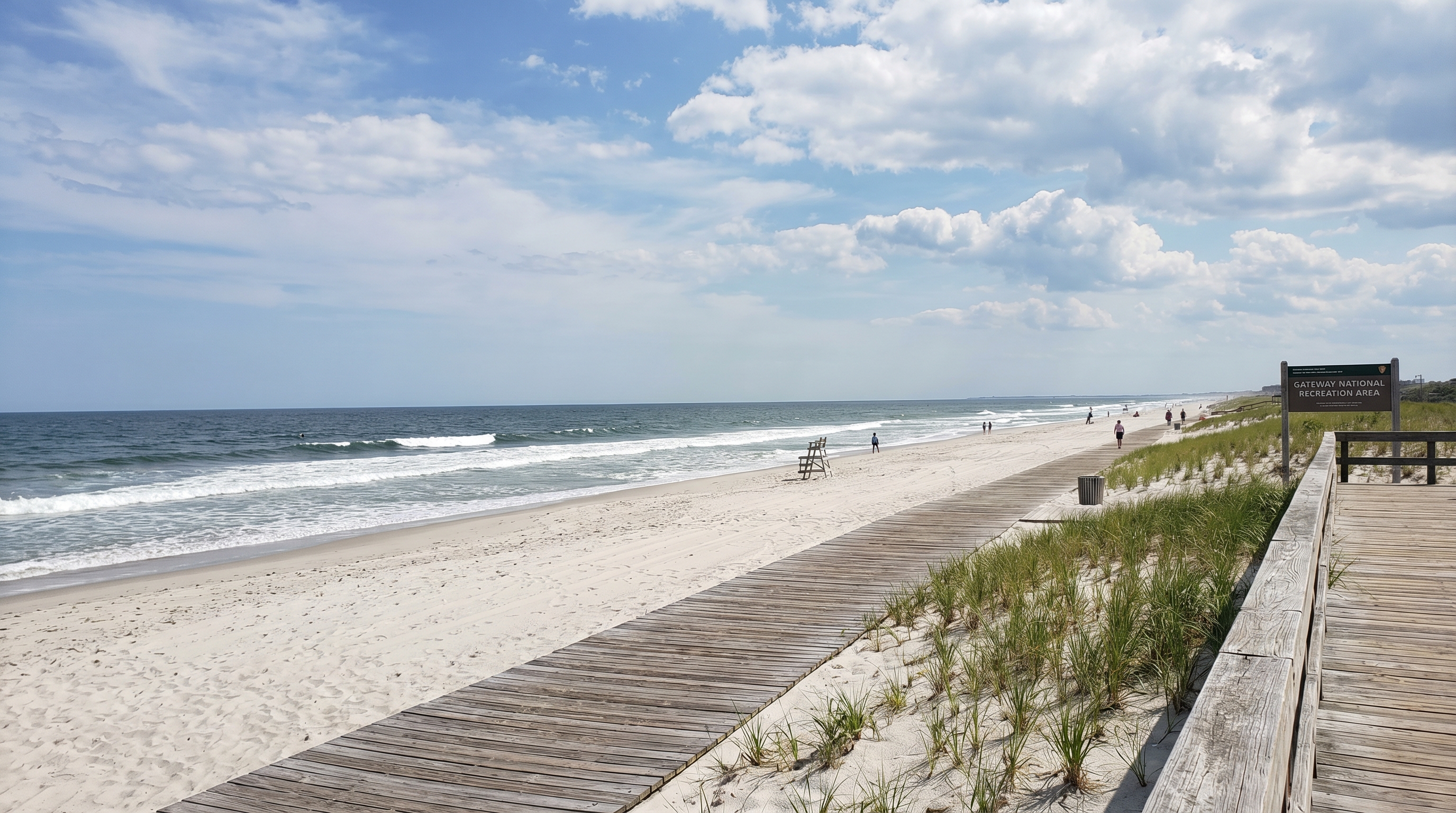
The Atlantic Ocean is close enough that you can smell it from the Mott Avenue bus stop. Rockaway Beach in the Gateway National Recreation Area means free admission, eleven miles of Atlantic shore, and a lifeguard from late June through Labor Day. The eastern section of the beach near Far Rockaway is quieter than the Rockaway Park end to the west. Walk south from the A train at Mott Avenue and you reach the sand in under ten minutes.
Bayswater Park on the Jamaica Bay side of the neighborhood offers eleven acres of waterfront walking paths with views across the bay toward the Queens mainland. It is the quieter, less-visited version of the beach experience, good for an early morning walk while the apartment gets cleaned. Beach Channel Drive runs along the bay shoreline and can be walked or biked the length of the peninsula’s northern edge.
Back on Mott Avenue, the Caribbean restaurants that anchor the commercial strip are where the neighborhood eats. Jamaican, Haitian, and Trinidadian cooking at weekday lunch prices, with the kind of food that is made by people who cook it daily rather than performing it for tourists. Get the oxtail. Bring cash to most spots.
While you are at the beach or at lunch, we are handling the salt film on your windows and the sand in your baseboards. That is the division of labor.
Two-family homes and NYCHA apartments are both standard jobs for us here
About a quarter of Far Rockaway’s private housing is one and two-family wood-frame homes. The two-family configuration typically has one household on the ground floor and one above, with a separate side or rear entrance for the second unit. We clean both units in one visit if you want, quoting the total square footage across both units as a single job. If the tenant prefers a different day, we set up two separate recurring schedules and the same team handles both.
NYCHA apartment cleaning is straightforward. You are the resident and you authorize the service. We do not need vendor registration or building management paperwork for most NYCHA buildings. You let us in on the day of the appointment, or you arrange access with your building super. If your building has a specific check-in procedure at the front desk, you tell us when you book and we coordinate from there.
For apartment cleaning in the newer mixed-use development buildings along Mott and Central Avenues, access is typically handled through the building superintendent or by leaving keys. We coordinate whatever the building requires before the first appointment, and the same team comes back on every recurring visit.
What booking looks like for Far Rockaway residents
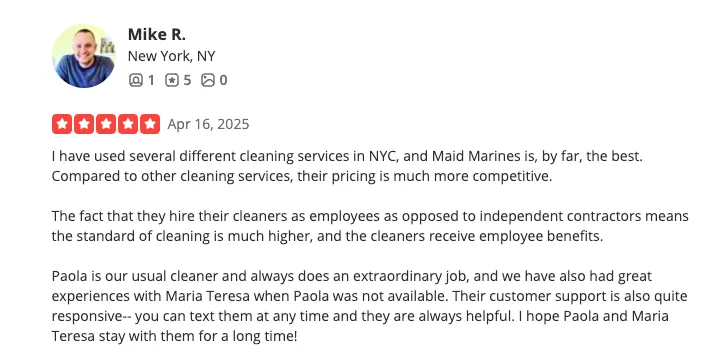
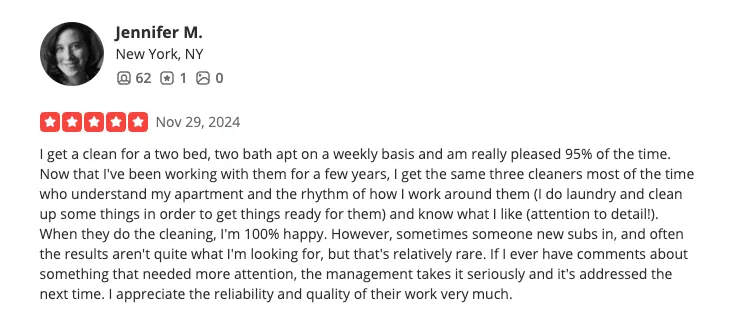
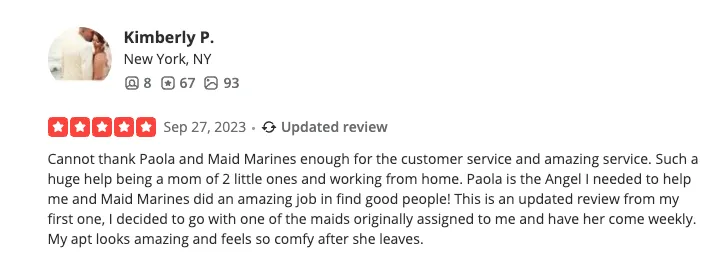
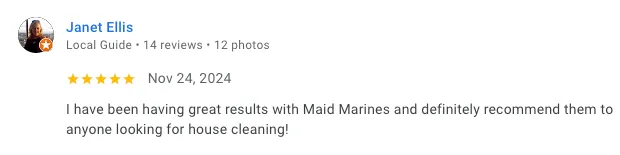
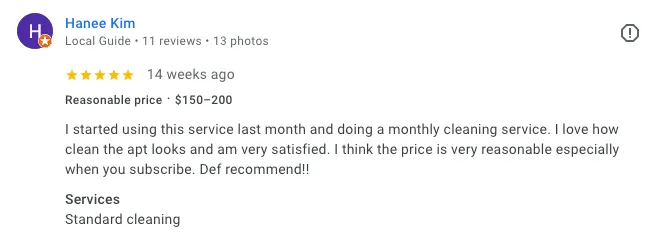
You pick your date and time on our booking page. You see the flat-rate price before you commit to anything. If your wood-frame home needs a deep clean first visit, the price reflects that. If your NYCHA apartment needs specific access coordination, you tell us once and we handle it. Our cleaners are W-2 employees, not gig workers. They are vetted, insured, and they arrive with the right products for the specific surfaces in your home.
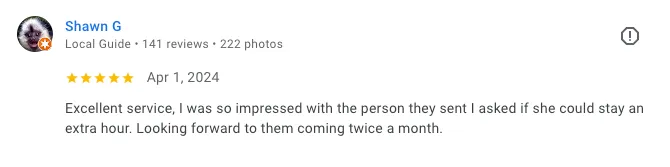
We have cleaned over 100,000 homes across New York City and we serve the entire Rockaway Peninsula. We also serve nearby Laurelton, St. Albans, and Hollis. Our teams reach Far Rockaway via the A train to Mott Avenue or by car through the Cross Bay Veterans Memorial Bridge. The length of the ride from Midtown does not affect our availability or our pricing. We arrive on time because we know the commute.