
On June 15, 1904, over a thousand women and children from St. Mark’s German Lutheran Church on East 6th Street boarded the excursion steamboat General Slocum for their annual summer outing on the East River. The boat caught fire before it cleared the neighborhood. Over a thousand of them died, making it the deadliest disaster in New York City history until September 11, 2001. Within a few years, most of the surviving German-American families had left the neighborhood entirely. They moved uptown to Yorkville, leaving behind the tenement buildings, the beer halls, the singing societies, and a vacuum that would reshape this grid of streets for the next 120 years.
That disaster is where the modern history of Alphabet City begins. Not with the punk era that most people associate with the neighborhood. Not with gentrification. With a boat fire on the East River that emptied out an entire ethnic community and opened the door for everyone who came after.
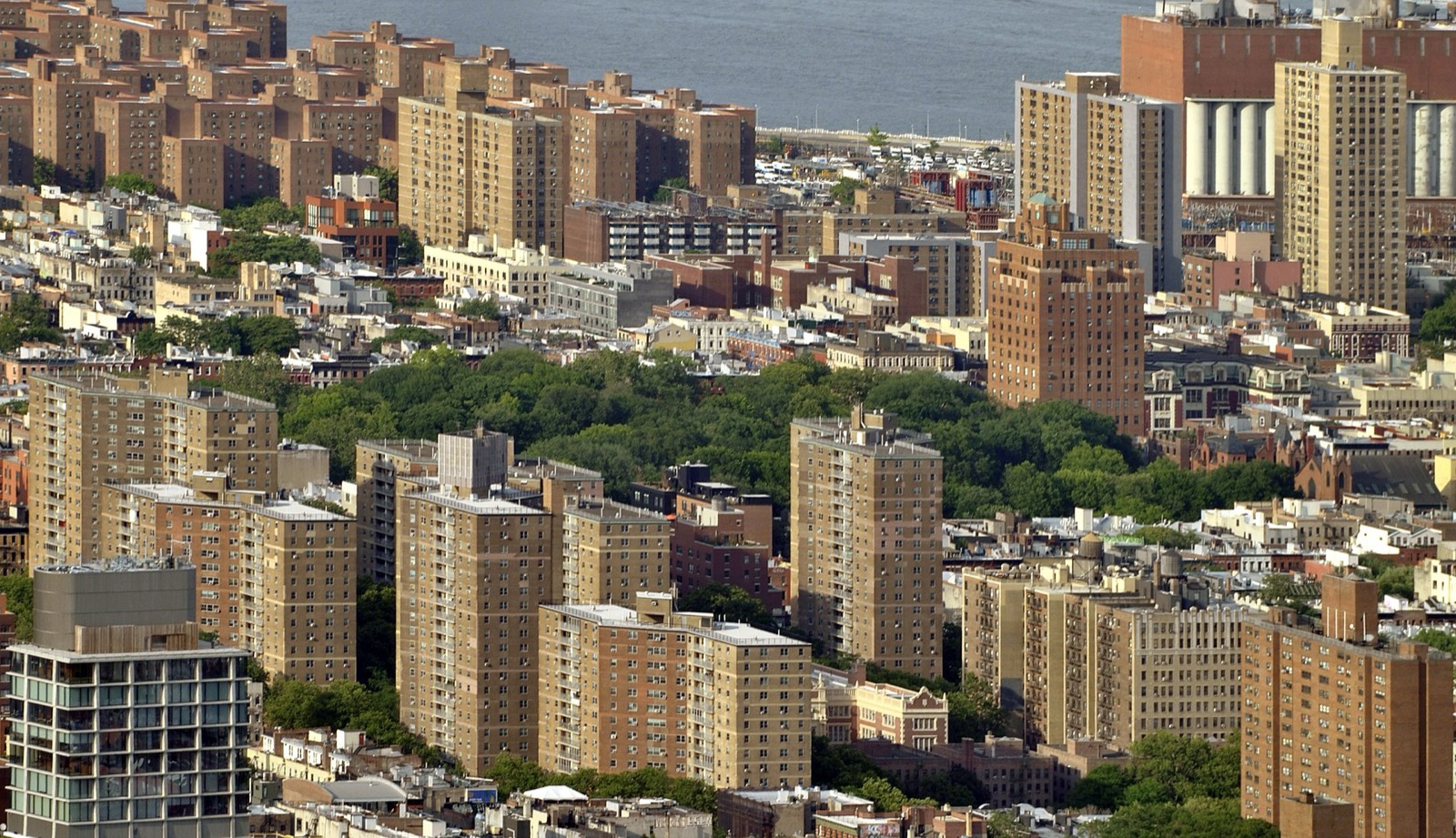
The four lettered avenues in Alphabet City were built on land reclaimed from the East River
The name is literal. Avenues A, B, C, and D are the only single-letter avenues in Manhattan, a quirk of the 1811 Commissioners’ Plan that extended the street grid east into what had been tidal salt marshes and East River shoreline. In the early 1800s, developers drained the marshes, pushed the shoreline eastward, and created buildable lots on reclaimed land. The numbered streets crossed the new avenues in the usual Manhattan grid, but the avenues themselves got letters instead of numbers. Nobody planned a nickname. The geography created one.
Before the grid existed, this land was part of Peter Stuyvesant’s farm, the “Bowery,” named from the Dutch word for farm. The Lenape had fished these shores for centuries before that. By the 1840s, the reclaimed land was filling with tenement buildings and immigrants. The first wave was German.
Kleindeutschland, or Little Germany, made this neighborhood the most densely populated German-speaking community in the United States. Some accounts called New York the third-largest German-speaking city in the world after Berlin and Vienna, and most of those German speakers lived in and around Alphabet City. They built churches, theaters, singing societies, newspapers, and beer halls. They built the Ottendorfer Library. They built a community so complete it was essentially a city within a city.
Then the General Slocum burned, and Kleindeutschland collapsed overnight. The buildings stayed. The community left.
Eastern European immigrants filled the tenements that German families had abandoned
The vacuum lasted only a few years. By 1910, Eastern European Jews escaping pogroms in the Russian Empire had flooded into the same tenement buildings alongside Poles, Ukrainians, and Italians. Families of five, six, seven people squeezed into two-room railroad flats. Pushcart markets clogged the avenues. Sweatshops operated out of apartment kitchens. Socialist politics and labor organizing were daily facts of life, and the neighborhood sent radical politicians to Albany and Washington.
The tenement buildings standing on Avenues B, C, and D today date primarily from this era. Built between 1879 and the early 1910s under successive tenement house laws, these five-to-six-story brick walk-ups with fire escapes on the front and back created the street wall that still defines the neighborhood. The 1879 law produced the “dumbbell” plan with a narrow airshaft between buildings. The 1901 New Law required light courts and interior bathrooms. You can tell which era a building comes from by how much light reaches the interior rooms.
These buildings are the housing stock that Alphabet City cleaning comes down to. They are not the prewar doorman buildings of the Upper East Side or the brownstones of Park Slope. They are walk-up tenements built to house immigrants as cheaply as possible, and they have their own cleaning realities. Narrow staircases. No elevator. No lobby. No doorman. A buzzer system on a street-level vestibule door. Apartments with rooms in a straight line, the railroad layout, where you walk through one room to reach the next. Small kitchens where a century of cooking has seasoned every surface. Radiators with cast-iron fins packed with dust that burns off every October when the steam heat kicks back on.
We clean these apartments every day across lower Manhattan. The walk-up does not change the quality of the clean. It changes the logistics. Our teams carry their own supplies, plan the clean to move front to back through a railroad layout, and know that prewar plaster and original hardwood require different care than sheetrock and laminate.
Puerto Rican families gave Alphabet City its second name and its cultural spine
After World War II, Puerto Rican families displaced from East Harlem and other Manhattan neighborhoods resettled in Alphabet City. The FDR Drive had already cut off the neighborhood from direct waterfront access. Robert Moses’s urban renewal projects built massive NYCHA towers along Avenue D and the East River, the Jacob Riis Houses and Lillian Wald Houses, displacing hundreds of tenement families while providing subsidized housing for others. By the 1960s, Alphabet City was predominantly Puerto Rican.
In 1974, poet and activist Bittman “Bimbo” Rivas wrote a poem called “Loisaida,” a phonetic rendering of how Spanish-speaking Nuyoricans pronounced “Lower East Side.” The poem celebrated the community’s resilience and cultural pride. The name stuck. Avenue C was officially co-named Loisaida Avenue in its honor, and the term carries weight that outsider-imposed neighborhood names do not. Loisaida is the name this community gave itself.
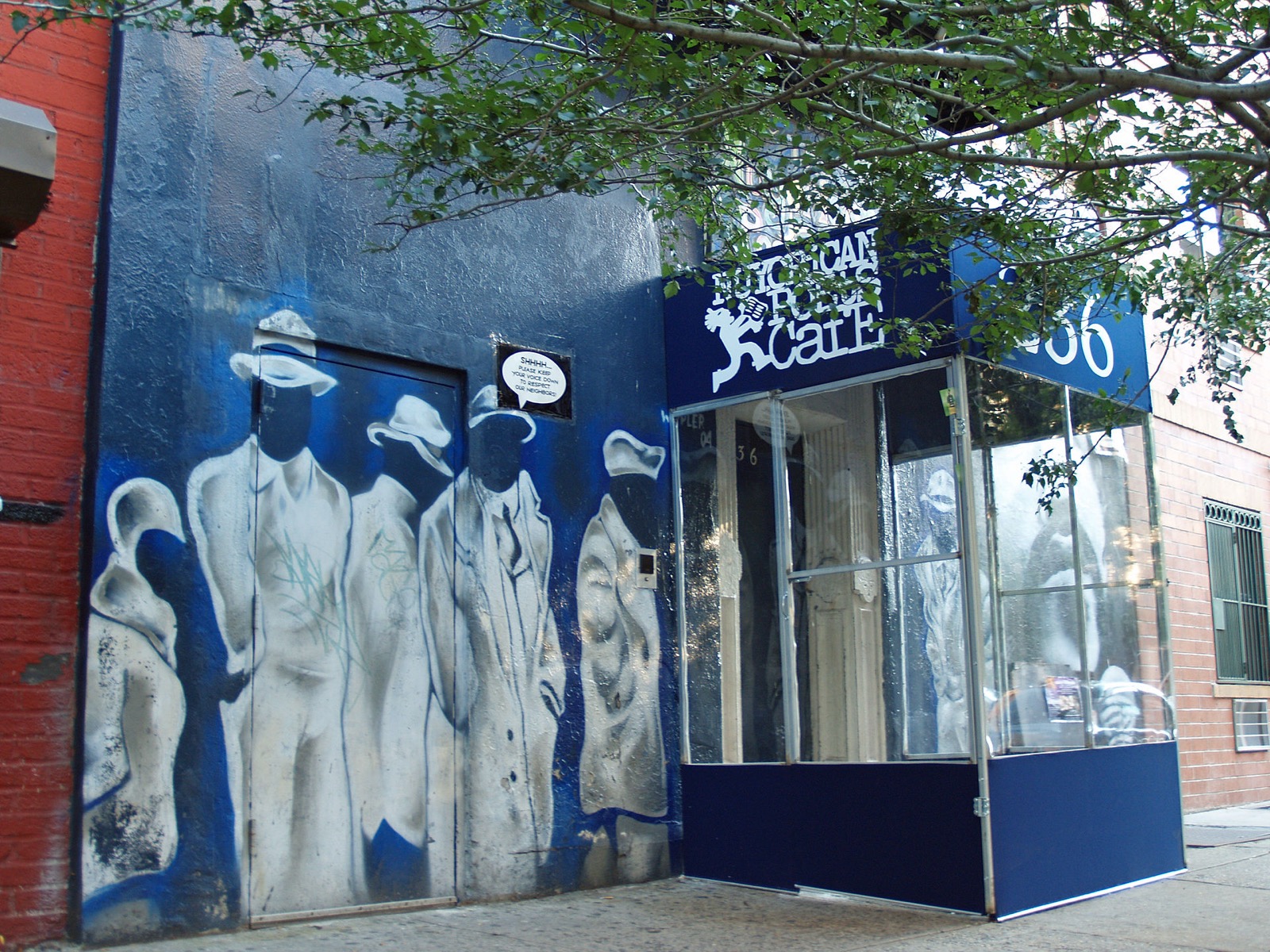
The cultural institutions that grew out of this community are still active. The Nuyorican Poets Cafe on East 3rd Street, co-founded by Miguel Algarin in 1975, became the most important spoken word and poetry slam venue in the country. Allen Ginsberg, who lived on East 12th Street for the last decades of his life, called it “the most integrated place on the planet.” Miguel Pinero, the playwright who won the New York Drama Critics Circle Award for his prison play Short Eyes, co-founded the cafe and asked in his poem “A Lower East Side Poem” for his ashes to be scattered on the streets of Loisaida. They were.
The Puerto Rican flag still appears in windows along Avenue C. The bodegas are real bodegas. The murals are political. The community gardens that line the blocks between Avenues B and D were planted by residents who refused to let abandoned lots stay empty. Over 50 community gardens survive in Alphabet City today, one of the densest concentrations in the entire city. They were won through confrontation. In 1999, the city tried to auction 114 of them to developers, and a coalition that included Bette Midler’s New York Restoration Project and the Trust for Public Land saved the majority. Today they are permanently protected.
Prewar tenement apartments in Alphabet City need cleaning that accounts for how they were built
The typical Alphabet City apartment is a railroad flat or a modified railroad in a five-to-six-story walk-up tenement. Studios and one-bedrooms run 350 to 650 square feet. Two-bedrooms in renovated buildings push toward 800 to 1,100 square feet. The newer condo buildings along Avenue A and the western edge of the neighborhood have modern layouts, but the dominant housing type is still the century-old tenement.
These apartments have specific cleaning considerations. The windows are often single-pane or poorly sealed, which means street dust and city particulate settle on every horizontal surface between cleanings. Windowsills, bookshelves, baseboards, and the tops of kitchen cabinets collect visible grime within a week. The steam radiators have cast-iron fins that trap dust and pet hair in places a cloth cannot reach without technique. Original hardwood floors, where they survive, need pH-neutral cleaning rather than harsh detergents. Prewar plaster walls and decorative molding chip if you scrub them.
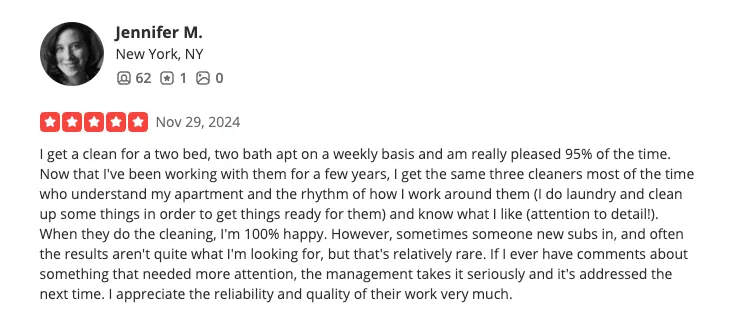
Our recurring apartment cleaning in Alphabet City addresses all of this. A full dust of every reachable surface. Careful treatment of original surfaces. Kitchen and bathroom deep-attention on every visit. The same team returns each time because learning the details of a prewar apartment once and remembering them is more efficient than re-learning them every two weeks.
For apartments that have not been cleaned thoroughly in a long time, we start with a deep clean. The first visit resets everything: appliance interiors, baseboards, light fixtures, bathroom grout, the radiator and vent covers, behind furniture, under furniture. Cabinet interiors and the interior window glass are add-ons you tick at booking, priced on the quote before you confirm. After that, recurring cleaning keeps it maintained. The gap between the first visit and the second visit in a neglected Alphabet City apartment is significant.
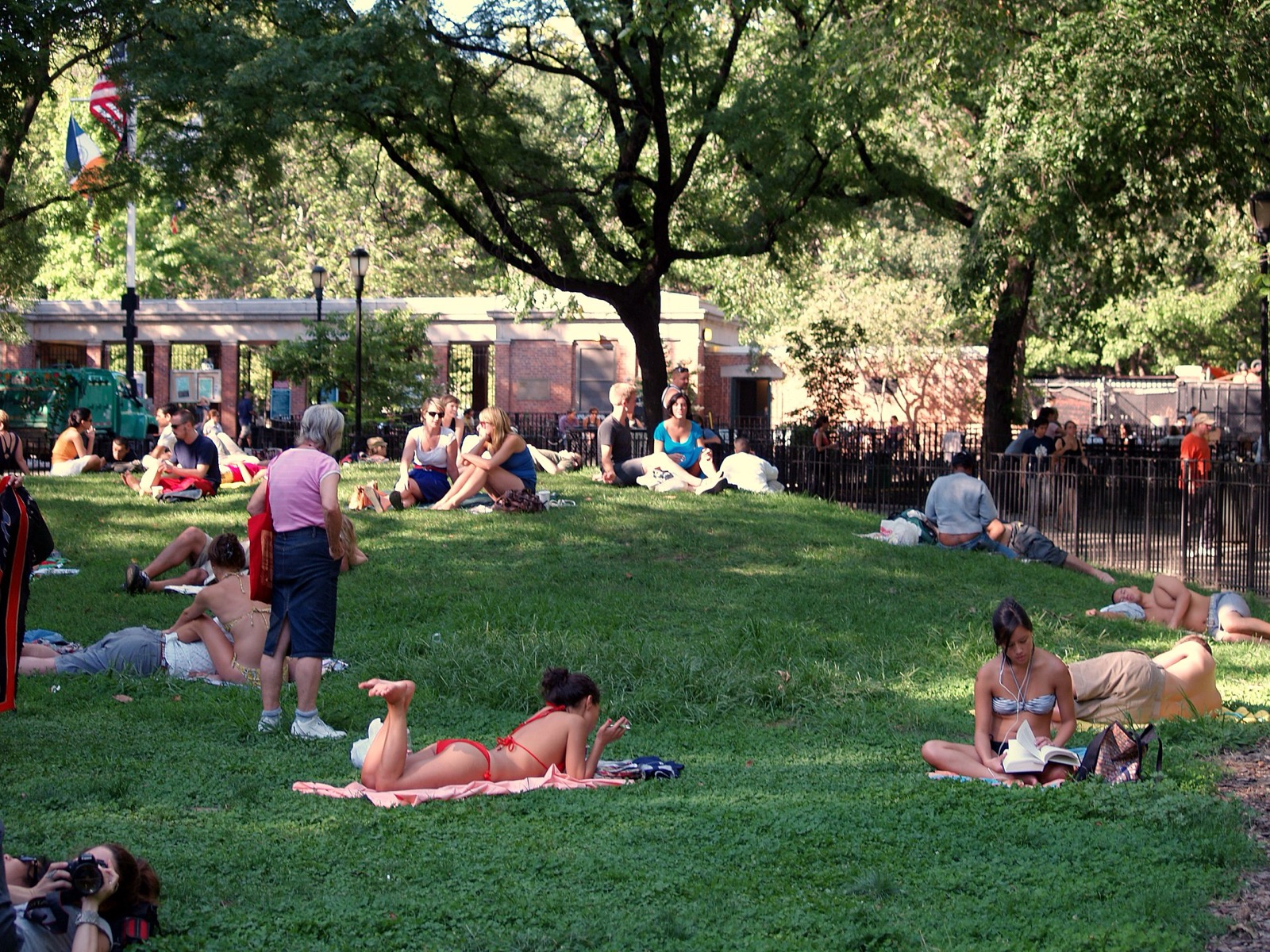
The squatter era and the 1988 Tompkins Square Park riot shaped the neighborhood people know today
The 1970s nearly destroyed Alphabet City. Landlords abandoned buildings. Entire blocks of tenements fell into ruin. Heroin devastated the community, and open-air drug markets on Avenues C and D became infamous. Into the ruins came a different wave: artists, punk musicians, anarchists, and squatters who took over vacant city-owned buildings and refused to leave. Whole squatter communities formed on Avenues B, C, and D. The neighborhood became a strange coexistence of deep Puerto Rican poverty, radical politics, and a raw punk-art underground.
On August 6, 1988, a protest against a Parks Department curfew at Tompkins Square Park erupted into a full-scale riot. The park had become a de facto encampment for homeless people, drug users, squatters, and anti-gentrification protesters. When 400 NYPD officers in riot gear moved in, protesters fought back. Officers removed their badges before clubbing protesters and bystanders. Over 100 police brutality complaints were filed. The protest signs read “Gentrification Is Class War, Fight Back.”
The gentrification came anyway. Beginning in the early 1990s, low rents relative to the rest of Manhattan drew students, artists, and young professionals. The crack epidemic faded. The open drug markets disappeared. Real estate values climbed. By the mid-2000s, Alphabet City was thoroughly gentrified, and the transformation was complete. New bars, farm-to-table restaurants, and wine shops filled the ground floors of the same tenements where immigrants had once crowded six to a room.
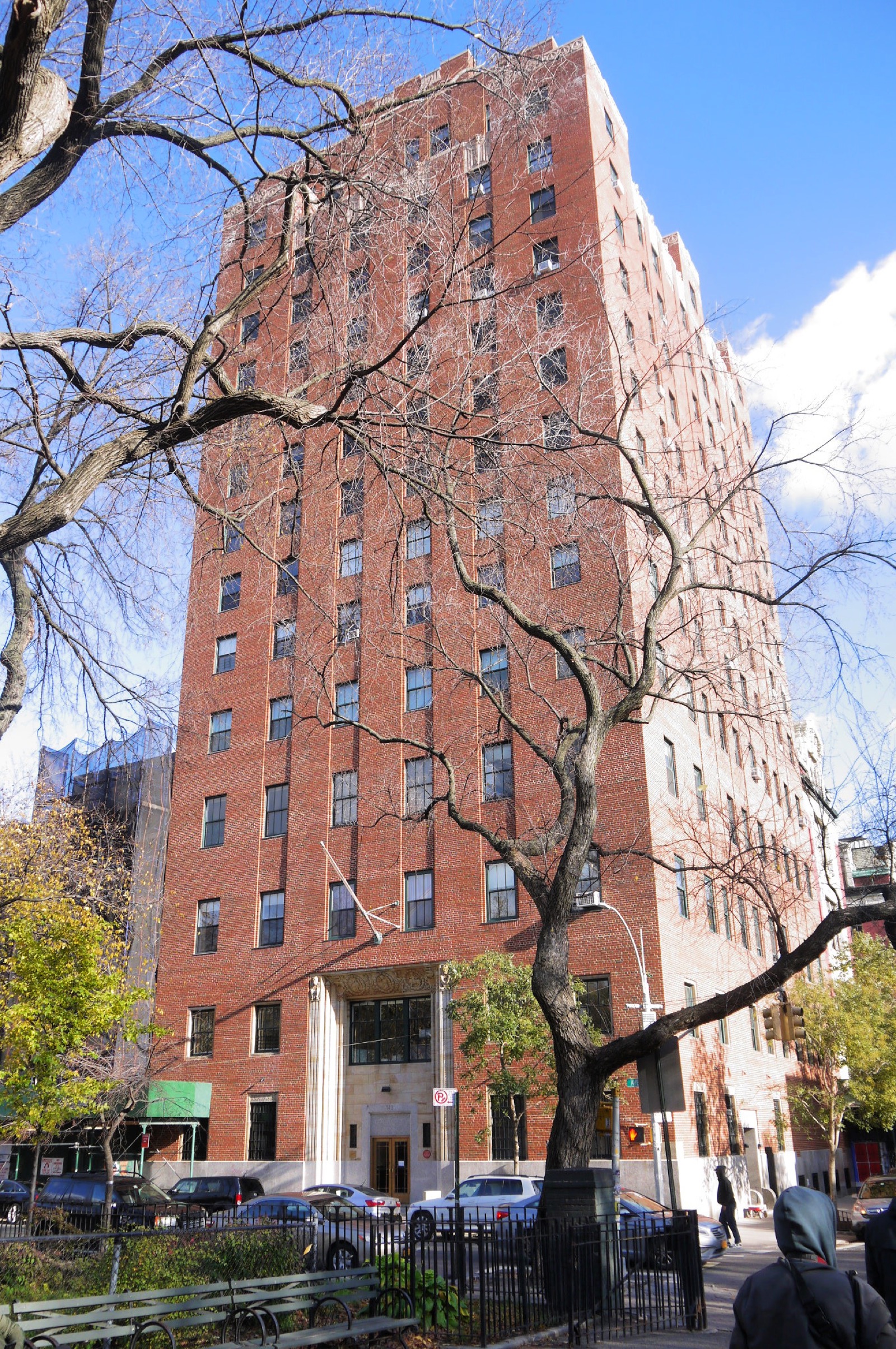
What persists from every era is the physical neighborhood itself. The tenements. The community gardens. Tompkins Square Park. The Nuyorican Poets Cafe. The NYCHA towers along Avenue D where thousands of working-class families still live. Charlie Parker’s apartment at 151 Avenue B still has a historic plaque on the wall. The Christodora House at 147 Avenue B, built in 1928 as a settlement house for immigrants and converted to luxury condos in the 1980s, still towers 16 stories above the tenement roofline, a building that contains the entire arc of the neighborhood’s history in a single structure.
The food in Alphabet City reflects every community that has passed through these blocks
The cooking here has layers. The Ukrainian and Eastern European traditions survive at Veselka and B&H Dairy, a tiny Jewish dairy diner on Second Avenue open since 1938 serving challahs, vegetable soups, blintzes, and egg creams. The Puerto Rican food traditions of Loisaida persist in the bodega culture of Avenues C and D, with homemade pasteles during the holidays, pernil, arroz con gandules, and the bodega coffee counter that anchors a morning. Cafe Mogador has been doing Moroccan tagines and shakshuka since 1983. Sobaya on East 9th Street makes handmade buckwheat soba noodles in one of the quietest rooms in the neighborhood. The newer arrivals added wine bars and farm-to-table spots. Lucali, the legendary Brooklyn pizza institution, opened a second location here.
The range of cooking in this neighborhood means kitchens get used in different ways. Some tenement kitchens are small galley setups with barely enough counter space for a cutting board, and the stovetop grease accumulates fast because there is no exhaust hood pulling the oil vapor away. Other apartments have been renovated with modern kitchens, but the steam radiator near the window still collects food particulate that drifts through the room. Either way, the kitchen is usually the room that shows the most wear between cleanings. We treat it accordingly on every visit.
Your Saturday should be spent at Tompkins Square Park or the Loisaida Festival, not scrubbing tile grout
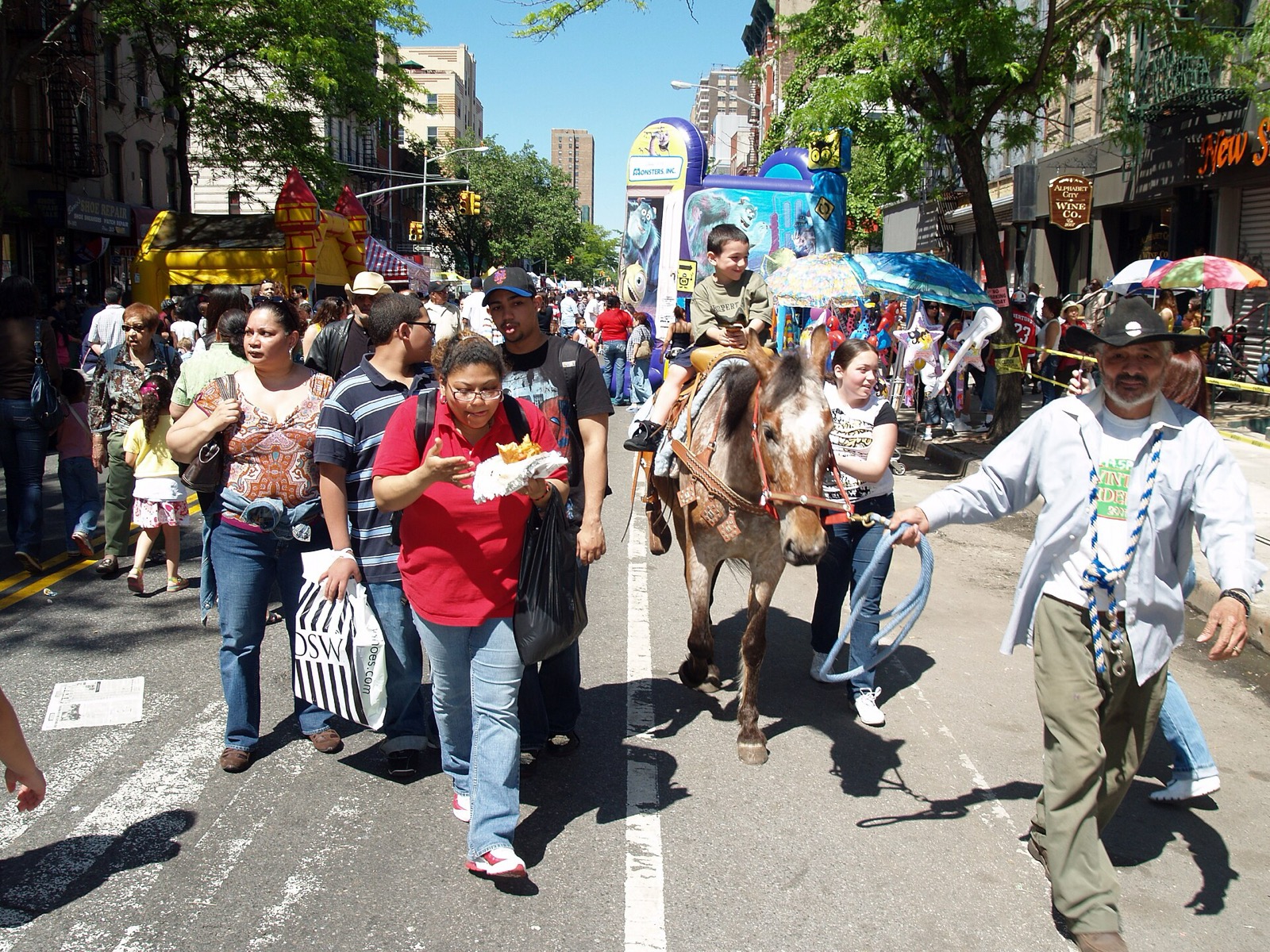
Alphabet City is one of the most walkable neighborhoods in Manhattan. The grid is tight, the blocks are short, and almost everything you need is within a few minutes on foot. Avenue A is the social artery with sidewalk cafes, restaurants, and brunch crowds. Veselka on Second Avenue has been serving pierogis and borscht 24 hours a day since 1954. Cafe Mogador on St. Marks Place has been doing Moroccan tagines since 1983. The Loisaida Festival on Memorial Day weekend shuts down Avenue C for live music, food, and dancing. Tompkins Square Park is 10.5 acres of green space with a bandshell, a beloved dog run, playgrounds, and some of the last surviving American elm trees in Manhattan.
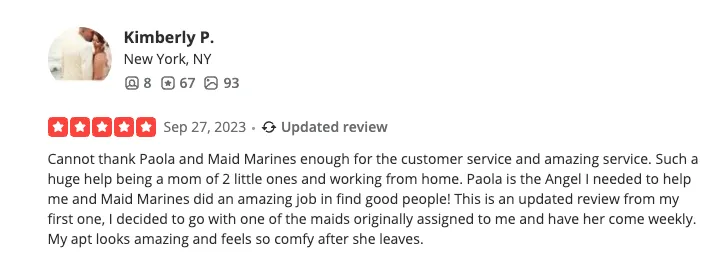
That is where your weekend should go. The apartment can be handled on a weekday by someone who does this professionally. We send the same team on a recurring schedule, they know your apartment, they know your building, and they leave it clean while you are at work or out in the neighborhood. That is the arrangement.
For tenants moving in or out, our move-in and move-out cleaning handles the full reset that landlords and management companies inspect. Inside cabinets, appliance interiors, baseboards, window tracks, and every surface the next person will touch. Alphabet City apartments turn over, and the cleaning between tenants matters.
Cleaning Alphabet City apartments means understanding four different building types in one neighborhood
Not every building here is a walk-up tenement. The neighborhood has at least four distinct housing types, each with different access logistics and cleaning needs.
The prewar tenement walk-ups on Avenues A through D are the dominant type. No doorman, no elevator, no COI requirements. You give us a key or buzz us in. The NYCHA towers along Avenue D, the Riis Houses, Wald Houses, and Campos Plaza, have their own access systems and building management. The newer condo buildings on Avenue A and the western edge often have lobbies, front desks, and COI requirements. And the converted loft and co-op units scattered through the neighborhood have their own quirks depending on the building.
We handle all of them. The COI paperwork for a new condo, the walk-up logistics for a sixth-floor tenement, the scheduling flexibility for a NYCHA unit. Our cleaning services cover the full range of what exists in Alphabet City.
The L train at First Avenue and 14th Street is the primary subway connection. The F and M trains at Second Avenue and Houston cover the southern edge. Citibike stations are everywhere, and the East River Greenway runs along the waterfront. Our cleaning teams use transit to reach Alphabet City the same way residents do. No driving issues, no parking delays, no reason for late arrivals.
What booking looks like for Alphabet City residents
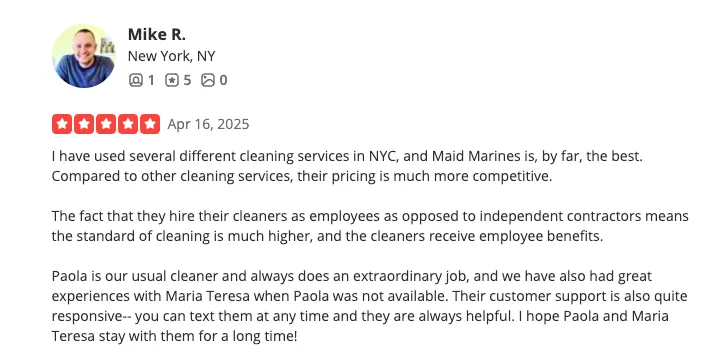
You pick your date and time on our booking page. You see the flat-rate price before you commit. If you live in a walk-up, tell us the floor and we plan for it. If your building needs a COI, we handle it. If your railroad apartment has layout details worth knowing, tell us once and we note it permanently on your account. Our cleaners are W-2 employees, not gig workers. They are vetted, insured, and they know lower Manhattan tenement buildings.
We serve Alphabet City and all of lower Manhattan. Nearby neighborhoods we cover include Chelsea, Tribeca, the Financial District, Hell’s Kitchen, and the Upper East Side. The L train, the F and M, and the 6 train all connect Alphabet City to the rest of the borough, and our teams travel the same routes every day.