
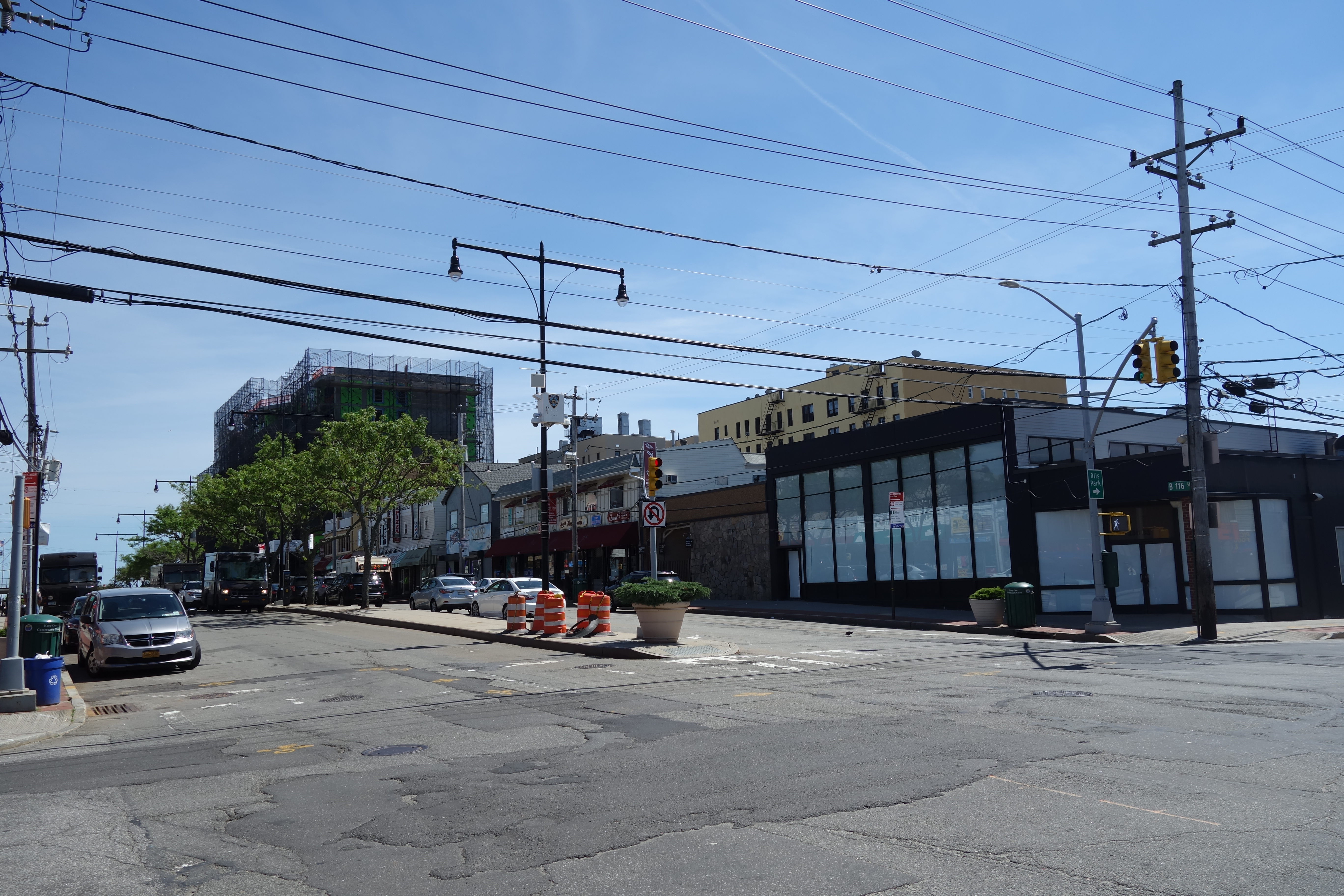
Rockaway Park sits at the end of the A train, on a barrier island between Jamaica Bay and the Atlantic Ocean, in a neighborhood where the housing stock ranges from 1920s summer bungalows to post-Sandy elevated new construction built on concrete pilings. The salt air that comes in off the water gets into window tracks, door hardware, and grout lines in ways that do not affect homes five miles inland, and the sand that residents carry in from the boardwalk settles into flooring and rugs with a persistence that ordinary cleaning does not address. We have been cleaning homes on the Rockaway Peninsula long enough to know the difference.
What the housing stock here actually requires
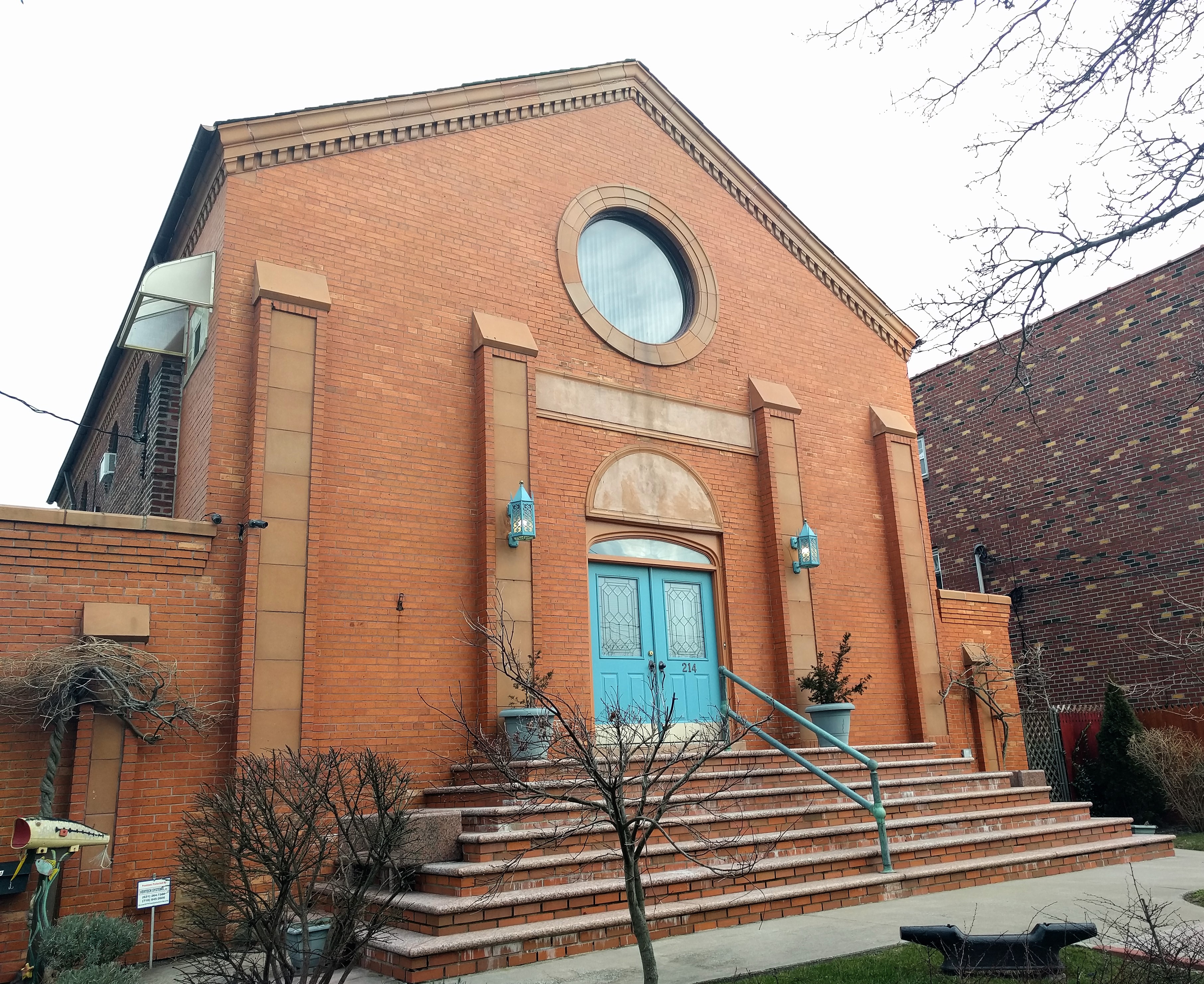
The dominant dwelling type in Rockaway Park is the bungalow: a one-to-one-and-a-half story wood-frame structure originally designed for seasonal summer occupation and converted to year-round use over the postwar decades. These homes have original old-growth wood floors, bead board walls and ceilings, and the kind of architectural detail that newer homes do not. They also have the cleaning challenges that come with 80 to 100 years of continuous habitation in a coastal environment.
Old-growth wood floors from the bungalow era are typically harder than modern lumber but often finished with wax rather than polyurethane. The wrong cleaner, or too much water in a single pass, dulls or damages a wax finish that cannot easily be restored. We use pH-neutral, wax-compatible solutions and barely damp microfiber on original floors throughout the neighborhood. Bead board ceilings and walls get a dry microfiber pass rather than any wet wipe, because the painted wood grain in original bead board will absorb moisture and raise.
The Cape Cod and Colonial homes built through the 1950s and 1960s are more forgiving but have their own considerations. Tiled bathrooms from that era, common in Rockaway Park, have grout lines that collect the sand and salt residue of a coastal home. Standard mopping does not reach grout. We scrub grout as a standard part of tile cleaning rather than treating it as an optional upgrade.
Post-Sandy elevated homes represent a growing proportion of the housing stock, particularly on ocean-facing blocks. These structures were built on raised foundations or concrete pilings after Hurricane Sandy’s 2012 storm surge destroyed or damaged the original bungalows beneath. The main living floors sit 10 to 15 feet above grade. The ground floor is often unfinished utility and parking space. Interior stairs connecting the living levels need specific equipment. We confirm building configuration when you book so the team arrives prepared.
House cleaning for a neighborhood that lives at the beach year-round
The coastal environment is the defining cleaning variable for Rockaway Park. Salt air deposits a fine film on interior window tracks, door hardware, and the metal fixtures around window frames. This film builds up over weeks and oxidizes exposed metal. Left alone through a summer, window tracks fill with a combination of salt film, sand, and humidity-driven grime that ordinary wiping does not remove.
Our house cleaning approach for Rockaway Park addresses this directly. Sills, ledges, and window frames are wiped with a damp cloth on every visit rather than treated as optional surfaces. If your home has window air conditioning units, we clean the exterior perimeter and the area around the unit where salt-laden air concentrates. The tracks themselves are part of the paid interior-window add-on, and on a coastal house it is worth adding a couple of times a year so the buildup does not compound.
Sand is the other constant. Residents of Rockaway Park track sand in from the boardwalk, the beach, and the parking areas along Beach Channel Drive. On hardwood and tile floors we start with a dry microfiber flat mop pass before any wet cleaning to lift sand particles without scratching. Rugs and area rugs are vacuumed before spot treatment. Grout lines in entry and bathroom tile get scrubbed as part of the tile floor cleaning cycle.
Deep cleaning for homes that earn their living in the summer rental market
A significant portion of Rockaway Park’s housing stock participates in the summer rental economy. Bungalows and cottages that serve as primary residences during the off-season become weekly or monthly rentals from Memorial Day through Labor Day, drawing visitors from Brooklyn and Manhattan who are willing to pay $4,000 to $10,000 a month for direct beach access.
Turnover cleaning between renters is among the most intensive work we do in this neighborhood. A week of beach visitors leaves a home with sand tracked through every room, sunscreen residue on bathroom surfaces, salt water and humidity from open windows, and the general intensity of a house running at vacation capacity. Turnover cleaning covers the full home top to bottom: kitchen including inside appliances and range hood, bathrooms with grout scrubbing, all floors with the sand protocol, and the linens stripped and prepared for the next tenant.
We accommodate short-notice turnover windows during the summer season. Book a turnover for the morning after checkout at clients.maidmarines.com and we confirm the team’s availability for same-day or next-day service. The Rockaway rental market moves fast in July and August, and we know the timing.
Deep cleaning for year-round residents serves a different purpose: the post-summer reset after Labor Day, when the house has been running hard through the beach season and needs the kind of attention that moves furniture, addresses behind-the-refrigerator grease, and scrubs the grout that accumulated salt through the summer. Book one in September, before the windows stay closed through fall.
A neighborhood held together by something older than its surf culture
The Irish Riviera nickname has persisted for over a century because it is accurate. Rockaway Park has one of the highest concentrations of Irish-American families in Queens, built over generations by firefighters, police officers, and municipal workers who bought homes near the beach on city salaries and stayed. The parish at St. Rose of Lima, the firehouses on the commercial strip, and the regular crowd at the neighborhood’s traditional pubs represent an institutional life that predates and will outlast the beach lifestyle culture that arrived more recently.
The neighborhood lost approximately 70 residents on September 11, 2001. For a community of roughly 21,000 people, that number is extraordinary. Tribute Park on the bay shore, where a granite wall is engraved with the names of all 343 FDNY firefighters who died that day, is not a designed amenity for visitors. It is a community memorial visited regularly by families who lost fathers and brothers and uncles. The annual observance on September 11 draws the fire stations, the parish, and the neighborhood in a gathering that has happened every year since 2005.
The surf culture that has become a defining part of Rockaway Park’s identity was not imported from Brooklyn. It grew here, over decades, from the legal surf breaks between Beach 90th and Beach 116th Streets that are the only sanctioned surfing zones in the five boroughs. The Rockaway surf community is organized, skilled, and decades old. The Brooklyn-spillover wave of the 2010s added new residents and restaurants to a culture that was already present.
While we clean, here is how to use your time
Your appointment runs two to three hours. That is one full length of the Rockaway Boardwalk and back, which is exactly long enough. Walk south from Beach 116th Street, turn toward the water, and go. If the weather is right and the surf is up, the zone between Beach 90th and Beach 116th Street is worth stopping to watch for a while before turning back. Grab something to eat at Goody’s BBQ or Caracas Arepa Bar when you return, or walk the commercial strip to Seany Pizza for a slice. If you want something quieter, the 15-minute walk to Tribute Park on Beach Channel Drive and back along the bay side of the peninsula is its own kind of afternoon.
The NYC Ferry Rockaway route runs late May through early September and docks near the neighborhood. If you are trying to get to Lower Manhattan for something, the 70-minute ferry ride is more pleasant than the 75-minute A train run. Schedule your appointment for a weekday morning, take the ferry to work, and come home to a clean house via the A train in the evening.
Booking and logistics on the peninsula
We reach Rockaway Park via the A train to the Beach 116th Street terminus, which is the end of the line. Our teams make this run regularly and we are familiar with the peninsula’s access patterns. Most clients provide a lockbox code or key with a neighbor, which is the standard access arrangement for a neighborhood where the commute can make being home at a specific time complicated.
Flat-rate pricing based on bedrooms, bathrooms, and square footage means you see your exact price before you commit. Bungalow, elevated new construction, two-family home, or rental cottage: the price reflects your specific home. No surprises at the end of the appointment for stairs, additional floors, or beach-related conditions. If your building requires a Certificate of Insurance, we furnish one before the first visit.
We have cleaned over 100,000 homes across New York City. The specific combination of old-growth wood floors, salt air film, sand in grout, and post-Sandy elevated construction that defines Rockaway Park is a set of conditions we know how to address. Book your first cleaning and we confirm the team and the approach before they arrive.
We also serve nearby Howard Beach, Ozone Park, and Jamaica, and all of Queens and the broader New York City area.