
On June 15, 1904, a steamboat called the General Slocum caught fire on the East River carrying 1,400 women and children from a German Lutheran church on East 6th Street. Over 1,000 of them died. It was the worst loss of life in New York City until September 11, 2001, and it happened to the families of one neighborhood. Within a few years, the German community that had spent 60 years building churches, beer halls, theaters, and mutual aid societies across the East Village simply left. They relocated uptown to Yorkville and never came back. The buildings they abandoned were filled almost immediately by Eastern European immigrants pouring through Ellis Island. And then by beats, punks, poets, painters, squatters, and eventually the people who could afford the rents that followed. The East Village has been gaining and losing entire populations for over 170 years. The tenement buildings remain through all of it, absorbing each wave of living.
Those buildings are what you are cleaning when you clean in the East Village. Five and six story brick tenements built between the 1860s and the 1930s, many with railroad-plan apartments, cast-iron radiators, original plaster walls, and window frames that have been painted shut and pried open so many times the wood no longer sits flat. The cleaning challenges here are not about luxury finishes or high ceilings. They are about old buildings that have been lived in hard for over a century, in a neighborhood where the apartment is small, the cooking is constant, and the dust never stops.
Pre-war tenement walk-ups are the dominant housing stock in the East Village
The vast majority of East Village residents live in the same building type: five or six story brick tenements constructed for immigrant working-class families between the 1860s and the 1930s. Dumbbell tenements built under the 1879 Tenement House Act, Old Law tenements from before that, and New Law tenements from after 1901. The facades are brick with cast-iron or brownstone lintels, front fire escapes, and the continuous street walls that give the neighborhood its density and human scale.
Inside, the apartments follow a few predictable patterns. Railroad layouts where rooms connect to each other without a hallway. Bathtub kitchens from the era when a cast-iron tub in the kitchen was standard. Rooms with one window each, sometimes facing a narrow airshaft rather than the street. The ceilings are typically nine feet, the floors are hardwood that has been refinished or covered over multiple times, and the walls are plaster that cracks and patches and cracks again.
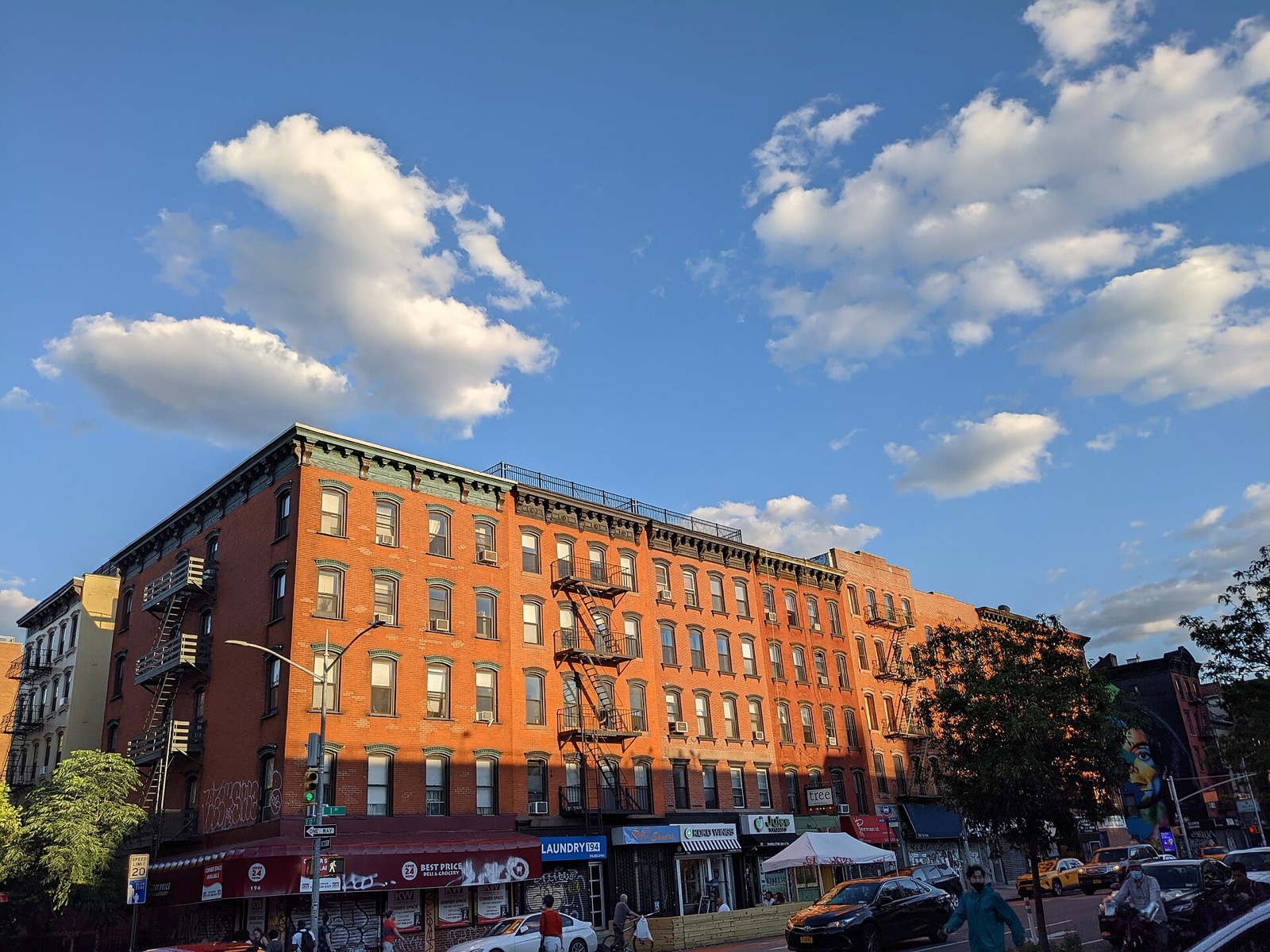
These apartments are small. A one-bedroom in a tenement walk-up runs 450 to 650 square feet. Studios are smaller. The smallness concentrates everything. Kitchen grease does not stay in the kitchen when the kitchen is three feet from the bedroom. Dust from the street does not stay by the window when the entire apartment is one room deep. The radiator dust that burns off in October fills the whole space because there is nowhere for it to go.
Cleaning a tenement apartment well means understanding that the size amplifies every problem. A missed surface in a 2,000 square foot loft is a detail. A missed surface in a 500 square foot railroad apartment is the thing you see every time you walk through. Our teams clean these apartments throughout the East Village every week, and they work them back to front so cleaned areas stay clean as they move through the space.
The neighborhood that launched punk rock at CBGB also built an entire literary tradition on these blocks
The cultural history of the East Village is not decorative background. It is the reason the neighborhood exists in its current form, and it matters for understanding what you are living in.
The Bowery, which forms the western edge of the East Village, is the oldest road in Manhattan. It was a Lenape footpath before it was a Dutch farm track before it was the most infamous skid row in American history. Peter Stuyvesant, the last Director-General of New Netherland, built his farm along the Bowery in 1647. His estate ran roughly from present-day 5th Street to 17th Street. Stuyvesant Street, one of the only diagonal streets in Manhattan, still follows the property line of that farm. It predates the city’s grid by 164 years. His tomb is in the churchyard of St. Mark’s Church-in-the-Bowery at 131 East 10th Street, which has been a site of continuous religious use since 1660.
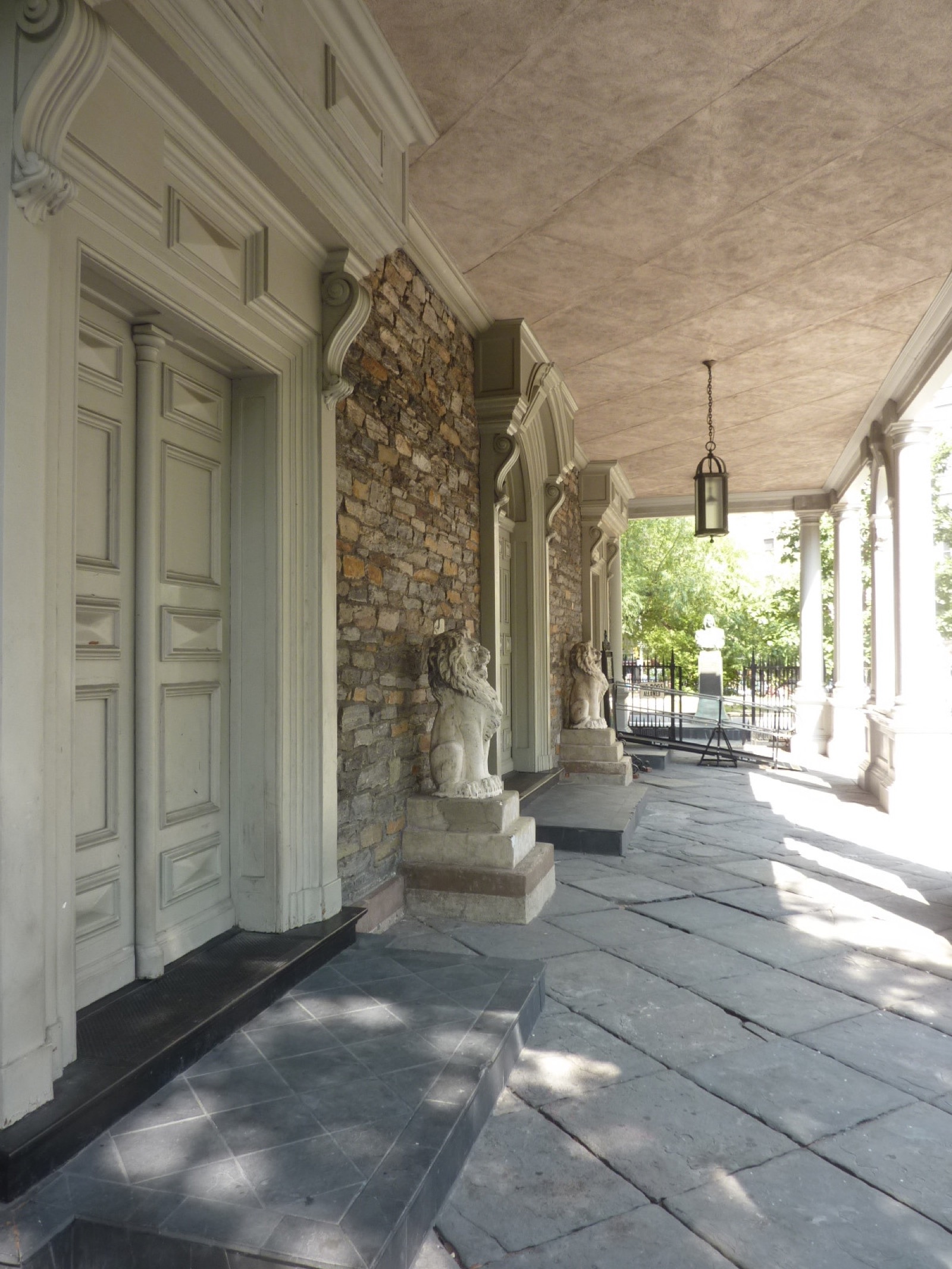
By the 1840s, the East Village was fashionable. Colonnade Row on Lafayette Street, four surviving marble-faced Greek Revival townhouses from 1833, was one of the most prestigious addresses in New York. John Jacob Astor and Cornelius Vanderbilt lived there. The Astor Place Opera House opened in 1847, and two years later it became the site of one of the deadliest civil disturbances in American history. A feud between two actors escalated into a class riot. The state militia opened fire on the crowd. Twenty-two people were killed.
Then came the Germans, the Eastern Europeans, the Puerto Ricans, the beats, the punks. Each wave left its mark on the physical neighborhood. Allen Ginsberg lived at 437 East 12th Street for nearly 40 years and died in that apartment in 1997. W.H. Auden lived at 77 St. Marks Place for almost 20 years. Leon Trotsky had lived in the same building decades earlier. Charlie Parker spent his last years at 151 Avenue B. Joey Ramone lived on East 9th Street for decades. Patti Smith came up through CBGB at 315 Bowery. Keith Haring drew chalk figures on blank subway advertising panels before opening the Pop Shop on Lafayette Street. Jean-Michel Basquiat started as a graffiti artist tagging SAMO on walls a few blocks away.
CBGB opened in 1973 under Hilly Kristal, who intended the initials to stand for “Country, Bluegrass, and Blues.” Within two years it was the most important rock venue in the world, launching the Ramones, Television, Blondie, Talking Heads, and Patti Smith. The club closed in 2006. Its former address became a John Varvatos clothing boutique, which itself later closed. The address at 315 Bowery has now outlived the fame of both its most famous tenant and the brand that replaced it.
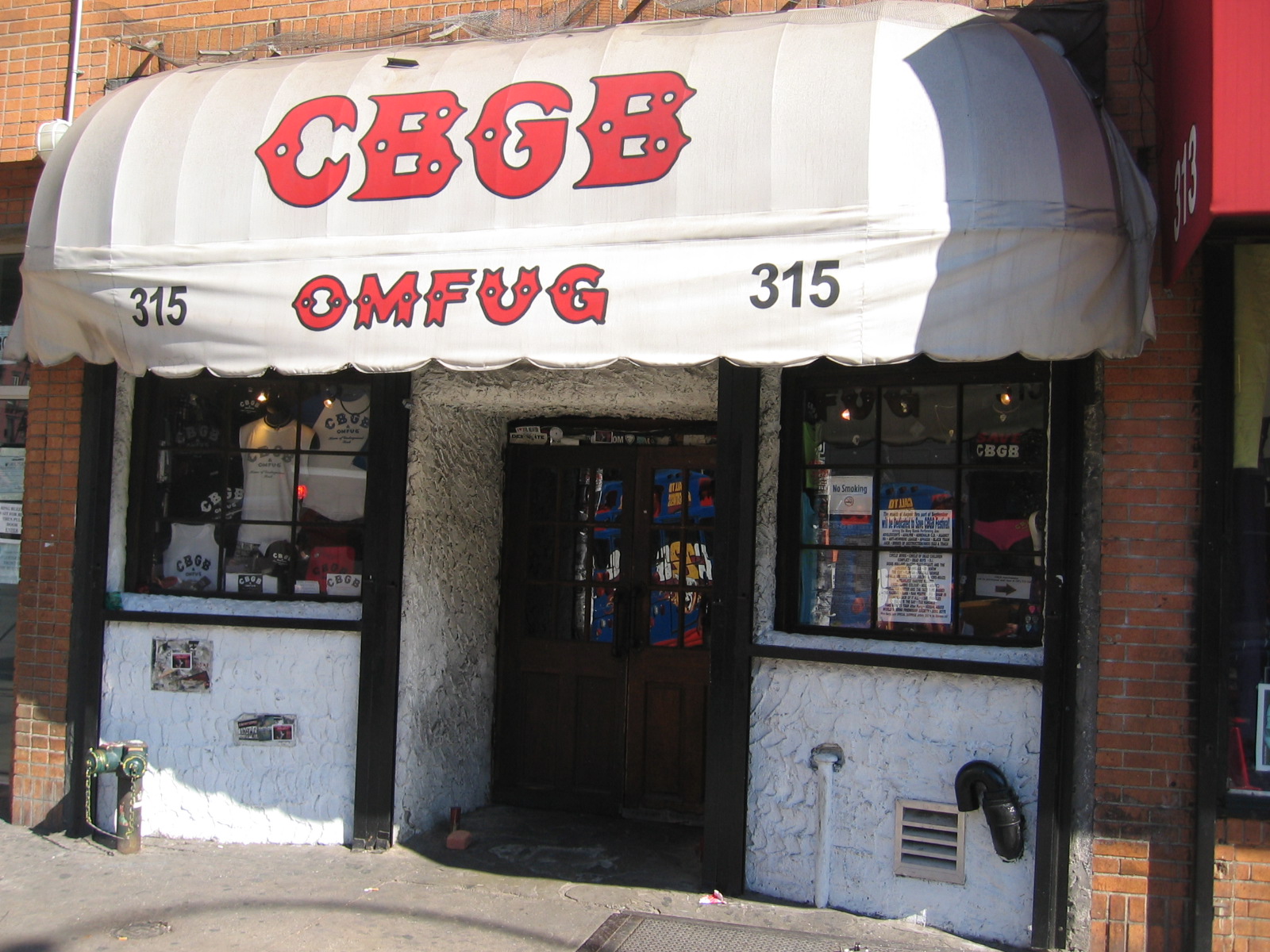
None of this is ancient history in the way that it might feel in other cities. Ginsberg died in 1997. CBGB closed in 2006. The Nuyorican Poets Cafe on East 3rd Street, co-founded in 1975, is expected to reopen after renovation. St. Mark’s Poetry Project at St. Mark’s Church continues to host readings. The cultural tradition is not preserved in museums. It is preserved in the buildings and institutions that are still operating on these blocks.
Alphabet City and Loisaida carry a different cleaning context than the western East Village
The East Village splits roughly at Avenue A. West of Avenue A, the neighborhood blends into the NYU orbit, with newer restaurants, bars, and commercial energy along Second and Third Avenues. East of Avenue A, the character changes. Alphabet City, covering Avenues A through D, was historically the Puerto Rican and Latino heart of the neighborhood. The name “Loisaida,” a Spanish pronunciation of “Lower East Side,” was coined by poet Bimbo Rivas in 1974 and defined the community identity that persists in the bodegas, community gardens, and murals along Avenues B and C.
The housing stock in Alphabet City is similar to the rest of the East Village, tenement walk-ups, but the eastern boundary along Avenue D includes the Jacob Riis Houses, Lillian Wald Houses, and other NYCHA complexes. These are high-rise tower-in-the-park developments that provide thousands of units of subsidized housing. The apartment cleaning needs are different here. NYCHA apartments tend to have standard modern fixtures, vinyl or tile flooring, and layouts that are more straightforward than the quirks of a 140-year-old tenement. But the buildings have their own access protocols and scheduling requirements.
The community gardens are one of the most distinctive features of Alphabet City. In the 1970s and 1980s, when abandoned buildings and vacant lots defined the neighborhood, residents took over the empty lots and built gardens. Many of these are now protected. They are tended by neighbors, open to the public on weekend afternoons, and they represent something rare in Manhattan: communal outdoor space created and maintained by the people who live next to it.
The cooking culture across the East Village reflects the layered demographics. The South Asian restaurants along East 6th Street between First and Second Avenue, once a full block of Indian and Bangladeshi restaurants, have thinned but not disappeared. The Ukrainian presence around Second Avenue and 7th Street persists through Veselka, Surma Ukrainian Shop, and the churches. The Puerto Rican and Dominican food traditions of Alphabet City remain. Japanese ramen, Korean, and contemporary American restaurants fill the newer commercial spaces.
All of that cooking happens in apartments, too. The kitchen in a tenement apartment is rarely separate from the rest of the home. It is often part of the main living space or connected through an open doorway. Daily cooking in these tight quarters means grease on every nearby surface. A deep clean in an East Village kitchen means degreasing the range hood, cabinet faces, backsplash, and the ceiling above the stove. A standard wipe-down does not reach what builds up over months of daily use.
Little Ukraine has outlasted every demographic wave for over a century
The Ukrainian community in the East Village once numbered 60,000 people, concentrated around Second Avenue and East 6th through 7th Streets. Post-World War II displaced persons and political refugees built an institutional infrastructure that included churches, social clubs, libraries, and the Ukrainian National Home at 140 Second Avenue. Today, fewer than 400 Ukrainian-born residents remain. But the institutions endure.
St. George Ukrainian Catholic Church on East 7th Street still holds services. The Ukrainian Orthodox Cathedral of St. Volodymyr still anchors its congregation. Surma Ukrainian Shop still sells embroidered goods and icons. And Veselka, the 24-hour diner at Second Avenue and East 9th Street that has been serving borscht since 1954, received a James Beard America’s Classic Award not for the food alone but for what it represents as a cultural institution that has survived every change the neighborhood has undergone.
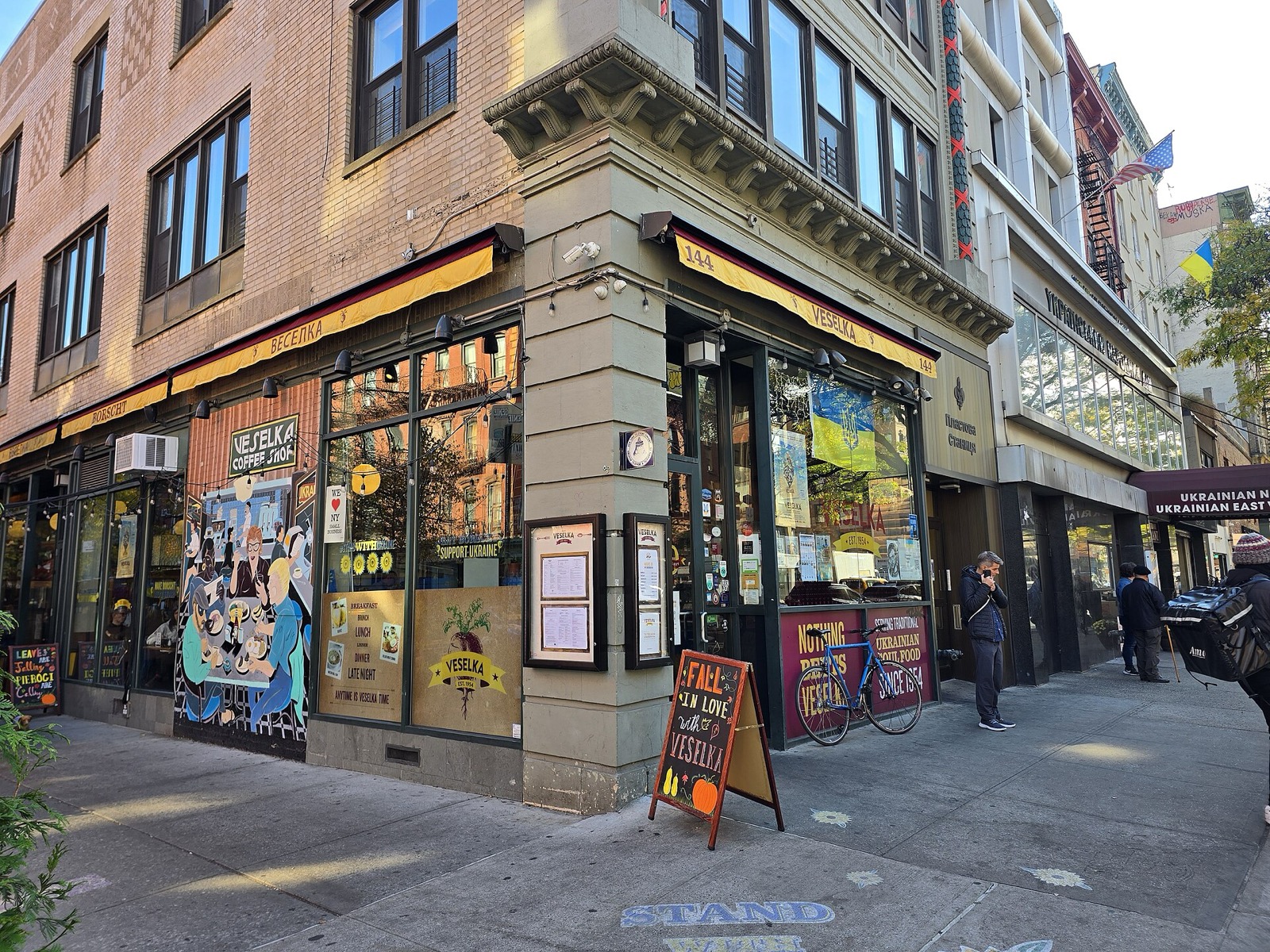
After Russia’s invasion of Ukraine in 2022, the East Village became a site of solidarity vigils and demonstrations. The institutional presence of a community outlasts the demographic majority by decades. That is true of every group that has passed through the East Village, from the Germans to the Puerto Ricans to the punks. The buildings absorb the layers. Cleaning these spaces well means understanding that even a small walk-up apartment in the East Village may have plaster walls from the 1890s, a bathroom tiled in the 1960s, a kitchen renovated in the 2000s, and paint from last year. Every surface has its own requirements.
New construction along the Bowery and western edge is a different kind of cleaning entirely
Not every East Village apartment is a tenement walk-up. The Bowery corridor and the blocks nearest to Union Square have attracted luxury condominium development over the past two decades. These buildings have lobbies, elevators, modern finishes, and vendor access protocols that resemble the rest of upscale Manhattan more than they resemble the walk-up apartment three blocks east.
Engineered hardwood floors, quartz or engineered stone countertops, floor-to-ceiling windows, and in-unit laundry are standard in these newer buildings. The cleaning is technically different. Engineered stone shows water rings if you leave moisture sitting. Large glass surfaces streak visibly. Modern ventilation systems still do not prevent dust from accumulating in a city where construction never stops.
These buildings usually require advance notice for cleaning teams, a service elevator reservation, and sometimes a Certificate of Insurance. Our dispatch handles the coordination. You tell us your building’s rules when you book and we take care of the rest. The first visit in a newer condo is usually a standard apartment cleaning. The first visit in a tenement walk-up is more often a deep clean because of how much accumulates in these older spaces.
Tompkins Square Park is the center of this neighborhood and always has been
The 10.5-acre park bounded by East 7th and East 10th Streets between Avenues A and B has been the public heart of the East Village since the 1840s. It has also been the site of the neighborhood’s most intense conflicts. In 1874, police on horseback charged a crowd of thousands of unemployed workers gathering to demand public works jobs. In 1988, 400 officers in riot gear confronted protesters opposing a park curfew, a confrontation that became the symbol of the battle between the neighborhood’s existing community and the real estate pressure displacing it.
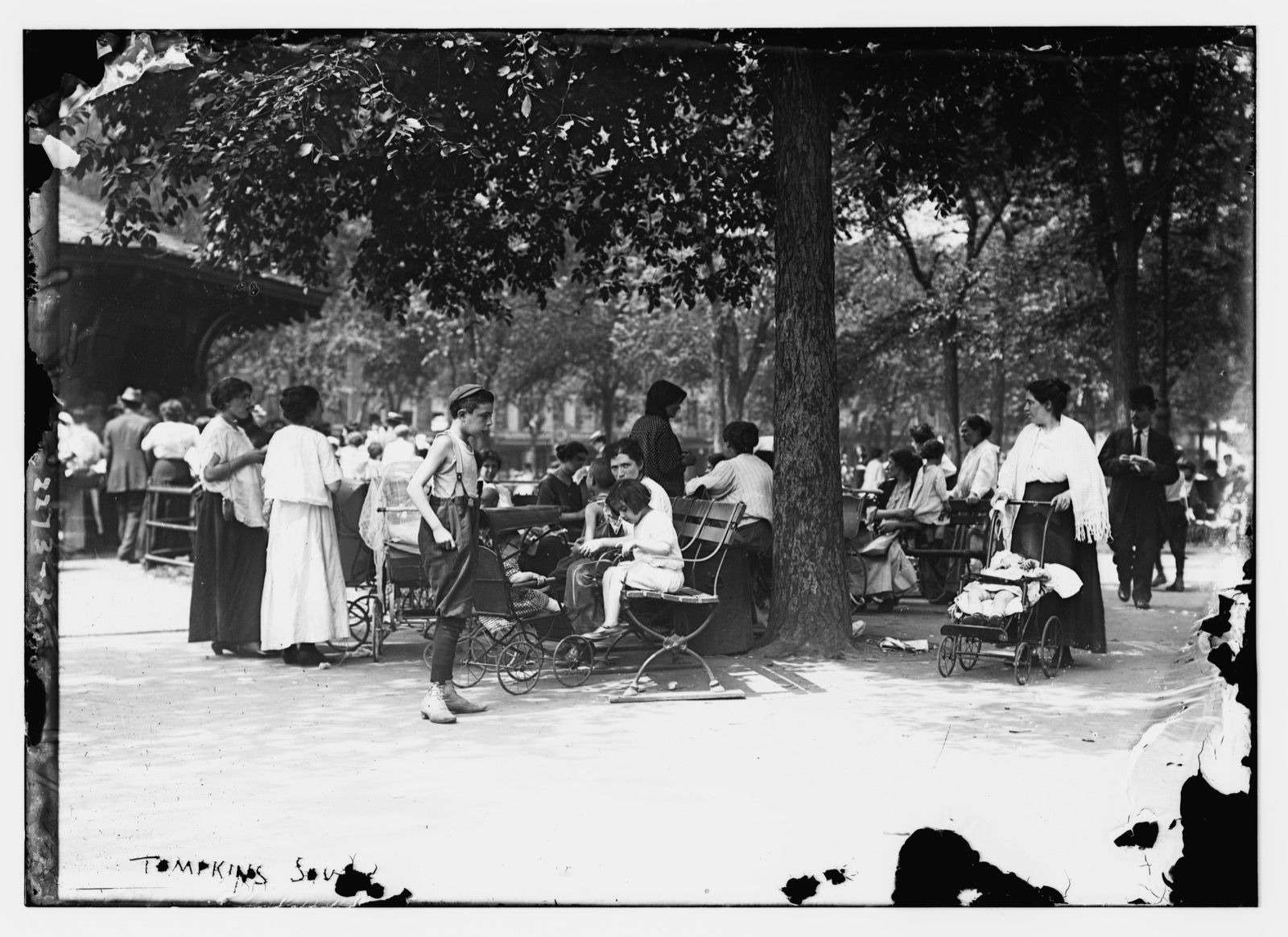
Today the park is peaceful. The American elm trees along the central promenade form one of the largest surviving elm canopies in Manhattan. There is a dog run, playgrounds, a bandshell, and benches under trees that have watched every version of this neighborhood pass beneath them. On a Saturday morning in warm weather, the park fills with dog walkers, runners, families, and people reading on blankets. It is the place to be while your apartment is being cleaned.
Your cleaning takes about two to three hours depending on the size of your apartment. Tompkins Square Park is a 10-minute walk from anywhere in the neighborhood. Veselka is open 24 hours. B&H Dairy has been serving egg creams and vegetable soup from six counter stools since 1938. Superiority Burger on East 9th Street will sell you the best vegetarian burger in New York from a tiny storefront. The Nuyorican Poets Cafe runs events most evenings. The Strand bookstore at Broadway and 12th Street has 18 miles of books across four floors. The neighborhood does not lack for ways to spend a few hours.
What booking looks like for East Village residents
You pick your date and time on our booking page. You see your flat-rate price before you commit. If your walk-up has specific details worth noting, a particularly fragile plaster wall, a bathtub kitchen, a landlord who needs advance notice, you tell us once and we note it permanently on your account. Our cleaners are W-2 employees, not gig workers. They are vetted, insured, and they arrive with the products matched to your apartment’s surfaces.
We serve the East Village and the surrounding neighborhoods, including Chelsea, Tribeca, and the Financial District. Our teams use the L train at First Avenue, the 6 at Astor Place, or the F at Second Avenue to reach the neighborhood. We know the difference between a tenement railroad apartment on Avenue B and a new condo on the Bowery, and we send the right team with the right approach for each. That is what a cleaning service built for New York actually looks like.